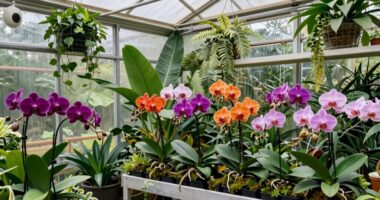

Even with good intentions, you might overwater, thinking it helps your plants, but too much water drowns roots and promotes diseases. Over-fertilizing is another risk, as excess nutrients can harm plants and attract pests. Sometimes, trying to keep everything spotless can disrupt beneficial insects and ecosystem balance. By paying closer attention to watering, fertilizing, and natural pest control, you can avoid these common mistakes. If you want to optimize your greenhouse care, you’ll find useful tips to improve plant health.

Get garden gear delivered free with Prime
- Fast, free delivery on millions of items
- Prime Video, Amazon Music and more included
- Member-only deals all year
Key Takeaways
- Overwatering plants out of concern can drown roots and promote diseases, despite good intentions.
- Applying excessive fertilizer to accelerate growth may cause salt buildup and nutrient imbalances.
- Frequent pest inspections and cleaning can inadvertently disrupt beneficial insects and ecosystem balance.
- Relying solely on reactive pest removal ignores preventive measures like airflow and sanitation.
- Attempting to nurture plants without monitoring soil moisture can lead to underwatering or overwatering.
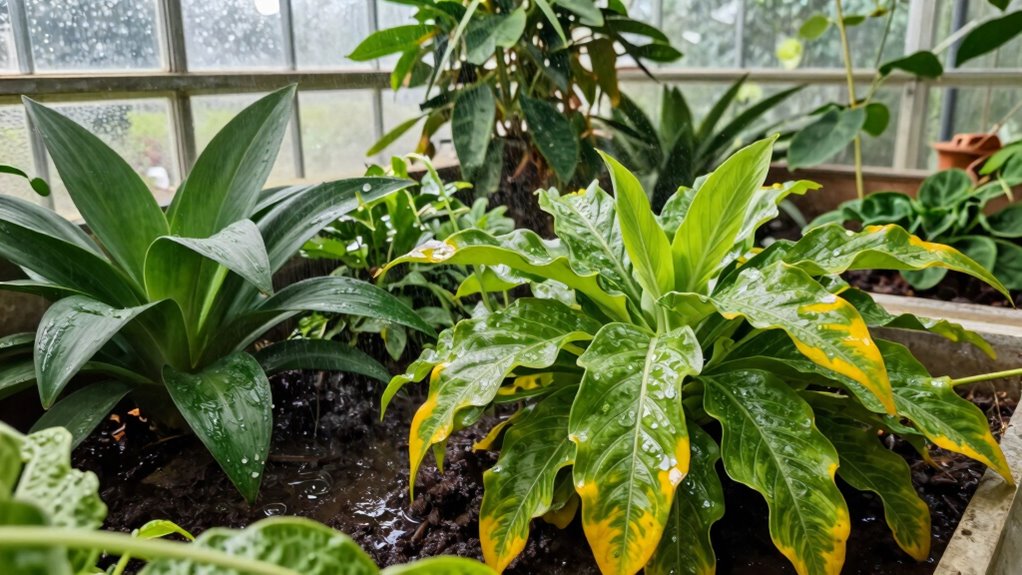
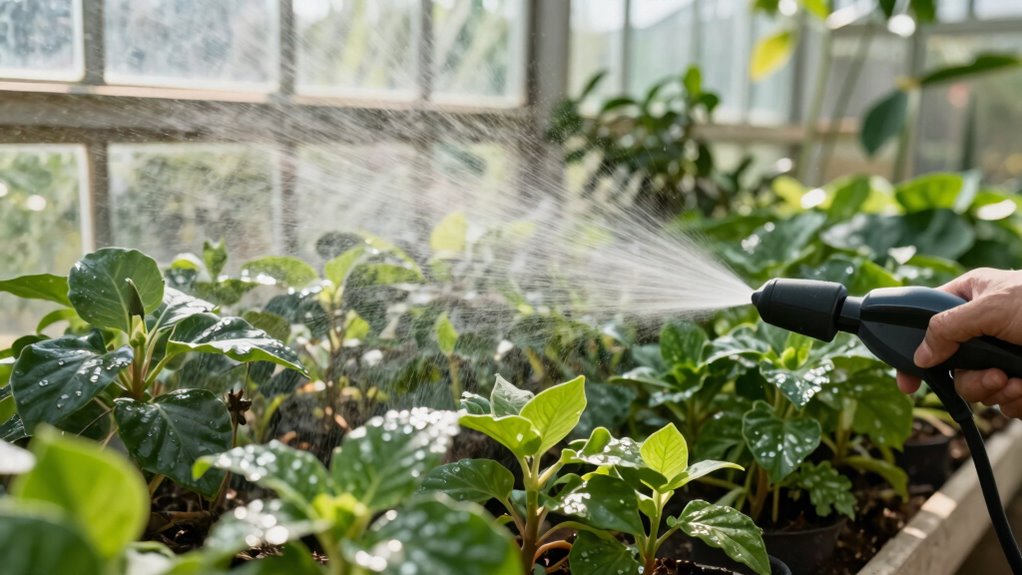
Maintaining a healthy greenhouse environment can be challenging, and even experienced gardeners make mistakes that can hinder plant growth. Often, these errors stem from good intentions—things you do because you want to help your plants thrive. One common mistake involves watering routines. You might think that more water equals healthier plants, but overwatering can drown roots, promote fungal diseases, and attract pests. On the other hand, underwatering leaves plants stressed and more vulnerable to pests and diseases. Striking the right balance is essential. You need to develop a consistent watering schedule tailored to each plant’s needs, paying attention to soil moisture levels rather than sticking to a rigid timetable. Using moisture meters or finger testing can help you determine when plants actually need water, preventing both over- and under-watering.
Balancing watering routines is key—use soil moisture checks instead of rigid schedules for healthier plants.
Pest prevention is another area where good intentions can backfire. You might try to keep pests at bay by frequently inspecting plants and removing visible bugs, but this reactive approach can sometimes do more harm than good. For example, using broad-spectrum pesticides without understanding the specific pest can harm beneficial insects that naturally keep pest populations in check. Additionally, overzealous cleaning or sanitation efforts, meant to eliminate pests, can disrupt the natural balance within your greenhouse. Instead, focus on preventative measures like maintaining good airflow, removing fallen leaves, and avoiding overcrowding—all of which create an environment less hospitable to pests. Introducing natural predators or using organic pest control methods can also be effective without upsetting the delicate balance of your greenhouse ecosystem. Recognizing the importance of integrated pest management can help you develop a comprehensive approach that minimizes harm and supports plant health. Being aware of the beneficial insects that contribute to a balanced ecosystem can help you make more informed pest control decisions. Additionally, understanding the indoor air quality within your greenhouse and ensuring proper ventilation can reduce humidity levels that favor pests and mold growth. Regularly monitoring pest populations allows for early intervention, reducing the need for chemical controls.
Another mistake driven by good intentions is over-fertilizing. You might want to give your plants a nutritional boost, but too much fertilizer can cause salt buildup in the soil, leading to root damage and nutrient imbalances. This mistake often occurs because you believe that more nutrients will accelerate growth, but in reality, it can do the opposite. Understanding the proper fertilization needs of your plants and following recommended schedules is crucial for avoiding these issues. Follow recommended fertilization schedules, and always read the labels to avoid overdoing it. Proper fertilization, combined with attentive watering and airflow, can significantly improve plant health and growth outcomes. Additionally, over-fertilizing can sometimes lead to an increase in pest problems, as an excess of nutrients may attract certain insects.
In essence, your desire to nurture your plants can sometimes lead to unintended consequences. By paying close attention to watering routines and practicing proactive pest prevention, you can create a healthy, balanced environment that supports thriving plants. Remember, good intentions need to be paired with knowledge and observation. Small adjustments based on your plants’ responses will make your greenhouse a more productive and resilient space.
soil moisture meter for greenhouse plants
As an affiliate, we earn on qualifying purchases.
As an affiliate, we earn on qualifying purchases.
Frequently Asked Questions
How Can I Tell if My Plant Is Overwatered?
You can tell if your plant is overwatered by checking for signs like leaf discoloration, which often appears yellow or brown, and soft, mushy roots indicating root rot. Feel the soil; if it’s consistently wet or soggy, it’s a sign you’re watering too much. Overwatering hampers roots, causing them to rot and leaves to discolor. Adjust your watering schedule to give your plant a chance to recover.
What Are the Signs of Nutrient Deficiency?
Think of your plant as a little treasure chest—when it shows pale leaves, stunted growth, or leaf discoloration, it’s signaling a nutrient deficiency. To fix this, you can conduct soil testing to identify missing elements and use foliar feeding for quick nutrient boosts. Keep an eye on these signs, and you’ll guarantee your plant stays healthy and thriving, just like a well-guarded treasure.
How Often Should I Prune My Greenhouse Plants?
You should prune your greenhouse plants regularly, typically every 4-6 weeks, depending on the plant’s growth rate. Follow a consistent pruning schedule and use proper techniques like trimming just above nodes or using clean, sharp tools. Pruning techniques like deadheading, thinning, and shaping promote healthy growth and prevent overcrowding. Always observe your plants and adjust the pruning schedule as needed to maintain best health and productivity.
Is It Better to Mist or Water My Plants?
You might think misting is the way to go, but water your plants instead. Misting benefits plant humidity temporarily, giving your plants a quick moisture boost. However, over-misting can lead to mold or pests. Watering directly guarantees consistent moisture levels, preventing dryness. So, skip the mist and focus on proper watering—your plants will thrive with stable humidity and healthy roots, not just a fleeting mist.
How Do I Prevent Pests Without Harming Plants?
To prevent pests without harming your plants, focus on pest prevention strategies like keeping your greenhouse clean and removing debris. Use organic treatments such as neem oil or insecticidal soap to target pests safely. Regularly inspect your plants for early signs of infestation, and encourage natural predators like ladybugs. By combining these methods, you protect your plants while avoiding harmful chemicals, ensuring a healthy, pest-free environment.
Conclusion
Think of your greenhouse as a delicate orchestra—each plant a essential instrument. Even with the best intentions, missteps can create dissonance. But with mindful care, patience, and a willingness to learn, you can turn your greenhouse into a harmonious symphony of thriving plants. Remember, every mistake is a note in your growth story. Keep listening, adjusting, and nurturing—your green masterpiece will flourish in time.
Fall yard work Picks
leaf blowers
As an affiliate, we earn on qualifying purchases.