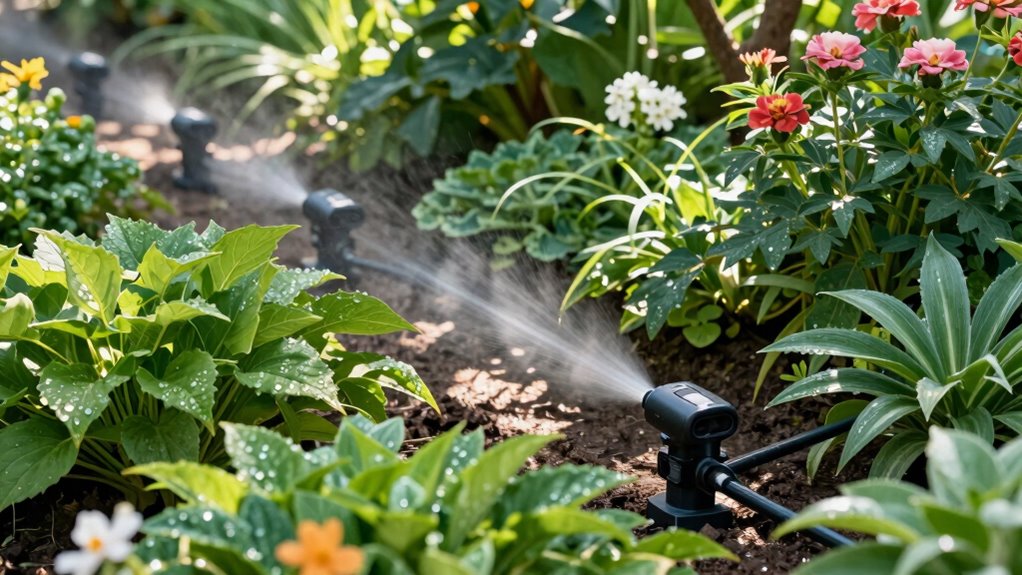

A closed-loop watering habit involves using a smart system that automatically adjusts your watering based on real-time soil moisture levels. It continuously monitors moisture, triggers watering only when needed, and prevents overwatering or underwatering. This precise control saves gallons weekly by avoiding waste, promoting healthier plants, and reducing water runoff. If you keep refining your system and stay attentive, you’ll discover how to maximize water efficiency even further.
Key Takeaways
- Automated soil moisture sensors trigger watering only when soil dryness reaches set thresholds.
- Real-time data adjusts watering schedules to prevent over- or underwatering, conserving water.
- Rainwater harvesting integrates into the system, reducing dependence on tap water.
- Targeted watering delivers water directly to roots, minimizing runoff and evaporation.
- Seasonal and weather-based adjustments optimize water use throughout the year.
What Problems Does a Closed-Loop Watering System Solve?
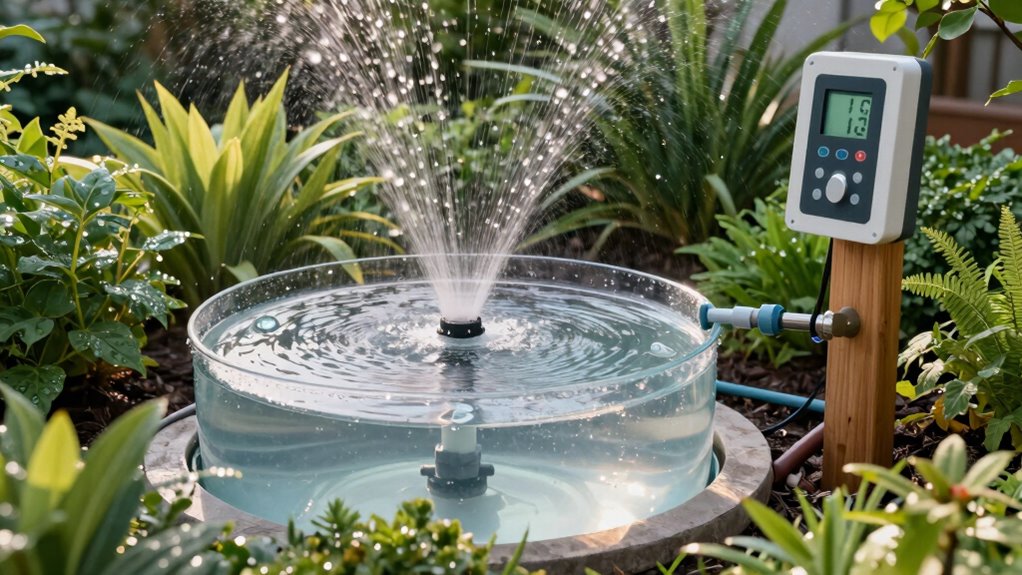
Have you ever wondered how to prevent overwatering or underwatering your plants? A closed-loop watering system addresses this by offering precise garden automation, ensuring your plants receive the right amount of water every time. It eliminates guesswork, reducing water waste and promoting healthier growth. This system detects soil moisture levels and adjusts watering accordingly, preventing runoff and puddling. By maintaining ideal moisture, it also protects against root rot and disease caused by excess water. Additionally, integrating smart irrigation controls can further optimize water use and adapt to changing weather conditions. Water conservation becomes effortless, as you use only what’s needed, saving gallons each week. Moreover, implementing soil moisture sensors enhances the system’s accuracy and efficiency. Plus, it minimizes manual labor, giving you more time to enjoy your garden. Overall, a closed-loop system is a smart solution that tackles watering problems while promoting responsible water use, especially when integrated with air quality monitoring to create a healthier overall environment. Implementing water-saving techniques can significantly enhance the effectiveness of your garden management.
How Does a Closed-Loop Watering System Work in Your Garden?
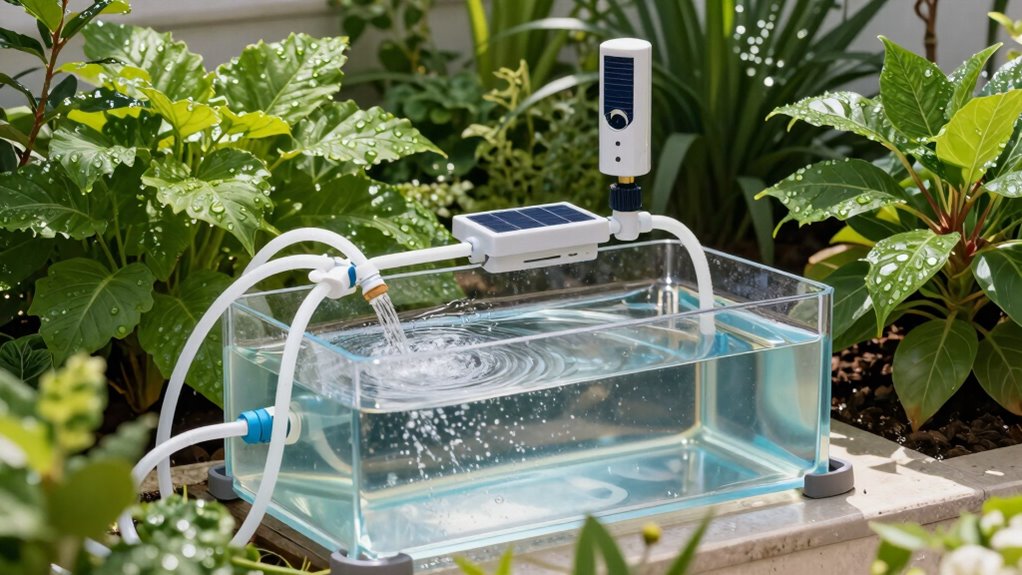
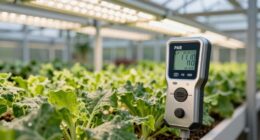
A closed-loop watering system works by continuously monitoring soil moisture levels and automatically adjusting watering schedules based on real-time data. Sensors placed in your garden track soil moisture, ensuring the soil remains at ideal levels for plant health. When soil moisture drops below a set threshold, the system triggers watering, promoting healthy root development. Conversely, if the soil is sufficiently moist, watering is delayed, preventing overwatering. This precise control helps maintain consistent moisture, which is essential for root health and overall plant vitality. Additionally, understanding the role of calibration in sensor accuracy can further optimize watering efficiency. Proper system maintenance and calibration are crucial for maximizing water savings and ensuring the system functions effectively. Incorporating advanced sensor technology can enhance detection accuracy and overall system performance. By tailoring watering to the actual needs of your garden, the system minimizes water waste while supporting strong, healthy roots. Regularly checking sensor placement can improve data reliability and system responsiveness, creating an efficient, eco-friendly approach that keeps your garden thriving with minimal effort.
Benefits of Using a Closed-Loop Watering System for Water Saving
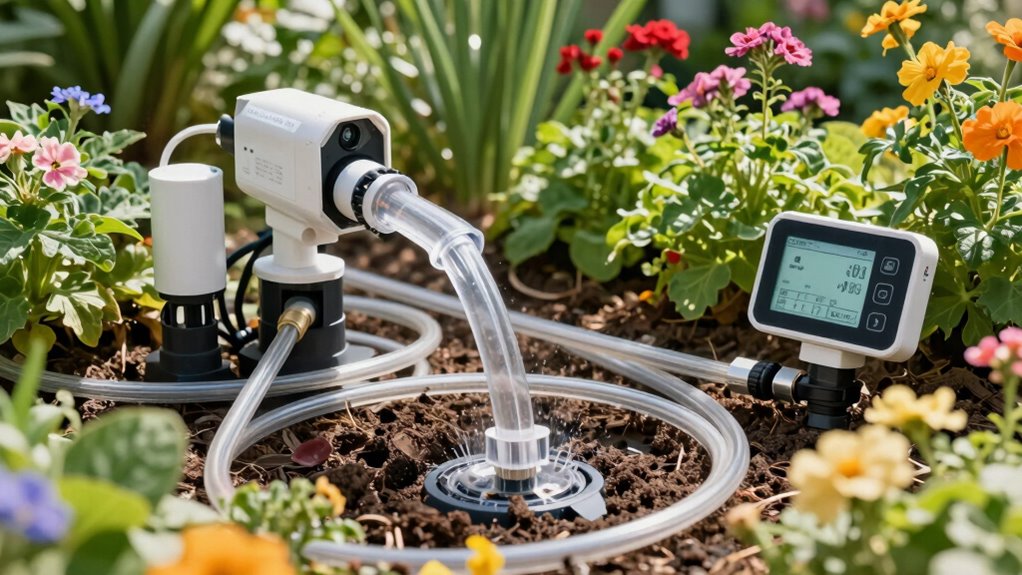
Using a closed-loop watering system helps you cut down on water waste by recycling and reusing water efficiently. It also boosts the system’s overall performance, ensuring your garden gets the right amount without excess. Staying aware of your watering habits allows you to make better decisions and maximize water conservation. Incorporating proper system maintenance ensures the longevity and optimal efficiency of your watering setup, further enhancing water savings. Regularly assessing your system’s efficiency and effectiveness can help identify areas for improvement, ensuring you get the most out of your water-saving efforts. Understanding simple organizing strategies can help you keep your watering system neat and accessible, preventing leaks or clogs. Additionally, being mindful of system design can contribute to more effective water use and easier maintenance, supporting sustainable water use, benefiting both your garden and the environment.
Reduces Water Waste
Ever wondered how a closed-loop watering system can cut down your water waste? It does so by optimizing how you use water. Here are four ways:
- Rainwater harvesting captures natural water, reducing reliance on tap water.
- Soil moisture sensors prevent overwatering by measuring actual needs.
- Automated controls adjust watering schedules based on real-time data.
- Recycled water within the system minimizes unnecessary runoff.
- Incorporating auditory feedback techniques can enhance system monitoring and user awareness, ensuring optimal water use. Additionally, utilizing sustainable materials in system components can further reduce environmental impact and improve system longevity. Proper logistics management also plays a key role in maintaining the efficiency of these systems, supporting digital skills that help in system setup and troubleshooting. Developing system integration capabilities can streamline operation and maximize water savings over time.
Enhances System Efficiency
Implementing a closed-loop watering system substantially boosts overall efficiency by ensuring your water is used precisely where and when it’s needed. This targeted approach promotes healthier soil, as water is delivered directly to roots without excess runoff or evaporation. Improved soil health results in better nutrient absorption and reduced soil compaction, creating ideal conditions for plant growth. By recycling and managing water more effectively, your system minimizes waste and maintains consistent moisture levels. This consistency supports robust plant development and reduces the need for supplementary watering. Ultimately, the system’s enhanced efficiency means you use less water overall, save on utility costs, and foster a healthier environment for your garden or landscape. It’s a smart way to maximize results while conserving essential resources.
Promotes Sustainable Use
Because a closed-loop watering system recycles water efficiently, it considerably diminishes overall water consumption. This promotes sustainable use by minimizing waste and conserving resources. By integrating rainwater harvesting, you harness natural rainfall, reducing reliance on municipal water supplies. This system enhances drought resilience, ensuring your garden stays healthy during dry periods. Additionally, incorporating water-saving techniques can further optimize water efficiency in your gardening practices.
How to Set Up Your Closed-Loop Watering System Easily
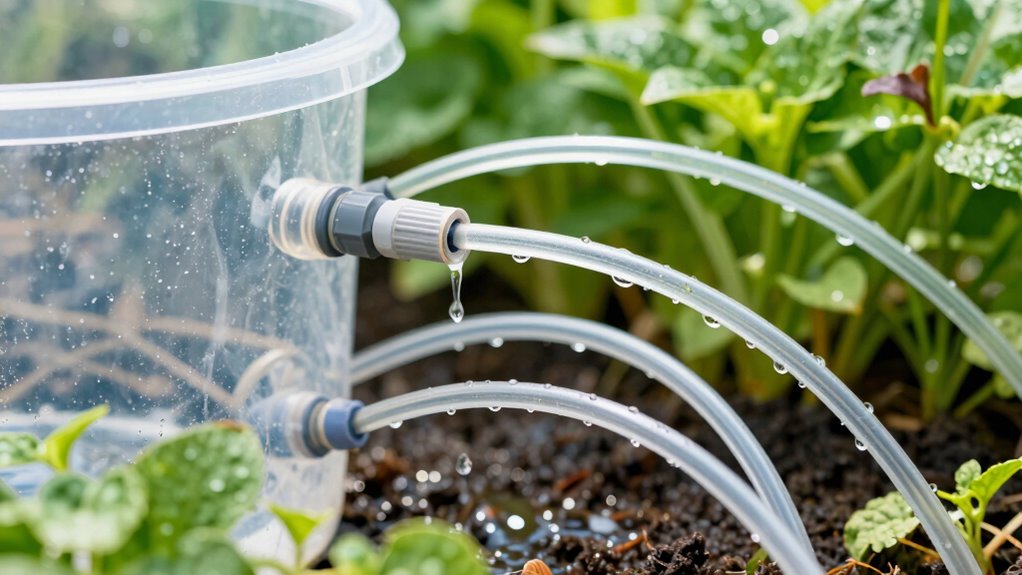
Setting up your closed-loop watering system is simpler than you might think, and with a few straightforward steps, you’ll have it running smoothly in no time. Start by evaluating your garden layout to determine the best placement for your water source and distribution lines. Use clear installation tips, such as keeping hoses organized and avoiding sharp bends, to ensure efficient flow. Connect your system components securely, making sure valves and connectors fit tightly to prevent leaks. Lay out the tubing along your garden beds, considering plant zones for even watering. Test the system before planting, checking for consistent water flow and coverage. Also, understanding system components can help you troubleshoot and optimize your setup for maximum efficiency. Regularly inspecting your system and understanding water flow dynamics can further enhance its performance and longevity. Incorporating water conservation techniques into your routine can also lead to even greater water savings over time. Being familiar with water flow control strategies allows for better adjustment and maintenance of your system. Additionally, maintaining proper system pressure ensures reliable operation and prevents damage to components.
Troubleshooting Common Issues in Closed-Loop Watering
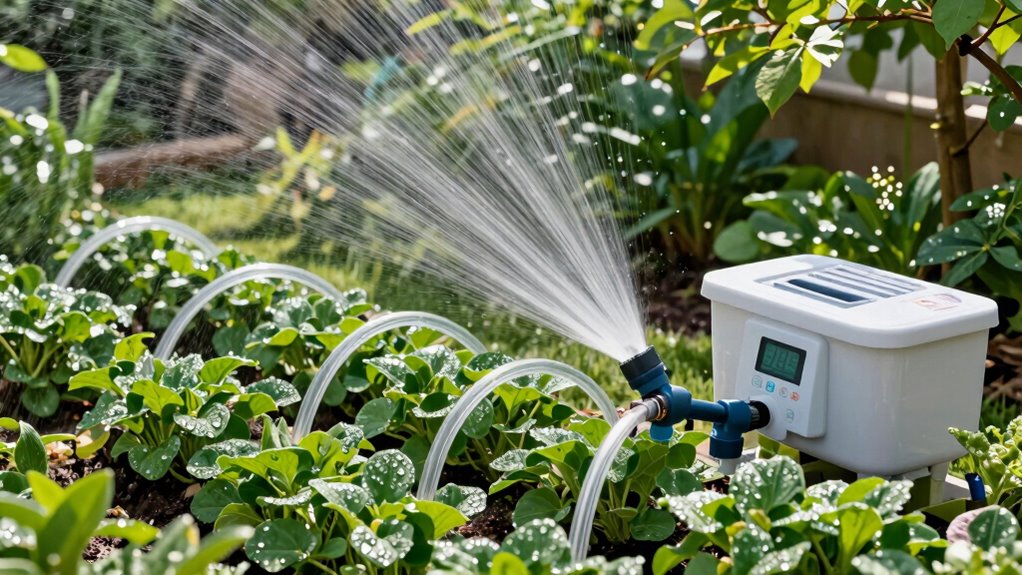
Even with careful setup, your closed-loop watering system can encounter issues that disrupt its performance. Common problems often involve uneven watering or soil moisture imbalance. To troubleshoot effectively, consider these points:
- Check for clogged drip irrigation emitters that block water flow.
- Inspect soil moisture sensors to ensure accurate readings; dirt or debris can skew results.
- Confirm the system’s valves open and close properly, preventing under- or over-watering.
- Examine hoses and connections for leaks or blockages, which reduce water efficiency.
Addressing these issues helps maintain consistent soil moisture levels and prevents plants from drought stress or waterlogging. Regularly inspecting your system allows you to catch problems early and keep your closed-loop watering habit running smoothly.
Monitoring and Improving Your Water Efficiency Over Time
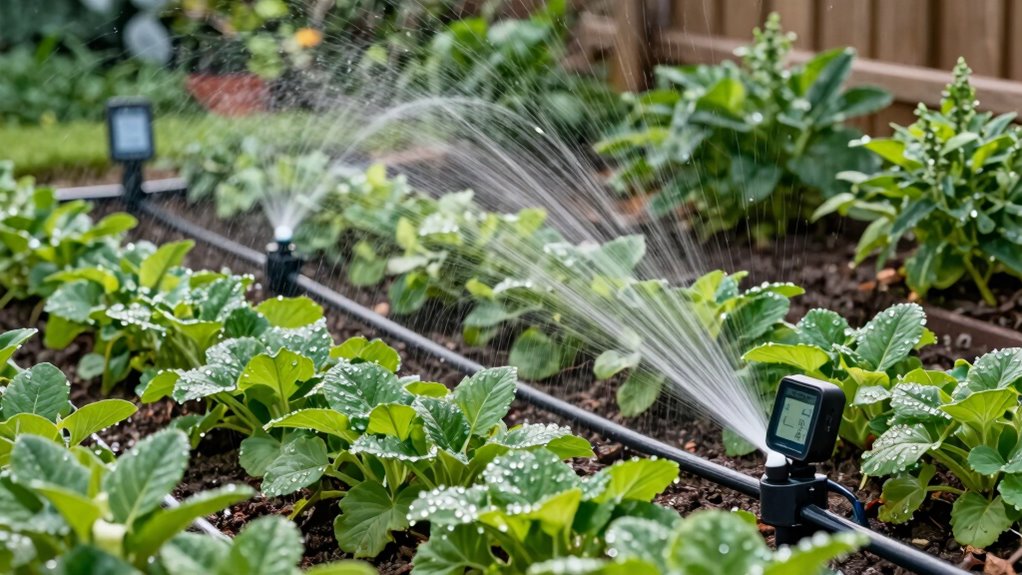
To improve your water efficiency over time, start by tracking your water usage trends regularly. Adjust your system for seasonal changes to prevent waste and guarantee ideal watering. Consider using smart monitoring tools to get real-time insights and make precise adjustments effortlessly.
Track Water Usage Trends
How can you tell if your watering habits are truly efficient? Tracking water usage trends helps you identify patterns and spot issues like leaks or excess water consumption. To effectively monitor progress, consider these steps:
- Record weekly water bills to detect unusual spikes.
- Use a water meter to check for leak detection between billing cycles.
- Observe your garden’s health to see if plants thrive with less water.
- Note weather conditions to correlate water use with seasonal changes.
Consistently tracking this data allows you to refine your habits, ensuring your watering routine remains efficient. By understanding water consumption over time, you can make adjustments early, saving gallons each week and preventing waste.
Adjust for Seasonal Changes
Are you adjusting your watering habits for seasonal changes? Seasonal adjustments are essential for maintaining water efficiency year-round. As seasons shift, so do your plants’ needs and the climate considerations that influence evaporation and soil moisture levels. During hotter, drier months, you may need to water more frequently or longer, while cooler, wetter seasons require less watering. Keep track of weather patterns and modify your schedule accordingly. This proactive approach ensures you’re not overwatering or underwatering, saving gallons each week. Regularly reviewing your watering routine in response to seasonal changes helps optimize water use and promotes healthier plants. By staying adaptable, you prevent waste and maintain an efficient, eco-friendly watering habit throughout the year.
Use Smart Monitoring Tools
Using smart monitoring tools can considerably enhance your water efficiency by providing real-time data on soil moisture, weather conditions, and your watering schedule. With smart sensors, you can detect precisely when your plants need water, preventing overwatering or underwatering. Water analytics then process this data to optimize your watering routine over time. To get started, consider these key points:
- Install smart sensors in different zones to monitor soil moisture levels accurately.
- Use weather data integration to adjust watering based on forecasted conditions.
- Analyze water analytics reports regularly to identify patterns and areas for improvement.
- Set alerts for unusual moisture or weather changes to stay proactive.
Frequently Asked Questions
Can a Closed-Loop System Be Installed Indoors?
Yes, you can install a closed-loop system indoors. Just consider your space carefully, as indoor installation requires enough room for the equipment and proper ventilation. Make sure to choose a system designed for indoor use and place it where it won’t interfere with daily activities. With proper space considerations, a closed-loop system can effectively conserve water inside your home, making it an efficient and eco-friendly choice.
What Maintenance Is Required for the System?
Maintaining your closed-loop system is like tending a delicate garden—you need consistent care. You should regularly check water quality to prevent buildup or contamination, and clean filters as needed to keep the system running smoothly. Inspect for leaks or wear to ensure durability. Proper maintenance guarantees your system remains efficient, conserving water and extending its lifespan, so you enjoy reliable performance week after week.
Is a Closed-Loop System Suitable for All Garden Sizes?
A closed-loop system can suit various garden sizes because of its system adaptability. For small gardens, it’s straightforward and efficient, while larger gardens may require more extensive setups and adjustments. You’ll want to take into account your garden’s scalability to guarantee the system can handle your watering needs without waste. Overall, with proper planning, a closed-loop system can be customized to fit different garden sizes effectively.
How Much Initial Investment Does It Typically Require?
Like a trusty steed, your investment in a closed-loop watering system varies. You’ll want to do a cost analysis, which generally ranges from a few hundred to a few thousand dollars depending on garden size and system complexity. Typically, the investment timeline pays off within a year through water savings. While initial costs can seem steep, the long-term benefits make it a smart choice for eco-conscious gardeners.
Can the System Integrate With Existing Irrigation Setups?
Yes, the system can integrate with your existing irrigation setup. You’ll add smart sensors to monitor soil moisture and weather conditions, which optimize watering schedules. Plus, it incorporates water recycling features to reuse runoff and greywater, making your system more efficient. With minimal adjustments, you can upgrade your current setup seamlessly, saving water and reducing your utility bills while leveraging advanced technology for smarter, eco-friendly irrigation.
Conclusion
Imagine your garden as a thirsty friend, and your closed-loop system as its best hydration buddy. Just like a smart friend who remembers to refill your glass without waste, this system saves you gallons each week by recycling water efficiently. Once set up, you’ll enjoy a lush garden with less effort and more savings. Think of it as giving your garden a steady, eco-friendly sip—nurturing it perfectly while keeping water bills low.