
To safely reuse rainwater without spreading disease, you should set up a well-maintained collection system with food-grade tanks, filters, and covers to prevent contamination from debris and pests. Regularly clean and disinfect your tanks, use effective filtration and disinfection methods like boiling or UV sterilizers, and test water quality periodically. Implementing these best practices will help keep your water safe for reuse—continue exploring ways to protect your health effectively.
Key Takeaways
- Install effective filtration and disinfection systems, such as UV sterilizers or chlorination, before reuse.
- Regularly clean and inspect storage tanks to prevent bacterial and algae growth.
- Cover tanks with secure, opaque lids to block debris, pests, and sunlight exposure.
- Test water quality periodically to ensure safety and identify contamination early.
- Use proper hygiene practices, including boiling or treating water, before drinking or cooking.
How to Set Up a Safe Rainwater Harvesting System

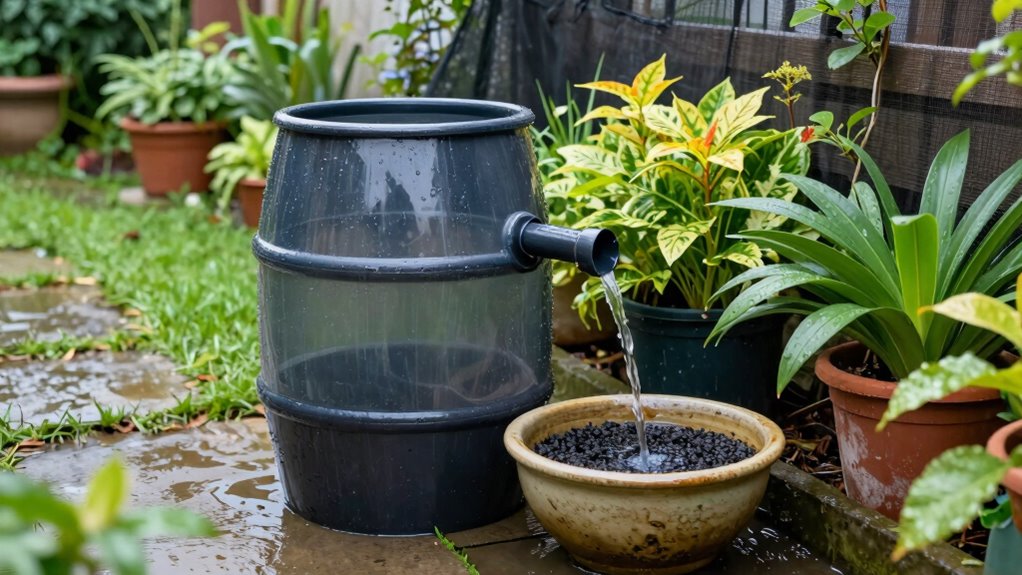
Setting up a safe rainwater harvesting system begins with choosing a clean, protected collection area, such as a rooftop made of non-toxic materials. Ensuring good rainwater quality starts here; avoid surfaces contaminated with chemicals or debris. Your collection area should direct water efficiently into your storage containers, which need to be made from food-grade, non-toxic materials like plastic or metal. These containers must be sealed tightly to prevent contamination and mosquito breeding. Position them in shaded, well-ventilated spots to reduce algae growth and temperature fluctuations. Properly selecting and positioning your storage containers is essential for maintaining water quality and preventing disease. Additionally, implementing water chemistry controls helps ensure the stored water remains safe and suitable for reuse. Regular system maintenance and inspections are crucial to prevent stagnation and contamination, ensuring your rainwater stays safe for use. Incorporating preventative measures such as screens and covers can further reduce the risk of pests and debris entering the system. To further enhance water safety, understanding filtration methods can significantly reduce contaminants before use. Maintaining proper system design is also vital to prevent cross-contamination and ensure long-term safety. This initial step lays the foundation for safe and effective rainwater reuse, helping you avoid contaminants from the start.
How to Keep Your Rainwater Tank Clean and Safe
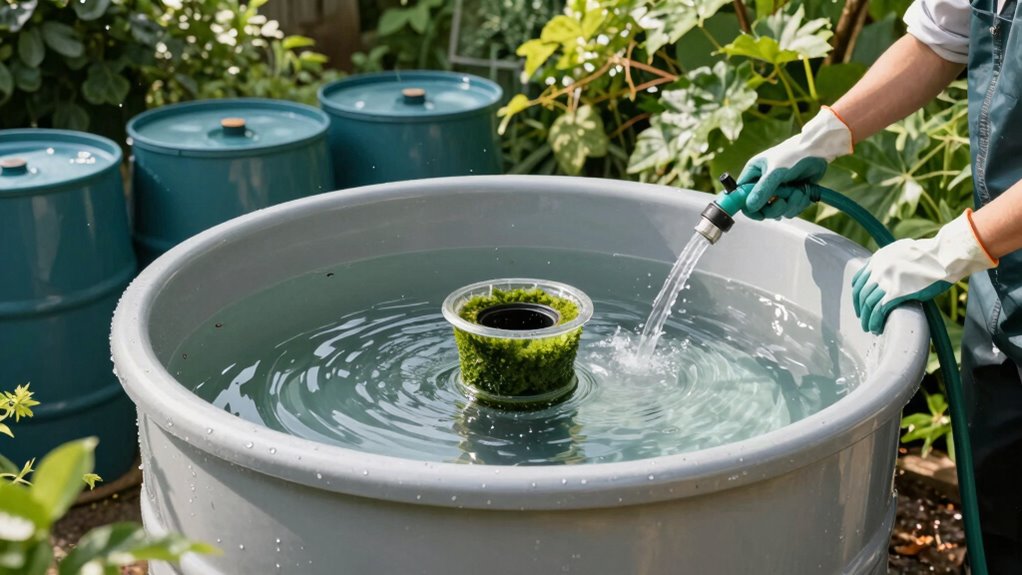
To keep your rainwater tank clean and safe, you need to perform regular maintenance to prevent buildup and contamination. Proper water filtration is essential to remove debris and pathogens before the water reaches your home. Staying on top of these steps helps make certain your rainwater remains safe for use. Implementing professional guidance can further ensure that your system adheres to best practices for water quality management. Additionally, using reliable backup power sources can help maintain water system operations during outages, ensuring continuous safety and quality. Regularly inspecting your system for potential issues and utilizing outdoor water safety tips can also help prevent contamination and ensure safe water usage.
Regular Tank Maintenance
Regular maintenance is essential to keep your rainwater tank clean and safe for use. Establishing a regular maintenance schedule guarantees you stay on top of tank cleaning and prevent buildup of debris, algae, or bacteria. Check your tank periodically for any cracks or leaks, and remove leaves or dirt that may have accumulated. Cleaning your tank at least once a year is recommended, especially before the rainy season, to minimize health risks. Use appropriate cleaning tools and disinfectants to thoroughly sanitize the interior. Keep records of maintenance activities to track your schedule and identify any potential issues early. Consistent upkeep not only maintains water quality but also prolongs the lifespan of your tank, ensuring safe, reliable rainwater reuse. Proper tank design can also help reduce sediment buildup and facilitate easier maintenance. Additionally, selecting a high-quality filtration system can further improve water safety and reduce the frequency of cleaning required. Regular inspection of tank materials can prevent deterioration and contamination, ensuring your rainwater remains safe for use. Implementing preventative measures can further help avoid contamination and ensure your rainwater stays clean over time. Incorporating proper ventilation into your tank design can also help prevent mold growth and reduce odors that may compromise water quality.
Proper Water Filtration
Maintaining your rainwater tank’s cleanliness doesn’t stop with regular inspections; installing proper filtration systems plays a vital role in keeping the water safe. Effective filtration methods remove debris, contaminants, and bacteria, ensuring your water remains clean. It’s important to monitor the water pH regularly, aiming for a neutral pH of around 7, which indicates balanced water that’s less likely to harbor harmful organisms. Use mesh screens at the inlet to prevent leaves and insects from entering and consider additional filters like sand or activated carbon for further purification. Regularly replacing or cleaning filters keeps them functioning at their best. Incorporating smart monitoring devices can help you track water quality parameters remotely and alert you to potential issues. These devices can also integrate with home automation systems, allowing for seamless management of your water filtration setup. Selecting appropriate filtration methods tailored to your specific water quality needs enhances safety and efficiency. By combining proper filtration methods with pH monitoring, you considerably reduce the risk of disease transmission and ensure your rainwater remains safe for reuse. Safe installation practices help ensure your filtration system works effectively and minimizes potential contamination.
How to Treat Rainwater for Household Use
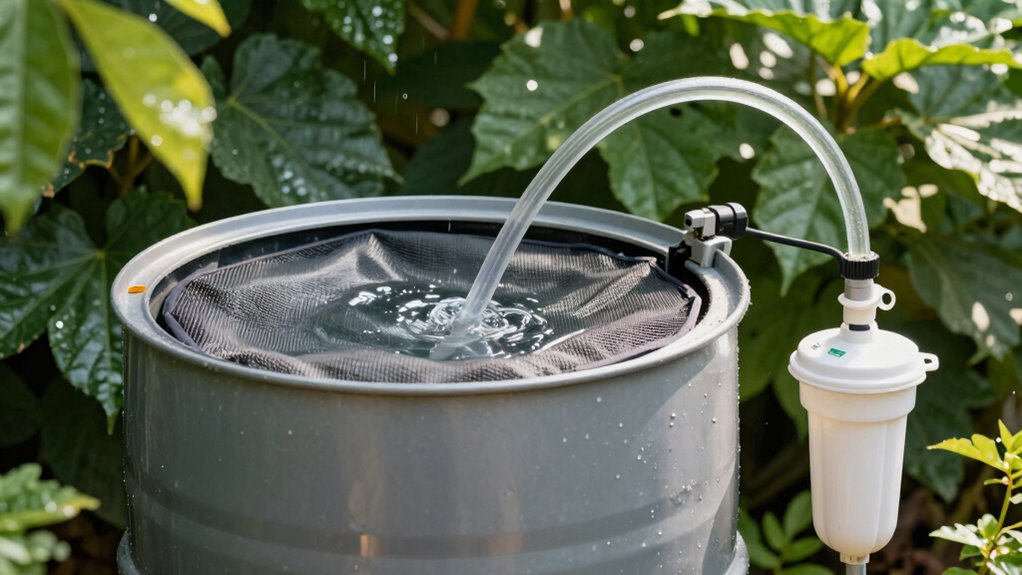
Before using rainwater for household purposes, it is vital to treat it properly to prevent the spread of disease. Rainwater purification is essential to remove contaminants and guarantee it’s safe for your family. Start by filtering the water through a fine mesh or cloth to eliminate large debris. Then, employ household water treatment methods like chlorination or boiling. Chlorine tablets or drops can disinfect rainwater effectively if used according to instructions. Boiling the water for at least one minute kills most bacteria and viruses. Additionally, consider installing UV sterilizers for ongoing treatment. Regular maintenance of your collection system and storage tanks also helps prevent contamination. Proper rainwater treatment guarantees safe, clean water for household use while minimizing health risks. Incorporating proper storage practices further reduces the chances of bacterial growth and contamination over time. Ensuring the quality of collected rainwater through consistent treatment methods safeguards your household from potential health hazards. Implementing water testing procedures periodically can help verify the effectiveness of your treatment process. Regular testing and water quality assessment provide added assurance of safety and help detect any emerging issues early. Using appropriate filtration techniques can further improve the clarity and safety of the rainwater you collect.
What Are the Health Risks of Reusing Rainwater?
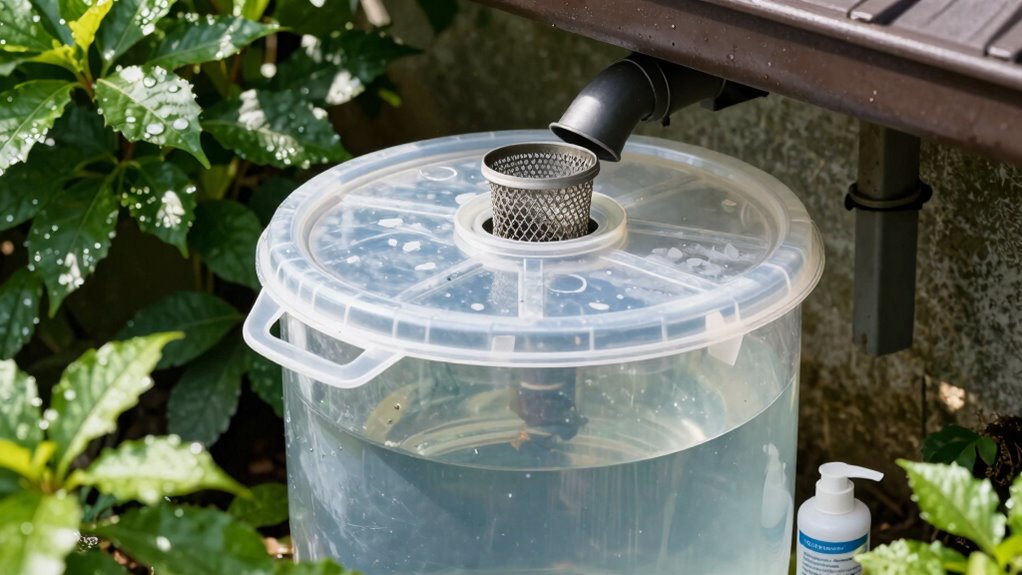
Reusing rainwater can expose you to contamination from bacteria, viruses, and other pollutants. These risks can lead to health issues if the water isn’t properly treated or stored. Proper water hygiene practices are essential to prevent infection and ensure safe reuse. Additionally, understanding the potential health risks helps you implement effective safety measures. Incorporating aquatic exercise techniques can also improve overall health and resilience against waterborne illnesses, provided the water is safe.
Contamination Risks
While collecting rainwater can be an eco-friendly practice, it also poses health risks if the water isn’t properly managed. Contamination risks primarily stem from pathogen transmission through contaminated sources or storage. Leaves, dirt, and animal droppings can introduce bacteria, viruses, and parasites into your rainwater. Without proper contamination prevention measures, these pathogens can multiply and pose serious health hazards. To reduce risks, ensure your collection system is clean, covered, and free from debris. Regularly inspect and maintain storage tanks to prevent mosquito breeding and bacterial growth. Using proper filtration and disinfection methods also helps minimize pathogen transmission. Taking these precautions helps you reuse rainwater safely, protecting your health while enjoying the environmental benefits.
Health Impact Potential
Reusing rainwater can offer environmental benefits, but it also carries health risks if the water isn’t properly treated. If contaminated, waterborne pathogens can cause illnesses like gastrointestinal infections, cholera, or dysentery. When you reuse untreated rainwater, your immune response may be challenged by these microbes, increasing your risk of infection. Proper treatment reduces these risks considerably. Here’s a quick overview:
| Risk Level | Pathogens Present | Potential Health Effect |
|---|---|---|
| High | Bacteria, viruses | Severe gastrointestinal illness |
| Moderate | Protozoa | Diarrhea, dehydration |
| Low | Fungi, algae | Allergic reactions |
| None | Treated water | Safe for reuse |
Ensuring proper treatment is key to protecting your health when reusing rainwater.
Best Practices for Reusing Rainwater Safely in Your Home and Garden
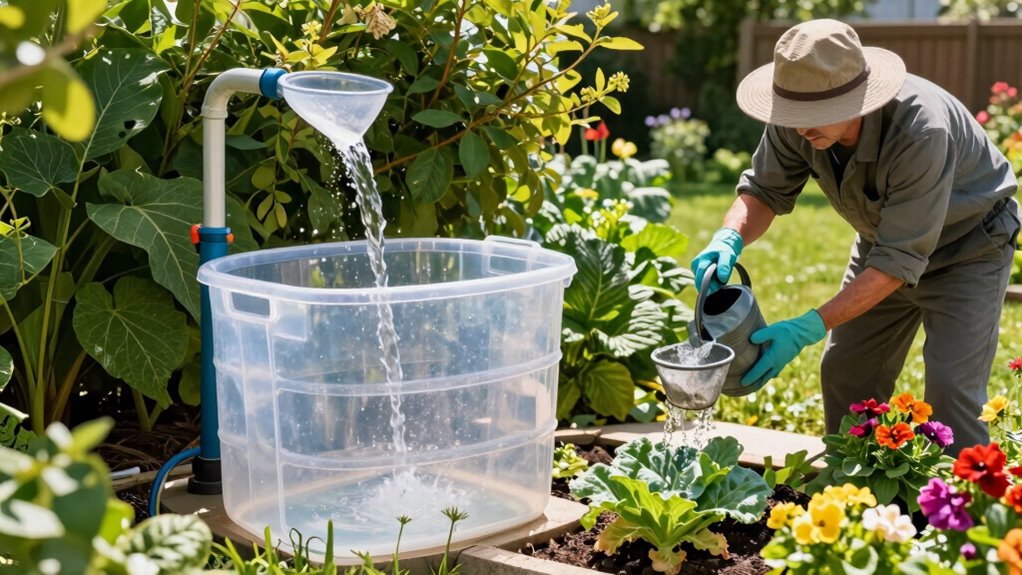
To guarantee rainwater is reused safely in your home and garden, you should start by installing proper filtration and storage systems. Many rainwater myths suggest it’s risky, but when managed correctly, the reuse benefits are significant, including reducing your water bill and conserving resources. Use first-flush diverters to prevent debris and contaminants from entering storage tanks. Regularly clean and inspect your tanks and filters to prevent buildup and bacterial growth. Always avoid using untreated rainwater for drinking or cooking unless it’s properly treated. Keep in mind, safe reuse practices involve understanding the limitations of rainwater quality and implementing measures to minimize health risks. By following these steps, you ensure your rainwater reuse is both effective and safe for your home and garden.
Common Rainwater Reuse Problems and How to Fix Them
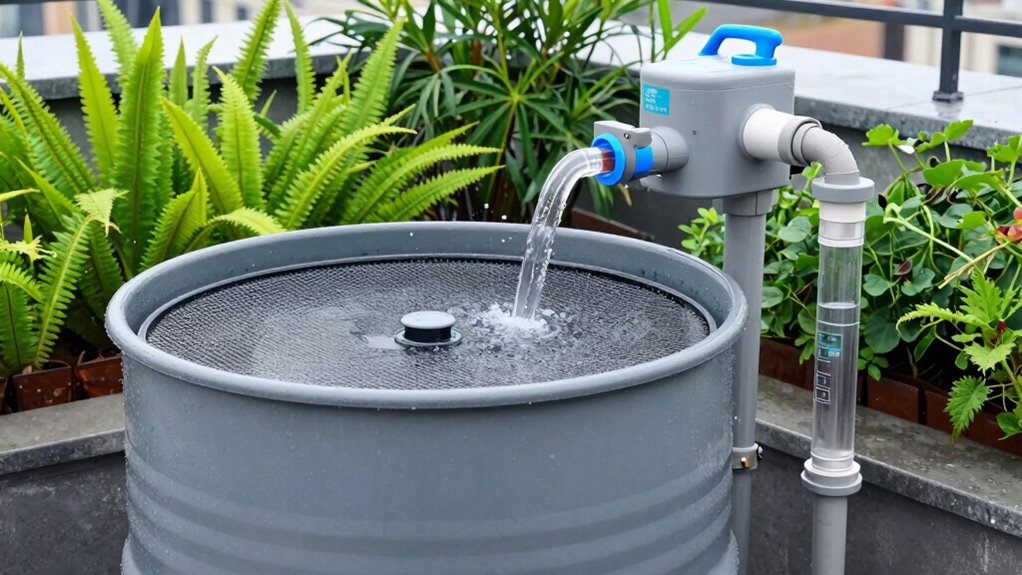
Despite careful planning, many rainwater reuse systems encounter common problems like stagnant water, algae growth, and clogging. Stagnant water can become a breeding ground for bacteria, so guarantee regular movement or filtration. Algae thrive in sunlit containers, which can spread disease; use UV filters or covers. Clogging often results from debris or sediment in stormwater runoff, restricting flow and reducing water quality. To fix these issues, maintain your rainwater harvesting system with routine cleaning and proper filtration. Consider installing screens to prevent debris entry and keep tanks shaded. Here’s a quick overview:
| Problem | Solution |
|---|---|
| Stagnant water | Regularly circulate or empty tanks periodically |
| Algae growth | Use UV filters or opaque covers |
| Clogging | Implement screens and clean filters often |
Frequently Asked Questions
Can Rainwater Be Safely Used for Drinking Without Extensive Treatment?
You can safely drink rainwater if you use proper rainwater filtration to guarantee water purity. First, collect rainwater in a clean, covered container. Then, filter it through a fine mesh or a dedicated water filter system to remove debris and contaminants. Finally, consider boiling or using UV treatment to eliminate bacteria and viruses, making the water safe for drinking and ensuring it meets health standards.
How Often Should I Test Rainwater Quality for Household Reuse?
You should test your rainwater at least quarterly, or more often if you notice changes in color, smell, or taste. Ironically, relying on infrequent testing might seem convenient, but it risks contamination surpassing safe thresholds. Regular rainwater testing guarantees you stay within contamination thresholds, keeping your household safe. Remember, the more you test, the better you prevent hidden dangers from lurking unnoticed.
Are There Specific Filters Recommended for Removing Bacteria From Rainwater?
You should consider using UV sterilization and carbon filtration to remove bacteria from rainwater effectively. UV sterilizers kill germs by disrupting their DNA, making it a dependable method for bacterial removal. Carbon filters also help by trapping impurities and some microbes, improving water quality. Combining these filters ensures you get safer, cleaner rainwater for household use, reducing health risks and preventing disease spread.
What Are the Signs of Contamination in a Rainwater Harvesting System?
Think of your rainwater system like a garden; if you notice foul odors, algae growth, or murky water, contamination indicators are present. You might also see debris or insects, signaling possible issues. Regular water quality testing helps detect unseen pollutants. If you observe these signs, it’s time to clean your system and perform tests, ensuring safe reuse and protecting your health from hidden contaminants.
Is It Necessary to Boil Rainwater Before Using It for Cooking or Drinking?
Yes, you should boil rainwater before using it for cooking or drinking. Boiling safety guarantees any pathogens or bacteria are eliminated, especially if your rainwater filtration system isn’t perfect. Always boil rainwater for at least one minute to make it safe. Even with filtration, boiling adds an extra layer of protection, reducing the risk of illness and ensuring your water is safe for consumption.
Conclusion
Reusing rainwater can be a smart, eco-friendly choice, but safety is key. Did you know that improperly stored water can harbor bacteria and viruses, increasing health risks? By setting up a proper system, keeping your tank clean, and treating the water, you can enjoy the benefits without worry. Follow best practices and address common problems promptly. With these steps, you’ll confidently reuse rainwater while safeguarding your health and the environment.