Community greenhouse projects bring neighbors together to create resilient and sustainable urban food systems. By transforming vacant lots into vibrant green spaces, you can grow fresh fruits and vegetables while promoting eco-friendly practices like composting and rainwater harvesting. These projects foster social bonds, empower skills, and reduce reliance on external food sources. If you’re enthusiastic to learn how these initiatives strengthen neighborhoods and advance sustainability, keep exploring how you can get involved.
Key Takeaways
- Community greenhouses foster neighborhood collaboration, strengthening social bonds through shared urban farming activities.
- They promote resilience by increasing local food production and reducing reliance on external food sources.
- These projects encourage sustainable practices like composting and rainwater harvesting, benefiting the environment.
- Greenhouses serve as educational hubs, teaching residents about eco-friendly farming and conservation techniques.
- They transform vacant urban spaces into productive, green environments, enhancing neighborhood vitality and sustainability.

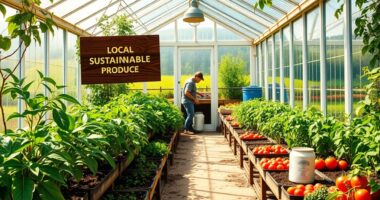
Have you ever wondered how communities can grow fresh, healthy produce even in urban areas? It’s a question that many neighborhoods are tackling through innovative solutions like community greenhouse projects. These greenhouses serve as essential hubs for urban farming, allowing residents to cultivate fruits, vegetables, and herbs right in the heart of the city. By harnessing the power of urban farming, communities turn vacant lots or underused spaces into productive, green environments that benefit everyone involved. What makes this approach particularly impactful is the emphasis on sustainable practices, which guarantee that the growth methods are environmentally friendly and resource-efficient. Instead of relying heavily on chemical fertilizers or pesticides, community greenhouses often incorporate composting, rainwater harvesting, and organic pest control, promoting a healthier ecosystem. These practices not only produce cleaner food but also teach residents about sustainability, reducing the community’s carbon footprint. Incorporating nutritional support strategies can further enhance the health benefits of homegrown produce.
Urban greenhouses grow healthy food sustainably, transforming vacant spaces into vibrant community hubs.
When you participate in a community greenhouse project, you’re taking part in a movement that strengthens local resilience. These greenhouses provide more than just fresh produce; they foster social connections, empower individuals to learn new skills, and create a sense of shared purpose. As you work alongside neighbors, you develop a deeper understanding of how sustainable practices can be integrated into everyday life. Plus, growing your own food reduces dependence on store-bought produce, which often travels long distances, contributing to pollution and climate change. This local approach to food production makes the community more self-sufficient and better prepared for disruptions, whether they’re economic or environmental.
Community greenhouses also serve as educational spaces where people of all ages can learn about sustainable farming techniques. Workshops and volunteer opportunities encourage active participation, inspiring a new generation of urban farmers committed to eco-friendly growth. These projects often incorporate innovative technologies like solar-powered lighting or automatic watering systems, demonstrating how modern sustainability tools can be used effectively in city settings. The sense of accomplishment that comes from nurturing plants and harvesting the results can boost community morale and foster pride. It’s a tangible reminder that collective effort and sustainable practices can bring about meaningful change, even in small urban spaces.
In essence, community greenhouse projects exemplify how urban farming combined with sustainable practices can create resilient, thriving neighborhoods. They transform unused spaces into productive landscapes, bring residents together, and promote environmentally responsible growth. When you’re part of such a project, you’re not just growing food—you’re cultivating stronger connections and a more sustainable future for your community.
Frequently Asked Questions
How Do Community Greenhouses Impact Local Food Security?
Community greenhouses boost local food security by promoting urban agriculture, allowing you to grow fresh produce close to home. This reduces reliance on store-bought food, especially in food deserts. You benefit from increased nutritional benefits, as you can harvest seasonal, organic vegetables and herbs. By cultivating food locally, you strengthen community resilience and guarantee access to healthy options, even during disruptions, making your neighborhood more self-sufficient and resilient.
What Funding Options Are Available for Starting a Community Greenhouse?
You might think funding a community greenhouse is tough, but it’s easier than you believe. You can explore grant opportunities from local governments or environmental organizations that support green projects. Additionally, crowdfunding campaigns can rally your community and raise funds quickly. Combining these options often provides the necessary resources to start your project, making it both achievable and sustainable. With a little effort, you’ll turn your green space dreams into reality.
How Can I Get Neighbors Involved in a Greenhouse Project?
To get neighbors involved in a greenhouse project, focus on neighbor engagement by hosting an informational meeting or workshop to share your idea. Use social media or flyers to spread the word, emphasizing the benefits for the community. You can also establish volunteer coordination, inviting neighbors to contribute their skills and time. Personal invitations and friendly conversations often encourage participation, helping build a strong, committed community team for your greenhouse.
What Are the Best Locations for Community Greenhouses?
Think of your community as a garden waiting to bloom. The best locations for greenhouses are urban spaces with ample sunlight accessibility, like vacant lots or rooftops. These spots act as the sun’s welcoming arms, nurturing growth. Seek areas that are easily accessible and visible to encourage participation. By choosing sunny, accessible locations, you create a vibrant hub where neighbors can grow food, share skills, and strengthen bonds.
How Do Greenhouses Adapt to Climate Change Challenges?
You can adapt greenhouses to climate change by integrating urban agriculture techniques that improve resilience. Using renewable energy sources like solar panels reduces reliance on fossil fuels and maintains ideal conditions. You might also consider climate-smart design features, such as better insulation and shading, to withstand extreme weather. These strategies help your greenhouse stay productive, support local food systems, and promote sustainable practices in a changing climate.
Conclusion
Getting involved in a community greenhouse might seem like a big commitment, but the benefits outweigh the effort. You’ll not only grow fresh food and learn new skills, but you’ll also build stronger connections with your neighbors. Even if you’re busy, just a little time can make a big difference. Imagine the joy of sharing your harvest and knowing you’re helping your community thrive—it’s truly worth it. Join in and see how much you can accomplish together.