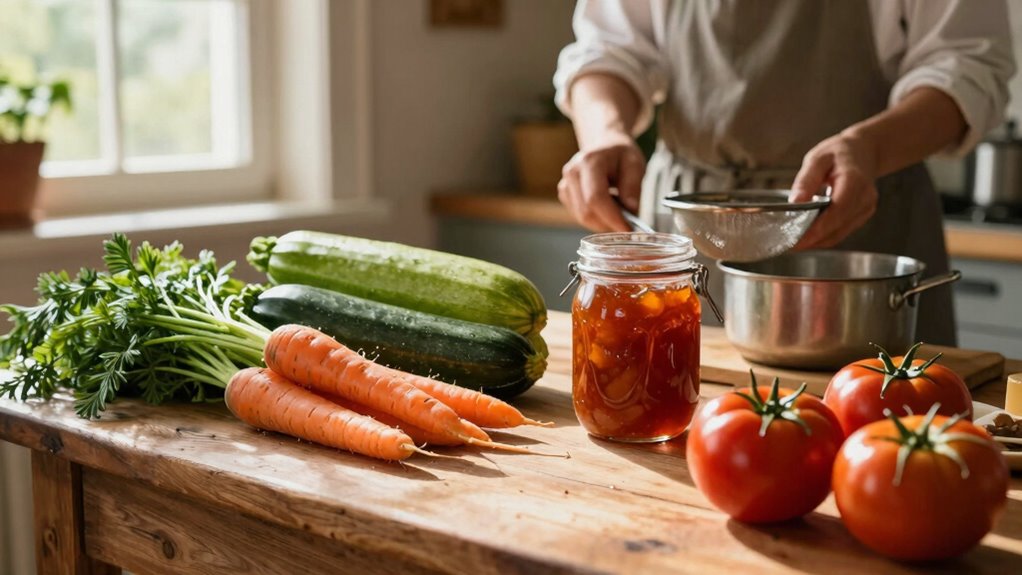

To preserve food well, you need to harvest at the right time to guarantee peak ripeness, flavor, and nutrition. Proper handling right after harvest prevents damage, pests, and spoilage, setting a strong foundation for preservation methods like freezing or canning. Choosing healthy plants and managing pests also protect against contamination. By paying attention to these steps, you help maintain quality and extend shelf life. Keep exploring, and you’ll discover more ways to maximize your food’s preservation and enjoyment.

Get garden gear delivered free — and shop member deals
- Fast, free delivery on millions of items
- Access to Prime Big Deal Days deals on October 6–7
- Prime Video, Amazon Music and more included
Key Takeaways
- Proper harvesting at peak ripeness ensures maximum flavor, nutrients, and suitability for preservation methods.
- Effective post-harvest handling prevents damage and microbial contamination, maintaining food quality for storage.
- Selecting healthy, resilient plants through good seed choices reduces spoilage and enhances preservation outcomes.
- Implementing pest control during harvesting minimizes contamination and extends shelf life of preserved produce.
- Coordinating optimal harvesting timing with preservation techniques preserves texture, flavor, and nutritional value.
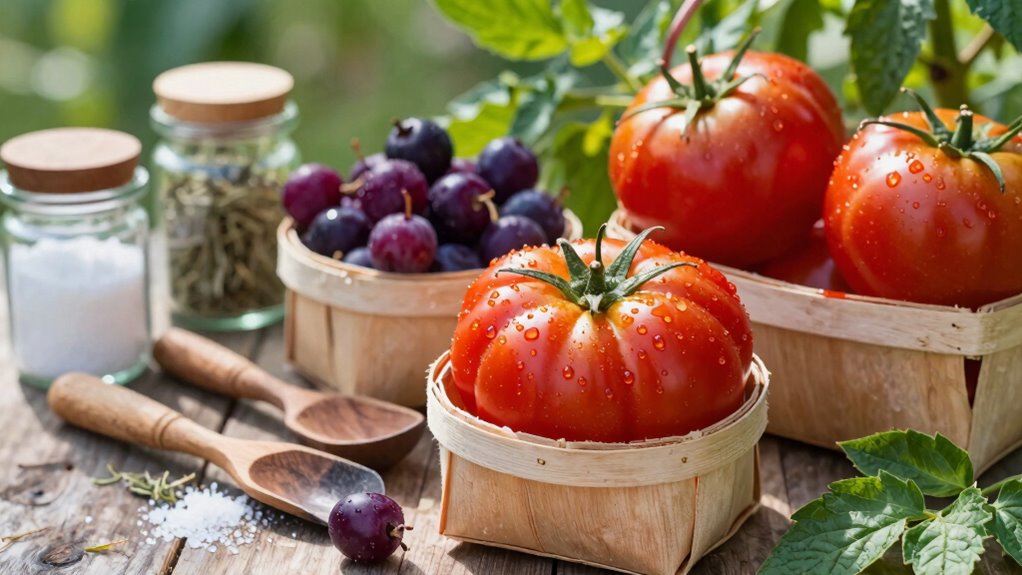
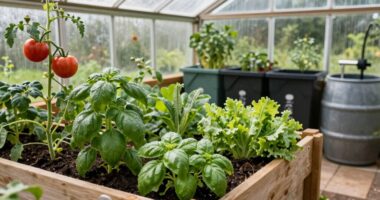
Harvesting food at its peak ripeness is essential to guarantee the best flavor and nutrition, but it’s only the first step in a successful food preservation process. Once you’ve picked your fruits and vegetables at their prime, you need to focus on how you handle them afterward to maintain their quality. Proper seed selection in your garden plays a crucial role, as choosing the right varieties ensures healthier plants that produce robust, flavorful produce. Healthy plants are less prone to disease and pests, which reduces the need for chemical interventions and creates a cleaner, safer harvest for preservation.
Choosing the right seeds leads to healthier plants and better-quality harvests for preservation.
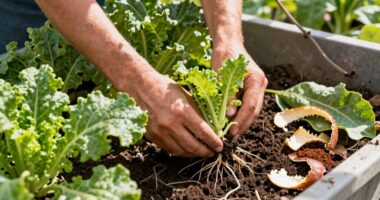
After harvest, pest control becomes a top priority. Pests can quickly damage or spoil your food if left unchecked, compromising your efforts to preserve quality. Implementing integrated pest management strategies—such as using natural repellents, crop rotation, or physical barriers—helps you protect your bounty without relying heavily on chemicals. Keeping pests at bay right after harvest minimizes the risk of contamination, rot, or infestation during storage. It’s vital to inspect your produce thoroughly, removing any damaged or infected items, since compromised food can jeopardize the entire batch’s safety and longevity. Additionally, understanding pest management techniques can significantly improve your ability to safeguard your harvest effectively.
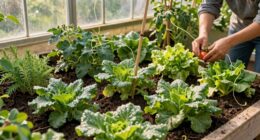
Timing your harvest properly also ties into pest control. If you pick produce too early, it may not develop enough flavor or nutrients, and pests might have more opportunity to cause damage. Conversely, harvesting too late can lead to overripe food that’s more vulnerable to spoilage. When you harvest at the right moment, you reduce the window for pests to attack and improve the shelf life of your food. This careful timing, combined with good seed selection from the start, ensures your garden produces resilient crops that are easier to preserve. Proper seed selection not only influences plant health but also impacts the overall quality and shelf life of your harvest. Recognizing the importance of plant resilience can help you choose varieties better suited to withstand pests and environmental stresses.
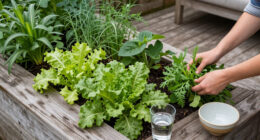
Once your food is harvested, your preservation methods—whether freezing, canning, drying, or fermenting—depend heavily on the quality of the initial produce. Proper seed selection ensures that your plants grow strong and produce high-quality food, which in turn makes preservation more effective and less labor-intensive. Pest control during and after harvest keeps your food safe and prevents microbial growth or decay. The use of appropriate preservation techniques can help extend the shelf life and maintain the nutrients of your harvest. When you combine these steps, you set a solid foundation for preserving your harvest successfully, maintaining its flavor, texture, and nutritional value for months or even years to come.
In essence, the link between harvesting and preservation is clear: good seed choices lead to healthier plants, and effective pest control preserves that quality right from the start. When you pay attention to these details, your efforts in harvesting food at its peak ripeness become a crucial part of a seamless, efficient preservation process.
As an affiliate, we earn on qualifying purchases.
Frequently Asked Questions
How Do Climate Changes Affect Harvest Timing and Preservation Methods?
Climate changes shift harvest timing and impact preservation methods. You need to adapt through climate adaptation strategies, adjusting harvest schedules based on earlier or unpredictable weather patterns. Accurate weather forecasting becomes essential, helping you plan ideal harvest times and preserve food effectively. These changes may require adopting new preservation techniques to combat increased spoilage risks or altered crop ripening, ensuring your food stays fresh and safe despite the evolving climate.
What Are Unconventional Preservation Techniques Used Worldwide?
Did you know that fermentation techniques have been used for thousands of years across cultures? You can try fermenting vegetables or brewing traditional drinks. Solar drying is another unconventional method; it uses sunlight to preserve fruits, herbs, or fish without electricity. Both techniques are sustainable, cost-effective, and add unique flavors, helping you extend food shelf life naturally while honoring diverse preservation traditions worldwide.
How Can Small-Scale Farmers Optimize Harvest to Reduce Waste?
You can enhance your harvest by focusing on proper post-harvest handling and effective storage techniques. Handle produce gently to prevent damage, and harvest at ideal maturity. Use clean, appropriate containers to reduce spoilage. Implement cooling methods like shade or refrigeration when possible. Properly drying or curing crops extends their shelf life. Regularly inspect stored items, removing spoiled produce promptly to prevent contamination, ensuring minimal waste and maximum preservation.
What Tools Are Essential for Efficient Harvesting and Preservation?
You’ll want essential tools like traditional drying racks to gently remove excess moisture, ensuring quality preservation. Cold storage units are invaluable for maintaining ideal freshness and extending shelf life. Invest in sharp harvest knives and delicate handling equipment to reduce damage during collection. These tools streamline your process, helping you preserve crops effectively and minimize waste, ensuring your harvest remains viable and nutritious for longer periods.
How Does Harvest Season Variability Impact Food Storage Longevity?
Harvest season variability directly affects food storage longevity by influencing the quality and timing of post-harvest handling. If you harvest during peak ripeness, your storage techniques, like proper cooling and humidity control, help extend freshness. Conversely, inconsistent harvests may lead to rushed post-harvest handling, reducing storage life. By adjusting your storage techniques based on harvest timing, you can better preserve food and minimize spoilage.
Conclusion
As you harvest your bounty, think of it as capturing sunlight in a jar, locking in freshness and flavor. Preserving is like tending a delicate garden, where patience and care nurture each fruit and vegetable’s potential. When you master these skills, your food becomes a treasure chest, bursting with life and nourishment long after the harvest moon has set. Embrace this dance with nature, and watch your pantry bloom with the fruits of your labor.
Fall Picks
fall essentials
As an affiliate, we earn on qualifying purchases.