Choosing the best apple tree pest control depends heavily on whether you prioritize organic safety or long-lasting systemic protection. My top overall pick is Trifecta Crop Control Insecticidal Soap for its broad-spectrum efficacy and organic certification, making it safe for edible crops while tackling mites and aphids. For those preferring ready-to-use convenience, Bonide Captain Jack’s Neem Oil stands out as a reliable, low-maintenance option that doubles as a fungicide. However, if you are dealing with severe infestations like apple maggots or codling moths, a systemic concentrate like BioAdvanced’s 3-in-1 formula offers deeper penetration that contact sprays cannot match. This guide breaks down the tradeoffs between contact killing, systemic uptake, and application ease to help you protect your trees effectively.

Get garden gear delivered free with Prime
- Fast, free delivery on millions of items
- Prime Video, Amazon Music and more included
- Member-only deals all year
Complete the kit


Key Takeaways
- Systemic controls like BioAdvanced penetrate leaf tissue for lasting protection but require careful timing to avoid harming pollinators during bloom.
- Ready-to-use sprays like Bonide Captain Jack’s Neem Oil offer convenience and safety for home growers but often need more frequent reapplication than concentrates.
- Horticultural oils such as Monterey are superior for overwintering pest eggs but must be applied during dormancy to avoid burning foliage.
- Neem oil serves a dual purpose as both an insecticide and fungicide, reducing the need for separate products in small backyard orchards.
- Concentrates generally offer better long-term value per acre but demand precise mixing and application equipment compared to pre-mixed bottles.
| Trifecta Crop Control Insecticidal Soap, 128 fl oz |  | Best for Broad Soft-Bodied Pest Coverage | Brand: Trifecta | Volume: 128 fluid ounces | Form: Liquid oil | VIEW LATEST PRICE | See Our Full Breakdown |
| Bonide Captain Jack’s Neem Oil, 32 oz Ready-to-Use Spray |  | Best Ready-to-Use Pick | Brand: Bonide | Liquid volume: 32 fluid ounces | Form: Ready-to-use trigger spray | VIEW LATEST PRICE | See Our Full Breakdown |
| Bonide Captain Jack’s Citrus, Fruit & Nut Orchard Spray Concentrate, 32 oz |  | Best for Mixed Fruit Gardens | Brand: Bonide | Volume: 32 fluid ounces | Form: Spray concentrate | VIEW LATEST PRICE | See Our Full Breakdown |
| BioAdvanced 3-in-1 Insect, Disease, and Mite Control Concentrate, 32 oz | 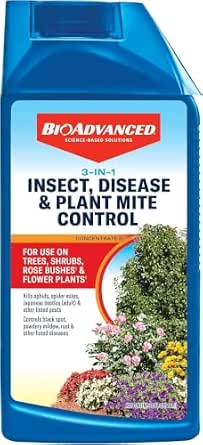 | Best for Listed Ornamental Trees | Brand: BioAdvanced | Volume: 32 fluid ounces | Form: Liquid concentrate | VIEW LATEST PRICE | See Our Full Breakdown |
| Monterey Horticultural Oil, 1 Gallon, with Measuring Spoon |  | Best for Dormant-Season Pest Management | Volume: 1 gallon | Included accessory: Measuring spoon | Application seasons: Dormant and growing seasons | VIEW LATEST PRICE | See Our Full Breakdown |
| Monterey Fruit Tree Spray Plus, 16 oz |  | Best Dual-Action Organic Solution | Brand: Monterey | Size: 16 oz | Active Ingredients: 70% neem oil and natural pyrethrins | VIEW LATEST PRICE | See Our Full Breakdown |
| Natria Neem Oil Spray for Gardening – 24 oz Bottle | 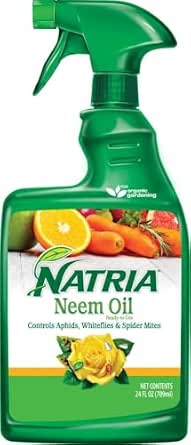 | Best for Convenience and Ease of Use | Brand: Natria | Volume: 24 fl oz | Weight: 1.5 lbs | VIEW LATEST PRICE | See Our Full Breakdown |
| Bonide Insecticidal Soap Ready-to-Use Spray, 32 oz |  | Best for Direct Contact Killing | Brand: Bonide | Volume: 32 fluid ounces | Form: Ready-to-use spray | VIEW LATEST PRICE | See Our Full Breakdown |
| Bonide Captain Jack’s Fruit Tree Spray Concentrate, 16 oz |  | Best Value for Large-Scale Application | Brand: Bonide | Size: 16 oz | Active Ingredient: Cold-pressed neem oil | VIEW LATEST PRICE | See Our Full Breakdown |
| BioAdvanced 3-in-1 Fruit, Citrus, and Nut Tree Spray, 32 oz |  | Best for Broad Spectrum Disease Control | Brand: BioAdvanced | Volume: 32 oz | Form: Liquid | VIEW LATEST PRICE | See Our Full Breakdown |
| apple tree pest control | Brand | Volume | Form |
|---|---|---|---|
| Trifecta Crop Control Insectic | Trifecta | 128 fluid ounces | Liquid oil |
| Bonide Captain Jack’s Neem Oil | Bonide | — | Ready-to-use trigger spray |
| Bonide Captain Jack’s Citrus | Bonide | 32 fluid ounces | Spray concentrate |
| BioAdvanced 3-in-1 Insect | BioAdvanced | 32 fluid ounces | Liquid concentrate |
| Monterey Horticultural Oil | — | 1 gallon | — |
| Monterey Fruit Tree Spray Plus | Monterey | — | — |
| Natria Neem Oil Spray for Gard | Natria | 24 fl oz | Ready-to-Use Spray |
| Bonide Insecticidal Soap Ready | Bonide | 32 fluid ounces | Ready-to-use spray |
| Bonide Captain Jack’s Fruit Tr | Bonide | — | — |
| BioAdvanced 3-in-1 Fruit | BioAdvanced | 32 oz | Liquid |
More Details on Our Top Picks
Trifecta Crop Control Insecticidal Soap, 128 fl oz
Trifecta Crop Control suits apple growers looking to address several soft-bodied pests with one plant-based spray. Its listed targets include aphids and spider mites, which can trouble apple foliage, and its description also mentions powdery mildew. Compared with the ready-to-use Bonide Captain Jack’s Neem Oil, this gallon format offers more liquid for repeated or larger-area applications, but it requires more care because the product is concentrated and the supplied details give no dilution or application instructions. The formula is described as biodegradable and residue-free, and is intended for edible crops; buyers should still follow the product label for apple use and harvest timing. It makes the most sense when soft-bodied pests are the priority, not when caterpillars or other chewing pests need control.
Pros:- Targets aphids, spider mites, whiteflies, and fungus gnats.
- Intended for indoor and outdoor plants, including edible crops.
- Biodegradable formula is described as leaving no residue or odor.
Cons:- Concentrated formula calls for careful preparation and application.
- Supplied product details do not state dilution or application instructions.
- The listed targets focus on soft-bodied pests rather than a broad range of apple pests.
Best for: Apple growers managing soft-bodied pests across multiple edible plants who can follow the product label for mixing and application.
Not ideal for: Beginners seeking a ready-to-spray bottle or anyone needing clear dilution directions from the supplied product information.
- Brand:Trifecta
- Volume:128 fluid ounces
- Form:Liquid oil
- Listed pest targets:Spider mites, aphids, whiteflies, and fungus gnats
- Additional listed use:Helps treat powdery mildew
- Plant use:Indoor and outdoor plants, including edible crops
- Model number:1
- Part number:WN-UOCM-ZFR9
Our verdict“Choose Trifecta when soft-bodied pests are the main concern and you want a gallon format for edible plants, provided the label supplies the directions you need.”
Bonide Captain Jack’s Neem Oil, 32 oz Ready-to-Use Spray
Bonide Captain Jack’s Neem Oil is the more approachable choice here for an apple grower who wants a ready-to-use spray rather than a concentrate to mix. The trigger bottle can treat listed pests such as aphids and spider mites, and the product also targets fungal diseases including powdery mildew. Compared with Trifecta Crop Control, it avoids the guesswork of mixing a concentrate based on the supplied description; compared with the orchard-focused Bonide concentrate, it has a simpler application format but less emphasis on orchard-scale coverage. Its neem oil is described as suitable for organic gardening and edible crops, with use up to harvest allowed according to label directions. Reapplication every 7–14 days and a strong odor are meaningful tradeoffs, so this is best for smaller, hands-on treatments rather than infrequent maintenance.
Pros:- Ready-to-use trigger bottle requires no mixing.
- Targets listed insects, mites, and fungal diseases.
- Described as suitable for organic gardening and edible crops.
- Label directions allow application up to the day of harvest.
Cons:- Requires reapplication every 7–14 days for optimal control.
- Strong odor may be off-putting.
- A 32-ounce ready-to-use bottle may be less practical for broad orchard coverage than a concentrate.
Best for: Home apple growers who prefer a trigger spray for targeted treatment of listed pests and fungal problems on edible plants.
Not ideal for: Growers treating a large orchard or those who want to avoid frequent reapplication and neem’s strong odor.
- Brand:Bonide
- Liquid volume:32 fluid ounces
- Form:Ready-to-use trigger spray
- Active ingredient:Clarified hydrophobic extract of neem oil
- Listed targets:Common pests and fungal diseases
- Item weight:2.3 pounds
- Model number:0226
- Harvest timing:Can be applied up to the day of harvest according to label directions
Our verdict“Pick this neem spray for convenient, targeted apple-tree treatments when you accept regular reapplication and its noticeable odor.”
Bonide Captain Jack’s Citrus, Fruit & Nut Orchard Spray Concentrate, 32 oz
Bonide Captain Jack’s Citrus, Fruit & Nut Orchard Spray earns its place for growers treating more than just apple trees: its listed use spans fruit, nut, citrus, vegetable, ornamental, and lawn plants. It targets insects, mites, and fungal diseases, making it broader in stated scope than Trifecta Crop Control, whose description centers on soft-bodied pests. The concentrate is mixed with water for a hose-end or tank sprayer, and the supplied yield—one pint makes up to 6.4 gallons—can suit repeated work across a mixed planting. That flexibility comes with extra preparation and a need to follow label directions closely. The active ingredient is listed only as lemon in the supplied data, which leaves less clarity than the named neem extract in Bonide Captain Jack’s Neem Oil. Check that apples and the specific target are on the label.
Pros:- Targets insects, mites, and fungal diseases.
- Listed for a wide range of fruit, nut, citrus, vegetable, ornamental, and lawn plants.
- One pint makes up to 6.4 gallons of finished spray.
- Can be used up to the day before harvest according to label directions.
Cons:- Requires dilution and a hose-end or tank sprayer.
- Supplied data lists lemon as the active ingredient without further detail.
- Apple use and target pests need to be confirmed against the product label.
Best for: Home orchard owners treating apples alongside other listed fruit, nut, citrus, or garden plants with a tank or hose-end sprayer.
Not ideal for: People who want a ready-to-use bottle, do not own a sprayer, or need clearer active-ingredient detail from the supplied listing.
- Brand:Bonide
- Volume:32 fluid ounces
- Form:Spray concentrate
- Listed targets:Insects, mites, and fungal diseases
- Dilution yield:One pint makes up to 6.4 gallons of finished spray
- Application:Mix with water; use a hose-end or tank sprayer
- Harvest interval:Can be used up to the day before harvest according to label directions
- Active ingredient listed:Lemon
Our verdict“Choose this concentrate for a mixed home orchard when you want broad listed coverage and are comfortable mixing and spraying to the label.”
BioAdvanced 3-in-1 Insect, Disease, and Mite Control Concentrate, 32 oz
BioAdvanced 3-in-1 Concentrate combines insect, disease, and mite control in one mix, with listed examples including aphids, Japanese beetles, whiteflies, black spot, and powdery mildew. That gives it a different role from the fruit-focused Bonide Captain Jack’s Citrus, Fruit & Nut Orchard Spray: BioAdvanced is described for trees, shrubs, flowers, and other listed ornamentals, while the Bonide product explicitly names fruit plants. For apple-tree pest control, that distinction matters. The supplied description does not establish that apples or edible crops are approved, so buyers should verify the label before considering it for an apple tree. Its concentrate needs mixing, use is limited to listed plants and targets, and it is not for sale in New York. Up to 14 days of protection may reduce repeat work where the label permits use.
Pros:- Combines insect, disease, and mite control in one concentrate.
- Targets listed pests including aphids, Japanese beetles, and whiteflies.
- Controls listed diseases including black spot and powdery mildew.
- Provides protection for up to 14 days on permitted plants.
Cons:- Supplied description is for ornamentals and does not establish apple or edible-crop use.
- Must be mixed with water before application.
- Use is limited to listed plants, pests, and diseases; not for sale in New York.
Best for: Gardeners treating listed ornamental trees and shrubs for a mix of insect, mite, and disease problems.
Not ideal for: Apple growers seeking a product explicitly listed for edible fruit trees, or buyers in New York.
- Brand:BioAdvanced
- Volume:32 fluid ounces
- Form:Liquid concentrate
- Active ingredients:0.0134% bifenthrin; 0.0124% myclobutanil
- EPA registration number:92564-83
- Protection duration:Up to 14 days
- Listed plant types:Roses, flowers, trees, shrubs, and other listed ornamentals
- Availability restriction:Not for sale in New York
Our verdict“Consider BioAdvanced for listed ornamental trees, but choose a fruit-tree-labeled option such as Bonide Orchard Spray when treating apples.”
Monterey Horticultural Oil, 1 Gallon, with Measuring Spoon
Monterey Horticultural Oil stands out for apple growers planning treatments across dormant and growing seasons. Its listed targets include insect eggs, aphids, scales, and mites, giving it a useful role where overwintering pests or several common garden pests are the concern. Compared with the ready-to-use Bonide Captain Jack’s Neem Oil, Monterey comes as a gallon concentrate that must be mixed and applied with a sprayer; that asks more preparation but suits broader coverage. It is OMRI Listed for Organic Gardening, though the supplied data does not establish a specific apple label claim or harvest interval. Monterey also states poor control for caterpillars and worms, so it is a poor fit for chewing-pest problems. Thorough coverage on both sides of leaves is part of the application burden.
Pros:- Targets a range of listed pests, including insect eggs.
- Can be used during dormant and growing seasons.
- OMRI Listed for Organic Gardening.
- Gallon format and included measuring spoon support mixing for broader treatment work.
Cons:- Provides poor control for caterpillars and worms.
- Requires mixing and a pump-up or trigger sprayer.
- Needs thorough coverage on both sides of leaves.
Best for: Organic gardeners with apple and other trees who want a mixable oil for listed pests and insect eggs across dormant and growing seasons.
Not ideal for: Growers dealing mainly with caterpillars or worms, or anyone without a sprayer who wants a ready-to-use treatment.
- Volume:1 gallon
- Included accessory:Measuring spoon
- Application seasons:Dormant and growing seasons
- Application method:Mix with water; apply using a pump-up or trigger sprayer
- Organic certification:OMRI Listed for Organic Gardening
- Listed pests:Aphids, leaf miners, thrips, leafhoppers, spider mites, scales, whiteflies, mealybugs, and insect eggs
- Pest limitation:Poor control for caterpillars and worms
Our verdict“Choose Monterey for planned oil treatments against listed pests and eggs across seasons, but look elsewhere for caterpillar or worm control.”
Monterey Fruit Tree Spray Plus, 16 oz
This product stands out for its 70% neem oil concentration, a significantly higher potency than typical ready-to-use sprays like the Natria Neem Oil Spray. The addition of natural pyrethrins allows it to kill adult pests on contact, while the neem oil disrupts growth at the egg and larval stages. This dual mechanism makes it highly effective against stubborn infestations that resist single-mode products. However, the high oil content means it can be harsher on delicate blossoms if applied during peak bloom. It is a concentrate, requiring more effort to mix than the Bonide Insecticidal Soap, but offers broader spectrum control for serious organic growers dealing with both insects and mites simultaneously.
Pros:- High 70% neem oil concentration for potent pest disruption
- Combines contact killing (pyrethrins) with growth regulation (neem)
- Effective against insects, mites, and fungal issues in one application
- OMRI Listed for certified organic gardening
Cons:- Requires mixing and precise dosing compared to ready-to-use options
- High oil content can damage sensitive blooms if misapplied
- Smaller 16 oz bottle may require frequent repurchasing for large trees
Best for: Organic orchardists dealing with severe mite or insect infestations who need a potent, multi-stage killer.
Not ideal for: Beginners or those with delicate flowering trees, as the high oil concentration requires careful timing to avoid phytotoxicity.
- Brand:Monterey
- Size:16 oz
- Active Ingredients:70% neem oil and natural pyrethrins
- Product Form:Oil Concentrate
- Uses:Insecticide, miticide, and fungicide
- Organic Certification:OMRI Listed
- UPC:022179107588
Our verdict“Choose this if you need maximum organic potency to break the life cycle of persistent pests, and don’t mind mixing your own spray.”
Natria Neem Oil Spray for Gardening – 24 oz Bottle
For those prioritizing speed over potency, this ready-to-use trigger spray is ideal. Unlike the Monterey Fruit Tree Spray Plus, which requires measuring and mixing, Natria comes pre-diluted with a lower 0.9% neem concentration. This makes it safer for frequent use on young leaves and flowers, reducing the risk of burn. While it lacks the immediate knockdown power of pyrethrin-based products like the Bonide Captain Jack’s Fruit Tree Spray, it serves as an excellent preventative barrier against aphids and mildew. The trade-off is that it may need more frequent applications during heavy pressure, as the lower concentration acts more as a deterrent than a lethal force.
Pros:- No mixing required; simply pick up and spray
- Safe for use on edible crops up to the day of harvest
- Lower concentration reduces risk of leaf burn on sensitive growth
- Effective against common soft-bodied pests like aphids and mites
Cons:- Low 0.9% active ingredient level limits effectiveness on heavy infestations
- Requires thorough coverage for success, which is labor-intensive
- Smaller volume may not cover multiple large trees efficiently
Best for: Home gardeners with small apple trees who want a simple, no-mix solution for routine pest prevention.
Not ideal for: Owners of large orchards or those fighting established, severe infestations, as the low concentration may be insufficient.
- Brand:Natria
- Volume:24 fl oz
- Weight:1.5 lbs
- Active Ingredient:Clarified Hydrophobic Extract of Neem Oil 0.9%
- Form:Ready-to-Use Spray
- Manufacturer:SBM Life Science
- EPA Registration Number:70051-13-92564
Our verdict“This is the best choice for casual gardeners who value convenience and safety over aggressive pest eradication.”
Bonide Insecticidal Soap Ready-to-Use Spray, 32 oz
This product operates on a completely different mechanism than the Natria Neem Oil Spray. Instead of disrupting hormones or smothering, the potassium salts of fatty acids break down the insect’s outer shell, killing on contact. This makes it exceptionally fast-acting against visible pests like caterpillars and aphids. However, because it has no residual effect, it only kills what it touches. Unlike the Monterey Fruit Tree Spray Plus, which offers long-term growth disruption, this soap requires you to spot-treat every single pest. It is the most gentle on the environment and plants, but demands the most vigilance to ensure you do not miss hidden insects under leaves or in bark crevices.
Pros:- Kills pests on contact by disrupting cell membranes
- No residue left on fruit or leaves after drying
- Safe for pollinators once dry, unlike many broad-spectrum options
- Ready-to-use format eliminates mixing errors
Cons:- No residual control; must hit pests directly to work
- Ineffective against pests with hard shells or hidden life stages
- Can cause leaf scorch if applied in direct sunlight or high heat
Best for: Growers who prefer a non-oil, non-toxic approach and can commit to thorough, direct application on visible pests.
Not ideal for: Those dealing with hidden borers or mites deep in the canopy, as the soap lacks residual activity to reach them.
- Brand:Bonide
- Volume:32 fluid ounces
- Form:Ready-to-use spray
- Active Ingredient:Potassium salts of fatty acids
- Item Weight:2 pounds
- Use Case:Indoor and outdoor insect control
Our verdict“Select this if you want immediate results against soft-bodied insects and are willing to spray directly onto pests.”
Bonide Captain Jack’s Fruit Tree Spray Concentrate, 16 oz
While the Monterey Fruit Tree Spray Plus offers higher potency per ounce, this concentrate wins on sheer volume and versatility. One 16 oz bottle makes up to 20 gallons of spray, making it far more economical for multiple trees than the ready-to-use bottles of Natria or Bonide Soap. The cold-pressed neem oil is effective against a wider range of issues, including nematodes, which other products here ignore. However, it requires strict adherence to mixing ratios. If you have a sprawling backyard orchard, the cost-per-application here is unmatched, but the effort to mix large batches and the need for repeat applications every 10–14 days can be demanding for casual users.
Pros:- Extremely high coverage; one bottle makes up to 20 gallons
- Controls insects, mites, fungi, and nematodes
- Cold-pressed neem oil retains more active compounds than processed versions
- Approved for organic gardening
Cons:- Requires careful mixing and calibration of sprayer
- Needs repeat applications every 10–14 days for continuous control
- Bulkier storage requirement compared to smaller concentrates
Best for: Homeowners with multiple fruit trees or large gardens who need a cost-effective, broad-spectrum organic solution.
Not ideal for: People with a single small tree, as mixing and storing 20 gallons of solution is unnecessary and cumbersome.
- Brand:Bonide
- Size:16 oz
- Active Ingredient:Cold-pressed neem oil
- Coverage:Makes up to 20 gallons of spray or drench
- Application Method:Foliar spray or soil drench
- Primary Use:Fungicide, insecticide, miticide, and nematicide
- Organic Status:Approved
- Model Number:2002
- UPC:037321020028
Our verdict“This is the most cost-effective choice for serious gardeners managing multiple trees who don’t mind the extra work of mixing.”
BioAdvanced 3-in-1 Fruit, Citrus, and Nut Tree Spray, 32 oz
This product is distinct because it is not limited to organic-only solutions. While the Bonide Captain Jack’s and Monterey products rely on neem, this BioAdvanced formula uses synthetic active ingredients to deliver stronger, longer-lasting protection against fungal diseases like black spot and rust, which neem struggles to cure once established. It offers a convenient 3-in-1 solution for insects, mites, and diseases. However, it is not OMRI listed, meaning it cannot be used in certified organic orchards. For conventional growers, it provides a more reliable shield against complex fungal outbreaks than the organic alternatives, though it requires strict adherence to the pre-harvest interval of one day.
Pros:- Effective against tough fungal diseases like rust and black spot
- Combines insect, mite, and disease control in one easy spray
- Ready-to-use format saves time and reduces mixing errors
- Strong residual activity reduces the frequency of reapplication
Cons:- Not approved for organic gardening (synthetic ingredients)
- Must be applied at least one day before harvest
- Limited to the specific pests and diseases listed on the label
Best for: Conventional gardeners dealing with persistent fungal diseases like black spot who want a powerful, all-in-one spray.
Not ideal for: Certified organic farmers or those who strictly avoid synthetic pesticides, as this product is not OMRI listed.
- Brand:BioAdvanced
- Volume:32 oz
- Form:Liquid
- Target Species:Insects, Mites, and Plant Diseases
- Item Weight:2.2 pounds
- EPA Registration Number:67702-17-92564
- Model Number:820164B
Our verdict“Choose this if you are fighting stubborn fungal issues and prefer a powerful, conventional spray over organic neem-based options.”

How We Picked
To determine the best apple tree pest control options, I evaluated products based on spectrum of control, application method, and impact on beneficial insects. Products were ranked higher if they offered multi-purpose utility (e.g., controlling both insects and fungal diseases) or specific efficacy against common apple pests like aphids, mites, and caterpillars. I also prioritized clarity of instructions and safety profiles, distinguishing between products safe for edible fruit at various growth stages and those requiring strict pre-harvest intervals.
The ranking logic favors versatility for home growers who cannot manage multiple specialized sprays. While professional-grade concentrates scored high on potency, they were penalized if they lacked clear guidance for non-commercial users. This balance ensures the list serves both novice gardeners seeking simple solutions and experienced growers needing robust, high-volume options.
| apple tree pest control | Brand | Form |
|---|---|---|
| Trifecta Crop Control Insectic | Trifecta | Liquid oil |
| Bonide Captain Jack’s Neem Oil | Bonide | Ready-to-use trigger spray |
| Bonide Captain Jack’s Citrus | Bonide | Spray concentrate |
| BioAdvanced 3-in-1 Insect | BioAdvanced | Liquid concentrate |
| Monterey Horticultural Oil | — | — |
| Monterey Fruit Tree Spray Plus | Monterey | — |
| Natria Neem Oil Spray for Gard | Natria | Ready-to-Use Spray |
| Bonide Insecticidal Soap Ready | Bonide | Ready-to-use spray |
| Bonide Captain Jack’s Fruit Tr | Bonide | — |
| BioAdvanced 3-in-1 Fruit | BioAdvanced | Liquid |
Factors to Consider When Choosing Best Apple Tree Pest Control
Selecting the right pest control for apple trees requires understanding the life cycles of your specific pests and the health status of your trees. Here are the critical factors to weigh before purchasing.Systemic vs. Contact Action
The fundamental difference between product types lies in how they interact with the tree. Systemic insecticides are absorbed by the leaves or roots and kill pests when they feed on the plant tissue. This provides longer residual control, often lasting weeks, which is ideal for persistent pests like apple maggots. In contrast, contact sprays like insecticidal soaps and neem oil only kill pests on direct contact. While contact sprays are generally safer for beneficial insects and easier to use, they require thorough coverage of the entire tree, including the undersides of leaves, and often need reapplication after rain. Choose systemic options for severe infestations and contact sprays for preventative maintenance or organic gardening.
Pollinator Safety and Timing
Apple trees rely on bees for fruit set, making pollinator safety a primary concern. Many potent insecticides are toxic to bees if sprayed while the tree is in bloom. Neem oil and horticultural oils are generally safer for pollinators once dry, whereas synthetic pyrethroids or certain systemic chemicals can remain toxic to bees for days. Always check the label for the pre-harvest interval (PHI) and bee safety warnings. If you have a small backyard tree, applying treatments during dormancy or after petal fall minimizes risk to pollinators while still managing overwintering pests.
Disease Control Integration
Apple trees are prone to fungal issues like apple scab, powdery mildew, and fire blight, which often accompany insect damage. Many modern products, such as BioAdvanced 3-in-1 or Monterey Fruit Tree Spray Plus, combine insecticides with fungicides. This dual-action approach reduces the number of sprays needed per season, saving time and reducing chemical load. However, if your primary issue is only insects, a dedicated insecticide might be more cost-effective. Assess your tree’s history: if you’ve struggled with scab in humid climates, a combined product is a smarter investment than treating insects and diseases separately.
Application Method and Equipment
Consider what equipment you already own. Ready-to-use (RTU) sprays come in bottles with attached wands, perfect for small, single trees and beginners who lack specialized gear. Concentrates require a pump sprayer or hose-end applicator and precise dilution ratios. While concentrates are cheaper per application, the risk of improper mixing can lead to phytotoxicity (plant damage) or ineffective control. For large orchards or multiple trees, concentrates are the only practical choice, but for one or two backyard trees, the convenience of RTU often outweighs the cost savings of mixing.
Organic Certification and Edible Safety
Since apples are eaten skin-on, the safety of the residue is paramount. Look for products with OMRI Listed status if you desire certified organic practices. Neem oil, insecticidal soaps, and horticultural oils are typically OMRI-listed and have zero or very short pre-harvest intervals, allowing you to spray up until shortly before picking. Synthetic options like Captain Jack’s often require waiting 7-14 days before harvesting. If you are growing food for children or sensitive individuals, sticking to certified organic options provides peace of mind, even if they require more frequent applications.
Frequently Asked Questions
Can I use neem oil and insecticidal soap together?
It is generally not recommended to mix neem oil and insecticidal soap in the same tank without manufacturer verification, as the emulsifiers in soaps can sometimes destabilize neem formulations. However, you can apply them sequentially with a few days between applications. Neem oil works best as a preventative and fungicide, while soap is better for immediate knockdown of soft-bodied pests. If you must use both, test a small branch first to ensure no leaf burn occurs, and always apply in the early morning or late evening to avoid sunscald.
When is the best time to apply horticultural oil to apple trees?
Horticultural oil is most effective when applied during the dormant season (late winter or early spring) before buds break. This targets overwintering eggs of mites, aphids, and scale insects. Applying it during active growth can cause leaf burn, especially if temperatures exceed 85°F (29°C) or if rain is expected within 24 hours. Some lighter oils labeled for summer use can be applied during the growing season to control soft-bodied pests, but you must strictly follow the label instructions regarding temperature and humidity to prevent damage to the foliage.
Do systemic insecticides harm earthworms or soil health?
Most apple tree systemic insecticides are applied as foliar sprays, meaning they are absorbed through the leaves rather than the roots. This method minimizes impact on soil organisms like earthworms compared to soil-drench treatments. However, fallen leaves containing residues can introduce small amounts of chemicals into the soil. To mitigate this, avoid using systemic products if you compost your fallen leaves for vegetable gardens. For backyard trees, the localized application on the tree canopy poses minimal risk to the broader soil ecosystem when used according to label rates.
How do I know if my apple tree has spider mites or aphids?
Aphids are visible, soft-bodied insects that cluster on new growth and leaf undersides, often leaving sticky honeydew and causing curled leaves. Spider mites are tiny and hard to see, but they leave fine webbing on leaf undersides and cause stippling (tiny yellow or white dots) on leaves. If you see sticky residue but no large insects, mites are likely the culprit. Insecticidal soaps and horticultural oils are effective against both, but mites often require repeated applications because their eggs are resistant to contact sprays. Monitoring with a hand lens helps confirm the pest type.
Is Captain Jack’s Neem Oil safe for organic apple production?
Bonide Captain Jack’s Neem Oil is generally considered acceptable for organic gardening, but you should verify the current OMRI listing status on the specific bottle you purchase, as formulations can change. It acts as a repellent and disrupts the life cycle of pests rather than killing them instantly. Because it breaks down quickly in sunlight, it must be reapplied every 7-14 days or after rain. For certified organic producers, maintaining documentation of the product’s OMRI status is required for compliance, so always check the label for the OMRI seal before application.
Conclusion
Selecting the best apple tree pest control comes down to matching the product’s mechanism to your specific pest pressure and management style. For the majority of home growers, Trifecta Crop Control offers the best balance of organic safety and broad-spectrum efficacy, making it my top recommendation for overall health. If you prefer a hassle-free setup, Bonide Captain Jack’s Neem Oil is the ideal choice for beginners who want a single bottle to handle insects and mild fungal issues. For those facing severe, recurring infestations who need long-lasting results, BioAdvanced 3-in-1 provides the systemic power necessary to protect the tree from the inside out, provided you respect the pre-harvest intervals. Ultimately, consistency in application and timing are more important than the brand itself; choose the option you can apply reliably throughout the growing season.