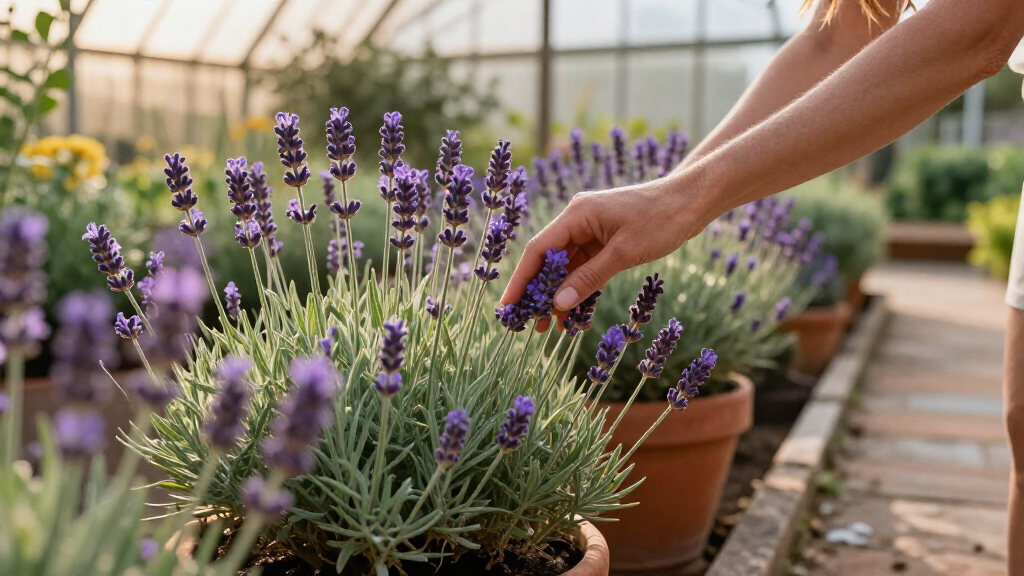
For most gardens, Hidcote Blue English Lavender is my best overall pick: it offers a compact English lavender form in a four-plant set, so it can make a more immediate border than seeds or a single starter. Phenomenal Lavender is a standout for gardeners seeking two established plants, while SVI English Lavender Seeds suit those willing to trade quick results for a larger planting project. The main choice is between buying live plants for a faster start, selecting a variety for your climate and space, or raising lavender from seed with more patience. Plant counts and pot sizes also affect how quickly a purchase can fill a bed. Read on for how these options compare and which makes the most sense for your garden.

Get garden gear delivered free — and shop member deals
- Fast, free delivery on millions of items
- Access to Prime Big Deal Days deals on October 6–7
- Prime Video, Amazon Music and more included
Complete the kit


Key Takeaways
- Hidcote Blue English Lavender leads the lineup for a balanced start: four live plants offer more border coverage than a single pot, without the wait involved in seed options.
- Two Phenomenal Lavender Plants are a better fit for buyers who want a pair of live plants and prioritize that named variety over getting four smaller pots.
- Seed packets such as SVI English Lavender and Home Grown English Lavender ‘Vera’ offer a different kind of value: they can support a larger growing project, but require time and successful germination before the garden fills in.
- The French lavender sets provide variety-specific live plants, while English lavender options dominate the lineup; match the type to your climate and growing conditions instead of choosing by flower color alone.
- The selection includes single larger pots and multi-plant sets, so buyers should weigh immediate presence against the number of plants. Walker’s Low Catmint is a companion perennial, not lavender, and belongs in a mixed planting rather than a lavender-only shortlist.
| Walker’s Low Catmint Perennial, Quart |  | Best for Long Summer Color | Plant type: Catmint perennial | Pot size: Quart | Flower color: Lavender-blue | VIEW LATEST PRICE | See Our Full Breakdown |
| Hidcote Blue English Lavender Live Plants, 4-Pack, 4-Inch Pots |  | Best Overall | Plant variety: Lavandula angustifolia ‘Hidcote Blue’ | Quantity: 4 live plants | Pot size: 4 inches | VIEW LATEST PRICE | See Our Full Breakdown |
| Two Phenomenal Lavender Plants, 4–8 Inches Tall |  | Best for Broad Hardiness Range | Plant variety: Phenomenal lavender | Quantity: 2 plants | Current height: 4–8 inches | VIEW LATEST PRICE | See Our Full Breakdown |
| Lavender Herb Plants, 6-Pack |  | Best for Multi-Use Herb Gardens | Quantity: 6 plants | Plant type: Perennial herb | Foliage: Silvery | VIEW LATEST PRICE | See Our Full Breakdown |
| SVI English Lavender Seeds for Planting, 1,500 Seeds |  | Best for Seed-Growing Gardeners | Seed count: 1,500 | Plant type: English lavender (Lavandula angustifolia), perennial | Expected plant height: 20–24 inches | VIEW LATEST PRICE | See Our Full Breakdown |
| Lavender Flower Seeds, 1/4 Ounce, 7,000 Seeds (Lavandula angustifolia) |  | Best for Large Seeded Areas | Plant: Lavender (Lavandula angustifolia) | Seed quantity: Over 7,000 | Packet size: 1/4 ounce | VIEW LATEST PRICE | See Our Full Breakdown |
| Set of 4 French Lavender Provence Live Plants, Quart Pots |  | Best for Ready-Made Garden Groupings | Plant count: 4 | Pot size: Quart | Flower color: Purple | VIEW LATEST PRICE | See Our Full Breakdown |
| Clovers Garden French Lavender Live Plants, 2-Pack, 4–8 Inches Tall in 4-Inch Pots |  | Best for Low-Water Containers | Quantity: 2 live plants | Plant height: 4–8 inches | Pot size: 4 inches | VIEW LATEST PRICE | See Our Full Breakdown |
| Lavender Live Plants, 2-Pack, Purple Blooms, 1-Quart Pots |  | Best for Defined Garden Borders | Plant type: Live perennial | Pack size: 2 plants | Pot size: 1 quart | VIEW LATEST PRICE | See Our Full Breakdown |
| Fragrant Lavender Plant, 5-Inch Pot |  | Best Single Plant for Small Spaces | Plant type: Perennial | Pot size: 5 inches | Color: Purple | VIEW LATEST PRICE | See Our Full Breakdown |
| Live Lavender Plant in a 1-Gallon Pot |  | Best Established Plant | Pot size: 1 gallon | Plant type: Perennial | Foliage: Silvery-green | VIEW LATEST PRICE | See Our Full Breakdown |
| English Lavender Live Plant, 2–4 Inches Tall, 3-Inch Pot |  | Best for Small-Space Starters | Plant type: Perennial | Plant height: 2–4 inches | Pot size: 3 inches | VIEW LATEST PRICE | See Our Full Breakdown |
| Home Grown English Lavender ‘Vera’ Seeds, 1,500+ Seeds |  | Best for Seed Growers | Variety: English lavender ‘Vera’ (Lavandula angustifolia) | Seed quantity: 1,500+ | Usage: Indoor and outdoor | VIEW LATEST PRICE | See Our Full Breakdown |
| lavender garden plant | Plant type | Pot size | USDA hardiness zones |
|---|---|---|---|
| Walker’s Low Catmint Perennial | Catmint perennial | Quart | — |
| Hidcote Blue English Lavender | — | 4 inches | — |
| Two Phenomenal Lavender Plants | — | — | 5–11 |
| Lavender Herb Plants | Perennial herb | — | — |
| SVI English Lavender Seeds for | English lavender (Lavandula angustifolia), perennial | — | 3–9 |
| Lavender Flower Seeds | — | — | — |
| Set of 4 French Lavender Prove | — | Quart | 5–11 |
| Clovers Garden French Lavender | French lavender | 4 inches | — |
| Lavender Live Plants | Live perennial | 1 quart | 5–9 |
| Fragrant Lavender Plant | Perennial | 5 inches | 5–9 |
| Live Lavender Plant in a 1-Gal | Perennial | 1 gallon | — |
| English Lavender Live Plant | Perennial | 3 inches | 5–9 |
| Home Grown English Lavender ‘V | — | — | 4–9 |
More Details on Our Top Picks
Walker’s Low Catmint Perennial, Quart
Walker’s Low Catmint earns its place for gardeners who want lavender-blue flowers over a long stretch of summer, with fragrant gray-green leaves adding interest between blooms. Its 24–30-inch flower spikes give it a taller, looser presence than the compact Hidcote Blue English Lavender, so it suits borders where height and movement matter more than a classic lavender form. Cutting it back after its first flowering may encourage another flush, extending its display with a little seasonal upkeep. The tradeoff is that this is catmint, not true lavender: choose it for a similar color palette and garden effect, not for lavender’s specific uses in dried arrangements or cooking. It also may arrive dormant and trimmed from November through March, so a winter shipment can look less lively at first.
Pros:- Blooms from June through most of summer
- Fragrant gray-green foliage adds interest beyond the flowers
- 24–30-inch spikes bring height to borders
- Cutting back after the first flowering may encourage new blooms
Cons:- Catmint rather than true lavender, so it does not match lavender’s characteristic plant uses
- May arrive dormant and trimmed when shipped from November through March
Best for: Gardeners filling sunny borders who want tall lavender-blue flowers and fragrant foliage through much of summer
Not ideal for: Buyers seeking true lavender for culinary use, dried lavender crafts, or a compact, recognizable lavender plant
- Plant type:Catmint perennial
- Pot size:Quart
- Flower color:Lavender-blue
- Foliage:Fragrant gray-green leaves
- Flower height:24–30 inches
- Bloom period:June through most of summer
- Sunlight exposure:Full sun
- Unit count:1
Our verdict“Choose this quart-grown catmint for a taller, extended lavender-blue summer display; pick Hidcote Blue if you specifically want true lavender.”
Hidcote Blue English Lavender Live Plants, 4-Pack, 4-Inch Pots
Hidcote Blue is my strongest all-around choice for a lavender garden because this four-plant set combines a named English lavender variety with a useful compact size and fragrant, purple-blue flowers. At 12–18 inches tall, it stays shorter than the 20–24-inch English lavender grown from SVI seeds, while arriving as rooted plants rather than requiring stratification and germination. That makes it easier to plan a small border or repeat planting, though the 4-inch pots still need room and care as the plants establish. Full sun and well-drained soil are firm requirements; heavy soil or overwatering can undermine the very conditions lavender needs to thrive. Choose this set for established starts and flowers suitable for drying, but skip it if your garden stays damp or shaded.
Pros:- Four rooted plants give a head start on a grouped planting
- Compact 12–18-inch mature height fits borders and smaller gardens
- Fragrant purple-blue flowers can be used in dried arrangements and crafts
- Drought tolerant once established and reported as deer and rabbit resistant
Cons:- Needs full sun and well-drained soil to perform well
- Sensitive to overwatering and heavy soils
- Smaller 4-inch pots need establishment care after planting
Best for: Gardeners who want four rooted English lavender starts for a sunny, well-drained border or pollinator planting
Not ideal for: Gardeners with shaded beds, heavy soil, or a watering routine that keeps the root zone consistently wet
- Plant variety:Lavandula angustifolia ‘Hidcote Blue’
- Quantity:4 live plants
- Pot size:4 inches
- Mature height:12–18 inches
- Flower color:Deep purple-blue
- Bloom season:Late spring to summer
- Hardiness zones:USDA Zones 5–9
- Sun and soil:Full sun, 6+ hours; well-drained soil
Our verdict“Pick Hidcote Blue for a compact set of rooted English lavender plants, especially if you prefer ready-to-plant starts over the SVI seed-growing process.”
Two Phenomenal Lavender Plants, 4–8 Inches Tall
Phenomenal Lavender stands apart for gardeners whose climate falls outside the narrower zone range listed for Hidcote Blue: this pair is specified for USDA Zones 5–11. The plants arrive as small 4–8-inch starters, with a mature footprint of 12–24 inches tall and 12–18 inches wide, so they need time and space before they make a substantial border. Compared with the six-pack of Lavender Herb Plants, this set gives less planting coverage, but its named variety and stated hardiness range make it easier to match to a particular site. Full sun and well-drained soil remain necessary, and “indoor and outdoor” use does not remove lavender’s outdoor light needs. The plants arrive without pots and may go semi-dormant in winter.
Pros:- Specified for a broad USDA Zones 5–11 range
- Two plants can be placed in a garden bed or suitable containers
- Fragrant purple flowers and modest mature size suit borders
- Needs only light watering once established
Cons:- Small 4–8-inch starters take time to fill their mature footprint
- No pots are included
- Plants may go semi-dormant in winter
Best for: Gardeners in USDA Zones 5–11 who want two named lavender starters for a sunny bed or containers they already own
Not ideal for: Buyers who need a fuller planting immediately, want pots included, or lack a sunny, well-drained growing spot
- Plant variety:Phenomenal lavender
- Quantity:2 plants
- Current height:4–8 inches
- Mature size:12–24 inches tall × 12–18 inches wide
- Flower color:Purple
- USDA hardiness zones:5–11
- Sunlight and soil:Full sun; well-drained soil
- Pot included:No
Our verdict“Choose this pair if its Zones 5–11 range suits your garden and you can wait for small starters to grow, while the six-pack is better for broader planting coverage.”
Lavender Herb Plants, 6-Pack
Lavender Herb Plants, 6-Pack makes the most sense when the goal is a working herb garden as well as a flower border. The listing describes compact mounds with silvery foliage and fragrant purple blooms that can be harvested for sachets, dried bouquets, teas, recipes, and crafts. Six plants offer more planting coverage than the two Phenomenal Lavender starters, though this listing supplies fewer variety and size details, making it harder to predict mature spacing or climate fit. Bees and butterflies add another benefit around a sunny bed. The main constraint is familiar but non-negotiable for lavender: full sun and well-drained soil. If your priority is a specified variety, height, or hardiness range, Hidcote Blue provides more concrete planting information.
Pros:- Six plants provide more planting coverage than the two-plant Phenomenal set
- Compact mounding habit suits borders, herb gardens, and containers
- Flowers can be harvested for sachets, bouquets, teas, recipes, and crafts
- Blooms attract bees and butterflies
Cons:- Requires full sun for best performance
- Needs well-drained soil
- The supplied details do not specify variety, mature dimensions, or hardiness zones
Best for: Herb gardeners who want several compact lavender plants for harvests, pollinators, and mixed border or container planting
Not ideal for: Buyers who need a named cultivar, stated hardiness zones, or mature dimensions before choosing a planting location
- Quantity:6 plants
- Plant type:Perennial herb
- Foliage:Silvery
- Flowers:Fragrant purple blooms
- Growth habit:Compact mound
- Sun exposure:Full sun
- Soil:Well-drained
- Uses:Sachets, dried bouquets, culinary recipes, teas, and crafts
Our verdict“Pick this six-pack for a multi-use lavender herb garden, but choose Hidcote Blue if a named variety and stated mature size matter more.”
SVI English Lavender Seeds for Planting, 1,500 Seeds
SVI English Lavender Seeds suit gardeners who want to grow lavender from seed and have room in their schedule for preparation. The pack lists 1,500 heirloom, non-GMO seeds, with plants expected to reach 20–24 inches and bloom from spring through summer. That taller stated height contrasts with the compact Hidcote Blue plants, which arrive rooted and need no seed-starting stage. Here, cold stratification for a month comes before sowing, and germination is listed at 14–30 days; the steps give patient growers a large starting batch but delay the garden display. The seeds need full sun and sandy, well-drained soil, so they are a poor match for damp or shaded sites. Choose this pack for propagation, not quick color.
Pros:- Pack contains 1,500 seeds for starting a large number of plants
- Heirloom, non-GMO English lavender seed
- Expected 20–24-inch plants bring more height than compact Hidcote Blue
- Includes planting depth, spacing, and germination guidance
Cons:- Requires one month of cold stratification before sowing
- Germination is listed at 14–30 days, with further growing time before flowering
- Needs full sun and sandy, well-drained soil
Best for: Patient gardeners who enjoy starting plants from seed and want a large batch of English lavender for sunny, sandy beds
Not ideal for: Buyers seeking flowering plants soon, or those without a month for cold stratification and well-drained planting space
- Seed count:1,500
- Plant type:English lavender (Lavandula angustifolia), perennial
- Expected plant height:20–24 inches
- USDA hardiness zones:3–9
- Sunlight and soil:Full sun; sandy, well-drained soil
- Bloom period:Spring to summer
- Germination time:14–30 days
- Planting depth and spacing:1/4 inch deep; 18 inches apart
Our verdict“Choose these seeds for a large, patient growing project; opt for rooted Hidcote Blue plants if you want to skip stratification and get established starts.”
Lavender Flower Seeds, 1/4 Ounce, 7,000 Seeds (Lavandula angustifolia)
For gardeners starting a broad lavender patch from seed, this packet offers over 7,000 Lavandula angustifolia seeds and stated coverage of about 125 square feet. Its resealable pouch and planting instructions make storage and sowing more manageable, while the purple flowers can add fragrance and attract pollinators. Compared with the ready-to-plant Set of 4 French Lavender Provence Live Plants, this is a slower route that asks for more patience and care during establishment, but it lets you sow a much larger area. The seller also lists a 30-day germination guarantee. Seed starting is the main tradeoff: germination can take time and may challenge beginners, so choose a live plant set if you want a quicker, simpler start.
Pros:- Over 7,000 seeds with stated coverage of approximately 125 square feet
- Lavandula angustifolia produces fragrant purple flowers that attract pollinators
- Resealable pouch includes planting instructions
- Seller offers a 30-day germination guarantee
Cons:- Seeds may take time to sprout
- Growing lavender from seed can be challenging
- Requires more patience before flowering than the live plant sets
Best for: Gardeners with a sunny, spacious bed who want to sow lavender across a large area and are comfortable starting plants from seed.
Not ideal for: Beginners seeking quick, predictable planting or gardeners who want established plants; seeds can take time to sprout and may be challenging to grow.
- Plant:Lavender (Lavandula angustifolia)
- Seed quantity:Over 7,000
- Packet size:1/4 ounce
- Coverage:Approximately 125 square feet
- Sunlight:Full sun
- Flower color:Purple
- Packaging:Resealable pouch with planting instructions
- Germination guarantee:30 days
Our verdict“Choose this packet for broad, sunny sowing if you can accept a slower and less beginner-friendly start than the Provence live plants.”
Set of 4 French Lavender Provence Live Plants, Quart Pots
Four quart-pot plants make this set the most ready-made grouping among these picks: plant them together for a fuller display or spread them between beds and containers. Their gray-green evergreen foliage and fragrant purple flowers offer visual interest beyond bloom time, and the listing gives a long spring-to-fall bloom period. Compared with the smaller Clovers Garden French Lavender 2-Pack, this set supplies twice as many plants in larger stated pots, which better suits gardeners filling a defined space. The tradeoff is that French lavender calls for full sun and moderate watering, so it is not a hands-off choice in shade or poorly drained soil. Its listed USDA zones 5–11 are broad, but local winter conditions can still shape how well it fares.
Pros:- Four ready-to-plant lavender plants in quart pots
- Gray-green evergreen foliage and fragrant purple flowers
- Listed spring-to-fall bloom period
- Flowers can be used for cooking, sachets, and dried arrangements
Cons:- Requires full sun
- Calls for moderate watering rather than minimal moisture
- Needs loam soil according to the listing
Best for: Gardeners who want several established French lavender plants to fill sunny beds or larger containers, with flowers for crafts and cooking.
Not ideal for: Gardeners with shaded or waterlogged planting spots, or those who want a dry-soil, low-watering lavender once established.
- Plant count:4
- Pot size:Quart
- Flower color:Purple
- Foliage:Gray-green
- USDA hardiness zones:5–11
- Sunlight:Full sun
- Soil:Loam
- Watering:Moderate
- Expected bloom period:Spring to fall
Our verdict“Pick this four-plant set to establish a fuller sunny lavender grouping with larger stated pots than the Clovers Garden pair.”
Clovers Garden French Lavender Live Plants, 2-Pack, 4–8 Inches Tall in 4-Inch Pots
For a patio or small bed where established lavender can dry between waterings, this pair combines a manageable plant size with low-water care once established. The plants arrive 4–8 inches tall in 4-inch pots, and the listing describes blue-purple blooms from spring until frost. That extended bloom window distinguishes them from the Lavender Live Plants, 2-Pack in 1-Quart Pots, which are listed for late spring to summer. Clovers Garden also gives a concrete watering guide of about once weekly after establishment. The tradeoff is a milder scent than other lavender varieties, plus a need for loose, well-draining soil; excessive watering can cause trouble. It is less frost hardy than many lavender varieties, so cold-climate gardeners should weigh that against the longer stated bloom season.
Pros:- Listed blooms from spring until frost
- Drought tolerant with about weekly watering after establishment
- Compact 4–8 inch plants suit containers and smaller beds
- Blooms work in fresh or dried arrangements
Cons:- Milder scent than other lavender varieties
- Poor drainage and excess watering can harm the plants
- Less frost hardy than many lavender varieties
Best for: Patio and balcony gardeners who want compact French lavender plants, a long stated bloom season, and can provide sunny, sharply draining soil.
Not ideal for: Gardeners in harsher winter climates or buyers prioritizing a strong lavender fragrance over ornamental blooms.
- Quantity:2 live plants
- Plant height:4–8 inches
- Pot size:4 inches
- Plant type:French lavender
- Bloom period:Spring until frost
- Growing conditions:Sunny location; loose, well-draining soil
- Watering:About once weekly after establishment
- Planting options:Containers or garden beds
- Origin:Grown in the Midwest
Our verdict“Choose this pair for compact, long-blooming patio lavender if its milder scent and lower frost hardiness fit your garden.”
Lavender Live Plants, 2-Pack, Purple Blooms, 1-Quart Pots
The listed 18–24 inch mature height and spread give these two plants a useful planning scale for borders or herb beds, and their quart pots offer a larger stated starting size than the Clovers Garden pair in 4-inch pots. They produce fragrant purple blooms and attract pollinators, with low moisture needs once established. Compared with the Set of 4 French Lavender Provence Live Plants, this is a smaller grouping with a more specific late-spring-to-summer bloom period, which may suit a contained border better than a broad display. The listing calls for full sun and well-draining soil, so damp or shaded spots are a poor fit. Plant size details reportedly vary across the listing, making this option less certain for buyers planning around exact dimensions.
Pros:- Two live perennials in 1-quart pots
- Stated mature height and spread of 18–24 inches
- Fragrant purple flowers attract pollinators
- Low moisture needs once established
Cons:- Requires full sun and well-draining soil
- Listed bloom period is limited to late spring through summer
- Plant size details vary across the listing
Best for: Gardeners laying out a sunny border or herb garden who want two quart-pot perennials and a stated mature size for spacing plans.
Not ideal for: Buyers who need highly consistent size information, or gardeners without full sun and well-drained soil.
- Plant type:Live perennial
- Pack size:2 plants
- Pot size:1 quart
- Mature height:18–24 inches
- Mature spread:18–24 inches
- Sunlight:Full sun
- Soil:Well-draining
- USDA hardiness zones:5–9
- Bloom period:Late spring to summer
Our verdict“Choose this pair for a sunny border where its stated mature dimensions help with spacing, provided the listing’s size variation is acceptable.”
Fragrant Lavender Plant, 5-Inch Pot
This single 5-inch-pot plant is the simplest fit for a small border, raised bed, or container when you want lavender without committing to a multi-plant set. Its compact, fast-growing form and fragrant foliage suit a modest planting, while the listed USDA zones 5–9 match the range given for the Lavender Live Plants, 2-Pack in 1-Quart Pots. That two-plant option gives more detail about mature size and bloom timing; this listing instead leaves the lavender variety and specific care details less defined. It calls for full sun and well-draining soil, and its moisture guidance is moderate watering even though the description says to water sparingly. That ambiguity makes it a less precise choice for gardeners who need a detailed care profile.
Pros:- Single plant suits a small planting or container
- Fragrant foliage and soft purple flowers
- Listed for USDA zones 5–9
- Can be planted in containers, raised beds, or borders
Cons:- Listing provides limited variety and care details
- Requires full sun and well-draining soil
- Watering guidance is less specific than the Clovers Garden pair’s once-weekly note
Best for: Gardeners who want one lavender plant for a container, raised bed, or small sunny border and do not need a named variety.
Not ideal for: Buyers who want a multi-plant grouping, a specified lavender variety, or precise watering and mature-size guidance.
- Plant type:Perennial
- Pot size:5 inches
- Color:Purple
- Sunlight:Full sun
- USDA hardiness zones:5–9
- Moisture needs:Moderate watering
- Usage:Outdoor
- Plant count:1
Our verdict“Pick this single plant for a compact sunny spot if you are comfortable with less variety and care information than the two-plant options provide.”
Live Lavender Plant in a 1-Gallon Pot
For gardeners who want a substantial lavender to place straight into a border or patio pot, this 1-gallon perennial has an advantage over the much smaller English Lavender Live Plant, 2–4 Inches Tall, 3-Inch Pot: it arrives more established, with fresh foliage and a compact, bushy shape. Its silvery-green leaves add structure even when flowers are out of season, and the plant suits beds, borders, containers, and pathways. It still needs full sun and well-draining soil, so heavy, persistently wet ground is a poor fit. The main tradeoff is that arrival size does not promise immediate color; it may come without flowers or buds, and bloom timing depends on maturity and conditions. Choose it for a ready-to-place plant, not a guaranteed flowering display.
Pros:- Arrives as an established plant in a 1-gallon pot
- Compact, bushy growth fits borders and containers
- Silvery-green foliage provides garden interest outside bloom time
- Can be planted in beds, pathways, or landscape settings
Cons:- May arrive without flowers or flower buds
- Blooming depends on season, maturity, and growing conditions
- Full sun and well-draining soil limit suitable planting sites
Best for: Gardeners who want an established lavender for a sunny bed or patio container and value foliage and shape while waiting for blooms
Not ideal for: Buyers seeking a flowering plant on arrival or gardeners without a sunny spot and well-draining soil
- Pot size:1 gallon
- Plant type:Perennial
- Foliage:Silvery-green
- Growth habit:Compact and bushy
- Light:Full sun
- Soil:Well-draining
- Suitable for:Garden beds, borders, containers, pathways, and landscaping
Our verdict“Choose this established 1-gallon plant for a sunny garden or patio when a settled-in shape matters more than flowers on arrival.”
English Lavender Live Plant, 2–4 Inches Tall, 3-Inch Pot
This 2–4-inch English lavender is the small-footprint live-plant option in this group. Compared with the Live Lavender Plant in a 1-Gallon Pot, it takes less room to start and can suit a gardener willing to grow a young plant on before expecting much presence in a bed or container. Its stated USDA zones 5–9 give buyers a useful hardiness range, while purple flowers are expected from late spring through summer when the plant is mature and conditions support blooming. Establishment takes attention: water regularly at first, then let the soil dry between waterings. Like the larger live plant, it needs full sun and sharply draining soil. The tradeoff for its compact starting size is patience; it is not the pick for instant border impact or an immediate mass of flowers.
Pros:- Compact 2–4-inch plant is easy to accommodate while establishing
- Purple flowers are expected from late spring through summer
- Listed for USDA hardiness zones 5–9
- Perennial English lavender suits ongoing garden planting
Cons:- Small starting size needs time to fill a bed or container
- Requires regular watering during establishment
- Needs full sun and well-draining soil
Best for: Gardeners in USDA zones 5–9 with limited planting space who are comfortable raising a small lavender plant before it fills out
Not ideal for: Buyers who want an established specimen or a prominent flowering display soon after arrival
- Plant type:Perennial
- Plant height:2–4 inches
- Pot size:3 inches
- USDA hardiness zones:5–9
- Blooming season:Late spring through summer
- Flower color:Purple
- Light:Full sun
- Soil:Well-draining
- Watering:Water regularly during establishment, then allow soil to dry between waterings
Our verdict“Pick this young English lavender if you have a sunny, well-drained spot and can give a small plant time to grow.”
Home Grown English Lavender ‘Vera’ Seeds, 1,500+ Seeds
For gardeners who want to raise lavender from seed, English lavender ‘Vera’ offers a different route from the live plants in this roundup. Its 1,500+ seeds and listed indoor and outdoor use give seed growers room to start multiple plants for containers or beds, while the expected height of about two feet offers a scale to plan around. The stated hardiness range is USDA zones 4–9, broader than the zone range listed for the English Lavender Live Plant, 2–4 Inches Tall, 3-Inch Pot. Seeds ask more of the gardener, though: cold stratification for two to four weeks is recommended to improve germination, and they do not provide the immediate garden presence of a potted plant. Choose this packet for the growing process and culinary or aromatic uses, with patience for establishment.
Pros:- Large packet contains 1,500+ seeds for starting multiple plants
- English lavender ‘Vera’ is listed for USDA zones 4–9
- Can be grown indoors or outdoors
- Suitable for culinary and aromatic uses
Cons:- Cold stratification for 2–4 weeks is recommended to improve germination
- Seeds require more time and care before becoming garden plants
- Loam soil preference may not suit sites with poorly draining ground
Best for: Gardeners who enjoy starting plants from seed and want English lavender for indoor or outdoor containers, beds, or aromatic projects
Not ideal for: Buyers who want a ready-to-plant lavender or need a predictable, quick flowering display
- Variety:English lavender ‘Vera’ (Lavandula angustifolia)
- Seed quantity:1,500+
- Usage:Indoor and outdoor
- Expected plant height:2 feet
- Expected bloom period:Spring to fall
- USDA hardiness zones:4–9
- Soil type:Loam
- Stratification:Cold stratify for 2–4 weeks before planting
- Material feature:GMO-free
Our verdict“Choose these ‘Vera’ seeds if you want to raise lavender yourself and can wait through germination and establishment.”

How We Picked
I ranked these options by how directly they answer the request for lavender garden plants, then weighed the practical details a buyer can compare from the listings: plant type, variety, quantity, and pot or seed format. Live plants rank ahead of seeds for shoppers seeking a quicker garden start; among live plants, I favored clear variety information and sets that can establish more than one planting spot. A larger single pot may offer a more substantial starting plant, while a smaller multi-pack may cover more ground. Seeds can make sense for patient gardeners planning a broader planting, but they introduce germination and growing time.
I also considered whether each choice has a distinct garden role and whether the listing gives enough information to make that role clear. English and French lavender are judged as lavender choices, while Walker’s Low Catmint is included as a companion plant rather than a lavender substitute. The ranking reflects the likely fit for the broadest range of lavender-garden shoppers, not a claim about verified garden performance; the listings do not establish local hardiness, mature size, or growing outcomes. Buyers should check those details for their own climate before ordering.
| lavender garden plant | Plant type |
|---|---|
| Walker’s Low Catmint Perennial | Catmint perennial |
| Hidcote Blue English Lavender | — |
| Two Phenomenal Lavender Plants | — |
| Lavender Herb Plants | Perennial herb |
| SVI English Lavender Seeds for | English lavender (Lavandula angustifolia), perennial |
| Lavender Flower Seeds | — |
| Set of 4 French Lavender Prove | — |
| Clovers Garden French Lavender | French lavender |
| Lavender Live Plants | Live perennial |
| Fragrant Lavender Plant | Perennial |
| Live Lavender Plant in a 1-Gal | Perennial |
| English Lavender Live Plant | Perennial |
| Home Grown English Lavender ‘V | — |
Factors to Consider When Choosing Best Lavender Garden Plants
Choosing lavender involves more than flower color or the number printed on a listing. I would start with the garden conditions and the amount of time I can give the plants, then compare live starts and seeds based on how much coverage I actually need.
Match the lavender type to your climate
English and French lavender can differ in their tolerance of cold and wet conditions, so the variety name is a useful starting point rather than a guarantee of suitability. Check the seller’s growing notes against your winter temperatures and summer humidity before choosing a set. A plant that struggles through winter will not become a better bargain simply because the pack contains several. In regions with damp winters, drainage and air movement can matter as much as the variety. If the listing offers little climate guidance, look up the named cultivar from a reliable horticultural source before buying. This step can save the effort of replacing a whole row after one difficult season.
Choose live plants or seeds based on your timeline
Live plants are the more direct route when you want a defined planting this season, while seeds ask you to provide a growing setup and wait for seedlings to develop. Seed packets may contain many seeds, but the printed count does not tell you how many will germinate or reach planting size. First-time growers should plan for light, warmth, moisture control, and space to raise seedlings before moving them outside. If you need only a few plants, the work of starting a large packet may outweigh the extra control it gives you. Seeds make more sense when experimentation and a longer timeline are part of the appeal. Decide on your planting date before treating a seed count as garden coverage.
Estimate coverage by spacing, not pack count
A four-pack does not automatically cover twice the ground of a two-pack; mature plant width and recommended spacing determine the finished layout. Sketch the bed and mark where each plant will sit before ordering, leaving room for airflow and growth. Closely packed lavender may look fuller at first, but crowding can limit circulation and make maintenance harder. A single gallon-pot plant can anchor a small area, while several smaller starts may give a border a more even rhythm. Check whether pot dimensions refer to the container or the plant itself, since listings may present those measurements differently. If mature dimensions are missing, verify them for the named variety before planning a tight edge.
Prioritize drainage and sun before choosing a pot size
Lavender generally needs a sunny position and soil that drains freely; a larger starting plant cannot compensate for a persistently wet bed. Before buying, check whether the intended site receives several hours of direct sun and whether water drains after rain. Heavy soil may need a raised planting area or an amended site, but changes should suit local soil guidance rather than burying the plant in a rich, moisture-holding mix. Containers provide more control over drainage, though they dry out faster and need regular attention during warm weather. Gardeners with limited sun may get more reliable results from a different plant than from trying to coax lavender in shade. Site preparation is often a better use of effort than choosing the biggest pot available.
Read listing details as carefully as variety names
Plant listings can differ in whether they specify cultivar, pot size, plant height, and whether the product is sold as a live plant or seed. Those details affect what arrives and how soon it can be planted, so compare them before treating two lavender listings as equivalent. A stated height is usually a snapshot of a young plant, not a promise about mature size or bloom timing. Look for clear shipping and seasonal planting guidance, particularly if ordering during hot or cold weather. When details are missing, choose a listing that answers the questions most relevant to your plan rather than assuming the photos show the exact shipment. This also helps distinguish a plant bought for immediate garden presence from one intended as a small starter.
Pay for the format that solves your garden problem
A larger pot can be worth choosing when you want one prominent plant or have room for only a few, while a multi-pack can simplify planting a repeated border. Neither format is inherently better: mature spread and your layout decide whether one substantial start or several smaller ones are more useful. Seeds suit gardeners who enjoy raising plants and can wait, but they shift more of the growing work to the buyer. Beginners may find a small live-plant set easier to plan than hundreds or thousands of seeds. Also account for the cost of containers, soil, and time when comparing formats, even though the seed packet itself may look generous. Spend according to the level of coverage and involvement you want, not the largest quantity printed on the package.
Frequently Asked Questions
Should I buy lavender plants or start them from seed?
Choose live plants if you want a simpler path to a planted bed and can find a variety suited to your area. Seeds give you more scope to raise multiple plants, but germination and early care add uncertainty and time. A packet count is not the same as the number of healthy garden-ready plants you will get. If you are new to seed starting, try a modest portion first and keep a live plant option in mind for any gaps. Your timeline and appetite for seedling care matter more than the nominal number of seeds.
Is English or French lavender a better choice for a cold-winter garden?
The variety name can help narrow the choice, but it cannot replace checking the specific plant’s hardiness and local growing advice. English lavender is commonly selected in cooler regions, while French lavender may need more protection depending on the type and climate. Winter wetness and soil drainage can affect survival alongside low temperatures. Compare the seller’s guidance with a local extension or horticultural source before purchasing several plants. If protection is needed, a sheltered site or container that can be moved may be more practical than planting a full border.
How many lavender plants should I order for a garden border?
Start with the length and depth of the border, then use the mature width and recommended spacing for the specific variety to calculate the number of plants. Avoid using the pack count alone as a coverage estimate; small starts need room to grow, and a dense layout can reduce airflow. If dimensions are not listed, research the cultivar before placing an order. For an uncertain site, planting a smaller section first can show how the plants respond before you commit to the full border. Leave space for nearby perennials so the finished bed does not become crowded.
Can I grow lavender in a pot instead of a garden bed?
Yes, a container can work when it has drainage holes, a free-draining growing medium, and a sunny position. The tradeoff is more frequent watering checks because pots can dry quickly in warm or windy weather. Choose a container with room for the plant’s roots and avoid leaving it in a saucer of standing water. A larger plant may give a more established appearance, but pot size alone does not fix poor light or excess moisture. Check the variety’s mature size so the container can accommodate it as it grows.
Is Walker’s Low Catmint a substitute for lavender?
No. Walker’s Low is catmint, a different perennial, so it should not be counted as one of the lavender selections when planning a lavender-only bed. It can serve as a companion in a mixed planting where a similar informal, flowering garden role is useful. Choose it based on its own mature size and growing needs, not on lavender’s fragrance or variety traits. If your priority is a lavender hedge or a specific lavender harvest, select a true Lavandula plant or seed listing. Treating the catmint as a companion keeps the planting plan clear.
Conclusion
For the broadest mix of plant count and straightforward garden planning, I would choose Hidcote Blue English Lavender as the best overall option. SVI English Lavender Seeds are my best value for patient gardeners who want to raise a larger planting themselves, while the 1-gallon live lavender plant is the premium-style pick for buyers who prefer one more substantial starting plant. Beginners are better served by a clearly labeled live-plant set such as Lavender Herb Plants, 6-Pack than by a large seed packet. For a specific variety preference, choose the French lavender sets; for a companion perennial, consider Walker’s Low Catmint while remembering it is not lavender. Match the final choice to your climate, drainage, and desired timeline, and you can narrow the lineup to the format that suits your garden.
Fall yard work Picks
leaf blowers
As an affiliate, we earn on qualifying purchases.