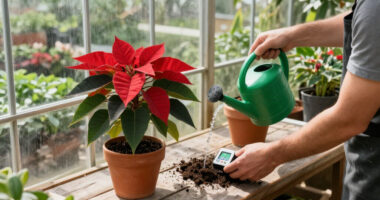
For most gardeners, Helleborus orientalis Hybrid Seeds, 100 Count are the best overall starting point: they offer a familiar garden hellebore and a useful quantity without committing to a very large packet. Mixrug Mixed Double Hellebore Seeds, 300+ Count stand out for gardeners seeking greater flower variety, while Helleborus × sternii Seeds suit buyers who want a less common species. The main tradeoffs are seed quantity, the range and predictability of blooms, and how closely a named species fits your growing conditions. Hellebore seeds can also take patience, so packet size matters only if you have room and time to raise seedlings. Read on for the full breakdown of all 14 options and how I’d match them to different gardens.

Get garden gear delivered free with Prime
- Fast, free delivery on millions of items
- Prime Video, Amazon Music and more included
- Member-only deals all year
Complete the kit


Key Takeaways
- Orientalis is the most repeated choice: several listings offer the same species in 10- and 100-seed quantities, so compare packet size and listing details rather than assuming the names indicate different garden performance.
- Mixed double packets favor variety over predictability: the Mixrug selections offer larger stated quantities, but a mixed packet is a weaker fit if you want a specific flower color or form.
- Species-specific seeds serve narrower goals: sternii, argutifolius ‘Pacific Frost,’ and purpurascens provide alternatives to common orientalis hybrids, but buyers should check that the species suits their site.
- Large counts are not automatically better value: the 1005+ seed listing may suit a spacious, patient grower, while a 10-seed packet can be a more practical trial for a small garden.
- One listing needs extra scrutiny: the “Double Climbing Hellebore” description is unusual for hellebores, so verify the botanical identity and seller information before choosing it.
| Helleborus orientalis Hybrid Seeds, 100 Count |  | Best for Winter-Blooming Color | Plant: Helleborus orientalis hybrids (Lenten rose) | Seed count: 100 | Growth habit: Evergreen perennial | VIEW LATEST PRICE | See Our Full Breakdown |
| Mixrug Mixed Double Hellebore Seeds, 300+ Count |  | Best for Mixed Double Blooms | Seed count: 300+ | Plant: Helleborus orientalis (Lenten rose) | Flower type: Double blooms | VIEW LATEST PRICE | See Our Full Breakdown |
| 10 Hellebore Seeds for Planting |  | Best for Small-Scale Trials | Plant: Hellebore | Quantity: 10 seeds | Color: Red | VIEW LATEST PRICE | See Our Full Breakdown |
| Helleborus × sternii Seeds, Stern’s Hybrid Hellebore, 10 Seeds |  | Best Compact Foliage Accent | Common name: Stern’s Hybrid Hellebore | Quantity: 10 seeds | Plant type: Evergreen perennial | VIEW LATEST PRICE | See Our Full Breakdown |
| Mixrug Double Hellebore (Lenten Rose) Seeds, 1005+ Heirloom Non-GMO Seeds |  | Best for Large-Scale Planting | Seed quantity: 1005+ | Plant: Helleborus orientalis (Lenten rose) | Bloom type: Double | VIEW LATEST PRICE | See Our Full Breakdown |
| Mixrug 300+ Mixed Double Hellebore Seeds |  | Best for a Large Double-Flower Display | Seed quantity: 300+ | Plant: Helleborus orientalis (Lenten rose) | Bloom type: Double | VIEW LATEST PRICE | See Our Full Breakdown |
| Helleborus orientalis Hybrid Seeds, 10 Count | | Best for a Small, Cold-Hardy Trial | Plant type: Perennial | Expected blooming period: Winter | Flower colors: Pink, red, rose, and white | VIEW LATEST PRICE | See Our Full Breakdown |
| Mixrug Mixed Double Lenten Rose (Helleborus orientalis) Seeds, 296+ Count |  | Best for Shade Gardeners Prioritizing Double Blooms | Seed count: 296+ | Plant: Helleborus orientalis (Lenten rose) | Flower type: Double | VIEW LATEST PRICE | See Our Full Breakdown |
| Helleborus orientalis Hybrid Seeds, 10 Count | | Best for a Compact Evergreen Border Trial | Plant type: Perennial | Common name: Lenten Rose | Flower colors: Red, pink, and white | VIEW LATEST PRICE | See Our Full Breakdown |
| Mixrug Double Climbing Hellebore Perennial Flower Seeds, 20+ Seeds |  | Best for Fragrant Containers and Borders | Brand: Mixrug | Seed count: 20+ | Plant type: Perennial hellebore | VIEW LATEST PRICE | See Our Full Breakdown |
| Helleborus argutifolius ‘Pacific Frost’ Seeds, 10 Count |  | Best for Evergreen Variegated Foliage | Seed quantity: 10 | Plant type: Perennial flower | Height: 12–18 inches | VIEW LATEST PRICE | See Our Full Breakdown |
| Helleborus purpurascens (Purple Hellebore) Seeds, 10 Count |  | Best for Purple Early-Season Blooms | Seed quantity: 10 | Plant type: Perennial | Flower color: Deep purple to burgundy with yellow stamens | VIEW LATEST PRICE | See Our Full Breakdown |
| Helleborus orientalis Hybrid Seeds, 100 Count | | Best for Color Variety in a Larger Sowing | Seed quantity: 100 | Plant species: Helleborus orientalis hybrids | Plant type: Perennial | VIEW LATEST PRICE | See Our Full Breakdown |
| 100 Mixed Helleborus Flower Seeds for Shade Gardens |  | Best for Mixed Shade-Garden Plantings | Seed quantity: 100 | Plant type: Perennial flowering plant | Flower color: Mixed | VIEW LATEST PRICE | See Our Full Breakdown |
| hellebore seed | Plant type | Seed quantity |
|---|---|---|
| Helleborus orientalis Hybrid S | — | — |
| Mixrug Mixed Double Hellebore | — | — |
| 10 Hellebore Seeds for Plantin | — | — |
| Helleborus × sternii Seeds | Evergreen perennial | — |
| Mixrug Double Hellebore | — | 1005+ |
| Mixrug 300+ Mixed Double Helle | — | 300+ |
| Helleborus orientalis Hybrid S | Perennial | — |
| Mixrug Mixed Double Lenten Ros | — | — |
| Helleborus orientalis Hybrid S | Perennial | 10 |
| Mixrug Double Climbing Hellebo | Perennial hellebore | — |
| Helleborus argutifolius ‘Pacif | Perennial flower | 10 |
| Helleborus purpurascens | Perennial | 10 |
| Helleborus orientalis Hybrid S | Perennial | 100 |
| 100 Mixed Helleborus Flower Se | Perennial flowering plant | 100 |
More Details on Our Top Picks
Helleborus orientalis Hybrid Seeds, 100 Count
This is the strongest fit for gardeners prioritizing winter flowers and a named, familiar Lenten rose type. The mix may produce red, pink, or white blooms, with evergreen growth reaching about 15 inches and hardiness to zone 4. Compared with the Mixrug mixed-double packs, this listing gives a specific Helleborus orientalis hybrid description but does not promise double flowers or the same broad color mix. Its main tradeoff is the germination schedule: seeds need a 24-hour soak followed by three temperature stages spanning 19 weeks. Add the plant’s slow growth, and this is a patient grower’s choice rather than a quick route to a filled bed.
Pros:- Hardy to climate zone 4
- Evergreen perennial habit
- Potential red, pink, or white flowers
- Winter blooming and about 15 inches tall
Cons:- Germination requires a 24-hour soak and three temperature stages
- Slow growth can delay a substantial display
- Flower color is variable rather than selectable
Best for: Gardeners in zone 4 or warmer who want winter-blooming Lenten roses and are comfortable following a lengthy seed-starting schedule.
Not ideal for: Beginners seeking a simple sow-and-grow process or gardeners who need fast flowering; germination takes several staged temperature periods and growth is slow.
- Plant:Helleborus orientalis hybrids (Lenten rose)
- Seed count:100
- Growth habit:Evergreen perennial
- Flower colors:Red, pink, or white
- Blooming season:Winter
- Height:About 15 inches
- Hardiness:Climate zone 4
- Germination instructions:Soak 24 hours; 70°F for 7 weeks, then 40°F for 8 weeks, then 50°F for 4 weeks
Our verdict“Choose this 100-seed hybrid pack for zone-4-hardy winter color if you can manage its long germination routine.”
Mixrug Mixed Double Hellebore Seeds, 300+ Count
For a shaded garden where flower form matters as much as color, this pack offers a clear distinction from the single-count red seeds and the 100-count hybrid listing: it is a 300+ seed mix described as producing double blooms. Burgundy, pink, white, and green flowers can bring variety to woodland beds, while the stated late-winter-to-early-spring season extends interest beyond winter alone. The plants are semi-evergreen and suited to zones 4–9. The catch is that cold stratification is required, and seedlings need time to establish deep roots before they become dependable garden plants. Open-pollinated seeds also mean the eventual flowers can vary, so this is better for gardeners who welcome a mixed result than anyone aiming for a uniform display.
Pros:- 300+ seeds for larger planting plans
- Described as producing double blooms in four color groups
- Suitable for partial to full shade
- Hardy across zones 4–9
Cons:- Seeds require cold stratification
- Plants take time to establish deep roots
- Open-pollinated seedlings may vary in flower appearance
Best for: Shade gardeners planting a larger woodland or border area who want varied double flowers and are willing to stratify seeds.
Not ideal for: Gardeners seeking predictable, uniform blooms or a low-effort seed-starting project; open-pollinated results vary and germination needs cold stratification.
- Seed count:300+
- Plant:Helleborus orientalis (Lenten rose)
- Flower type:Double blooms
- Flower colors:Burgundy, pink, white, and green
- Light exposure:Partial to full shade
- Blooming period:Late winter to early spring
- USDA hardiness zones:4–9
- Germination requirement:Cold stratification
- Seed type:Non-GMO, heirloom, open-pollinated
Our verdict“Pick this pack for a broad shaded planting of varied double hellebores, provided you can stratify seeds and wait for establishment.”
10 Hellebore Seeds for Planting
This is the simplest small-quantity choice for someone who wants to try hellebores in a pot or a limited garden space without committing to hundreds of seeds. The listing specifies red flowers, evergreen leaves, and cold tolerance, while the Mixrug packs offer much larger quantities and mixed double blooms. That narrower description makes this a better fit for a modest experiment than a broad shade-garden planting. The care needs are still particular: seeds are intended for loose, fertile humus soil, with summer shade and good ventilation. The product data does not give a hardiness-zone range or a germination method, so buyers looking for detailed seed-starting guidance or a firm climate match may prefer the 100-count Helleborus orientalis hybrid listing.
Pros:- Small quantity suits a limited trial
- Can be planted in pots or in the ground
- Evergreen leaves provide foliage beyond the flowering period
- Described as cold tolerant without special winter protection
Cons:- Only 10 seeds, limiting larger planting plans
- Requires loose, fertile humus soil and summer shade
- No hardiness-zone range or germination method is provided
Best for: Container gardeners and cautious first-time growers who want to try a small number of red hellebores in suitable, shaded summer conditions.
Not ideal for: Buyers planning a large planting or needing clear zone and germination guidance; this pack has only 10 seeds and omits those details.
- Plant:Hellebore
- Quantity:10 seeds
- Color:Red
- Planting:Ground or pots
- Soil:Loose, fertile humus soil
- Light and ventilation:Summer shade and good ventilation
- Cold tolerance:No special winter protection required
- Special features:Evergreen leaves
Our verdict“Choose this 10-seed option for a small red hellebore trial, not for a large planting or a fully specified seed-starting plan.”
Helleborus × sternii Seeds, Stern’s Hybrid Hellebore, 10 Seeds
Stern’s hybrid is the most compact and foliage-led option here, with pewter-colored serrated leaves and pink-tinged flowers with yellow centers. At about 12 inches, it suits a container or small border better than the larger-scale planting plans possible with Mixrug’s 300+ and 1005+ seed packs. Its distinct look comes with a narrower climate fit: the listing gives zones 9–11, while the Helleborus orientalis hybrid pack is listed as hardy to zone 4. There is also conflicting flowering information—the description says late winter to early spring, but the specifications say late summer to early fall. Cold stratification is required, and frost protection is advised, so I would choose this only when its compact habit and foliage appeal outweigh the uncertainty about bloom timing and climate needs.
Pros:- Compact growth reaches about 12 inches
- Pewter-colored, serrated evergreen foliage offers distinctive texture
- Pink-tinged flowers with yellow centers
- Suitable for containers and borders
Cons:- Listed hardiness is limited to zones 9–11
- Flowering-period details conflict between the description and specifications
- Seeds require cold stratification and plants need frost protection
Best for: Warm-climate gardeners in zones 9–11 seeking a compact evergreen hellebore for a container, shaded border, or foliage-focused planting.
Not ideal for: Gardeners in colder zones or buyers who need dependable flowering dates; the listed season conflicts, and the plant is advised to be protected from frost.
- Common name:Stern’s Hybrid Hellebore
- Quantity:10 seeds
- Plant type:Evergreen perennial
- Foliage:Pewter-colored, serrated leaves
- Flowering period:Conflicting listing: late winter to early spring in description; late summer to early fall in specifications
- Sunlight:Partial shade to full sun
- Plant height:12 inches
- USDA hardiness zone:9–11
- Seed treatment:Cold stratification
Our verdict“Choose Stern’s hybrid for compact, unusual foliage in a warm climate, but skip it if reliable bloom timing or cold hardiness is your priority.”
Mixrug Double Hellebore (Lenten Rose) Seeds, 1005+ Heirloom Non-GMO Seeds
This is the lineup’s largest seed pack, making it the clearest choice for gardeners planning to sow a broad shaded area rather than trial a few plants. Its 1005+ open-pollinated seeds are described as producing double flowers in burgundy, pink, white, and green, with blooms in late winter to early spring. Compared with Mixrug’s 300+ pack, the main advantage is the substantially larger stated quantity; the tradeoff is that the planting conditions are less clear. The description recommends partial to full shade, but product details also list full sun, and the hardiness notes vary between zones 4–9 and zone 7. Cold stratification is needed, and open-pollinated seedlings may not look uniform, so this suits flexible large-scale planting more than precise color planning.
Pros:- 1005+ seeds suit expansive planting plans
- Double blooms are described in burgundy, pink, white, and green
- Perennial plants may return each spring
- Late-winter to early-spring flowering may support early-season pollinators
Cons:- Cold stratification is required for germination
- Sunlight guidance conflicts between shade and full sun
- Hardiness information varies between zones 4–9 and zone 7
Best for: Gardeners establishing a large shaded perennial bed who value a high seed quantity and are comfortable with variable seedlings and care details.
Not ideal for: Buyers who need consistent light and hardiness instructions or want uniform flowers; the listing gives conflicting sun and zone information, and seeds require cold stratification.
- Seed quantity:1005+
- Plant:Helleborus orientalis (Lenten rose)
- Bloom type:Double
- Bloom colors:Burgundy, pink, white, and green
- Sunlight:Partial to full shade described; product details also list full sun
- USDA hardiness:Zones 4–9 described; product details list zone 7
- Planting period:Spring
- Germination requirement:Cold stratification
- Usage:Outdoor
Our verdict“Pick this pack for the largest stated quantity and a broad shaded planting, but not if you need consistent climate guidance or uniform blooms.”
Mixrug 300+ Mixed Double Hellebore Seeds
For gardeners who want many chances to grow a colorful drift, this mix offers 300+ open-pollinated seeds and double blooms in burgundy, pink, white, and green. Its larger seed count gives it an advantage over the 10-count Hazzard’s Helleborus orientalis Hybrid Seeds for filling a shade bed, though neither option removes the patience hellebore germination demands. These are heirloom, non-GMO seeds for perennial plants that can return in subsequent seasons and flower in late winter to early spring. The tradeoff is that the listing gives conflicting guidance: it describes partial to full shade and zones 4–9, but also lists full sun and zone 5. Cold stratification is required, so this is a better fit for gardeners prepared to follow a germination process than for anyone expecting quick, simple starts.
Pros:- 300+ seeds provide more scope for sowing a larger bed than the 10-count hybrid packet.
- Double flowers are described in burgundy, pink, white, and green.
- Open-pollinated, non-GMO heirloom seed mix.
- Perennial plants are described as blooming from late winter to early spring.
Cons:- Cold stratification is required, adding time and preparation before sowing.
- Sunlight guidance conflicts between partial-to-full shade and full sun.
- Hardiness information conflicts between USDA zones 4–9 and zone 5.
Best for: Shade-garden growers who want to sow a large number of double-flowered hellebores and can manage cold stratification.
Not ideal for: Beginners seeking straightforward, fast germination, or gardeners who need clear, consistent guidance on sun exposure and hardiness.
- Seed quantity:300+
- Plant:Helleborus orientalis (Lenten rose)
- Bloom type:Double
- Bloom colors:Burgundy, pink, white, and green
- Light exposure:Partial to full shade in description; full sun in product information
- Blooming period:Late winter to early spring in description; spring to summer in product information
- Hardiness:USDA zones 4–9 in description; zone 5 in product information
- Germination:Requires cold stratification
- Seed type:Non-GMO, heirloom, open-pollinated
Our verdict“Choose this packet for a large, varied double-flower planting if you can handle stratification and resolve the listing’s conflicting growing guidance.”
Helleborus orientalis Hybrid Seeds, 10 Count
This 10-seed Hazzard’s hybrid packet suits gardeners who want to try Lenten roses on a small scale rather than sow a whole bed. The listed pink, red, rose, and white flowers and approximately 15-inch height give a more defined planting picture than Mixrug’s 300+ mixed double seeds, which offer greater quantity and double blooms but come with conflicting site guidance. The stated hardiness is USDA zone 4, and the plants are described as evergreen perennials with winter flowers. The main hurdle is the detailed germination schedule: soak for 24 hours, then provide 70°F for seven weeks, 40°F for eight weeks, and 50°F for four weeks. That staged process may suit a patient seed-starting hobbyist, but it makes this a poor choice for anyone wanting a quick or low-effort sowing project.
Pros:- Lists pink, red, rose, and white flower colors.
- Evergreen perennial growth is described.
- Specified for USDA hardiness zone 4.
- About 15 inches tall, offering a stated size for planning a small planting.
Cons:- Only 10 seeds are included, far fewer than either Mixrug 300+ seed mix.
- Germination requires soaking and three lengthy temperature stages.
- Plants are described as slow-growing.
Best for: Patient seed-starting hobbyists in USDA zone 4 who want a small trial of evergreen Lenten roses and can provide staged temperatures.
Not ideal for: Gardeners who want a large planting, quick germination, or seed-starting instructions that do not require several controlled temperature stages.
- Plant type:Perennial
- Expected blooming period:Winter
- Flower colors:Pink, red, rose, and white
- Plant height:About 15 inches
- USDA hardiness zone:4
- Seed count:10
- Germination instructions:Soak for 24 hours; 70°F for 7 weeks, then 40°F for 8 weeks, then 50°F for 4 weeks
- Brand:Hazzard’s
Our verdict“Pick this small packet if you value a stated zone 4 fit and can follow its extended germination schedule.”
Mixrug Mixed Double Lenten Rose (Helleborus orientalis) Seeds, 296+ Count
This Mixrug packet is a close alternative to the 300+ Mixed Double Hellebore Seeds, with 296+ seeds and the same broad palette of burgundy, pink, white, and green double flowers. Its description is more specific about a partial-to-full-shade setting and USDA zones 4–9, making it appealing to gardeners planning a shaded Lenten rose bed. However, the specifications contradict both claims by listing full sun and zone 9, so I would not treat those details as settled. It also calls for regular watering and sandy soil, while describing the plants as drought tolerant—a combination that leaves care expectations unclear. Like the larger Mixrug packet, it needs cold stratification. Choose between the two by seed count only if the listings’ inconsistencies are acceptable; neither offers an easy-start advantage.
Pros:- 296+ seeds allow a broader sowing than the 10-count Hazzard’s hybrid packet.
- Double flowers are listed in burgundy, pink, white, and green.
- The description identifies late-winter to early-spring blooms.
- The description specifies partial-to-full shade and USDA zones 4–9.
Cons:- Cold stratification is required for germination.
- Sunlight information conflicts between the description and specifications.
- Hardiness information conflicts between zones 4–9 and zone 9, and watering guidance is unclear.
Best for: Gardeners planning a shaded bed of double Lenten roses who want a large seed lot and are willing to verify growing requirements.
Not ideal for: Buyers who need dependable, internally consistent zone, light, and watering instructions or want seeds that germinate without stratification.
- Seed count:296+
- Plant:Helleborus orientalis (Lenten rose)
- Flower type:Double
- Flower colors:Burgundy, pink, white, and green
- Seed type:Open-pollinated, non-GMO heirloom
- Sunlight:Partial to full shade in description; full sun in specifications
- USDA hardiness zone:4–9 in description; 9 in specifications
- Soil and moisture:Sandy soil; regular watering listed
- Germination:Requires cold stratification
Our verdict“Choose this mix for a large, double-flowered shade planting only if you are prepared to clarify its conflicting care and hardiness details.”
Helleborus orientalis Hybrid Seeds, 10 Count
With 10 seeds, evergreen foliage, and a listed height of about 15 inches, this Hazzard’s packet is suited to a small border trial rather than a large sweep of hellebores. Its profile closely matches the other 10-count Hazzard’s hybrid packet: both list zone 4 hardiness and require soaking followed by the same extended temperature sequence. This listing names red, pink, and white flowers, while the B0C8KP2V5K packet also lists rose, so neither should be treated as a reliably uniform color selection. The potential payoff is perennial foliage and large flowers, but the stated slow growth and lengthy germination stages mean results require patience. Compared with Mixrug’s hundreds of seeds, this is a more restrained choice, not a shortcut to easier growing.
Pros:- Evergreen foliage is listed for year-round garden structure.
- Red, pink, and white flower colors are specified.
- About 15 inches tall, suitable for planning a compact planting.
- Listed for USDA hardiness zone 4.
Cons:- The packet contains only 10 seeds compared with the hundreds in the Mixrug mixes.
- Germination requires a soak and three lengthy temperature stages.
- The plants are described as slow-growing.
Best for: Gardeners with limited planting space who want to raise a small number of evergreen Lenten roses and can manage a long germination schedule.
Not ideal for: Anyone trying to fill a large shade bed, avoid temperature-controlled seed starting, or select a specific flower color with confidence.
- Plant type:Perennial
- Common name:Lenten Rose
- Flower colors:Red, pink, and white
- Foliage:Evergreen
- Height:About 15 inches
- USDA hardiness zone:4
- Seed quantity:10
- Germination instructions:Soak 24 hours; 70°F for 7 weeks, then 40°F for 8 weeks, then 50°F for 4 weeks
- Brand:Hazzard’s
Our verdict“Choose this packet for a small zone 4 border trial if evergreen foliage matters more than seed quantity or easy germination.”
Mixrug Double Climbing Hellebore Perennial Flower Seeds, 20+ Seeds
Among these five listings, this Mixrug packet is the one explicitly described as fragrant and suitable for containers, flower beds, and borders. That makes it a different proposition from the two 296+ and 300+ Mixrug double Lenten rose mixes, which emphasize seed quantity, shade, and late-winter-to-early-spring flowering. At 20+ seeds, it offers a modest amount for a smaller planting, with red, pink, and white among the listed colors. The tradeoffs are meaningful: the title calls the plant climbing, but the supplied description does not give a height or explain how it climbs; it also lists spring-to-fall bloom timing without a specific hellebore species or hardiness zone. Partial shade is recommended, with protection from intense afternoon sun and watering during dry periods, so I would not choose it for a hands-off, exposed site.
Pros:- Fragrance is listed, unlike the other four products in this batch.
- Described for flower beds, shrub borders, and containers.
- Partial shade suits sites where intense afternoon sun can be avoided.
- 20+ seeds provide a larger packet than the 10-count Hazzard’s hybrids.
Cons:- The listing does not identify a specific hellebore species or USDA hardiness zone.
- The title says climbing, but no climbing habit or plant height is explained.
- Regular watering is advised during dry periods, and intense afternoon sun should be avoided.
Best for: Container and border gardeners looking for a smaller packet of fragrant, multi-color perennial flowers and able to water during dry spells.
Not ideal for: Buyers who need a confirmed hellebore species, stated hardiness zone, clear climbing habit, or a large quantity for mass planting.
- Brand:Mixrug
- Seed count:20+
- Plant type:Perennial hellebore
- Color:Multi; description lists red, pink, and white
- Material features:GMO-free
- Sunlight exposure:Partial shade; protect from intense afternoon sun
- Expected planting period:Spring
- Expected blooming period:Spring to fall
- Usage:Outdoor; flower beds, borders, and containers
Our verdict“Pick this packet for a modest fragrant container or border planting, but skip it if species identity, hardiness, or a defined climbing habit is a priority.”
Helleborus argutifolius ‘Pacific Frost’ Seeds, 10 Count
I’d choose ‘Pacific Frost’ for a shaded garden where foliage should earn its space even when flowers are absent. Its gray-green leaves are mottled with light green and creamy white, while apple-green blooms arrive from late winter into early spring. That combination gives it a different role from Helleborus purpurascens, which is the more direct pick for deep purple flowers. The tradeoff is patience: these seeds need 3–6 weeks of cold treatment, and seed-grown plants may take up to three years to bloom. Its stated hardiness ranges also vary between the growing tips and planting details, so I’d check local growing conditions before choosing it for a colder site. This makes most sense for gardeners who value distinctive leaves as much as flowers.
Pros:- Evergreen gray-green leaves have light-green and creamy-white variegation.
- Apple-green flowers bloom in late winter to early spring.
- Perennial growth and deer resistance suit established garden beds.
- Compact stated height of 12–18 inches fits shaded borders.
Cons:- Indoor seed starting calls for 3–6 weeks of cold treatment.
- Seed-grown plants may take up to three years to flower.
- Growing information gives differing USDA hardiness ranges and notes best performance in mild maritime climates.
Best for: Shade gardeners in a mild climate who want evergreen variegated foliage alongside late-winter flowers.
Not ideal for: Gardeners seeking quick blooms or a straightforward choice for a reliably cold site, given the long wait from seed and conflicting hardiness ranges.
- Seed quantity:10
- Plant type:Perennial flower
- Height:12–18 inches
- Bloom season:Winter to early spring
- Light:Partial shade
- Soil:Moist, well-drained; lime-enriched soil recommended
- Germination:28–56 days at 70°F; plant 1/16 inch deep
- Cold treatment:3–6 weeks when starting seeds indoors
- USDA hardiness zone:Growing tips: 6–9; planting details: 4–8
Our verdict“Choose ‘Pacific Frost’ if distinctive evergreen foliage matters as much as flowers and you’re willing to wait for seed-grown plants to bloom.”
Helleborus purpurascens (Purple Hellebore) Seeds, 10 Count
For a small packet aimed at a particular flower color, Helleborus purpurascens is the most focused choice here: it produces nodding deep purple to burgundy flowers with yellow stamens. The late-winter-to-early-spring timing brings color when many shaded beds are quiet, and evergreen foliage keeps the planting present outside bloom season. Compared with ‘Pacific Frost’, this is the better fit if flower color is the priority rather than variegated leaves; compared with the 100-count Helleborus orientalis hybrids, it offers less quantity and a more specific stated flower palette. The cost of that specificity is preparatory work: cold stratification is recommended, and the plants need both consistent moisture and good drainage. I’d pick it for a shaded border, not for a gardener who wants the simplest possible seed-starting process.
Pros:- Deep purple-to-burgundy flowers with yellow stamens provide a distinct color choice.
- Blooms in late winter to early spring.
- Evergreen foliage gives year-round garden interest.
- Hardiness range of zones 5–8 suits a range of cool-climate gardens.
Cons:- Cold stratification is recommended before sowing.
- Needs consistent moisture without poorly drained soil.
- Ten seeds offer less scope for a larger planting than the 100-count hybrid packets.
Best for: Gardeners with a shaded or woodland border who specifically want purple-to-burgundy late-winter flowers and evergreen foliage.
Not ideal for: Buyers who want a large seed quantity, a choice of flower colors, or a low-preparation sowing project.
- Seed quantity:10
- Plant type:Perennial
- Flower color:Deep purple to burgundy with yellow stamens
- Bloom period:Late winter to early spring
- Sunlight:Partial shade to full shade
- Soil:Well-draining, humus-rich soil
- USDA hardiness zone:5–8
- Expected plant height:12 inches
- Foliage and seed treatment:Evergreen foliage; cold stratification recommended
Our verdict“Choose this packet for a shaded garden where a specific purple flower color matters more than seed quantity or easy starting.”
Helleborus orientalis Hybrid Seeds, 100 Count
I’d rank this packet for gardeners who want a larger sowing and flexibility in flower color: the 100 Helleborus orientalis hybrid seeds are described as producing large pink, red, rose, or white flowers on evergreen plants. That variety makes it a broader planting option than the 10-count Helleborus purpurascens, whose appeal centers on purple-to-burgundy blooms. The tradeoff is a notably involved germination schedule: after a 24-hour soak, seeds move through three temperature stages over 19 weeks. This is a better project for a patient grower able to track changing conditions than for someone hoping to sow and wait without intervention. Plants reach about 15 inches and are listed as hardy to Climate Zone 4, but the supplied details do not specify a bloom window more precisely than winter.
Pros:- Packet contains 100 seeds for a broader sowing than the 10-count options.
- Potential flower colors include pink, red, rose, and white.
- Evergreen perennial plants provide foliage beyond the flowering period.
- Listed hardy to Climate Zone 4.
Cons:- Germination calls for a 24-hour soak followed by three temperature stages.
- The specified temperature schedule spans 19 weeks.
- Plants are described as slow growing, so results require patience.
Best for: Patient seed starters who want to raise a larger group of evergreen hellebores with several possible flower colors.
Not ideal for: Beginners or gardeners without room and time to manage a staged germination schedule lasting 19 weeks.
- Seed quantity:100
- Plant species:Helleborus orientalis hybrids
- Plant type:Perennial
- Flower colors:Pink, red, rose, and white
- Blooming period:Winter
- Plant height:About 15 inches
- Hardiness:Climate Zone 4
- Germination schedule:Soak 24 hours; 70°F for 7 weeks, then 40°F for 8 weeks, then 50°F for 4 weeks
- Manufacturer and product code:Hazzard’s Seeds; H4220
Our verdict“Choose this packet if you want many seeds and varied flower colors and can follow a lengthy, staged germination plan.”
100 Mixed Helleborus Flower Seeds for Shade Gardens
This packet is aimed at gardeners who want to seed a mixed-color planting across a shaded bed, border, or container rather than grow one named hellebore type. Its 100 seeds are described as blooming in winter to early spring, with partial to full shade and moist, well-drained soil as the basic site conditions. Compared with the 100-count Helleborus orientalis hybrids, this listing gives less detail about the species and flower-color range, so buyers have less certainty about what the resulting plants will look like. It also lists a three-foot expected height, substantially taller than the roughly 15-inch orientalis hybrids and 12-inch purple hellebore. Cold stratification and potentially lengthy germination make this a slow project, not an instant-fill solution for a bare bed.
Pros:- 100 seeds support a larger planting than the 10-count packets.
- Mixed flowers are suited to a less uniform shade-garden display.
- Listed for partial to full shade and winter-to-early-spring bloom.
- Can be grown outdoors in gardens, borders, or containers.
Cons:- The listing gives limited detail about species and specific flower colors.
- The stated expected height of 3 feet is taller than the other options here.
- Requires 6–8 weeks of cold stratification, and germination may take several weeks to months.
Best for: Gardeners planning a mixed, shaded outdoor planting who are comfortable with variable results and slow germination.
Not ideal for: Buyers who need a named hellebore variety, predictable flower colors, a compact plant, or quick coverage.
- Seed quantity:100
- Plant type:Perennial flowering plant
- Flower color:Mixed
- Bloom time:Winter to early spring
- Sunlight exposure:Partial to full shade
- Expected plant height:3 feet
- Soil and moisture:Loam; moderate moisture; moist, well-drained conditions
- Cold stratification:Around 40°F for 6–8 weeks
- Germination and use:Several weeks to months; outdoor use
Our verdict“Choose this mixed packet for a larger shaded planting if you accept uncertain flower details, taller growth, and a slow start.”
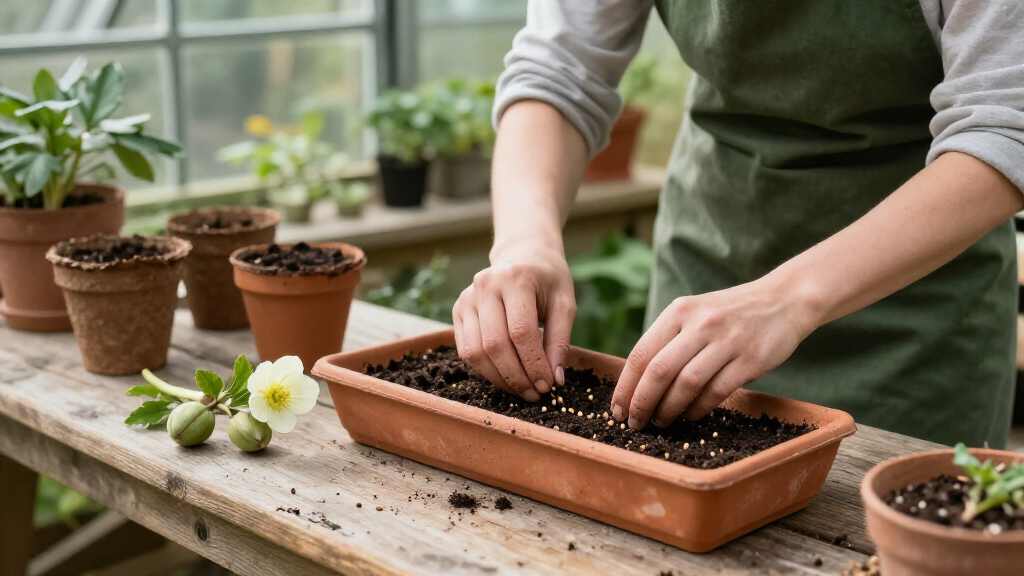
How We Picked
I compared the 14 listings by the factors that change a seed purchase into a useful garden choice: botanical identity, stated seed quantity, bloom variety, and intended growing role. I gave more weight to listings with a recognizable hellebore species or a clear purpose, then considered whether the packet size made sense for a first trial, a larger planting, or a grower seeking a broad mix. Because the supplied product names do not establish germination rates, provenance, or growing instructions, I do not treat those details as verified advantages.
The ranking favors a clear, flexible starting point over sheer seed count. Orientalis hybrids rank well for their familiar garden role and availability in different quantities; mixed double packets follow for gardeners who value variation and can accept less predictable flowers. Named species earn a place for specific interests, but rank lower for general-purpose use. I also account for duplicated or closely similar listings and flag descriptions that warrant identity checks rather than presenting uncertain claims as fact.
| hellebore seed | Plant type |
|---|---|
| Helleborus orientalis Hybrid S | — |
| Mixrug Mixed Double Hellebore | — |
| 10 Hellebore Seeds for Plantin | — |
| Helleborus × sternii Seeds | Evergreen perennial |
| Mixrug Double Hellebore | — |
| Mixrug 300+ Mixed Double Helle | — |
| Helleborus orientalis Hybrid S | Perennial |
| Mixrug Mixed Double Lenten Ros | — |
| Helleborus orientalis Hybrid S | Perennial |
| Mixrug Double Climbing Hellebo | Perennial hellebore |
| Helleborus argutifolius ‘Pacif | Perennial flower |
| Helleborus purpurascens | Perennial |
| Helleborus orientalis Hybrid S | Perennial |
| 100 Mixed Helleborus Flower Se | Perennial flowering plant |
Factors to Consider When Choosing Best Hellebore Seeds
Choosing hellebore seeds is less about finding the biggest packet and more about matching the plant and seed-raising commitment to your garden. I’d check these factors before ordering.
Choose a species that fits your garden, not just the flower photo
Hellebores differ by species, and a named species is a more meaningful buying clue than a broad label such as “mixed.” Start with your site’s light, winter conditions, and available space, then check reliable growing references for the species you are considering. Orientalis hybrids are the broadest-purpose choice among these listings, while sternii, argutifolius, and purpurascens are more specialized selections. A packet labeled “climbing hellebore” deserves a closer identity check because that wording is unusual for this group. If a listing gives no botanical name or clear seed details, ask the seller before treating the label as definitive.
Decide how much bloom variation you can accept
Mixed double seeds are attractive when the goal is a varied planting, but the label does not promise a particular color or an exact flower form for every seedling. That uncertainty matters if you are planning a coordinated border or trying to replace a specific cultivar. A named species or hybrid listing can offer a clearer starting point, though “hybrid” still does not mean every seedling will look identical. For a naturalistic shade garden, variation may be a benefit rather than a drawback. For a tightly planned display, choose only a packet whose description matches the level of predictability you need.
Match packet size to your space and seed-raising capacity
The range here runs from 10 seeds to listings claiming hundreds or more, and the largest count is useful only if you can raise and place that many plants. Seedlings need room and ongoing care before they become part of a mature garden, so a small packet can be a sensible trial rather than a compromise. Larger packets make more sense for gardeners planning multiple beds, sharing seedlings, or accepting losses during propagation. Compare the stated count carefully: similar Mixrug listings appear more than once with different quantities. Check that the listing’s exact packet size is the one you intend to buy.
Plan for seed-grown plants to take patience
Seeds are a slower route than buying established plants, and germination and flowering timelines can vary. Do not plan a new bed around the assumption that every seed will sprout or bloom on a fixed schedule. Look for clear sowing instructions from the seller and compare them with trusted horticultural guidance for the species. If you want immediate flowers or a predictable color in a specific spot, a mature plant may better suit that goal. Seeds make more sense when you enjoy raising plants and can wait for the garden to fill in.
Check listing clarity before paying for a large packet
Seed counts and names can look precise while leaving important questions unanswered, including harvest freshness, storage, source, and whether the listing identifies a species or a mixed hybrid group. Read the complete description rather than relying on the title alone, especially when the wording combines terms that seem inconsistent. A large advertised count does not confirm viability or uniform quality. If provenance or germination information is absent, treat it as unknown rather than assuming it meets a particular standard. For a first purchase from an unfamiliar seller, a smaller packet can limit the risk of buying more seed than you can use.
Spend more only when the added detail matters to you
A larger packet or a specialized species is worthwhile when it supports a real plan: a broad planting, a particular botanical interest, or a deliberate trial. It is less useful when you have a small space or mainly want a few reliable garden plants. Compare like with like by checking species, count, and whether the seeds are sold as a mix; quantity alone does not capture what you are getting. For beginners, a modest packet with a clear identity can teach more than a huge assortment. Experienced growers may prefer a distinct species, but should still confirm site suitability and listing details.
Frequently Asked Questions
Should I choose 10 seeds or a 100-seed hellebore packet?
Choose by the number of seedlings you can raise and eventually place, not by packet size alone. A 10-seed listing is a manageable trial if you are new to seed propagation or have limited garden space. A 100-seed option is more practical for a larger planting, sharing, or a grower prepared for variable germination. The listings include similar orientalis hybrid names in both quantities, so check the exact product and count before ordering. If seed freshness and germination details are unclear, starting small limits the commitment.
Will mixed double hellebore seeds grow flowers that all look the same?
No mixed packet should be treated as a promise of uniform seedlings unless the seller clearly states that outcome and supports it. A mixed double selection is better suited to gardeners who welcome variation in the resulting flowers. That can create a more informal planting, but it is a drawback if you need a particular shade or matching group. Read the listing for details on what “mixed” means and whether the seed is identified as a hybrid or a species. If a specific look is the priority, consider established plants or a clearly described named selection instead.
Are hellebore seeds a good choice if I want flowers soon?
Seeds are generally a patient gardener’s choice, not the quickest route to a flowering display. Germination and the time to flowering can vary, and the product titles here do not provide a dependable timeline for every packet. If you need flowers for a near-term garden plan, an established hellebore plant is likely a better fit. Seeds are more suitable when you have space to raise seedlings and can let the planting develop over time. Follow species-specific sowing guidance rather than assuming every hellebore seed needs identical treatment.
Which listing should I choose if I want a hellebore beyond common orientalis hybrids?
Look at the species-specific listings: Helleborus × sternii, Helleborus argutifolius ‘Pacific Frost,’ and Helleborus purpurascens each offer a different direction from the repeated orientalis options. The right pick depends on your local conditions and the traits you want, so confirm the species’ growing requirements before ordering. These specialized packets are less suitable as a general-purpose substitute if you have not checked site fit. Review the seller’s botanical naming and seed information carefully, since a precise label is useful only when it accurately identifies the seed. If you are unsure, an orientalis hybrid is the broader starting point in this lineup.
How can I judge whether a large-count hellebore listing is a sensible buy?
First ask whether you have a plan for raising and planting the stated number, allowing for the fact that not every seed necessarily becomes a mature plant. Then compare the botanical description and whether the packet is a mix or a more defined selection. The 1005+ count listing may suit a large project, but its scale is not an advantage for a small garden or a first trial. Check the full description for seed source, freshness, and sowing details, and treat missing information as unknown. A smaller, clearer listing can be the more practical choice even when its count is lower.
Conclusion
For the best overall choice, I’d start with Helleborus orientalis Hybrid Seeds, 100 Count: it pairs a familiar garden type with a useful middle-ground quantity. For best value by scale, Mixrug Double Hellebore (Lenten Rose) Seeds, 1005+ Count is aimed at gardeners with space for a large seed-raising project, though I would verify listing details before committing to that count. For a premium-by-specialty pick, choose Helleborus × sternii or one of the other named species only if it matches your garden and interests. Beginners are better served by a small, clearly identified packet, such as a 10-seed orientalis option, than by a huge mixed assortment. If your priority is a varied display, choose a mixed double packet; if you need a less common species, compare the named options and confirm their requirements. Match the seed to your space, patience, and appetite for variation, and treat unusually worded listings with extra care.