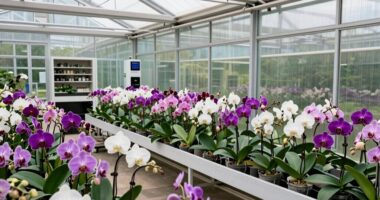
The best rose bushes for gardens balance the look you want with the space, care, and growing time you can give them. My best overall pick is the Knock Out 2 Gal. Rose Pink Shrub, a well-established live shrub option for gardeners who want a ready-to-plant rose; Sweet Drift stands out for low-growing ground cover, while Mr. Lincoln suits gardeners drawn to classic red hybrid tea blooms. The main tradeoffs are compact coverage versus upright cutting roses, a live plant’s head start versus the patience seeds require, and bloom style versus maintenance needs. This roundup includes shrub, ground-cover, hybrid tea, and seed options, so the right choice depends on how you plan to use the rose. Read on for the full comparison and a guide to matching a rose to your garden.

Get garden gear delivered free with Prime
- Fast, free delivery on millions of items
- Prime Video, Amazon Music and more included
- Member-only deals all year
Complete the kit


Key Takeaways
- Ready-to-plant shrubs and roses offer a faster start than seeds: The live-plant options arrive with established growth, while all three seed listings require more time and growing effort before flowering.
- Growth habit is a bigger distinction than flower color alone: Sweet Drift and the other Drift roses suit low borders or ground cover, while hybrid teas such as Mr. Lincoln and Brides Dream are better suited to upright display and cut flowers.
- The Knock Out options serve a different purpose from hybrid teas: The pink shrub and Double Red listing prioritize shrub form, while hybrid teas focus on individual showy blooms.
- Own-root shrubs and potted plants offer different starting points: Burgundy Iceberg and Oh My! are listed as own-root plants; several other live choices are sold in pots, so buyers should compare plant format as well as variety.
- Seed listings are the most speculative route: White-and-purple, red-and-white, and heirloom seed mixes do not offer the same named-variety predictability or immediate garden impact as the live roses.
| Heirloom Roses ‘Oh My!’ Floribunda Rose, Live Own-Root Plant |  | Best Overall for Versatile Garden Planting | Plant type: Floribunda rose bush | Root type: Own-root | Container size: 1 gallon | VIEW LATEST PRICE | See Our Full Breakdown |
| Perfect Plants Sweet Drift Rose Live Plant, 1 Gallon, Pink Ground Cover |  | Best for Low-Growing Borders | Plant type: Sweet Drift groundcover rose | Container size: 1 gallon | Mature height: 1–2 ft | VIEW LATEST PRICE | See Our Full Breakdown |
| Mr Lincoln Rose Bush, 2 Quart Potted Live Rose Plant, Rose Bushes Ready to Plant, Garden Roses, Red Rose Bush |  | Best for Classic Fragrance | Plant type: Hybrid tea rose | Root type: Own-root | Pot size: 2 quarts | VIEW LATEST PRICE | See Our Full Breakdown |
| Burgundy Iceberg Heirloom Shrub Rose, Live Own-Root Plant |  | Best for a Large, Pollinator-Friendly Shrub | Plant type: Shrub rose | Root type: Own-root | Flower color: Purple-red burgundy | VIEW LATEST PRICE | See Our Full Breakdown |
| Ma Cherie Mon Cheri Hybrid Tea Rose Bush, Live Plant in 2-Quart Pot |  | Best for Color-Changing Blooms | Plant type: Hybrid tea rose | Propagation: Own-root | Pot size: 2 quarts | VIEW LATEST PRICE | See Our Full Breakdown |
| Brides Dream Light Pink Hybrid Tea Rose Bush, 2-Quart Pot |  | Best for Cut Flowers | Rose type: Hybrid Tea | Flower color: Light pink | Bloom diameter: More than 5 inches | VIEW LATEST PRICE | See Our Full Breakdown |
| Perfect Plants Coral Drift Rose Bush, 1 Gallon |  | Best for Coral Groundcover | Plant type: Coral Drift rose | Container size: 1 gallon | Mature size: 1–2 feet tall; 2–3 feet wide | VIEW LATEST PRICE | See Our Full Breakdown |
| Ma Cherie Roses Perfect Moment Hybrid Tea Rose Bush, 2 Quart Pot |  | Best for Two-Tone Blooms | Plant type: Hybrid Tea rose | Bloom color: Red edges with yellow undertones | Fragrance: Mild | VIEW LATEST PRICE | See Our Full Breakdown |
| Perfect Plants Peach Drift Rose Live Plant, 1 Gallon |  | Best for Peach-Colored Groundcover | Plant type: Live outdoor rose | Container size: 1 gallon | Bloom color: Peach | VIEW LATEST PRICE | See Our Full Breakdown |
| Knock Out 2 Gal. Rose Pink Shrub |  | Best for Low-Maintenance Shrub Color | Plant type: Shrub rose | Flower color: Pink | Flower form: Double blooms | VIEW LATEST PRICE | See Our Full Breakdown |
| 10 White and Purple Rose Seeds |  | Best for White-and-Purple Seed Color | Seed count: 10 | Color: White and purple | Plant type: Rose | VIEW LATEST PRICE | See Our Full Breakdown |
| Red and White Rose Seeds for Planting, 20 Count |  | Best Seed Packet for Garden-Bed Flexibility | Brand: DouxiE | Seed quantity: 20 | Color: Red and white | VIEW LATEST PRICE | See Our Full Breakdown |
| Perfect Plants Double Red Knock Out Rose, 1 Gallon, Live Plant |  | Best Ready-to-Plant, Low-Maintenance Shrub | Plant type: Live Double Red Knock Out rose | Container size: 1 gallon | Bloom color: Red | VIEW LATEST PRICE | See Our Full Breakdown |
| 300+ Exotic Heirloom Rose Seeds for Planting |  | Best for Large-Scale Seed Growing | Brand: Wivolibe | Seed count: 300+ | Indoor/outdoor usage: Outdoor | VIEW LATEST PRICE | See Our Full Breakdown |
| rose bushes for garden | Plant type | Mature size | Sunlight | Watering |
|---|---|---|---|---|
| Heirloom Roses ‘Oh My!’ Florib | Floribunda rose bush | Approximately 3 ft × 3 ft | Full sun | Moderate |
| Perfect Plants Sweet Drift Ros | Sweet Drift groundcover rose | — | Full sun | Moderate |
| Mr Lincoln Rose Bush | Hybrid tea rose | About 5 ft tall × 2 ft wide | Full sun | Regular |
| Burgundy Iceberg Heirloom Shru | Shrub rose | Approximately 5 ft × 5 ft | Full sun | — |
| Ma Cherie Mon Cheri Hybrid Tea | Hybrid tea rose | About 3–4 ft tall × 3 ft wide | Full sun | Regular |
| Brides Dream Light Pink Hybrid | — | 5–6 feet tall; 3–4 feet wide | — | Moderate |
| Perfect Plants Coral Drift Ros | Coral Drift rose | 1–2 feet tall; 2–3 feet wide | Full sun | Moderate |
| Ma Cherie Roses Perfect Moment | Hybrid Tea rose | 4–5 feet tall; 3–4 feet wide | — | Moderate |
| Perfect Plants Peach Drift Ros | Live outdoor rose | 1–2 feet tall; 2–3 feet wide | Full sun | — |
| Knock Out 2 Gal. Rose Pink Shr | Shrub rose | — | Full sun | Twice weekly until established, then once weekly |
| 10 White and Purple Rose Seeds | Rose | — | — | — |
| Red and White Rose Seeds for P | — | — | — | — |
| Perfect Plants Double Red Knoc | Live Double Red Knock Out rose | — | — | — |
| 300+ Exotic Heirloom Rose Seed | — | — | — | — |
More Details on Our Top Picks
Heirloom Roses ‘Oh My!’ Floribunda Rose, Live Own-Root Plant
‘Oh My!’ is my most versatile pick for gardeners who want a repeat-blooming rose without committing to a large shrub. Its roughly 3-by-3-foot mature size fits a garden bed or a roomy container, while spring-to-fall flushes keep flowers coming through much of the growing season. Compared with Burgundy Iceberg, it takes up less space and is easier to fit into mixed plantings; Burgundy Iceberg is the better choice when a larger, pollinator-attracting shrub is the goal. The lightly fragrant flowers add some scent, though not the pronounced fragrance offered by Mr. Lincoln. It arrives as a 12–15-inch plant in a 1-gallon container, so it needs time to fill out. Full sun and moderate watering are required, and the plant may arrive partially defoliated after shipping.
Pros:- Repeats blooms in flushes from spring to fall.
- Compact mature size suits garden beds and larger pots.
- Own-root propagation means growth remains true to the variety.
- Light fragrance adds scent without limiting its flexible placement.
Cons:- Needs full sun and moderate watering for good growth.
- May arrive partially defoliated and needs time to establish and fill out.
Best for: Gardeners who want a repeat-blooming rose that can grow in a sunny bed or a large patio planter.
Not ideal for: Shady gardens or buyers seeking a strongly scented rose or an immediately mature, large specimen.
- Plant type:Floribunda rose bush
- Root type:Own-root
- Container size:1 gallon
- Height at shipment:12–15 inches
- Mature size:Approximately 3 ft × 3 ft
- Hardiness zones:5–10
- Bloom period:Spring to fall
- Sunlight:Full sun
- Watering:Moderate
Our verdict“Choose ‘Oh My!’ if you want a manageable own-root rose with a long bloom season and the flexibility to plant it in a bed or a large container.”
Perfect Plants Sweet Drift Rose Live Plant, 1 Gallon, Pink Ground Cover
Sweet Drift is the lineup’s clearest choice for edging and low groundcover: it stays about 1–2 feet tall while spreading 2–3 feet wide, creating a band of baby-pink blooms rather than a taller focal shrub. Its stated 8–9-month blooming period is especially appealing for gardeners who want prolonged color along a walkway or patio. Compared with the more upright ‘Oh My!’, Sweet Drift spreads wider and sits lower, so it suits borders better but is less suited to a compact container display. It is described as drought-tolerant and winter-hardy, though the care information still calls for moderate watering; I would not treat drought tolerance as a reason to neglect watering while it establishes. Full sun is a requirement, and shipping is restricted to some states.
Pros:- Low, spreading habit works well as a border or groundcover.
- Baby-pink blooms are described as lasting 8–9 months per year.
- Drought-tolerant and winter-hardy, with low-maintenance landscaping use in mind.
- Includes plant food and a care guide.
Cons:- Requires full sun to thrive.
- Its 2–3-foot spread needs room and is less suitable for tight spaces.
- Cannot be shipped to California or Arizona.
Best for: Gardeners filling sunny borders, walkway edges, or broad planting areas who want a low-growing rose with a long flowering season.
Not ideal for: Buyers with shaded yards, limited horizontal space, or gardens in California or Arizona where this item cannot be shipped.
- Plant type:Sweet Drift groundcover rose
- Container size:1 gallon
- Mature height:1–2 ft
- Mature width:2–3 ft
- Spacing:3 feet apart
- Hardiness zones:5–10
- Sunlight:Full sun
- Blooming period:8–9 months per year
- Watering:Moderate
Our verdict“Pick Sweet Drift for sunny edges and low, spreading color; choose ‘Oh My!’ instead if you need a more compact, upright rose for a bed or large pot.”
Mr Lincoln Rose Bush, 2 Quart Potted Live Rose Plant, Rose Bushes Ready to Plant, Garden Roses, Red Rose Bush
Mr. Lincoln is the fragrance-led choice here: this hybrid tea is described with rich red blooms and a powerful, classic rose scent. That makes it a stronger fit for gardeners choosing a rose as a focal point or cut-flower feature than ‘Oh My!’, whose fragrance is only light. Its stated dimensions—about 5 feet tall and 2 feet wide—give it a taller, narrower profile than the broad Burgundy Iceberg, which can reach about 5 feet in both directions. The own-root plant ships in a 2-quart pot with an established root system, but it still needs full sun and regular watering. Product details also contain inconsistent color and soil references, so buyers should not rely on those conflicting fields for a precise color or soil expectation.
Pros:- Described as producing rich red blooms with a powerful classic rose fragrance.
- Own-root growth is intended to regrow true to type.
- Ships in a 2-quart pot with an established root system.
- Tall, relatively narrow stated dimensions suit gardeners wanting vertical presence.
Cons:- Requires full sun and regular watering.
- Its height of up to 5 feet calls for space and may need more attention than a low-growing rose.
- Product details conflict on flower color and soil information.
Best for: Rose gardeners who prioritize a strongly scented, classic red hybrid tea and have room for a tall plant in a sunny bed or container.
Not ideal for: Buyers seeking a low-maintenance groundcover, a reliably documented flower color, or a rose for a shaded or dry garden.
- Plant type:Hybrid tea rose
- Root type:Own-root
- Pot size:2 quarts
- Mature size:About 5 ft tall × 2 ft wide
- Bloom period:Spring to fall
- Sunlight:Full sun
- Watering:Regular
- Petal count:Up to 35 petals per bloom
Our verdict“Choose Mr. Lincoln for fragrance and a tall hybrid-tea profile, but skip it if you need consistent product details or a low-care groundcover like Sweet Drift.”
Burgundy Iceberg Heirloom Shrub Rose, Live Own-Root Plant
Burgundy Iceberg stands apart for its purple-red flowers, continual blooming, and substantial shrub form. At roughly 5 feet by 5 feet, it can anchor a sunny bed and attract pollinators, but it needs considerably more room than ‘Oh My!’, which matures at about 3 feet by 3 feet. The lightly fragrant flowers offer some scent, though gardeners wanting a pronounced classic fragrance may prefer Mr. Lincoln. This own-root plant arrives 12–15 inches tall in a 1-gallon container, so the mature scale takes time to reach. Its listed hardiness range is zones 6–10, narrower than the zone 5–10 range for ‘Oh My!’ and Sweet Drift. Full sun and moderate watering are part of the care requirements, and shipping may leave it partially defoliated.
Pros:- Continual flowering from spring to fall provides extended seasonal color.
- Purple-red burgundy blooms offer a distinctive alternative to pink or classic red roses.
- Own-root growth keeps roots, stems, and flowers from the same variety.
- Listed as attracting pollinators.
Cons:- Mature size of about 5 ft × 5 ft requires substantial planting space.
- Listed for zones 6–10, making its stated range narrower than several other picks.
- Requires full sun and moderate watering and may arrive partially defoliated.
Best for: Gardeners with a sunny, spacious bed who want a large, continuously blooming shrub rose that can attract pollinators.
Not ideal for: Small gardens, tight containers, or zone 5 gardeners who need a rose with the broader stated hardiness range of ‘Oh My!’ or Sweet Drift.
- Plant type:Shrub rose
- Root type:Own-root
- Flower color:Purple-red burgundy
- Mature size:Approximately 5 ft × 5 ft
- Hardiness zones:6–10
- Bloom habit:Continual blooming
- Bloom period:Spring to fall
- Container size:1 gallon
- Sunlight:Full sun
Our verdict“Choose Burgundy Iceberg when you have room for a large flowering shrub; for a smaller footprint or a broader listed zone range, ‘Oh My!’ is the more flexible pick.”
Ma Cherie Mon Cheri Hybrid Tea Rose Bush, Live Plant in 2-Quart Pot
Mon Cheri earns its place for flowers that change as they mature: they open pink with crimson edges and deepen toward red. That shifting color gives it a different appeal from the steady burgundy tones of Burgundy Iceberg and the classic red blooms described for Mr. Lincoln. This own-root hybrid tea repeats flowers from spring to fall and grows about 3–4 feet tall by 3 feet wide, making it more compact than Mr. Lincoln’s stated 5-foot height but still large enough to need a sunny, open spot. The 2-quart pot and gift-ready plant bag make it a presentable choice, though the packaging does not remove the need for regular watering and full sun. Its mild fragrance is also less pronounced than Mr. Lincoln’s.
Pros:- Blooms shift from pink with crimson edges toward deeper red as they mature.
- Repeat blooms are listed from spring to fall.
- Own-root propagation supports true-to-variety growth.
- Arrives in a 2-quart pot with a gift-ready plant bag.
Cons:- Needs full sun and regular watering.
- Mature size of up to 4 feet tall and 3 feet wide requires adequate space.
- Mild fragrance is less pronounced than the fragrance described for Mr. Lincoln.
Best for: Gardeners who want repeat-blooming hybrid tea flowers with color that shifts from pink and crimson toward red, or who are selecting a giftable live rose.
Not ideal for: Buyers who need a low-water plant, a compact groundcover, or a strongly scented rose.
- Plant type:Hybrid tea rose
- Propagation:Own-root
- Pot size:2 quarts
- Bloom color:Pink with crimson edges, deepening to red
- Mature size:About 3–4 ft tall × 3 ft wide
- Blooming habit:Repeat bloomer
- Bloom period:Spring to fall
- Sunlight:Full sun
- Watering:Regular
Our verdict“Choose Mon Cheri for color-changing, repeat-blooming flowers in a medium-sized hybrid tea; choose Sweet Drift instead for a low, spreading border rose.”
Brides Dream Light Pink Hybrid Tea Rose Bush, 2-Quart Pot
For gardeners who want large stems to bring indoors, Brides Dream is the most cut-flower-focused choice in this group. Its light pink blooms exceed five inches across, and the mild fragrance adds interest without being overpowering. The own-root plant arrives in a transplant-ready two-quart pot and is described as vigorous and hardy. Compared with the low, spreading Peach Drift, this Hybrid Tea grows upright and needs more room, reaching a listed 5–6 feet tall and 3–4 feet wide. That scale can give a garden bed a taller focal point, but it is less suited to edging or small spaces. The listing specifies full shade, an unusual exposure for roses, so I would verify the site guidance before choosing a planting spot.
Pros:- Blooms exceed five inches across and are described as suitable for cutting.
- Mild fragrance adds scent without a strong perfume.
- Own-root plant is described as vigorous and hardy.
- Arrives in a two-quart pot ready for transplanting.
Cons:- Mature size of 5–6 feet tall by 3–4 feet wide takes considerable space.
- Full-shade exposure is unusual for a rose and may limit placement or call for clarification.
Best for: Gardeners with space for a tall rose who prioritize large, lightly scented blooms for cutting.
Not ideal for: Small-space gardeners or anyone who needs a rose with clear, conventional sunlight guidance; its listed size is substantial and its full-shade exposure is unusual.
- Rose type:Hybrid Tea
- Flower color:Light pink
- Bloom diameter:More than 5 inches
- Fragrance:Mild
- Container size:2 quarts
- Mature size:5–6 feet tall; 3–4 feet wide
- Sunlight listed:Full shade
- Root type:Own root
- Watering:Moderate
Our verdict“Choose Brides Dream if large, lightly fragrant cut flowers matter more than a compact footprint or straightforward sun guidance.”
Perfect Plants Coral Drift Rose Bush, 1 Gallon
Coral Drift is the low, spreading pick for filling the front of a sunny bed with color rather than creating a tall focal point. Its 1–2-foot height and 2–3-foot spread suit borders, patios, and walkway edges, while blooms are listed from spring through fall. That long season gives it an advantage over Brides Dream, whose appeal centers on oversized flowers for cutting, not groundcover coverage. Coral Drift is also described as drought-tolerant and winter-hardy across USDA zones 5–10, and the included rose food gives new growers a simple starting aid. The tradeoff is its strict full-sun placement, and it is an outdoor plant that the seller does not ship to California or Arizona. Its spreading form also needs room to fill out rather than being crowded into a narrow strip.
Pros:- Low, spreading growth suits groundcover-style planting and bed edges.
- Listed to bloom continuously from spring through fall.
- Described as drought-tolerant and winter-hardy in USDA zones 5–10.
- Includes rose food to support initial growth.
Cons:- Needs full sun for best flowering.
- Shipping is unavailable to California and Arizona.
- Its 2–3-foot spread needs space and may not fit a narrow border.
Best for: Gardeners in USDA zones 5–10 who want a coral-blooming, low-growing rose for a sunny border, patio edge, or walkway.
Not ideal for: Gardeners with shaded beds, narrow planting strips, or addresses in California or Arizona, where shipping is unavailable.
- Plant type:Coral Drift rose
- Container size:1 gallon
- Mature size:1–2 feet tall; 2–3 feet wide
- Flower color:Coral
- Bloom period:Spring through fall
- USDA hardiness zones:5–10
- Sunlight:Full sun
- Watering:Moderate
- Included:Rose food
Our verdict“Pick Coral Drift for a sunny bed that needs long-season coral groundcover, but skip it if shade or shipping restrictions rule it out.”
Ma Cherie Roses Perfect Moment Hybrid Tea Rose Bush, 2 Quart Pot
Perfect Moment brings a more unusual palette to the lineup: red-edged petals with yellow undertones, plus a mild fragrance. Its own-root Hybrid Tea form is listed at 4–5 feet tall and 3–4 feet wide, making it a taller garden feature than Coral Drift or Peach Drift, which spread close to the ground. The listing describes it as a continuous bloomer whose flowers hold well in heat, a useful combination for gardeners seeking recurring color through warm weather. It arrives in a two-quart pot and is described as easy to transplant. The main reservation is care guidance: full shade and sandy soil are listed, even though full shade is atypical for roses. I would confirm those instructions before buying, especially if the planting site is not sunny.
Pros:- Red edges and yellow undertones create a distinctive flower color.
- Own-root growth is described as vigorous and hardy.
- Listed as a continuous bloomer with flowers that hold well in heat.
- Two-quart plant is described as easy to transplant.
Cons:- Full-shade guidance is atypical for roses and should be verified.
- The listed sandy-soil requirement may not match existing garden soil.
- Mature size of 4–5 feet tall and 3–4 feet wide needs substantial room.
Best for: Rose gardeners seeking a distinctive red-and-yellow Hybrid Tea for a roomy bed and willing to check its unusual site requirements.
Not ideal for: Buyers who want standard, easy-to-verify rose care instructions or need a compact rose for a small garden.
- Plant type:Hybrid Tea rose
- Bloom color:Red edges with yellow undertones
- Fragrance:Mild
- Pot size:2 quarts
- Mature size:4–5 feet tall; 3–4 feet wide
- Sunlight listed:Full shade
- Soil listed:Sandy soil
- Watering:Moderate
- Blooming period:Year-round, as listed
Our verdict“Choose Perfect Moment for unusual two-tone blooms and a taller Hybrid Tea habit only if you can clarify its shade and soil instructions.”
Perfect Plants Peach Drift Rose Live Plant, 1 Gallon
Peach Drift combines a low, spreading shape with peach flowers and a long stated bloom window of 8–9 months. Its 1–2-foot height makes it a more natural fit for a bed edge or patio border than the taller Brides Dream, which is better suited to cutting and a prominent upright spot. Peach Drift is listed for USDA zones 5–10 and described as drought-tolerant and winter-hardy, so it can work where gardeners want seasonal color without a tall shrub. The seller recommends spacing plants about three feet apart, a useful guide for planning coverage but also a reminder that this is not an instant, tightly packed groundcover. It needs full sun, moderate watering, and is not shipped to California or Arizona.
Pros:- Low groundcover habit works well along walkways and patios.
- Listed to bloom for 8–9 months of the year.
- Described as drought-tolerant and winter-hardy.
- Recommended spacing of about three feet helps plan a bed.
Cons:- Requires full sun.
- Shipping is unavailable to California and Arizona.
- Three-foot spacing means broad coverage takes multiple plants and room.
Best for: Gardeners in USDA zones 5–10 who want peach-colored, low-growing roses along sunny walkways, patios, or bed edges.
Not ideal for: Gardeners with shade, limited room for plants to spread, or shipping addresses in California or Arizona.
- Plant type:Live outdoor rose
- Container size:1 gallon
- Bloom color:Peach
- Bloom period:8–9 months of the year
- Growth habit:Low-growing groundcover
- Mature size:1–2 feet tall; 2–3 feet wide
- Plant spacing:About 3 feet
- USDA hardiness zones:5–10
- Sunlight:Full sun
Our verdict“Choose Peach Drift for sunny borders where peach flowers and a long bloom season matter more than compact spacing.”
Knock Out 2 Gal. Rose Pink Shrub
For a rounded shrub that can serve as a low hedge or garden accent, the Pink Knock Out offers a different role from the compact Drift roses. Its double pink flowers are listed to repeat from spring until the first frost, with self-cleaning blooms that reduce deadheading. The description also calls out heat stability, drought tolerance once established, and strong resistance to black spot and downy mildew. Compared with Coral Drift, this is the taller, bushier option; the listed height is 48 inches, while Coral Drift stays around 1–2 feet and spreads wider than it grows tall. The Pink Knock Out needs full sun and regular watering while establishing, and it loses its leaves in winter. Its slight spicy fragrance is present, but fragrance is not its main draw.
Pros:- Self-cleaning double blooms reduce deadheading.
- Listed to flower from spring until the first frost.
- Description cites heat stability and drought tolerance once established.
- Strong resistance to black spot and downy mildew is claimed.
Cons:- Deciduous habit leaves the plant bare in winter.
- Needs full sun and twice-weekly watering until established, then weekly watering.
- At 48 inches tall, it is less suitable than Drift roses for low groundcover use.
Best for: Gardeners wanting a full-sun, pink flowering shrub for a low hedge or accent, especially where disease resistance and reduced deadheading matter.
Not ideal for: Gardeners seeking an evergreen winter screen, a strongly fragrant rose, or a compact groundcover for a walkway edge.
- Plant type:Shrub rose
- Flower color:Pink
- Flower form:Double blooms
- Expected height:48 inches
- Bloom period:Spring to fall; described as flowering until first frost
- USDA hardiness zones:5–11
- Sunlight:Full sun
- Watering:Twice weekly until established, then once weekly
- Foliage habit:Deciduous
Our verdict“Choose the Pink Knock Out for a repeat-blooming, disease-resistant shrub or low hedge, not for evergreen coverage or a compact groundcover.”
10 White and Purple Rose Seeds
These seeds suit patient gardeners who want to grow roses from the start and are drawn to a white-and-purple palette. The packet contains 10 seeds, a smaller starting quantity than the 20-seed red-and-white packet, so there is less room for germination failures or selection among seedlings. Its stated growing conditions are specific: full sun and sandy soil. That may be a useful fit for a sunny garden with fast-draining ground, but less flexible than the red-and-white seeds, which specify well-drained soil and also mention container use. The listing does not give germination guidance or a bloom schedule, so planning takes more guesswork than with the live Double Red Knock Out Rose. Choose this packet for its stated colors and soil fit, not for a quick or predictable display.
Pros:- White-and-purple color is specified
- Perennial flowering shrub growth is stated
- Full-sun suitability is listed
Cons:- Only 10 seeds are included
- Sandy soil is the specified soil type, limiting fit for other garden conditions
- Listing provides no germination or bloom-timing guidance
Best for: Gardeners with a sunny, sandy-soil plot who enjoy raising roses from seed and want to try white-and-purple flowers.
Not ideal for: Buyers seeking an established rose bush, clear growing instructions, or a larger seed batch for experimenting.
- Seed count:10
- Color:White and purple
- Plant type:Rose
- Growth habit:Perennial flowering shrub
- Sunlight exposure:Full sun
- Soil type:Sandy soil
Our verdict“Pick this small seed packet if your garden is sunny and sandy and you prefer its stated colors over the red-and-white alternative.”
Red and White Rose Seeds for Planting, 20 Count
This 20-seed packet is the more practical seed-starting choice for gardeners who want options across a bed, border, or draining container. Compared with the 10 White and Purple Rose Seeds, it offers twice as many seeds and spells out more of the care routine: full sun, well-drained soil, and regular moisture. Untreated seeds and the stated heirloom feature may appeal to growers who prefer that seed type, while the listed summer bloom period gives a rough seasonal expectation. The tradeoff is uncertainty: flower appearance may vary between seedlings, and young roots need gentle handling during transplanting. Unlike the established Double Red Knock Out Rose, this packet asks you to manage germination and early growth before you get a garden display.
Pros:- 20 seeds provide more opportunity to grow multiple plants than the 10-seed packet
- Suitable for beds, borders, and draining containers
- Untreated seeds with a red-and-white color description
- Care guidance specifies sun, drainage, and regular moisture
Cons:- Seedling flower appearance can vary
- Needs full sun, well-drained soil, and regular watering
- Young roots require care during transplanting
Best for: Seed-starting gardeners who want a larger batch for outdoor beds, borders, or well-draining containers and can care for young seedlings.
Not ideal for: Gardeners who need immediate established plants, uniform flower results, or a rose that can manage without regular watering.
- Brand:DouxiE
- Seed quantity:20
- Color:Red and white
- Usage:Outdoor
- Expected blooming period:Summer
- Sunlight exposure:Full sun
- Soil type:Well-drained soil
- Moisture needs:Regular watering
- Seed treatment:Untreated
Our verdict“Choose this packet over the 10-seed option if you want more seeds and clearer care directions, and are comfortable raising seedlings.”
Perfect Plants Double Red Knock Out Rose, 1 Gallon, Live Plant
This live shrub is the clearest pick for buyers who want a rose bush, not a seed-growing project. It arrives as a one-gallon plant, with a rounded, medium-size habit and a stated mature footprint of 3–5 feet tall and 3–4 feet wide. The listing describes red double blooms from spring through summer and highlights disease resistance, which can mean less troubleshooting than raising either the 20-count red-and-white seeds or the 300-seed Wivolibe packet. Its established form also makes it easier to plan along a walkway or patio than seed-grown roses with uncertain results. The tradeoff is space and sun: this is not a compact container-first choice, and the listing recommends all-day sunlight. It also cannot ship to California or Arizona.
Pros:- Live one-gallon plant avoids the germination stage required by the seed packets
- Rounded shrub form with stated mature dimensions helps with placement planning
- Spring-through-summer red blooms are listed
- Disease resistance and included plant food are highlighted
Cons:- Needs a substantial planting footprint at mature size
- Listing recommends a sunny location with sunlight all day
- Shipping is unavailable to California and Arizona
Best for: Gardeners who want an established red shrub for a sunny bed, walkway, patio edge, or landscape planting, with less seedling care.
Not ideal for: Small-space gardeners, buyers who lack full sun, or residents of California and Arizona where the listing says it does not ship.
- Plant type:Live Double Red Knock Out rose
- Container size:1 gallon
- Bloom color:Red
- Expected blooming period:Spring through summer
- Sunlight exposure:Full sun
- Mature height:3–5 feet
- Mature width:3–4 feet
- Special feature:Disease resistant
- Shipping restriction:Does not ship to California or Arizona
Our verdict“Choose this live rose over the seed packets if you have room and full sun and want an established, red-flowering shrub.”
300+ Exotic Heirloom Rose Seeds for Planting
The standout here is seed quantity: more than 300 seeds give adventurous growers far more attempts than either the 10-seed white-and-purple packet or the 20-count red-and-white option. That makes this packet a better match for a large planting project or someone willing to accept uneven results, rather than a gardener seeking a particular rose bush with a predictable form. The listing describes outdoor use, full sun, moderate watering, and a spring-to-fall bloom window; it also gives a warm-water soak and an approximate germination time. Care is more involved than the packet size suggests: seedlings need controlled watering and gradual exposure outdoors, with protection from intense sun. The listed 0.1-inch plant height does not provide a useful mature-size guide, unlike the Double Red Knock Out Rose’s stated dimensions.
Pros:- More than 300 seeds offer many chances to raise plants
- GMO-free material feature is stated
- Spring-to-fall expected bloom period is listed
- Warm-water soaking and approximate germination instructions are provided
Cons:- Seedlings need careful watering and can be lost to excess moisture
- Requires gradual outdoor exposure and protection from intense sun
- Listed plant height of 0.1 inches does not establish mature shrub size or garden spacing
Best for: Experienced or experimental gardeners with space to start many seeds, time for seedling care, and interest in a long outdoor growing season.
Not ideal for: Buyers who want a named, uniform rose bush, dependable mature-size information, or a straightforward alternative to a live plant.
- Brand:Wivolibe
- Seed count:300+
- Indoor/outdoor usage:Outdoor
- Expected blooming period:Spring to fall
- Sunlight exposure:Full sun
- Moisture needs:Moderate watering
- Material feature:GMO-free
- Soaking instructions:Soak in 40–50°C water for 4–6 hours
- Germination time:About 20 days
Our verdict“Pick this packet for a high-volume seed-growing project, not when you need a predictable, ready-to-plant rose bush.”
How We Picked
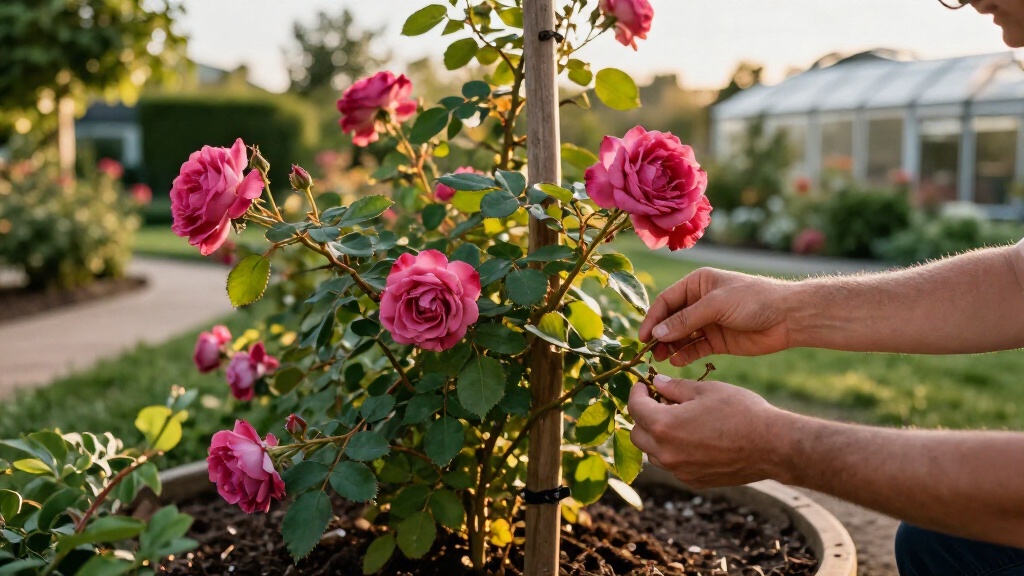
I ranked these 14 listings by how well their stated form and growing habit suit common garden jobs: filling a border, covering low ground, growing a shrub, or producing classic hybrid tea blooms. I gave more weight to live plants than seed packets for buyers seeking a rose bush they can place in the garden soon, while noting that a potted plant and an own-root plant are not interchangeable starting points. The ranking also accounts for the usefulness of each option’s stated role, such as ground cover or upright display, rather than treating every rose as a substitute for every other one.
Because the supplied product details do not establish local hardiness, disease resistance, fragrance, mature size, or bloom performance, I do not rank on those claims. Seed listings sit lower for readers seeking a predictable, established bush because germination and the resulting plants take more time and may be less uniform. Within the live-plant group, I favor options with a clear garden use and distinguish them by form and intended display; the guide below explains which details to verify for your climate and planting site.
| rose bushes for garden | Watering |
|---|---|
| Heirloom Roses ‘Oh My!’ Florib | Moderate |
| Perfect Plants Sweet Drift Ros | Moderate |
| Mr Lincoln Rose Bush | Regular |
| Burgundy Iceberg Heirloom Shru | — |
| Ma Cherie Mon Cheri Hybrid Tea | Regular |
| Brides Dream Light Pink Hybrid | Moderate |
| Perfect Plants Coral Drift Ros | Moderate |
| Ma Cherie Roses Perfect Moment | Moderate |
| Perfect Plants Peach Drift Ros | — |
| Knock Out 2 Gal. Rose Pink Shr | Twice weekly until established, then once weekly |
| 10 White and Purple Rose Seeds | — |
| Red and White Rose Seeds for P | — |
| Perfect Plants Double Red Knoc | — |
| 300+ Exotic Heirloom Rose Seed | — |
Factors to Consider When Choosing Best Rose Bushes For Gardens
Before choosing by bloom color, decide what you need the rose to do in the garden. The same variety can be a poor fit if it crowds a path, cannot meet your expectations for cut flowers, or arrives in a form that needs more time and care than you planned.
Match the rose’s growth habit to the planting spot
Start with the role of the planting area: low ground cover, a border shrub, or an upright specimen for display. Drift roses are presented as ground-cover types, while hybrid teas are a better match for gardeners seeking a more upright, individual-flower effect. A common mistake is choosing by color and only later discovering that the plant’s spread or height does not suit the bed. Check the seller’s mature dimensions and leave room for airflow and access for pruning. If those dimensions are not available, avoid placing the plant where crowding would be costly to correct.
Choose live plants or seeds based on your timeline
A live potted or own-root rose gives you a plant to establish in the garden, while seeds begin much earlier in the growing process. Seed packets can be appealing if you enjoy propagation and are willing to wait, but they are a poor shortcut to a finished rose border. A named live variety also gives a clearer expectation of the plant type than a seed mix. Before buying seeds, check whether the listing explains germination, expected variation, and the conditions needed to raise seedlings. For a garden that needs structure this season, prioritize a live plant.
Check climate fit before committing to a variety
Rose performance depends on local winter lows, summer heat, humidity, and the length of the growing season. A listing name alone does not confirm that a plant will suit your region, so look up the variety’s hardiness range and compare it with your garden’s conditions. Gardeners in cold areas may need winter protection, while hot climates can place extra demands on watering and afternoon shade. Do not assume that two shrub roses share the same climate tolerance just because they have a similar growth habit. When local suitability is uncertain, seek region-specific guidance before ordering.
Plan for sun, soil, and water access
Most garden roses need a bright site and soil that drains rather than staying waterlogged, but the exact needs vary by variety and climate. Watch the planting area through the day instead of relying on a broad label such as “sunny.” Poor drainage can damage roots, while a hot, exposed spot may increase watering demands. Amend the bed based on its actual soil condition rather than adding material by habit. If the only available location is shaded or difficult to water, choose a different planting spot or reconsider whether a rose is the right fit.
Budget time for pruning and ongoing care
Different rose forms call for different maintenance routines, and a shrub should not be managed exactly like a hybrid tea. Ask what pruning schedule, deadheading, feeding, and disease monitoring the variety needs before choosing it. Low-growing roses may reduce the need to fill a border with separate plants, but they still need enough space and periodic care. A frequent mistake is interpreting a shrub-style label as “no maintenance.” If you want the simplest routine, prioritize varieties described with clear care guidance and confirm that guidance applies to your local growing conditions.
Compare the delivered plant format, not just the variety name
Pot size and root format affect the plant’s starting point, but neither guarantees a particular mature size or flowering schedule. A larger pot may offer a more established starting plant than a smaller container, while an own-root rose is a different production format rather than a promise of instant growth. Check whether the listing specifies plant size, shipping season, and what arrives in the package. Also confirm that the plant is suitable for planting at the time it will be delivered in your region. If the listing leaves these points unclear, resolve them before purchase instead of relying on the product name.
Frequently Asked Questions
Which type should I choose if I want roses for cut flowers?
Look first at hybrid tea roses, since their upright habit and individual blooms are generally a closer match for cutting than ground-cover roses. In this lineup, Mr. Lincoln, Brides Dream, Ma Cherie Mon Cheri, and Perfect Moment are hybrid tea listings. Before choosing among them, check the variety’s fragrance, stem length, and local growing suitability; those details are not established by the product names alone. Drift and shrub roses may suit garden coverage better than a cutting-focused display. If cutting is your main goal, prioritize flower and stem details over a general promise of garden color.
Are seed packets a good choice if I want a rose bush this year?
Usually not if your goal is a ready-to-plant bush or a predictable display soon. The three seed listings require germination and seedling care before they can become garden plants, and seed-grown results may not match a named rose variety. They make more sense for gardeners who enjoy propagation, have space to raise seedlings, and can wait for plants to mature. For a quicker route, choose a live potted or own-root rose and check the seller’s shipping and planting guidance. Treat seeds as a longer-term growing project rather than a direct substitute for a live bush.
Should I choose a Drift rose or a Knock Out rose for a small garden?
The best fit depends on whether your limited space is horizontal or vertical. Drift roses are listed as ground-cover types, so they may suit a low border or an area where spreading coverage is useful; Knock Out options are shrub roses and are better considered for a shrub-shaped focal point. Neither label tells you the exact mature footprint, so check width and height before planting near paths or neighboring plants. A compact site can still become crowded if a spreading rose is planted too close to other plants. Choose based on the available shape and area, not the word “compact” alone.
What should I verify before ordering a live rose online?
Confirm the variety’s hardiness range, mature dimensions, and preferred sun and soil conditions against your garden. Check whether the listing describes a potted or own-root plant, what size is shipping, and when the seller expects to dispatch it. Shipping timing matters because a rose arriving during unsuitable weather may need to be held or protected before planting. Read the seller’s instructions for unpacking, planting, and any arrival concerns, since these can vary by supplier. If key details are missing, ask the seller before ordering rather than assuming all live roses ship or establish in the same way.
Is a shrub rose or hybrid tea rose better for a low-maintenance garden?
A shrub rose may be a more natural starting point if you want a broader landscape plant rather than a rose grown mainly for individual display blooms. Hybrid teas can reward careful attention to pruning and bloom management, but care varies by variety and local conditions. Neither category is maintenance-free: both need suitable planting conditions, watering during establishment, and monitoring for pests or disease. Compare the care instructions for the exact variety instead of treating the category label as a guarantee. If minimal upkeep is your priority, also check regional gardening advice for varieties known to perform well in your area.
Conclusion
For most gardeners seeking a ready-to-plant shrub, I recommend the Knock Out 2 Gal. Rose Pink Shrub as the best overall choice in this lineup because it offers a clear shrub role and comes as a live plant. For best value in garden coverage, Sweet Drift is the standout pick when a low ground-cover habit fits the site; for a premium-style display, consider the hybrid teas if individual blooms and an upright form matter more than low-spread coverage. Beginners should start with a live shrub or ground-cover rose and skip the seed listings unless they actively want a propagation project. Choose Mr. Lincoln for a classic red hybrid tea direction, a Knock Out option for shrub form, or a seed mix only if you welcome a longer, less predictable growing process. Match the plant to your garden’s dimensions and climate before ordering, and the choice becomes much clearer.