The best winter berry shrubs combine seasonal color with a growth habit and care routine that suit your garden. I rank Berry Heavy Winterberry Holly as the best overall pick for its berry-focused appeal, while Winter Red stands out for gardeners seeking a classic red-berried winterberry and Christmas Jewel Holly for an evergreen look. The main tradeoffs are deciduous versus evergreen foliage, mature plant size, and whether you can provide compatible pollination for berry production. Some listings are seeds or starter plants, which call for more patience than larger container shrubs. Read on for the full breakdown and guidance on choosing the right fit.

Get garden gear delivered free with Prime
- Fast, free delivery on millions of items
- Prime Video, Amazon Music and more included
- Member-only deals all year
Complete the kit


Key Takeaways
- Berry Heavy Winterberry Holly leads the lineup for a berry-first planting, while the different sizes and cultivars of Winter Red give buyers options for established shrubs or smaller starter plants.
- Christmas Jewel, Blue Girl, and China Girl are evergreen holly choices; most winterberry hollies lose their leaves, so berry display—not year-round foliage—is their primary winter feature.
- Pollination planning matters: many hollies need a compatible male plant nearby to set berries, and a product listing alone may not establish that a suitable pollinator is included.
- The lineup spans very different plant stages: established gallon-size shrubs can provide a quicker garden presence, while four-inch plants and seeds require more time and care before they become substantial landscape features.
- Several listings use “winterberry” for plants beyond winterberry holly, including Gaultheria, snowberry, serviceberry, and beautyberry; check the botanical name and seasonal fruiting habits before buying.
| Live Yellow Winterberry Holly Plant, 4-Inch Pot |  | Best Yellow-Berry Starter | Plant type: Winterberry holly shrub | Pot size: 4 inches | Plant height: 3 to 6 inches | VIEW LATEST PRICE | See Our Full Breakdown |
| Berry Heavy Winterberry Holly (Ilex verticillata ‘Spravy’) |  | Best for Cold-Climate Garden Beds | Botanical name: Ilex verticillata ‘Spravy’ | Plant type: Winterberry holly garden shrub | Hardiness zones: 3–8 | VIEW LATEST PRICE | See Our Full Breakdown |
| Gaultheria (Winterberry) Live Evergreen Plant, 5 × 6 in, 4.5 in Pot |  | Best Compact Ground Cover | Plant type: Live evergreen ground cover | Plant height: 5 inches listed; expected height 8 inches | Pot size: 4.5-inch round pot | VIEW LATEST PRICE | See Our Full Breakdown |
| Red Winterberry Holly Live Plant, 4-Inch Pot |  | Best Red-Berry Starter | Plant type: Winterberry holly shrub (Ilex) | Pot size: 4 inches | Color: Red | VIEW LATEST PRICE | See Our Full Breakdown |
| Christmas Jewel Holly Live Evergreen Shrub, 3 Gallon |  | Best Premium Evergreen Display | Botanical name: Ilex x ‘HL10-90’ PP14477 | Plant type: Broadleaf evergreen shrub | Container size: 3 gallon | VIEW LATEST PRICE | See Our Full Breakdown |
| Ilex verticillata ‘Winter Red’ Winterberry Shrub, #3 Container |  | Best for a Bold Winterberry Border | Botanical name: Ilex verticillata ‘Winter Red’ | Plant type: Live shrub | Container size: #3 | VIEW LATEST PRICE | See Our Full Breakdown |
| Serviceberry (Juneberry) Shrubs, Hardy Edible Berry Plants, 2 Plants |  | Best for Edible Berries and Three-Season Interest | Brand: CZ Grain | Plant type: Deciduous shrub | Quantity: 2 plants | VIEW LATEST PRICE | See Our Full Breakdown |
| Blue Girl Holly Evergreen Shrub with Red Berries, 2 Gallon |  | Best Evergreen Winter Structure | Plant type: Evergreen shrub | Variety: Blue Girl Holly | Container size: 2 gallon | VIEW LATEST PRICE | See Our Full Breakdown |
| Common Snowberry Seeds, 50+ Non-GMO Heirloom Seeds (Symphoricarpos albus) |  | Best for Flexible Sites and Wildlife Shelter | Species: Symphoricarpos albus (Common Snowberry) | Seed count: 50+ | Seed type: Open-pollinated, non-GMO heirloom | VIEW LATEST PRICE | See Our Full Breakdown |
| American Beautyberry Shrubs, 8–12 Inches Tall, Quart Pots, 2-Pack |  | Best for Purple Berry Color | Plant type: American Beautyberry (Callicarpa americana) | Quantity: 2 shrubs | Plant height: Approximately 8–12 inches | VIEW LATEST PRICE | See Our Full Breakdown |
| China Girl Holly (Mesdob), 3 Large Gallon-Size Plants |  | Best for Evergreen Structure | Plant: Ilex China Girl Holly (Mesdob) | Quantity: 3 plants | Plant size: Large gallon size | VIEW LATEST PRICE | See Our Full Breakdown |
| Southern Gentleman Winterberry Deciduous Shrub, 4-Inch Pot |  | Best Pollinator Partner | Plant type: Deciduous holly shrub | Plant role: Male pollinator | Pot size: 4 inches | VIEW LATEST PRICE | See Our Full Breakdown |
| Winterberry Holly Seeds, 100 Seeds |  | Best for Growing from Seed | Scientific name: Ilex verticillata | Quantity: 100 seeds per packet | Mature size: Approximately 6–12 feet tall and wide | VIEW LATEST PRICE | See Our Full Breakdown |
| Winter Red Winterberry Shrub Starter Plant, 4-Inch Pot |  | Best Female Starter Plant | Plant type: Deciduous shrub | Pot diameter: 4 inches | Quantity: 1 plant | VIEW LATEST PRICE | See Our Full Breakdown |
| winter berry shrub | Plant type | Sunlight | Soil |
|---|---|---|---|
| Live Yellow Winterberry Holly | Winterberry holly shrub | Full sun | — |
| Berry Heavy Winterberry Holly | Winterberry holly garden shrub | — | — |
| Gaultheria | Live evergreen ground cover | — | — |
| Red Winterberry Holly Live Pla | Winterberry holly shrub (Ilex) | — | — |
| Christmas Jewel Holly Live Eve | Broadleaf evergreen shrub | Full sun to partial shade | Well-drained |
| Ilex verticillata ‘Winter Red’ | Live shrub | — | — |
| Serviceberry | Deciduous shrub | Full sun to partial shade | Well-drained |
| Blue Girl Holly Evergreen Shru | Evergreen shrub | — | Well-draining, acidic |
| Common Snowberry Seeds | Hardy deciduous shrub | — | — |
| American Beautyberry Shrubs | American Beautyberry (Callicarpa americana) | Partial sun | — |
| China Girl Holly | — | — | Well-drained |
| Southern Gentleman Winterberry | Deciduous holly shrub | Full sun | Moist, well-drained |
| Winterberry Holly Seeds | — | Full sun to partial shade | Moist, acidic loam |
| Winter Red Winterberry Shrub S | Deciduous shrub | Full sun to partial shade | Moist, well-drained |
More Details on Our Top Picks
Live Yellow Winterberry Holly Plant, 4-Inch Pot
Yellow winter interest gives this starter a different role from the red-berried Red Winterberry Holly and Christmas Jewel Holly. It is supplied in a 4-inch pot at just 3 to 6 inches tall, so it suits gardeners who want to establish a plant in their own landscape rather than get immediate shrub coverage. Its listed cold hardiness and low-maintenance description fit an outdoor planting, while the full-sun preference helps narrow down placement. The tradeoff is that the small plant will need time and care before it becomes a substantial feature; moderate watering is still required. The listing does not give a mature size or hardiness-zone range, so I would favor a buyer comfortable with some uncertainty over someone planning a tightly specified border.
Pros:- Yellow winterberry color offers a contrast to the red-berried options in this roundup.
- Compact 3-to-6-inch starter is manageable to plant in a garden bed.
- Listed as cold hardy and low maintenance.
- Full-sun preference suits bright landscape locations.
Cons:- Very small starter size means it will take time to make a visual impact.
- Moderate watering is still needed as it establishes.
- No mature size or specific hardiness zones are provided.
Best for: Gardeners seeking a small yellow winterberry holly starter for a sunny outdoor planting and willing to wait for it to grow.
Not ideal for: Buyers who need an established, large shrub quickly or need a stated hardiness-zone range and mature dimensions before planting.
- Plant type:Winterberry holly shrub
- Pot size:4 inches
- Plant height:3 to 6 inches
- Use:Outdoor
- Sunlight:Full sun
- Watering:Moderate
- Maintenance:Low maintenance
- Berry season:Winter
Our verdict“Choose this small starter if yellow winter interest matters more than immediate size or detailed planting specifications.”
Berry Heavy Winterberry Holly (Ilex verticillata ‘Spravy’)
Broad cold-climate suitability is the clearest reason to choose Berry Heavy: its listed zones 3–8 cover colder gardens than Christmas Jewel Holly, which is listed for zones 6–9. This is a garden shrub rather than a tiny starter description, with a mature height of 6–8 feet, so it can become a substantial seasonal feature. White summer flowers add interest before winter, though the product details do not specify berry color or provide a mature width. Compared with the compact-in-pot Gaultheria, Berry Heavy asks for more garden space and is less suited to indoor growing. I would pick it for an outdoor bed where its eventual height can be accommodated, but not where a small footprint or clearly documented berry color is a priority.
Pros:- Listed for hardiness zones 3–8, including colder regions.
- Mature height of 6–8 feet can give a garden bed substantial presence.
- White summer blooms add seasonal interest before winter.
- Named cultivar provides a more specific plant identity than a generic winterberry listing.
Cons:- The 6–8-foot mature height needs room and advance placement planning.
- Berry color is not specified in the supplied details.
- Mature width is not provided.
Best for: Gardeners in zones 3–8 who have room for a tall outdoor shrub and want a winterberry holly for a permanent garden bed.
Not ideal for: Small-yard or container gardeners who need a compact plant, as well as buyers who want the berry color and mature width stated clearly.
- Botanical name:Ilex verticillata ‘Spravy’
- Plant type:Winterberry holly garden shrub
- Hardiness zones:3–8
- Mature height:6–8 feet
- Bloom color:White
- Bloom season:Summer
- Unit count:1
Our verdict“Choose Berry Heavy for a spacious cold-climate garden bed, but skip it if you need a compact shrub or clear berry-color details.”
Gaultheria (Winterberry) Live Evergreen Plant, 5 × 6 in, 4.5 in Pot
Low, evergreen growth sets this Gaultheria apart from the taller deciduous holly shrubs, including Berry Heavy Winterberry Holly, which reaches 6–8 feet. At about 5 inches tall, it can work as ground cover or as a potted accent, with glossy leaves, white bell-shaped summer flowers, and red berries in fall and winter. Its partial-shade preference also gives it a role in spots where the full-sun Yellow Winterberry Holly is a poorer fit. The main tradeoff is its spreading habit: it can extend up to 3 feet in each direction, so a small bed may need boundaries or pruning. It also calls for well-drained soil and moderate watering, making it less carefree in poorly drained sites.
Pros:- Evergreen foliage and red berries provide seasonal color beyond the winter season.
- Low growth suits ground-cover use rather than a tall shrub position.
- Can be grown indoors in a pot or planted outdoors.
- Partial-shade preference suits locations less appropriate for full-sun holly.
Cons:- Can spread up to 3 feet in every direction and may need space or pruning.
- Needs well-drained soil, limiting suitability for persistently wet sites.
- Moderate watering is required.
Best for: Gardeners who want a low, spreading evergreen with red winter berries for a partly shaded bed or a suitable indoor or outdoor pot.
Not ideal for: Gardeners seeking an upright, tall holly shrub or those with a small, poorly drained planting area where its spread would be difficult to manage.
- Plant type:Live evergreen ground cover
- Plant height:5 inches listed; expected height 8 inches
- Pot size:4.5-inch round pot
- Spread:Up to 3 feet in every direction
- Flowering:White bell-shaped flowers in summer
- Berry color and season:Red; fall and winter
- Hardiness zones:3–8
- Light and soil:Partial sun; well-draining soil
- Use:Indoor and outdoor
Our verdict“Pick this Gaultheria for a compact, spreading evergreen accent, not for the height or form of a traditional winterberry holly.”
Red Winterberry Holly Live Plant, 4-Inch Pot
Rooted starter stock and a stated red color make this a straightforward entry point for gardeners who want a red winterberry holly without starting from seed. Unlike the larger Christmas Jewel Holly, this plant arrives in a 4-inch pot, so it is easier to place in a small garden bed but will need time to fill out. Its listed zones 5–9 offer a defined planting range, while the yellow starter has no specific zone range in its supplied details. The listing calls it low maintenance, but moderate watering remains part of care, and sandy soil is specified rather than a broader soil range. I would choose it when a red-berried outdoor holly is the goal and the site matches those conditions; it is less suitable for gardeners who need mature dimensions or flexible soil guidance.
Pros:- Rooted starter plant is ready for outdoor garden planting.
- Red color is specified, unlike the Berry Heavy listing.
- Hardiness zones 5–9 provide a defined climate range.
- Described as low maintenance.
Cons:- The 4-inch pot means it is a starter rather than an established landscape shrub.
- Moderate watering is required.
- Sandy soil is specified, which may not match every garden site.
Best for: Gardeners in zones 5–9 who want a rooted, red winterberry holly starter for an outdoor planting and can provide sandy soil.
Not ideal for: Buyers who need an immediate landscape-sized shrub, cannot provide sandy soil, or want detailed mature-size information before buying.
- Plant type:Winterberry holly shrub (Ilex)
- Pot size:4 inches
- Color:Red
- Use:Outdoor
- Hardiness zones:5–9
- Soil type:Sandy soil
- Watering:Moderate
- Maintenance:Low maintenance
Our verdict“Choose this rooted starter if you want red winterberry color and your garden falls within zones 5–9 with suitable soil.”
Christmas Jewel Holly Live Evergreen Shrub, 3 Gallon
Evergreen structure plus persistent red berries make Christmas Jewel a different proposition from the deciduous winterberry starters, such as the Red Winterberry Holly. It arrives in a 3-gallon container and is described as an upright shrub that can reach 10–12 feet tall and 6–8 feet wide, so it suits a buyer planning a lasting landscape feature rather than a small planting. Its self-pollinating trait removes the need to pair it with a male holly for berry production, unlike winterberry holly options that may require a pollinator. That convenience comes with a larger footprint and a zone range of 6–9, narrower than Berry Heavy Winterberry Holly. Check the listed shipping exclusions before choosing it; it also needs well-drained soil and moderate watering.
Pros:- Self-pollinating, so a separate male holly is not required for berry production.
- Glossy evergreen foliage adds structure beyond the berry season.
- Red berries are described as abundant and persistent through winter.
- 3-gallon container offers a more substantial starting point than the 4-inch starter plants.
Cons:- Mature size of 10–12 feet tall and 6–8 feet wide requires considerable space.
- Listed hardiness range of zones 6–9 is narrower than Berry Heavy’s zones 3–8.
- Shipping is unavailable to several states, and the plant needs well-drained soil.
Best for: Landscape buyers in zones 6–9 who want a substantial evergreen holly with winter-persistent red berries and do not want to plant a separate male pollinator.
Not ideal for: Gardeners with limited space, sites outside zones 6–9, or addresses in states excluded from shipping; also skip it if you want a small starter shrub.
- Botanical name:Ilex x ‘HL10-90’ PP14477
- Plant type:Broadleaf evergreen shrub
- Container size:3 gallon
- Mature size:10–12 feet tall; 6–8 feet wide
- Hardiness zones:6–9
- Sunlight:Full sun to partial shade
- Soil:Well-drained
- Pollination:Self-pollinating
- Berry season:Red berries persist through winter
Our verdict“Choose Christmas Jewel for a roomy zone 6–9 landscape where evergreen foliage, lasting red berries, and self-pollination matter more than compact size.”
Ilex verticillata ‘Winter Red’ Winterberry Shrub, #3 Container
‘Winter Red’ is the strongest fit for a spacious border where a substantial deciduous shrub can carry bright color into winter. Its dense, multi-stem shape gives it more presence than the compact Gaultheria option elsewhere in this roundup, while its red berries offer a classic winter display and food for songbirds. It arrives rooted in a #3 container, so it skips the germination process required by the Common Snowberry seed pack. The tradeoff is scale: at up to 8–10 feet tall and wide, it needs room and is not a tidy choice for a small foundation bed. It is also deciduous, so it does not provide the year-round foliage structure of Blue Girl Holly. I’d choose it for generous planting space, not for evergreen coverage.
Pros:- Bright red berries add fall and winter color.
- Dense, multi-stem growth suits landscape borders.
- Berries attract songbirds.
- Arrives fully rooted in a #3 container.
Cons:- Mature size of up to 8–10 feet in both height and width calls for ample space.
- Deciduous foliage leaves the planting without year-round greenery.
- Planting guidance lists sandy soil, which may not suit every garden.
Best for: Gardeners with a roomy border who want a rooted shrub with bright red winter berries and a bird-friendly form.
Not ideal for: Small-yard gardeners or anyone seeking evergreen foliage, since this shrub can spread 8–10 feet wide and drops its leaves.
- Botanical name:Ilex verticillata ‘Winter Red’
- Plant type:Live shrub
- Container size:#3
- USDA hardiness zones:3–8
- Mature size:8–10 ft tall × 8–10 ft wide
- Foliage:Deep green
- Fruit:Bright red berries in fall and winter
- Soil type:Sandy
Our verdict“Choose ‘Winter Red’ for a spacious border where a rooted, red-berried shrub matters more than evergreen foliage or compact size.”
Serviceberry (Juneberry) Shrubs, Hardy Edible Berry Plants, 2 Plants
Serviceberry is the most versatile seasonal pick here, but it is not the best match if winter berries are your only goal. These two seedlings offer white spring flowers, edible purple berries in early summer, and red-orange fall foliage—a broader calendar of interest than the winter-focused Ilex verticillata ‘Winter Red’. That variety is the clearer choice for bright red berries in fall and winter; serviceberry instead rewards gardeners who want something to eat as well as something to see. The berries may take a few years to appear, so this is a patient planting rather than an instant harvest. It prefers well-drained soil, too, and the listing does not give a mature size. I’d pick it for a mixed-use garden, but skip it if dependable winter fruit is the priority.
Pros:- Provides flowers, edible berries, and fall foliage across multiple seasons.
- Purple berries can be eaten fresh or used in baking.
- Attracts pollinators and birds.
- Two plants can serve as accents, a hedge, or specimen plantings.
Cons:- Fruit production may take a few years.
- Requires well-drained soil.
- No mature size is provided, making space planning less certain.
Best for: Gardeners who want two shrubs for pollinator-friendly spring flowers, edible early-summer fruit, and colorful fall foliage.
Not ideal for: Buyers focused on a reliable winter berry display or those planting in poorly drained soil.
- Brand:CZ Grain
- Plant type:Deciduous shrub
- Quantity:2 plants
- Sunlight:Full sun to partial shade
- Soil:Well-drained
- Flowers:White, early spring
- Fruit:Edible purple berries, early summer
- Fall foliage:Red-orange
Our verdict“Choose serviceberry for edible summer fruit and multi-season interest, not as a substitute for a shrub selected chiefly for winter berries.”
Blue Girl Holly Evergreen Shrub with Red Berries, 2 Gallon
Blue Girl Holly stands apart by keeping its glossy leaves through winter, pairing red berries with year-round structure. Compared with the deciduous ‘Winter Red’ winterberry, it is the better fit beside a foundation or in a hedge where bare winter branches would leave a gap. That evergreen advantage comes with a planting requirement: this female holly needs a nearby male variety, such as Blue Boy, for optimal berry production. The listing also gives two different height expectations—4.5 feet and 8–10 feet—so I would not rely on it for a tightly controlled mature size without clarifying that point. Its preference for acidic, well-draining soil narrows its fit compared with the more adaptable Common Snowberry. Choose it when evergreen foliage is part of the brief and a compatible pollinator is available.
Pros:- Glossy evergreen leaves provide winter structure.
- Red berries add seasonal color and attract birds.
- Can be used as a specimen, hedge, or foundation planting.
- Two-gallon container gives it a larger starting format than small-pot options.
Cons:- A nearby male holly is needed for optimal berry production.
- The listing gives conflicting expected and mature height information.
- Requires well-draining, acidic soil.
Best for: Gardeners in zones 5–9 who want evergreen foliage and red berries for a foundation planting or hedge, with space for a male holly nearby.
Not ideal for: Buyers without room for a pollinator, gardeners with alkaline or poorly drained soil, or anyone needing a clearly specified mature height.
- Plant type:Evergreen shrub
- Variety:Blue Girl Holly
- Container size:2 gallon
- USDA hardiness zones:5–9
- Foliage:Glossy green, evergreen
- Berry color:Red
- Soil:Well-draining, acidic
- Pollination:Female variety; nearby male holly recommended for optimal berry production
- Mature size:8–10 ft tall; spread similar to height
Our verdict“Choose Blue Girl Holly when evergreen winter structure is essential and you can provide a compatible male pollinator.”
Common Snowberry Seeds, 50+ Non-GMO Heirloom Seeds (Symphoricarpos albus)
Common Snowberry is the adaptable, naturalizing choice for a garden edge or slope where soil and light vary. Its white berries can persist into winter, giving a different look from the red fruit on Blue Girl Holly and ‘Winter Red’. The tradeoff is the starting form: this is a packet of 50+ seeds, not a rooted shrub, and natural dormancy may call for special preparation before germination. That makes it a less immediate route to winter color than either established holly. Once growing, its dense, suckering habit can shelter wildlife and help stabilize slopes, but the same spread can carry it beyond the intended bed. I’d choose it for a naturalistic planting where flexibility and ground coverage matter more than a controlled outline or quick results.
Pros:- Tolerates full sun to full shade.
- Can grow in a wide range of soils, including clay and dry soils.
- White berries can persist into winter.
- Dense growth offers wildlife shelter and can help stabilize slopes.
Cons:- Seed dormancy may require special preparation for germination.
- Seed-grown plants take longer to establish than rooted shrubs.
- Suckering growth may spread beyond the planting area.
Best for: Patient gardeners planning a naturalized slope or wildlife-friendly area with varied light and soil conditions.
Not ideal for: Buyers who want an established shrub now, a restrained planting habit, or red winter berries.
- Species:Symphoricarpos albus (Common Snowberry)
- Seed count:50+
- Seed type:Open-pollinated, non-GMO heirloom
- Plant type:Hardy deciduous shrub
- Light requirements:Full sun to full shade
- Soil tolerance:Wide range, including clay and dry soils
- Flowers:Pinkish, bell-shaped flowers in summer
- Fruit:White berries that can persist into winter
- Growth habit:Dense, suckering
Our verdict“Choose Common Snowberry seeds for a patient, naturalistic planting where adaptable growth and white winter fruit matter more than quick establishment.”
American Beautyberry Shrubs, 8–12 Inches Tall, Quart Pots, 2-Pack
American Beautyberry brings the most distinctive berry color in this group: vivid purple clusters rather than the red fruit of ‘Winter Red’ or Blue Girl Holly. The two shrubs arrive in quart pots at about 8–12 inches tall, so they suit gardeners willing to grow smaller plants into the display rather than buyers seeking an immediate landscape-scale specimen. The berries can remain for months into fall and winter, but the listing does not state a hardiness zone or mature dimensions, making climate fit and spacing harder to judge than with the named hollies. Partial sun is the stated exposure, which also gives it a narrower placement brief than Common Snowberry’s full-sun-to-full-shade tolerance. I’d choose this pair for unusual color and a two-plant start, while treating winter persistence and local suitability as points to verify.
Pros:- Vivid purple berry clusters offer a distinctive alternative to red-fruited shrubs.
- Berries can provide color for months into fall and winter.
- Includes two outdoor shrubs.
- Pink flowers add seasonal interest.
Cons:- Plants arrive small at approximately 8–12 inches tall in quart pots.
- No USDA hardiness zones or mature dimensions are provided.
- Listed for partial sun, offering less placement flexibility than Common Snowberry.
Best for: Gardeners who want two young shrubs with unusual purple berry clusters and have a partially sunny outdoor spot.
Not ideal for: Buyers needing a large, established shrub, a stated hardiness range, or a dependable red-berry display through winter.
- Plant type:American Beautyberry (Callicarpa americana)
- Quantity:2 shrubs
- Plant height:Approximately 8–12 inches
- Pot size:Quart
- Use:Outdoor
- Sunlight:Partial sun
- Berries:Vivid purple clusters; may persist for months into fall and winter
- Flowers:Pink
- Special features:Low maintenance; GMO free
Our verdict“Choose this two-pack for distinctive purple fruit and a small starting size, but verify climate suitability before planting.”
China Girl Holly (Mesdob), 3 Large Gallon-Size Plants
I’d choose China Girl Holly when winter greenery matters as much as berries. Unlike Winter Red Winterberry Shrub Starter Plant, which drops its leaves and relies on bare branches to show its fruit, China Girl keeps glossy foliage year-round. Its dense growth also suits a hedge, border, or shaped standalone planting, and the three large gallon-size plants give a gardener a head start on filling a space.
The tradeoff is that this is not a dependable solo berry display: a nearby male pollinator is required, and the plants need well-drained soil. It also has less of the striking leafless-branch effect that makes deciduous winterberry distinctive. I’d rank it for buyers who want a durable evergreen framework with the possibility of red fruit, rather than a shrub selected chiefly for winter berries.
Pros:- Three large gallon-size plants can establish a grouped planting faster than a single starter plant.
- Glossy evergreen foliage provides color through winter.
- Dense growth can be pruned for hedges, borders, or standalone use.
- Grows in full sun or partial shade.
Cons:- Red berries depend on a nearby male pollinator.
- Requires well-drained soil.
- Evergreen leaves can make the winter fruit display less prominent than on leafless winterberry shrubs.
Best for: Gardeners who want several evergreen shrubs for a hedge or border and can provide a compatible male pollinator.
Not ideal for: Buyers seeking guaranteed berries from one shrub or the bare-branch winter fruit display of deciduous winterberry.
- Plant:Ilex China Girl Holly (Mesdob)
- Quantity:3 plants
- Plant size:Large gallon size
- Foliage:Evergreen, glossy dark green leaves
- Flowers:Small white flowers in spring
- Berry color:Red; fruiting requires a male pollinator
- Light:Full sun to partial shade
- Soil:Well-drained
- Brand:Florida Foliage
Our verdict“Choose this three-plant set for year-round evergreen structure, not as a guaranteed berry-producing shrub on its own.”
Southern Gentleman Winterberry Deciduous Shrub, 4-Inch Pot
Southern Gentleman fills a supporting role that the berry-bearing picks cannot: this is a male winterberry, grown to provide pollen for compatible female shrubs such as Winter Red. It produces no berries itself, so I’d select it only when the garden already has—or will receive—a female plant needing a mate. That makes it a more purposeful choice than buying another female shrub without planning for pollination.
Its stated 6–8-foot mature height also lets it serve as a border or privacy hedge, while summer flowers can attract pollinators. Compared with the 100-seed winterberry packet, this starter plant avoids the uncertainty of raising seedlings whose sex is unknown until maturity. The tradeoffs are its small 4-inch pot, full-sun preference, and need for regular watering. It is a pollination solution, not a standalone winter-berry feature.
Pros:- Provides pollen for compatible female winterberry shrubs.
- Can grow into a 6–8-foot border or privacy hedge.
- Summer flowers attract pollinators.
- A starter plant avoids the sex uncertainty of seed-grown winterberry.
Cons:- Male plants do not produce berries.
- Supplied in a 4-inch pot as one starter plant.
- Needs full sun and regular watering.
Best for: Gardeners adding a known male pollinator beside a female winterberry such as Winter Red.
Not ideal for: Buyers who want a shrub that bears red berries or need an immediate, large hedge plant.
- Plant type:Deciduous holly shrub
- Plant role:Male pollinator
- Pot size:4 inches
- Quantity:1 starter plant
- Mature height:6–8 feet
- Recommended spacing:6–8 feet
- Sunlight:Full sun
- Watering:Regular watering
- Soil:Moist, well-drained
Our verdict“Buy Southern Gentleman as a pollination partner for a female winterberry, not for berries on this plant.”
Winterberry Holly Seeds, 100 Seeds
Winterberry Holly Seeds suit patient gardeners who want to raise a native deciduous shrub from the beginning, rather than plant a nursery-grown start like Winter Red Winterberry Shrub Starter Plant. The packet contains 100 open-pollinated seeds, and mature shrubs can reach about 6–12 feet tall and wide, with bright red fruit that may persist on bare branches through winter. The broader sun range—full sun to partial shade—offers flexibility, too.
The main tradeoff is uncertainty: seedlings cannot reliably be identified as male or female until mature, and fruit requires compatible plants of both sexes flowering at the same time. That makes berry planning less direct than buying Winter Red with a separate Southern Gentleman pollinator. These seeds also need consistently moist, acidic soil and careful establishment. I’d pick them for the growing project and potential quantity, not for quick, predictable winter color.
Pros:- Packet includes 100 heirloom, non-GMO, open-pollinated seeds.
- Mature shrubs can carry bright red fruit on bare branches through winter.
- Grows in full sun to partial shade.
- Native, wildlife-friendly shrub tolerates moist growing conditions.
Cons:- Seedlings’ sex cannot reliably be identified until maturity.
- Berry production requires compatible male and female plants flowering at the same time.
- Needs consistently moist, acidic soil and time to grow to mature size.
Best for: Patient gardeners who enjoy starting native shrubs from seed and have space for multiple plants and suitable moist, acidic soil.
Not ideal for: Buyers seeking quick fruit, a known female plant, or a simple one-shrub planting with predictable berry production.
- Scientific name:Ilex verticillata
- Quantity:100 seeds per packet
- Mature size:Approximately 6–12 feet tall and wide
- Sunlight:Full sun to partial shade
- Soil:Moist, acidic loam
- Watering:Moderate; maintain consistent moisture during germination and establishment
- USDA hardiness zones:3–9
- Blooming period:Late spring to early summer
- Pollination:Separate compatible male and female plants are required for berry production
Our verdict“Choose these seeds for a patient, space-ready gardener who values growing winterberry from scratch over fast, predictable fruit.”
Winter Red Winterberry Shrub Starter Plant, 4-Inch Pot
Winter Red is the clearest pick here for gardeners who want a named female winterberry starter and can plan for pollination. It grows green foliage during the season, then produces red berries when a male such as Southern Gentleman is nearby. Compared with the Winterberry Holly Seeds, this 4-inch-pot plant gives buyers a more direct route to establishing a known berry-bearing variety, without waiting to learn whether a seedling is male or female.
That convenience has limits: the plant still needs a compatible male, regular watering, and moist, well-drained soil. Its 6–8-foot mature height and recommended spacing call for real garden room, unlike a compact container planting. Since it is deciduous, it also lacks the year-round foliage of China Girl Holly; its appeal is seasonal fruit on a winter-bare shrub, not evergreen structure.
Pros:- Produces red berries when planted near a compatible male pollinator.
- Named Winter Red variety offers a more direct berry plan than seed-grown plants of unknown sex.
- Tolerates full sun to partial shade.
- Green foliage adds seasonal color before the winter fruit display.
Cons:- Requires a nearby male pollinator for fruit.
- Needs regular watering and moist, well-drained soil.
- Mature height and spacing of 6–8 feet require substantial garden room.
Best for: Gardeners with room for a female winterberry and a compatible male pollinator who want a named starter plant rather than seeds.
Not ideal for: Small-space gardeners or anyone expecting berries without adding a compatible male plant.
- Plant type:Deciduous shrub
- Pot diameter:4 inches
- Quantity:1 plant
- Mature height:6–8 feet
- Plant spacing:6–8 feet
- Sunlight:Full sun to partial shade
- Moisture needs:Regular watering
- Soil:Moist, well-drained
- Berry production:Red berries in late summer when planted near a male pollinator
Our verdict“Choose Winter Red as a female winterberry starter if you can supply a male pollinator and allow room for its mature spread.”
How We Picked
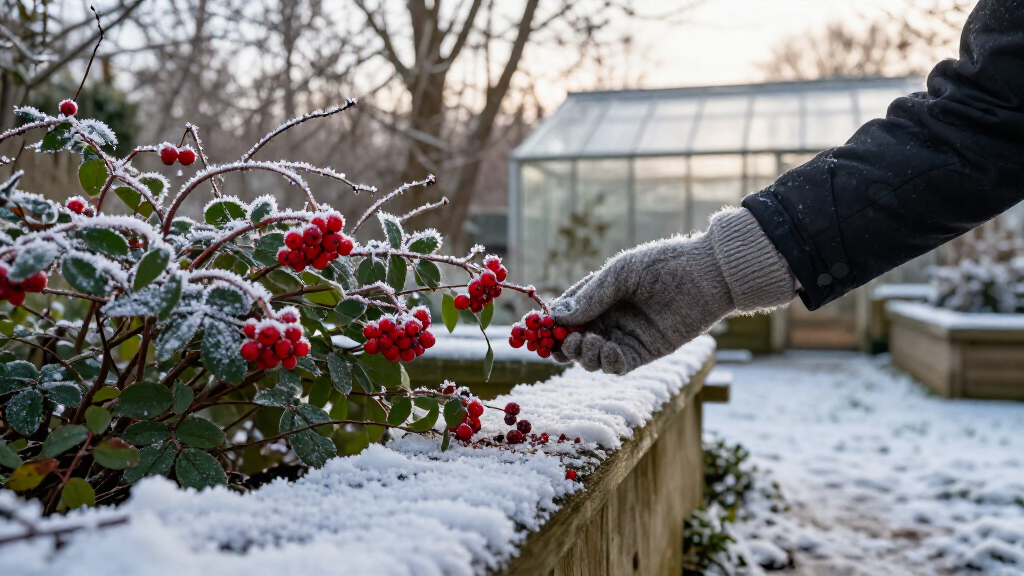
I ranked these options by how well their stated plant identity, format, and growth habit match a buyer seeking winter garden berries. I gave preference to clearly identified winterberry holly cultivars and listings that describe a living shrub in a useful container size, while separating evergreen hollies and other berry plants that serve different landscape goals. I also weighed the practical value of the format: a larger container may suit a buyer who wants a more established plant, while seeds and small pots are better for patient gardeners.
Because berry set depends on plant sex, compatible pollination, climate, and growing conditions, I treated those as key buying questions rather than assuming every listing will fruit on its own. The order reflects category fit and the information available in each product name; it is not a guarantee of performance in every garden. I placed options with clear winterberry identities and distinct uses ahead of loosely related plants or seed listings, and I note where buyers should verify details before planting.
| winter berry shrub | Sunlight | Soil |
|---|---|---|
| Live Yellow Winterberry Holly | Full sun | — |
| Berry Heavy Winterberry Holly | — | — |
| Gaultheria | — | — |
| Red Winterberry Holly Live Pla | — | — |
| Christmas Jewel Holly Live Eve | Full sun to partial shade | Well-drained |
| Ilex verticillata ‘Winter Red’ | — | — |
| Serviceberry | Full sun to partial shade | Well-drained |
| Blue Girl Holly Evergreen Shru | — | Well-draining, acidic |
| Common Snowberry Seeds | — | — |
| American Beautyberry Shrubs | Partial sun | — |
| China Girl Holly | — | Well-drained |
| Southern Gentleman Winterberry | Full sun | Moist, well-drained |
| Winterberry Holly Seeds | Full sun to partial shade | Moist, acidic loam |
| Winter Red Winterberry Shrub S | Full sun to partial shade | Moist, well-drained |
Factors to Consider When Choosing Best Winter Berry Shrubs
Choosing a winter berry shrub is less about berry color alone than about matching the plant to your climate, space, patience, and expectations for winter structure. I would check these factors before ordering, especially when a listing uses a common name that can refer to several different plants.
Confirm the Botanical Identity
Common names can blur the difference between winterberry holly and other plants with winter or seasonal berries. Check the botanical name on the listing, then compare it with the plant you actually want: deciduous Ilex verticillata, evergreen holly, or a different berry shrub. This matters because foliage, mature form, and fruiting season can differ considerably. A plant sold as Gaultheria, snowberry, serviceberry, or beautyberry is not interchangeable with winterberry holly. If the listing gives only a broad common name, ask the seller to confirm the species and cultivar before ordering. This simple check can prevent a mismatch between a berry display you expected and the garden plant you receive.
Plan for Pollination Before You Plant
Many winterberry hollies are dioecious, meaning individual plants are male or female, and fruit-bearing females need a compatible male plant to pollinate them. A listing for a female cultivar may not include a pollinator, and a second holly is not automatically the right match. Check whether the seller identifies plant sex, recommends a pollinating cultivar, and gives compatible bloom timing. If you already have hollies nearby, confirm their identity and flowering overlap rather than assuming proximity is enough. Buyers with limited space may prefer a seller that clearly explains the pollination pairing. Without that planning, a healthy shrub can grow well yet produce few or no berries.
Match the Shrub to Your Garden Space and Light
Look up the mature height and spread, not just the container size or shipping height. Winterberry holly can suit rain gardens and moist garden areas, but the site still needs to match the cultivar’s light and soil preferences. Evergreen hollies offer foliage through winter, though their shape and space needs may differ from the open, deciduous winterberry habit. Avoid placing a shrub where it will quickly outgrow a path, window, or foundation planting. If your site is dry, exposed, or shaded, verify the plant’s growing requirements with the seller and local horticultural guidance. A smaller starting plant can fit a tight budget or space, but it does not change the cultivar’s eventual size.
Choose a Plant Stage That Fits Your Patience
Container shrubs, small starter plants, and seeds involve very different timelines. A larger plant can make a more immediate landscape feature, while a four-inch pot needs time to establish and grow. Seeds take the most patience and add uncertainty around germination, early care, and how soon a mature shrub will form. Compare the listed container size and plant count with your planting plan rather than assuming the product name tells you how substantial the delivery will be. New gardeners often benefit from a live plant with clear care instructions instead of starting from seed. If you enjoy propagation and can wait, seeds may suit you, but they are a poor choice when you need winter color soon.
Decide Whether Winter Foliage or Berries Matter More
Deciduous winterberry holly drops its leaves, leaving the berries more visible on bare stems, while evergreen hollies retain foliage for year-round structure. Those are different design effects, not simply better and worse versions of the same plant. If your priority is a bright winter silhouette, favor a fruiting deciduous shrub and plan for pollination. If you want a green screen or a leafy foundation planting, an evergreen holly may be a closer fit, though its berry production and care needs may differ. Consider what the planting will look like in summer as well as in winter. A photo showing berries alone may not communicate the shrub’s full-year appearance.
Check Climate Fit, Delivery Details, and Wildlife Expectations
Hardiness labels and local climate conditions help determine whether a shrub can thrive, but confirm the specific cultivar’s range rather than relying on a generic “hardy” claim. Also review the seller’s shipping window, plant condition policy, and instructions for unpacking and planting live material. Seeds and live shrubs can require different storage and establishment steps, so follow the directions for the format you buy. Berries may attract birds, which can add garden activity but may also shorten the time fruit stays on display. If persistent berries are your main goal, consider local bird pressure and plant more than one shrub where space permits. A well-matched plant and site are more useful than a dramatic listing photo.
Frequently Asked Questions
Do I need to buy a male winterberry holly to get berries?
Many winterberry hollies need a compatible male plant nearby for female plants to produce berries. The plants must also flower at overlapping times, so simply adding any male holly may not solve the problem. Check the cultivar’s pollination recommendations and whether the listing identifies the plant’s sex. If you already have a holly, confirm its species and flowering period before relying on it as a pollinator. When the listing leaves these details unclear, ask the seller before purchase.
Can I get winter berries from one shrub in a small garden?
Possibly, but do not assume a single plant will fruit without a compatible pollinator. First check whether the specific plant is self-fertile or whether a suitable male plant is required. If pollination needs a second shrub, consider whether a nearby compatible holly can serve that role or whether you have room for a pair. A compact garden may favor a clear planting plan over buying a plant based only on its listed container size. If berry production is the priority, confirm pollination details before choosing a one-shrub solution.
Should I choose a seed packet or a live winterberry shrub?
Choose a live shrub if you want a more direct path to an established planting and can meet its growing needs. Seeds generally require more time, successful germination, and ongoing care before they become landscape-size plants or produce berries. They can suit gardeners who enjoy starting plants and are comfortable with a slower, less predictable process. Check that the seed listing names the plant species, since “winterberry” can refer to different plants. For a near-term garden feature, a seed packet is usually the less suitable format.
Are evergreen holly listings a substitute for winterberry holly?
Not exactly. Evergreen hollies can provide leafy structure through winter, while winterberry holly is deciduous and displays berries on bare stems after its leaves fall. They may suit different garden goals, and their mature size, pollination needs, and care requirements can vary by species and cultivar. Listings such as Christmas Jewel, Blue Girl, and China Girl may appeal if evergreen foliage matters more to you. Check the botanical name and product details so the plant’s year-round appearance matches your plan.
How can I tell whether a listing is the right winterberry plant for my climate?
Look for the botanical name and cultivar, then check the seller’s hardiness information against your local growing conditions. A broad claim such as “hardy” does not confirm that a particular plant will suit your winter temperatures, summer heat, soil, or moisture. Local extension services or regional nursery guidance can help you compare that information with conditions in your area. Also check whether the plant needs a particular amount of sun or consistently moist soil. If the listing lacks a hardiness range or clear identity, request those details before ordering.
Conclusion
For most buyers focused on a winter berry display, I would start with Berry Heavy Winterberry Holly as the best overall choice, then verify pollination needs and site fit. Best value depends on whether you prioritize a larger plant or are comfortable waiting for a smaller starter to establish; compare the listed container size and plant count rather than relying on the name alone. For a best premium evergreen presence, consider the larger-container holly options, particularly Christmas Jewel, if year-round foliage is part of the goal. Beginners are better served by a clearly identified live shrub with care and pollination guidance than by seeds. For specific needs, choose Winter Red for a classic deciduous winterberry direction, an evergreen holly for winter foliage, or a non-holly berry shrub only when its distinct plant identity suits your garden. My final check before buying would be the botanical name, mature size, climate fit, and pollinator plan.