The best winter-hardy potted plants combine cold tolerance with a size and care routine suited to containers; my best overall pick is Ivory Prince hellebore for its evergreen foliage and winter-to-spring flowers. For lasting structure, Dwarf Alberta spruce offers a compact evergreen form, while wintergreen adds berries and low-growing color. The tradeoff is that hardiness varies by plant and climate, and roots in pots face more cold exposure than roots in the ground. Some choices bring flowers or fragrance but need more shelter, while others prioritize year-round foliage over blooms. Read on for the full comparison and help matching a plant to your winter conditions.

Get garden gear delivered free with Prime
- Fast, free delivery on millions of items
- Prime Video, Amazon Music and more included
- Member-only deals all year
Complete the kit


Key Takeaways
- Ivory Prince hellebore stands out as the all-around choice for winter interest: it pairs evergreen leaves with flowers, but needs shade and evenly moist, well-drained soil.
- Dwarf Alberta spruce is the strongest pick for a tidy evergreen silhouette, though its slow growth and need for good drainage make it less suited to buyers seeking fast seasonal color.
- Wintergreen and the four-pack of pansies serve different small-space needs: wintergreen offers persistent foliage and berries, while pansies deliver quick color but are less of a long-term shrub investment.
- The two Obsession nandina listings differ mainly by container size; the larger plant can provide a fuller start, while the one-gallon option is easier to fit into a smaller planting plan.
- Several listings are only promising choices when matched to a mild or protected climate: gardenia, eucalyptus, camellia, and windmill palm need more attention to local cold exposure than the hardier compact evergreens and hellebores.
| Perfect Plants Yuletide Sasanqua Camellia Live Plant, 3 Gallon |  | Best for Winter Flowers in Mild Climates | Plant type: Sasanqua camellia shrub | Pot size: 3 gallons | Mature size: Up to 10 ft tall × 8 ft wide | VIEW LATEST PRICE | See Our Full Breakdown |
| Baby Blue Eucalyptus Live Starter Plant, 2–5 Inches Tall |  | Best Fragrant Foliage Starter | Plant type: Baby Blue Eucalyptus starter plant | Plant height: 2–5 inches | USDA hardiness zones: 8–11 | VIEW LATEST PRICE | See Our Full Breakdown |
| Southern Living Obsession Nandina Shrub, 2-Gallon |  | Best for Seasonal Foliage | Plant type: Nandina shrub | Container size: 2 gallons | USDA hardiness zones: 6–10 | VIEW LATEST PRICE | See Our Full Breakdown |
| Gaultheria procumbens (Wintergreen) Evergreen Plant, #1 Container |  | Best for Cold-Climate Compact Pots | Plant type: Evergreen ground cover | Container size: #1 | Mature size: 3–6 in H × 6–12 in W | VIEW LATEST PRICE | See Our Full Breakdown |
| Mixed Lenten Rose (Hellebore) Plants, 3-Pack, 2.5-Inch Pots |  | Best for Shade and Early Blooms | Plant: Lenten rose (Helleborus) | Quantity: 3 plants | Pot size: 2.5 inches | VIEW LATEST PRICE | See Our Full Breakdown |
| Helleborus × ‘Ivory Prince’ Christmas Rose Live Perennial Plant, 1-Gallon |  | Best for Shady Winter Containers | Plant type: Perennial | Variety: Helleborus × ‘Ivory Prince’ | Container size: 1 gallon | VIEW LATEST PRICE | See Our Full Breakdown |
| Perfect Plants Frostproof Gardenia Live Plant, 1-Gallon Pot |  | Best for Fragrance in Mild-Winter Gardens | Plant type: Evergreen shrub | Pot size: 1 gallon | Mature height: 5 feet | VIEW LATEST PRICE | See Our Full Breakdown |
| Snowball Viburnum Live Shrub Plant, 4-Inch Pot |  | Best for Flexible Sun Exposure | Plant type: Flowering shrub | Pot size: 4 inches | Sunlight exposure: Full sun or partial shade | VIEW LATEST PRICE | See Our Full Breakdown |
| Pink Viburnum Live Shrub, 4–6 Inches Tall |  | Best for Colder Zones | Plant height: 4–6 inches | Mature size: 3–8 feet tall and wide | Flower color: Pink or white | VIEW LATEST PRICE | See Our Full Breakdown |
| Windmill Palm Tree in 3-Gallon Grower’s Pot |  | Best Tropical Statement for Mild Winters | Plant type: Live windmill palm tree | Pot size: 3-gallon grower’s pot | Mature height: 25–30 feet | VIEW LATEST PRICE | See Our Full Breakdown |
| Pansies, Grower’s Choice Assorted Colors, 4-Pack |  | Best for Colorful Winter Blooms | Plant type: Live annual flower | Color: Assorted | Pack size: 4 plants | VIEW LATEST PRICE | See Our Full Breakdown |
| Dwarf Alberta Spruce (Picea glauca ‘Conica’), #2 Container |  | Best for Evergreen Structure and Low Maintenance | Plant type: Shrub and hedge plant | Mature height: 6–8 ft | Mature spread: 3–4 ft | VIEW LATEST PRICE | See Our Full Breakdown |
| Frostproof Gardenia (Gardenia jasminoides), 4–5-Inch Bare-Root Plant |  | Best for Fragrant, Evergreen Blooms | Plant type: Evergreen flowering shrub | Plant form: Bare root | Plant height: 4–5 inches | VIEW LATEST PRICE | See Our Full Breakdown |
| Perfect Plants Obsession Nandina Shrub, 1 Gallon Live Plant |  | Best for Colorful Foliage and Low Maintenance | Plant type: Outdoor shrub | Container size: 1 gallon | Mature size: 3–4 feet tall and wide | VIEW LATEST PRICE | See Our Full Breakdown |
| winter-hardy potted plant | Plant type | USDA hardiness zones | Sunlight |
|---|---|---|---|
| Perfect Plants Yuletide Sasanq | Sasanqua camellia shrub | 7–10 | Partial sun |
| Baby Blue Eucalyptus Live Star | Baby Blue Eucalyptus starter plant | 8–11 | Full sun |
| Southern Living Obsession Nand | Nandina shrub | 6–10 | — |
| Gaultheria procumbens | Evergreen ground cover | 3–8 | — |
| Mixed Lenten Rose | — | 4–9 | — |
| Helleborus × ‘Ivory Prince’ Ch | Perennial | 5–8 | Partial to full shade |
| Perfect Plants Frostproof Gard | Evergreen shrub | — | Full sun to partial shade |
| Snowball Viburnum Live Shrub P | Flowering shrub | 5–9 | — |
| Pink Viburnum Live Shrub | — | 3–9 | — |
| Windmill Palm Tree in 3-Gallon | Live windmill palm tree | 8–11 | — |
| Pansies | Live annual flower | — | Full to partial sun |
| Dwarf Alberta Spruce | Shrub and hedge plant | — | Full sun or partial shade |
| Frostproof Gardenia | Evergreen flowering shrub | — | — |
| Perfect Plants Obsession Nandi | Outdoor shrub | 6–10 | Full sun or partial shade |
More Details on Our Top Picks
Perfect Plants Yuletide Sasanqua Camellia Live Plant, 3 Gallon
Yuletide Sasanqua Camellia earns its place for gardeners who want a substantial evergreen shrub with vivid flowers during the colder part of the year. Its red blooms with yellow centers arrive from late winter into early spring, while glossy foliage remains after the display ends. Compared with the compact Wintergreen, this camellia makes a much larger statement and can help form a privacy screen; it also arrives in a 3-gallon pot with established roots, rather than as a tiny starter plant like Baby Blue Eucalyptus.
The tradeoff is space and climate: its mature size can reach 10 feet tall and 8 feet wide, and its listed hardiness is limited to USDA zones 7–10. It is an outdoor shrub, not a plant for a small indoor pot, and regular watering is part of its care. Shipping excludes several states, so check availability before choosing it.
Pros:- Glossy evergreen foliage supplies year-round structure
- Red flowers add color from late winter into early spring
- Established roots in a 3-gallon pot give it a head start
- Can serve as a privacy shrub and attracts pollinators
Cons:- Mature size is too large for many permanent containers or compact patios
- Regular watering is needed
- Outdoor use and zone 7–10 hardiness rule it out for colder climates; shipping excludes California, Alaska, Hawaii, and Arizona
Best for: Gardeners in USDA zones 7–10 with room for a large outdoor container shrub or a plan to plant it in the landscape.
Not ideal for: Small-space or indoor growers, and gardeners in colder zones who need a plant rated for harsher winters.
- Plant type:Sasanqua camellia shrub
- Pot size:3 gallons
- Mature size:Up to 10 ft tall × 8 ft wide
- USDA hardiness zones:7–10
- Sunlight:Partial sun
- Watering:Regular
- Flower color:Red with yellow centers
- Bloom period:Late winter to early spring
- Use:Outdoor
Our verdict“Choose this camellia for a roomy, mild-winter garden where winter blooms and evergreen screening matter more than compact size.”
Baby Blue Eucalyptus Live Starter Plant, 2–5 Inches Tall
Baby Blue Eucalyptus is the choice here for buyers drawn to scented, silver-blue foliage and willing to grow a plant from a very small start. At just 2–5 inches tall, it is less immediately substantial than the 3-gallon Yuletide Camellia, but its container-ready format lets growers keep it in a pot before transplanting. Its fragrance and distinctive rounded leaves also set it apart from the flower-focused Mixed Lenten Rose.
Winter hardiness is its limit: the listing gives USDA zones 8–11, so it is a poor match for genuinely cold-winter locations despite the “cold hardy” description. It wants full sun, which can be harder to provide indoors or on a shaded patio, and its expected mature height of 12 feet means this is not a permanently compact pot plant. I would choose it for foliage character, not for the widest cold tolerance.
Pros:- Fragrant rounded leaves have distinctive silver-blue color
- Can be grown in a container before transplanting
- Suitable for indoor or outdoor growing when light needs are met
- Moderate watering and loam soil are specified
Cons:- Hardiness is limited to USDA zones 8–11
- Full sun can be difficult to provide in many indoor settings
- A 2–5-inch starter requires time to grow and may reach 12 feet
Best for: Sunny-patio gardeners in USDA zones 8–11 who want fragrant foliage and can raise a small starter plant in a container.
Not ideal for: Growers in colder zones, low-light homes, or anyone seeking a full-sized plant or winter flowers on arrival.
- Plant type:Baby Blue Eucalyptus starter plant
- Plant height:2–5 inches
- USDA hardiness zones:8–11
- Indoor/outdoor use:Indoor and outdoor
- Sunlight:Full sun
- Watering:Moderate
- Soil type:Loam
- Expected mature height:12 feet
- Quantity:1 plant
Our verdict“Pick this eucalyptus for scented blue foliage in a sunny, relatively mild climate, not as a cold-zone winter survivor.”
Southern Living Obsession Nandina Shrub, 2-Gallon
Obsession Nandina suits container gardeners who value changing foliage more than a show of winter flowers. Its colorful leaves provide seasonal interest, and its USDA zone 6–10 rating reaches colder conditions than the Yuletide Camellia or Baby Blue Eucalyptus. The 2-gallon container also offers a middle ground between the camellia’s larger planting and the tiny eucalyptus starter. Sun to part shade gives it more placement flexibility than the eucalyptus, which calls for full sun.
Its appeal is foliage and relatively low maintenance, not a specified bloom or berry display. The care notes call for watering twice weekly until established, then weekly, so it is not a set-and-forget choice during its first stage. Compared with Wintergreen, it has a broader, more upright shrub role rather than a very low ground-cover habit. The listing does not provide mature dimensions, so buyers planning a tightly sized container arrangement have less sizing guidance.
Pros:- Colorful foliage adds seasonal interest
- Zone 6–10 hardiness covers colder areas than the camellia and eucalyptus listings
- Grows in sun to part shade
- Low-maintenance care after establishment
Cons:- Requires watering twice weekly until established and weekly afterward
- No flower or fruit display is specified
- Mature dimensions are not supplied for container planning
Best for: Gardeners in USDA zones 6–10 who want seasonal foliage color in a patio container and can water consistently while the shrub establishes.
Not ideal for: Buyers seeking winter flowers, persistent berries, or a clearly specified compact mature size.
- Plant type:Nandina shrub
- Container size:2 gallons
- USDA hardiness zones:6–10
- Light:Sun to part shade
- Watering until established:Twice per week
- Watering after establishment:Once per week
- Maintenance:Low
Our verdict“Choose Obsession Nandina for seasonal leaf color and broader zone coverage, provided you can manage its establishment watering.”
Gaultheria procumbens (Wintergreen) Evergreen Plant, #1 Container
Wintergreen is the strongest fit in this group for a compact pot exposed to colder winters: its listed range extends to USDA zone 3, well beyond the camellia’s zone 7 minimum and the eucalyptus’s zone 8 minimum. At just 3–6 inches tall and 6–12 inches wide, it stays far more manageable than those shrubs. Dark evergreen leaves, white flowers, and persistent red berries give a small container several kinds of seasonal interest, including edible fruit.
That low, spreading habit is also a limitation: it will not provide height, privacy, or the substantial shrub presence of Obsession Nandina. It prefers partial sun to full shade and moderate watering, so exposed, hot, sunny placements are not its best setting. The rooted #1-container plant can be planted when weather permits, but arrival timing and local conditions matter. For a small cold-climate pot, it is more directly suited than the larger flowering shrubs.
Pros:- Hardy to USDA zone 3, the broadest cold tolerance among these five picks
- Compact dimensions suit small containers
- Persistent red berries complement evergreen foliage and white flowers
- Edible berries and moderate watering needs
Cons:- Low, spreading growth will not create height or screening
- Best suited to partial sun through full shade rather than full sun
- Planting on arrival depends on suitable weather
Best for: Cold-climate gardeners in USDA zones 3–8 who need a low-growing evergreen for a shaded container, with berries for added color.
Not ideal for: Buyers who want a tall focal plant, a privacy screen, or a container location with strong full sun.
- Plant type:Evergreen ground cover
- Container size:#1
- Mature size:3–6 in H × 6–12 in W
- USDA hardiness zones:3–8
- Sun exposure:Partial sun to full shade
- Soil type:Loam
- Soil moisture:Moderate watering
- Flower and fruit:White flowers; persistent red berries
- Blooming period:Winter
Our verdict“Choose Wintergreen when cold hardiness and a compact, shaded container matter more than height or a large floral display.”
Mixed Lenten Rose (Hellebore) Plants, 3-Pack, 2.5-Inch Pots
Mixed Lenten Rose brings an early flower display to shady spaces, with three plants that can produce blooms from winter into the early season. Its evergreen foliage remains after flowering, so it offers more lasting structure than a seasonal bedding plant such as pansies. Rated for USDA zones 4–9, it also handles colder climates better than Yuletide Camellia and Baby Blue Eucalyptus, though Wintergreen reaches farther into cold zones and stays much smaller.
These hellebores suit partial to full shade and grow 18–24 inches tall, making them a better choice when a pot needs noticeable height without becoming a large shrub. The three plants arrive in small 2.5-inch pots, so they need careful establishment rather than delivering an instant full container. Flower colors are mixed and cannot be selected, and extreme shipping temperatures can affect arrival. Choose them for shade, winter-to-early-season blooms, and a multi-plant grouping—not precise color control.
Pros:- Three plants can create a fuller grouped planting than a single starter
- Flowers can appear in winter or early season
- Glossy evergreen foliage remains year-round
- Tolerates full to partial shade and is listed for zones 4–9
Cons:- Mixed flower colors cannot be chosen in advance
- Small 2.5-inch pots require careful establishment
- Sensitive to extreme shipping temperatures and suitable planting conditions
Best for: Shade gardeners in USDA zones 4–9 who want several evergreen perennials with winter or early-season flowers in a container grouping.
Not ideal for: Buyers who need a guaranteed flower color, a full-sized instant arrangement, or a plant for full-sun exposure.
- Plant:Lenten rose (Helleborus)
- Quantity:3 plants
- Pot size:2.5 inches
- Bloom season:Winter to early season
- Height:18–24 inches
- USDA hardiness zones:4–9
- Light:Full shade to partial shade
- Foliage:Evergreen
Our verdict“Pick this hellebore set for a shady, cold-hardy container with early flowers, as long as mixed colors and establishment care suit your plans.”
Helleborus × ‘Ivory Prince’ Christmas Rose Live Perennial Plant, 1-Gallon
Ivory Prince is a strong pick for a sheltered, shaded pot where evergreen foliage matters as much as flowers. Its leathery, silver-veined leaves provide winter structure, while reddish-pink buds open into creamy blooms with pink and green tones in early to mid-spring. The rooted 1-gallon plant gives buyers a more established start than the 4-inch Snowball Viburnum, though it calls for a different setting: partial to full shade and rich, well-drained soil. Its 12–18-inch height suits borders and containers, but its spread can reach 18–24 inches, so it needs room across the pot. This is a better match for shaded patios than the sun-loving Pink Viburnum. Skip it for sunny, soggy spots; poor drainage and too much sun work against its preferred growing conditions.
Pros:- Evergreen, silver-veined foliage adds visual structure through winter
- Rooted 1-gallon plant arrives ready to plant
- Creamy flowers bring pink and green tones in early to mid-spring
- Works in containers, borders, rock gardens, and as groundcover
Cons:- Needs partial to full shade, limiting placement options
- Requires rich, well-drained soil and is a poor fit for persistently wet pots
Best for: Gardeners in USDA zones 5–8 who want evergreen foliage and early spring flowers in a shaded outdoor container or border.
Not ideal for: Buyers with hot, exposed, full-sun patios or containers that stay waterlogged, since this hellebore prefers shade and well-drained soil.
- Plant type:Perennial
- Variety:Helleborus × ‘Ivory Prince’
- Container size:1 gallon
- Mature height:12–18 inches
- Recommended spread:18–24 inches
- USDA hardiness zones:5–8
- Sunlight:Partial to full shade
- Flower color:Creamy white flushed with pink and green
- Foliage:Evergreen, leathery, silver-veined
Our verdict“Choose Ivory Prince for a shaded pot or border where evergreen leaves and early spring flowers matter more than winter blooms.”
Perfect Plants Frostproof Gardenia Live Plant, 1-Gallon Pot
Frostproof Gardenia earns its place for fragrant white spring-to-summer flowers and deep green evergreen foliage, rather than for the broadest cold-hardiness range in this group. It is a shrub intended for full sun to partial shade, reaching about 5 feet tall and 4 feet wide, so it is better suited to a roomy patio pot or planted border than a compact container. Compared with Ivory Prince, this gardenia offers scent and a larger shrub presence but needs a brighter position and more space; the hellebore is the better fit for shade and colder zones 5–8. This plant is deer-resistant and includes plant food, while its shape reportedly needs no pruning. Check the shipping restriction before buying: it does not ship to California or Arizona, and the supplied information does not give a USDA hardiness zone.
Pros:- Fragrant white blooms appear in spring and summer
- Deep green foliage provides evergreen structure
- Deer-resistant and suitable for borders, low hedges, or garden accents
- Includes plant food and does not need pruning to maintain its shape
Cons:- Does not ship to California or Arizona
- Mature size of about 5 feet by 4 feet calls for substantial space
- No USDA hardiness-zone range is provided in the product information
Best for: Gardeners in suitable shipping locations with a bright, sheltered patio or border who want fragrant flowers and evergreen shrub foliage.
Not ideal for: Buyers in California or Arizona, gardeners needing a confirmed hardiness-zone match, or anyone with a small pot or deeply shaded site.
- Plant type:Evergreen shrub
- Pot size:1 gallon
- Mature height:5 feet
- Mature width:4 feet
- Flower color:White
- Blooming season:Spring to summer
- Sunlight:Full sun to partial shade
- Special features:Fragrant, deer-resistant
- Shipping restriction:Does not ship to California or Arizona
Our verdict“Pick this gardenia for a bright, roomy spot in an eligible shipping area if fragrant seasonal flowers are your priority.”
Snowball Viburnum Live Shrub Plant, 4-Inch Pot
The Snowball Viburnum suits gardeners who can give a shrub either full sun or partial shade and want seasonal white flowers, with cold tolerance listed for zones 5–9. Unlike Ivory Prince, which keeps evergreen leaves through winter, this viburnum goes dormant, so it offers less cold-season display in exchange for broader light flexibility. Its 4-inch pot is a modest starting size compared with the gardenias and hellebore supplied in 1-gallon pots; buyers should be prepared for a smaller plant at arrival and time for it to establish. The listing describes it for gardens, patios, and balconies, but gives no mature dimensions, so it is harder to judge long-term fit in a container. Choose it for seasonal blooms, not winter foliage, and plan around dormancy when the shrub loses its active-season presence.
Pros:- Listed as hardy in USDA zones 5–9
- Grows in full sun or partial shade
- White seasonal flowers bring spring or seasonal interest
- Suitable for gardens, patios, and balconies
Cons:- Goes dormant in winter rather than retaining foliage
- Ships in a 4-inch pot, a smaller starting size than the 1-gallon Ivory Prince
- Mature height and spread are not provided
Best for: Gardeners in USDA zones 5–9 who have sun or partial shade and are willing to grow a small-start shrub for seasonal flowers.
Not ideal for: Buyers who want evergreen winter color, need a known mature size for a small patio, or expect a large established shrub on arrival.
- Plant type:Flowering shrub
- Pot size:4 inches
- Sunlight exposure:Full sun or partial shade
- Flower color:White
- USDA hardiness zones:5–9
- Winter behavior:Dormant
- Unit count:1
Our verdict“Choose Snowball Viburnum if flexible sun placement and seasonal flowers matter more than evergreen winter display or a specified mature size.”
Pink Viburnum Live Shrub, 4–6 Inches Tall
With a listed range of USDA zones 3–9, Pink Viburnum covers colder conditions than the Snowball Viburnum, which is listed for zones 5–9. Its spring clusters may be pink or white, and its broad hardiness range makes it a useful choice for gardeners planning a durable landscape shrub. The main catch for a potted-plant roundup is scale: the plant arrives only 4–6 inches tall, yet may eventually reach 3–8 feet tall and wide. That gap means patience during establishment and, eventually, a large container or a move into the garden. Unlike the shade-tolerant Ivory Prince, this viburnum prefers full sun and needs moderate watering while it establishes in well-drained soil. Its cold tolerance is the draw, but the small starter size and potentially expansive mature dimensions make it less convenient for permanent patio pots.
Pros:- Listed for a wide USDA hardiness range of zones 3–9
- Spring flowers may be pink or white
- Can serve as a border, hedge, or landscape shrub
- Described as minimally maintained once established
Cons:- Arrives only 4–6 inches tall and needs time to establish
- Mature size of 3–8 feet tall and wide may outgrow a patio pot
- Prefers full sun and moderate watering during establishment
Best for: Gardeners in colder regions, especially zones 3–4, who can provide full sun and room for a long-term shrub or hedge.
Not ideal for: Small-space container growers who need an established plant, want a compact mature shrub, or cannot provide full sun and regular establishment watering.
- Plant height:4–6 inches
- Mature size:3–8 feet tall and wide
- Flower color:Pink or white
- USDA hardiness zones:3–9
- Sun exposure:Full sun
- Water needs:Moderate watering
- Soil:Well-drained
- Indoor/outdoor use:Indoor and outdoor
Our verdict“Choose Pink Viburnum for a sunny landscape in a cold-winter region if you can accommodate its small start and substantial mature size.”
Windmill Palm Tree in 3-Gallon Grower’s Pot
Windmill Palm is the statement choice here: it brings a tropical look while being listed for USDA zones 8–11, warmer than the zone 3–9 Pink Viburnum or zone 5–8 Ivory Prince. Its 3-gallon grower’s pot offers a larger start than the 4-inch Snowball Viburnum, but the long-term footprint is the bigger concern: the palm can reach 25–30 feet tall and 6–10 feet wide. That makes it a landscape investment rather than a practical permanent container plant for most patios. Once established, it is described as low-maintenance and tolerant of drought and salt, with growth of up to 8 inches per year. Cold-tolerant does not mean suitable for every winter; the listed zones are limited to 8–11. Buyers should also plan for overhead clearance as it grows.
Pros:- Cold-tolerant palm option for USDA zones 8–11
- Adds a tropical look to a landscape
- Low-maintenance once established
- Tolerates drought and salt once established
Cons:- Mature height of 25–30 feet requires substantial overhead clearance
- Mature width of 6–10 feet is too large for many permanent container setups
- Listed hardiness range excludes colder zones covered by Ivory Prince and both viburnums
Best for: Gardeners in USDA zones 8–11 seeking a tropical-looking landscape specimen with room to grow and who can plan for its mature height.
Not ideal for: Gardeners in colder zones, small-patio container growers, or anyone with nearby power lines or limited overhead clearance.
- Plant type:Live windmill palm tree
- Pot size:3-gallon grower’s pot
- Mature height:25–30 feet
- Mature width:6–10 feet
- USDA hardiness zones:8–11
- Growth rate:Up to 8 inches per year
- Care:Low maintenance once established
- Tolerances:Drought and salt tolerant once established
Our verdict“Choose this palm for a warm-winter landscape with ample space, not for a compact pot or a garden colder than zone 8.”
Pansies, Grower’s Choice Assorted Colors, 4-Pack
This 4-pack of live pansies stands out for their vibrant, assorted blooms that brighten patios and gardens through multiple seasons, including winter. Unlike evergreen options, pansies offer immediate, colorful visual impact and edible flowers, making them ideal for decorative use. However, their need for consistent moisture and feeding can be a drawback, especially in colder months when watering is less frequent. Compared with the Perfect Plants Frostproof Gardenia, pansies provide more seasonal color, but they won’t offer the same evergreen coverage or fragrance. This choice makes the most sense for gardeners seeking lively, adaptable containers that bloom from fall through winter, provided they can maintain moderate watering.
Pros:- Assorted colorful blooms brighten dull winter days
- Suitable for both gardens and containers
- Can bloom across multiple seasons, including winter
- Edible flowers add culinary value
Cons:- Requires regular moisture and feeding to stay vibrant
- Less hardy in extremely cold or snowy conditions
Best for: Homeowners who want seasonal color and edible flowers in their containers during cold months
Not ideal for: Gardeners seeking long-term evergreen foliage or low-maintenance plants that require minimal care
- Plant type:Live annual flower
- Color:Assorted
- Pack size:4 plants
- Expected height:Up to 9 inches
- Sunlight:Full to partial sun
- Soil:Well-draining
- Watering:Moderate; keep soil moist
- USDA hardiness zone:6+
- Blooming seasons:Spring, summer, fall, and winter
Our verdict“This pick is ideal for those who want bright, seasonal color with edible flowers, assuming they can meet its watering needs.”
Dwarf Alberta Spruce (Picea glauca ‘Conica’), #2 Container
The Dwarf Alberta Spruce offers a dependable, slow-growing evergreen with a distinctive pyramidal shape, ideal for adding year-round greenery to landscape or container settings. Unlike the more colorful pansies, this conifer provides consistent visual interest without seasonal fuss, making it perfect for low-maintenance gardens. Its compact size and adaptability to full sun or partial shade make it suitable for smaller spaces, but planting is weather-dependent and it requires a climate within zones 3–8. Compared to the Perfect Plants Frostproof Gardenia, this spruce provides evergreen structure rather than seasonal flowers, but it demands patience during planting and careful zone consideration. It’s best for gardeners seeking a dependable, sculptural evergreen that requires minimal care long-term.
Pros:- Slow-growing, maintaining shape without pruning
- Low-maintenance and reliable performer
- Grows well in full sun or partial shade
- Arrives rooted and ready to plant
Cons:- Planting depends on suitable weather conditions
- Requires a climate within hardiness zones 3–8 for optimal survival
Best for: Gardeners wanting a durable, evergreen focal point in zones 3–8 with minimal upkeep
Not ideal for: North or south zone extremes outside 3–8 or those wanting flowering shrubs
- Plant type:Shrub and hedge plant
- Mature height:6–8 ft
- Mature spread:3–4 ft
- Sunlight:Full sun or partial shade
- Hardiness zones:3–8
- Expected planting period:Spring
- Soil type:Clay
- Watering:Moderate
- Weight:5 lb
Our verdict“This pick suits those wanting a consistent, low-maintenance evergreen that adds structure without seasonal blooms.”
Frostproof Gardenia (Gardenia jasminoides), 4–5-Inch Bare-Root Plant
The Frostproof Gardenia stands out for its fragrant white blooms and glossy evergreen foliage, offering a lush, aromatic presence in containers or garden beds. Compared with the spruces or pansies, this shrub provides seasonal flowers with a strong scent, though it requires a bit more attention during establishment and is limited to USDA zones 7–10. Its need for well-draining, moist soil means it’s less forgiving in heavy clay or overly dry conditions, and it demands patience as it establishes. Nonetheless, for gardeners wanting fragrant, evergreen foliage that blooms in spring and summer, this Gardenia offers a compelling mix of appeal and function, especially in milder climates.
Pros:- Fragrant white flowers enhance garden ambiance
- Evergreen foliage provides year-round greenery
- Cold-hardy variety for zones 7–10
- Suitable for hedges, foundation plantings, and containers
Cons:- Requires careful establishment after planting
- Limited to zones 7–10, not suitable for colder regions
Best for: Gardeners seeking fragrant, evergreen flowers in zones 7–10 with a focus on aesthetic and scent
Not ideal for: Cold-climate gardeners outside zones 7–10 or those preferring low-maintenance plants without bloom requirements
- Plant type:Evergreen flowering shrub
- Plant form:Bare root
- Plant height:4–5 inches
- Expected blooming period:Spring to summer
- Sunlight exposure:Full sun
- USDA hardiness zone:7–10
- Soil type:Loamy, moist but well-draining
- Moisture needs:Moderate watering
- Foliage color:Green
Our verdict“This plant suits those in milder zones wanting aromatic, evergreen blooms with a touch of elegance, but it needs patience during its first seasons.”
Perfect Plants Obsession Nandina Shrub, 1 Gallon Live Plant
The Obsession Nandina offers a compact, versatile shrub that provides striking seasonal foliage, turning fiery red in spring and shifting through a palette of reds, yellows, and bronzes in fall. Its moderate size and drought tolerance make it an excellent choice for containers, hedges, or foundation plantings, especially in USDA zones 6–10. Compared with the flowering Gardenia, Nandina focuses on colorful foliage and low maintenance, though it cannot be shipped to California or Arizona due to shipping restrictions. Its drought tolerance and deer resistance make it suitable for low-water gardens, but it requires well-draining soil and patience to establish fully. This shrub is ideal for gardeners who want year-round color with minimal effort.
Pros:- Seasonal foliage color from spring to fall
- Compact size fits containers and small spaces
- Drought tolerant and low maintenance
- Attractive, pollinator-friendly summer flowers
Cons:- Cannot be shipped to California or Arizona
- Requires well-draining soil for optimal growth
- Color variation depends on seasonal conditions
Best for: Gardeners in zones 6–10 seeking a colorful, drought-tolerant shrub for containers or landscape borders
Not ideal for: Gardeners outside zones 6–10 or those seeking fragrant or flowering plants
- Plant type:Outdoor shrub
- Container size:1 gallon
- Mature size:3–4 feet tall and wide
- Sunlight:Full sun or partial shade
- USDA hardiness zones:6–10
- Blooming period:Spring to summer
- Soil:Well-draining loam
- Watering:Moderate; water during extended dry periods
- Foliage color:Red, yellow, bronze
Our verdict“This shrub suits those wanting vibrant foliage and low upkeep in suitable zones, with a focus on drought resilience and year-round interest.”
How We Picked
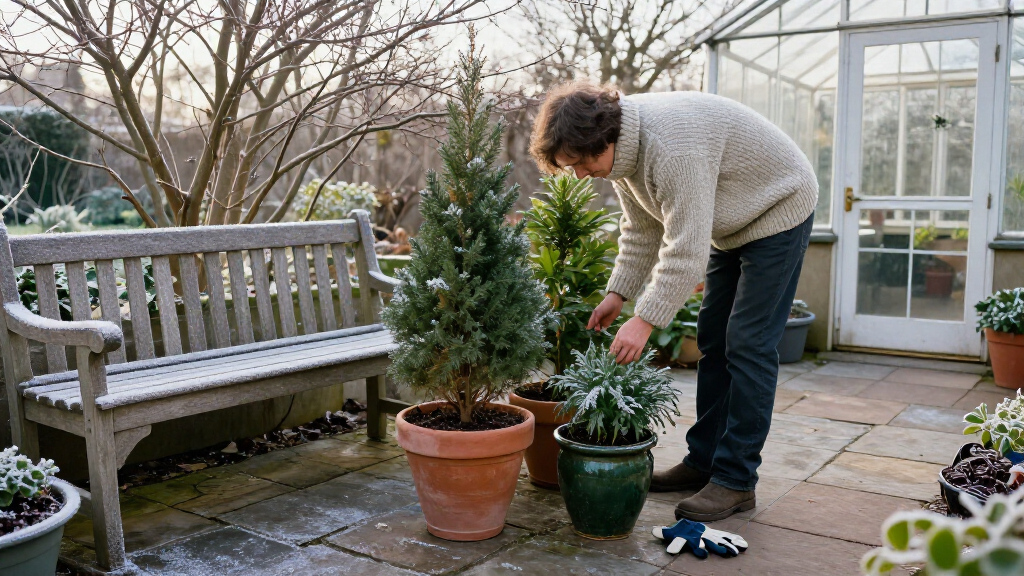
I ranked these plants by how well they suit the specific challenge of growing outdoors in containers through winter—not simply by whether a plant is described as cold-tolerant. I weighed stated hardiness and likely root exposure, mature size, container practicality, seasonal interest, and the care demands a buyer must meet. Plants with useful winter foliage or flowers and a manageable container habit scored higher than options whose success depends heavily on a mild climate or extra protection.
I also compared products that fill similar roles rather than treating each listing as interchangeable. The larger Obsession nandina is a better fit for a fuller starting display, while its one-gallon counterpart is easier to place and establish in a smaller pot. Hellebores rank highly for winter-season appeal, but the mixed three-pack offers variety while Ivory Prince is the more focused choice. These rankings reflect general container-growing tradeoffs; local winter lows, wind, pot size, and shelter can change which plant is the sensible pick.
| winter-hardy potted plant | Sunlight |
|---|---|
| Perfect Plants Yuletide Sasanq | Partial sun |
| Baby Blue Eucalyptus Live Star | Full sun |
| Southern Living Obsession Nand | — |
| Gaultheria procumbens | — |
| Mixed Lenten Rose | — |
| Helleborus × ‘Ivory Prince’ Ch | Partial to full shade |
| Perfect Plants Frostproof Gard | Full sun to partial shade |
| Snowball Viburnum Live Shrub P | — |
| Pink Viburnum Live Shrub | — |
| Windmill Palm Tree in 3-Gallon | — |
| Pansies | Full to partial sun |
| Dwarf Alberta Spruce | Full sun or partial shade |
| Frostproof Gardenia | — |
| Perfect Plants Obsession Nandi | Full sun or partial shade |
Factors to Consider When Choosing Best Winter-hardy Potted Plants
Choosing a winter-hardy plant for a pot takes more than matching a hardiness label to your region. Container roots experience colder conditions than roots in the ground, and plants differ in how much shelter, water, and room they need. I would make the decision by checking the site and the plant’s mature habits before choosing a variety.
Match Cold Hardiness to the Pot, Not Just Your Garden
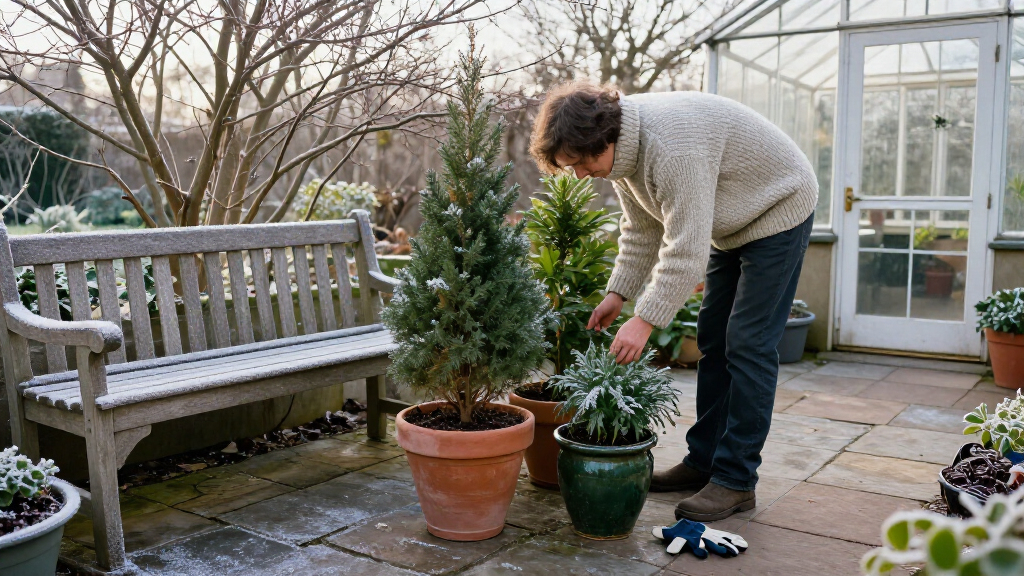
A plant that survives winter in the ground may struggle in a container because cold reaches the root ball from the sides as well as the surface. Check the plant’s stated hardiness range, then allow for the fact that exposed balconies, paved yards, and windy corners can run colder than a sheltered garden. A larger pot generally buffers temperature swings better than a small nursery container, but it also takes more space and can be harder to move. In colder areas, group pots near a wall or use a protected, unheated space when appropriate for the plant. Do not assume a sunny position solves winter cold; winter sun can warm foliage while roots remain frozen. If your site falls near the plant’s hardiness limit, choose a tougher species or plan a way to protect the container.
Plan for Mature Size and Root Space
Nursery pot size tells you how the plant is shipped, not the size of the container it will need long term. Shrubs such as camellia, gardenia, and viburnum may outgrow a small patio pot, while compact spruce and low-growing wintergreen are easier to keep in a defined space. Look up mature width as well as height; a plant that fits beneath a window now may later crowd a path or block light. A small start can be useful when you want to shape the planting yourself, but it may take longer to create a full display. Avoid choosing a pot that is far larger than the root system without considering drainage and watering habits. When space is limited, prioritize naturally compact growth over repeated pruning.
Choose Winter Interest That Fits Your Priorities
Winter appeal can come from evergreen leaves, berries, flowers, fragrance, or a strong architectural shape, and no single plant offers all of these equally. Hellebores are attractive to buyers who want flowers during the colder season, while dwarf Alberta spruce supplies a steady green form. Wintergreen contributes berries and a low carpet-like habit, whereas pansies are better for immediate color than permanent structure. Fragrant flowering shrubs may bring a different kind of seasonal reward, but their bloom timing and cold protection needs depend on climate. Decide whether you want a lasting foundation plant or a seasonal accent before buying. Mixing one structural evergreen with a smaller flowering or berrying plant can spread interest across the season without asking one pot to do everything.
Check Sun, Shade, and Exposure Before Ordering
Light needs can rule out an otherwise appealing plant, particularly where a patio is shaded by buildings or exposed to strong afternoon sun. Compare the plant’s light preference with the actual hours of direct sun at the intended pot location during winter, when the sun sits lower. Wind can dry foliage and chill roots, so an exposed rooftop or balcony calls for a more sheltered choice than a protected courtyard. A sunny, warm wall may help some plants, but it can also cause early growth or uneven drying. Consider whether you can move the pot as seasons change; a lightweight seasonal plant is easier to reposition than a large shrub. Matching exposure first prevents the common mistake of buying for appearance and then trying to correct the site with extra care.
Compare Establishment, Watering, and Ongoing Care
Plants sold in larger nursery pots often offer a more developed starting point, but they are heavier and may still need a larger permanent container. Bare-root plants and small starters can be easier to ship or handle, yet they need careful planting and consistent attention while establishing. Winter does not remove watering needs: evergreen foliage can lose moisture, and pots may dry out during mild, windy spells even when growth is slow. At the same time, saturated soil can damage roots, especially when drainage is poor or a pot sits in standing water. Check whether the species prefers consistently moist soil or sharper drainage, and use a container with open drainage holes. Choose the option whose care demands you can meet through the whole year, not just during its flowering period.
Decide When a Larger or More Specialized Plant Is Worth It
A more established plant can give a patio a fuller look sooner, but size alone does not make a listing a better choice. The larger Obsession nandina offers a more substantial starting point than the one-gallon listing, while the smaller one is easier to position and may suit a tighter budget or a gradual planting plan. Specialized plants such as gardenia, eucalyptus, and windmill palm can be rewarding when your climate and protection options fit their needs, but they are poor impulse choices for exposed cold sites. Before choosing a premium-size specimen, check how heavy the container will be once filled and watered. Pay more for a larger plant when immediate presence matters and the pot, site, and care plan are ready. For a first attempt or uncertain location, a compact, resilient plant can be the safer investment.
Frequently Asked Questions
Can a winter-hardy plant stay outside in its nursery pot all winter?
A nursery pot is often too small and light to protect roots through a cold season, even when the plant itself is hardy. Small containers cool faster than larger ones, and exposed plastic pots can be affected by wind and repeated freezing. If you keep the plant in its nursery pot temporarily, place it in a sheltered spot and check that drainage holes remain clear. For a permanent display, move it to a suitably sized container with a free-draining potting mix before severe weather. The safest choice depends on the plant’s hardiness and your local winter lows.
Which plants in this roundup are most suitable for a small balcony?
For a compact balcony, I would start with plants that naturally stay low or have a restrained form, such as wintergreen, pansies, or dwarf Alberta spruce. Wintergreen gives a longer-lasting ground-level display, while pansies are better when immediate flower color matters. Dwarf Alberta spruce supplies an upright evergreen accent, but its eventual size and pot weight still need planning. Avoid choosing a shrub solely because the shipped plant looks small; check its mature spread and whether you can prune it without harming its shape. Balcony exposure matters too, since wind can make winter conditions harsher than in a sheltered yard.
Are gardenias and eucalyptus reliable choices for cold-winter containers?
They are more climate-dependent than the hellebores, wintergreen, and dwarf spruce in this roundup. Gardenias and eucalyptus may suit mild regions or protected locations, but cold exposure can damage them, particularly when their roots are in a pot. Check the specific plant’s hardiness information against your local winter lows and account for balcony wind or open-yard exposure. A sheltered wall or a place to move the pot may help, though neither replaces choosing a plant suited to your climate. If severe cold is normal where you live and you cannot protect the pot, select a hardier option.
Should I choose the one-gallon or two-gallon Obsession nandina?
The larger listing is the more direct choice if you want a fuller starting plant, while the one-gallon option is easier to fit into a small container or a gradual planting plan. Neither container size determines the shrub’s long-term space needs, so check its mature dimensions before buying. A larger plant may need less time to create visual impact, but it will be heavier to handle and may need repotting soon as it grows. A smaller plant is easier to place and establish, though it may take longer to fill its space. Choose based on the display you want now and the pot and care routine you can support.
What should I do if my winter-hardy potted plant is exposed to a severe freeze?
Start with prevention: move movable pots to a sheltered location before a hard freeze and group containers together where they receive less wind. Keep drainage open, since waterlogged soil can compound cold stress, and avoid bringing outdoor-hardy plants into a heated room unless their care needs call for it. Do not prune damaged growth immediately after a freeze; wait until the risk of further cold has passed so you can judge what is still alive. Check the plant’s own cold limits, because a measure that suits a hardy evergreen may not suit a tender flowering shrub. For recurring severe freezes, choose plants and containers with more margin rather than relying on emergency protection each winter.
Conclusion
For most buyers seeking a balance of winter presence and seasonal flowers, I would choose Ivory Prince hellebore as the best overall pick, provided its shade and moisture needs suit the site. For best value, the one-gallon Obsession nandina makes sense for buyers willing to wait for a smaller plant to fill out; choose the two-gallon listing when a fuller display matters more than easy handling. The mixed hellebore pack is my choice for beginners who want variety in smaller pots, while Dwarf Alberta spruce is the best fit for a tidy evergreen focal point. For low-growing berries, choose wintergreen; for quick seasonal color, choose pansies. I would treat gardenia, eucalyptus, camellia, and windmill palm as climate-specific picks, best for buyers who can provide a suitable sheltered spot. Match the plant to your winter exposure first, then choose the size and style that fit your space.
Fall yard work Picks
leaf blowers
As an affiliate, we earn on qualifying purchases.