The Thuja Green Giant arborvitae earns my best overall pick for privacy hedging because it grows 3 to 5 feet per year, stays evergreen year-round, and tolerates a wide range of soils and climates. Close behind are the Ligustrum Recurvifolium privet, a faster-filling option for warm climates that shears into a dense formal screen, and the Emerald Green Arborvitae, which fits narrow side yards where bulkier hedges would overwhelm the space. The main tradeoff in this category is speed versus maintenance: the fastest screens, like hybrid willow cuttings and privet, need frequent pruning and can drop leaves or spread aggressively, while tidy evergreens like podocarpus and Emerald Green grow more slowly but reward you with a low-effort, permanent wall. Budget matters too — starter plugs and cuttings cost far less upfront but take an extra two to three seasons to deliver real screening compared to gallon and three-gallon plants. Keep reading for the full breakdown of all 15 options and which one fits your yard, climate, and patience level.

Get garden gear delivered free with Prime
- Fast, free delivery on millions of items
- Prime Video, Amazon Music and more included
- Member-only deals all year
Complete the kit


Key Takeaways
- Thuja Green Giant dominated the top of the ranking because it is the only option that combines 3–5 feet of annual growth, evergreen coverage, and cold hardiness across most of the U.S. — but it needs 5 to 6 feet of spacing, so it is overkill for narrow side yards.
- Arborvitae sizing drove the biggest price spread in the lineup: the same Green Giant plant ships as an 18-pack liner, a 2-foot 8-pack, and a 3-gallon single, and the larger formats deliver privacy two-plus seasons sooner for buyers who don’t want to wait.
- Privet varieties (Recurvifolium, curled leaf, and waxleaf) were the fastest hedge plants to fill in for warm climates, but every one of them is deciduous or semi-evergreen in colder zones and demands regular shearing to stay tidy.
- The Emerald Green Arborvitae and Podocarpus Maki stood out as the best picks for small spaces, staying narrow at maturity, while the hybrid willow cuttings were the cheapest per foot of screening but require the most patience and the most water.
- Buyer beware on plant count: multi-packs of tiny starts (2-inch pots, 4–6 inch seedlings, bare cuttings) look like the best value per plant but typically need a full extra growing season in the ground before they provide meaningful privacy.
- Podocarpus and Carolina Cherry Laurel filled a specific niche — dense, deer-resistant evergreen screening for Southern and coastal yards — where arborvitae struggle with heat, humidity, and browsing pressure.
| 2.25 Gal. Ligustrum Recurvifolium (Privet Shrub) |  | Best Overall | Pot Size: 2.25 Gallon | USDA Hardiness Zone: 7-11 | Sunlight Exposure: Full Sun | VIEW LATEST PRICE | See Our Full Breakdown |
| Perfect Plants Emerald Green Arborvitae, 1 Gallon |  | Best for Cold Climates | Pot Size: 1 Gallon | USDA Hardiness Zones: 3-8 | Mature Height: 8-15 feet | VIEW LATEST PRICE | See Our Full Breakdown |
| Perfect Plants Thuja Green Giant Arborvitae Liner (18-Pack), Privacy Trees |  | Best Value for Large Properties | Quantity: 18 liners | Plant Type: Thuja Green Giant Arborvitae (evergreen) | Mature Height: Up to 60 ft | VIEW LATEST PRICE | See Our Full Breakdown |
| Carolina Cherry Laurel Shrubs, 2 Live Plants, 4–6 in. Tall, 3 in. Pots |  | Best Budget Starter Pick | Quantity: 2 plants | Plant Height at Purchase: 4-6 inches | Pot Size: 3 inches | VIEW LATEST PRICE | See Our Full Breakdown |
| Perfect Plants Thuja Green Giant Arborvitae, 2 ft, 8-Pack |  | Best Head Start Multi-Pack | Quantity: 8 trees | Height at Purchase: 2 ft | Plant Type: Evergreen tree | VIEW LATEST PRICE | See Our Full Breakdown |
| Sunshine Ligustrum Plant, 1 Gallon, Golden Foliage Privacy Hedge |  | Best Colorful Hedge | Pot Size: 1 Gallon | Foliage Color: Golden-yellow | Sun Exposure: Full sun | VIEW LATEST PRICE | See Our Full Breakdown |
| Podocarpus Japanese Yew, 10 Live Plants |  | Best Low-Maintenance Evergreen | Scientific Name: Podocarpus macrophyllus | Quantity: 10 plants | Plant Type: Evergreen shrub | VIEW LATEST PRICE | See Our Full Breakdown |
| Ligustrum Recurvifolium Privet Shrub, 2.25 Gallon | | Best Fast-Filler | Plant Type: Evergreen shrub | Container Size: 2.25 Gallon | Mature Height: 8 ft (96 inches) | VIEW LATEST PRICE | See Our Full Breakdown |
| Curled Leaf Privet, 10 Live Quart-Size Plants |  | Best Value for Long Hedges | Plant: Ligustrum japonicum ‘Recurvifolium’ | Quantity: 10 live plants | Size: Quart size | VIEW LATEST PRICE | See Our Full Breakdown |
| Waxleaf Privet Live Plants, 10-Pack, 2-Inch Pots |  | Cheapest Way to Start a Screen | Plant Quantity: 10 | Pot Size: 2 inches | Plant Type: Upright deciduous, occasionally semi-evergreen shrub | VIEW LATEST PRICE | See Our Full Breakdown |
| Perfect Plants Podocarpus Maki Live Plant, 1 Gallon, Japanese Yew |  | Best Low-Maintenance Narrow Hedge | Plant Type: Evergreen shrub (Japanese Yew) | Pot Size: 1 Gallon | Mature Height: 8–10 feet | VIEW LATEST PRICE | See Our Full Breakdown |
| Perfect Plants Thuja Green Giant Arborvitae, 3 Gallon |  | Best Single-Specimen Screen Tree | Plant Type: Evergreen tree | Container Size: 3 Gallon | Growth Rate: Up to 3 feet per year | VIEW LATEST PRICE | See Our Full Breakdown |
| Green Wall Willow Privacy Tree Cuttings for Living Fences and Screens, 10 Count |  | Best Budget Barrier Project | Product Type: Willow cuttings | Quantity: 10 cuttings | Recommended Spacing: 2–3 feet apart | VIEW LATEST PRICE | See Our Full Breakdown |
| Thuja Green Giant – 10 Live Trees (Thuja standishii x plicata) Fast Growing Evergreen Privacy Screen |  | Best Bulk Planting Value for Big Screens | Quantity: 10 live trees | Botanical Name: Thuja standishii x plicata | Brand: Florida Foliage | VIEW LATEST PRICE | See Our Full Breakdown |
| Brighter Blooms Waxleaf Privet Shrub, 3 Gallon |  | Best for Formal, Shaped Hedges | Plant Type: Evergreen shrub | Foliage: Glossy | Container Size: 3 Gallon | VIEW LATEST PRICE | See Our Full Breakdown |
| privacy hedge plant | Plant Type |
|---|---|
| 2.25 Gal. Ligustrum Recurvifol | — |
| Perfect Plants Emerald Green A | — |
| Perfect Plants Thuja Green Gia | Thuja Green Giant Arborvitae (evergreen) |
| Carolina Cherry Laurel Shrubs | — |
| Perfect Plants Thuja Green Gia | Evergreen tree |
| Sunshine Ligustrum Plant | Evergreen shrub |
| Podocarpus Japanese Yew | Evergreen shrub |
| Ligustrum Recurvifolium Privet | Evergreen shrub |
| Curled Leaf Privet | Shrub and hedge |
| Waxleaf Privet Live Plants | Upright deciduous, occasionally semi-evergreen shrub |
| Perfect Plants Podocarpus Maki | Evergreen shrub (Japanese Yew) |
| Perfect Plants Thuja Green Gia | Evergreen tree |
| Green Wall Willow Privacy Tree | — |
| Thuja Green Giant | Shrub & Hedge (evergreen) |
| Brighter Blooms Waxleaf Privet | Evergreen shrub |
More Details on Our Top Picks
2.25 Gal. Ligustrum Recurvifolium (Privet Shrub)
For most homeowners, Ligustrum Recurvifolium hits the sweet spot between speed, density, and flexibility. It grows quickly into a thick screen up to 8 feet tall, and unlike the Emerald Green Arborvitae, it tolerates heavy pruning, which means you can shape it into a formal hedge or keep it at whatever height your lot allows. The 2.25-gallon pot size also gives you a meaningful head start compared with the tiny 3-inch pots in the Carolina Cherry Laurel two-pack. Spring flowers add a bonus the arborvitae options can’t match. The tradeoff: privets need consistent watering during establishment, and without regular trimming they can look loose rather than the crisp wall you get from arborvitae.
Pros:- Fast-growing evergreen that fills in a screen quickly
- Handles heavy pruning, so height and shape stay under your control
- Adaptable to varied soils and sun exposures
- Fragrant spring flowers add seasonal interest
Cons:- Needs regular watering until established
- Requires ongoing trimming to keep a tidy, dense form
- Generic brand with limited grower information
Best for: Homeowners who want a fast, shapeable evergreen screen they can maintain at a controlled height
Not ideal for: Buyers in colder climates — it’s limited to zones 7-11, so the Emerald Green Arborvitae is the safer pick in northern yards
- Pot Size:2.25 Gallon
- USDA Hardiness Zone:7-11
- Sunlight Exposure:Full Sun
- Mature Height:8 ft
- Mature Width:6 ft
- Blooming Period:Spring
- Foliage Color:Green
Our verdict“This pick makes the most sense for zone 7-11 homeowners who want a quick, customizable hedge and are willing to prune for it.”
Perfect Plants Emerald Green Arborvitae, 1 Gallon
When winter lows dip well below freezing, most hedge options on this list drop out fast — but Emerald Green Arborvitae is hardy down to USDA zone 3, making it the clear choice for northern gardeners. Its slim 3-4 foot width also solves a problem the sprawling Ligustrum Recurvifolium can’t: it fits narrow side yards and property lines without swallowing walkways. You also get deer resistance and drought tolerance in one package. The honest tradeoff is patience — roughly a foot of growth per year means a full privacy screen takes years, whereas the Carolina Cherry Laurel grows 2-3 feet annually. And at 1 gallon, expect a small starter plant that needs winter protection its first season.
Pros:- Cold hardy to zone 3, far beyond most hedge plants here
- Slim columnar form fits tight spaces and lot lines
- Deer resistant and drought tolerant once established
- Dense evergreen foliage holds year-round
Cons:- Slow growth of about 1 foot per year delays real privacy
- Small 1-gallon starter size needs coddling, including first-winter protection
Best for: Northern homeowners in zones 3-8 who need a narrow, cold-hardy screen and can wait for it to fill in
Not ideal for: Anyone wanting privacy within a year or two — the slow growth rate makes it a long-term project
- Pot Size:1 Gallon
- USDA Hardiness Zones:3-8
- Mature Height:8-15 feet
- Mature Width:3-4 feet
- Growth Rate:About 1 foot per year
- Special Features:Deer resistant, drought tolerant, compact
Our verdict“If your winters rule out privets and laurels, this is the dependable, low-fuss screen for small northern yards — just plan in years, not months.”
Perfect Plants Thuja Green Giant Arborvitae Liner (18-Pack), Privacy Trees
Covering a long property line on a budget is where this 18-pack of Green Giant liners earns its spot. On a per-plant basis, it undercuts the 8-pack of 2-foot Thuja Green Giant trees considerably — you’re trading instant size for coverage. Green Giants are famously fast for evergreens, far outpacing the Emerald Green Arborvitae, and their wide pyramidal habit creates a dense windbreak as well as a privacy screen. Compared with the Ligustrum, they eventually tower at up to 60 feet, which is either a feature or a liability depending on your lot. The catch: liners are small, so expect a couple of seasons before they deliver meaningful screening, and note the shipping restrictions to California and Arizona.
Pros:- 18 plants cover a long property line economically
- Faster growth than cold-climate arborvitae options
- Doubles as a windbreak with dense pyramidal habit
- Low maintenance and prunable once established
Cons:- Tiny liners mean years before real privacy materializes
- Cannot ship to California or Arizona
- 60-foot mature height is too large for small yards
Best for: Rural or large-lot owners fencing long boundaries who want maximum plants per dollar and don’t mind waiting
Not ideal for: Suburban buyers on small lots or anyone who needs privacy this year — the liner size and 60-foot mature height work against both
- Quantity:18 liners
- Plant Type:Thuja Green Giant Arborvitae (evergreen)
- Mature Height:Up to 60 ft
- Mature Width:Up to 20 ft
- Growth Habit:Wide-bottomed pyramidal, prunable
- USDA Hardiness Zones:5-9
Our verdict“This option stands out for large-property owners planting a long screen on a budget who can accept a slow start.”
Carolina Cherry Laurel Shrubs, 2 Live Plants, 4–6 in. Tall, 3 in. Pots
At just two plants in 3-inch pots, this Carolina Cherry Laurel set is the cheapest way to trial a hedge species before committing to a 10- or 18-pack. The payoff is real: laurels put on 2-3 feet of growth per year, roughly triple the pace of the Emerald Green Arborvitae, and deliver glossy evergreen foliage plus spring flowers and ornamental berries that pure-screen conifers never offer. Compared with the Ligustrum Recurvifolium, you also get a broader tolerance for light and soil conditions. The tradeoff is stark, though — you’re receiving 4-6 inch seedlings, so a privacy screen from this two-pack alone is years away, and expanding the hedge means reordering more plants later.
Pros:- Fast 2-3 feet of growth per year once established
- Evergreen foliage with spring flowers and ornamental berries
- Tolerates a range of soils and light conditions
- Low-cost way to trial the species
Cons:- Arrives very small at 4-6 inches tall
- Only two plants — far too few for an actual screen
- Needs attentive watering during the establishment phase
Best for: Gardeners who want to test how cherry laurel performs in their yard before investing in a full hedge order
Not ideal for: Buyers expecting any privacy in the near term — these arrive as tiny seedlings, not shrubs
- Quantity:2 plants
- Plant Height at Purchase:4-6 inches
- Pot Size:3 inches
- Growth Rate:2-3 feet per year
- Foliage:Glossy green, evergreen
- Care:Low maintenance once established
Our verdict“A sensible trial purchase for patient gardeners, but anyone wanting immediate screening should pay up for larger stock.”
Perfect Plants Thuja Green Giant Arborvitae, 2 ft, 8-Pack
This 8-pack occupies the middle ground the other Green Giant listings don’t: you get 2-foot trees, which are far ahead of the 18-pack’s bare liners, at a meaningfully lower total cost than buying eight 3-gallon specimens. For a typical suburban property line, eight 2-foot Thujas spaced properly will start reading as a hedge within a season or two — faster than the Emerald Green Arborvitae could ever manage. Like the liner pack, these grow toward 60 feet tall and 20 feet wide at maturity, so annual pruning keeps them neighborhood-friendly. The main drawbacks are climate limits — zones 5-9 only, ruling out both deep northern winters and true southern heat — and the reality that even 2-foot trees take several years to block a second-story view.
Pros:- 2-foot starting height shortens the wait compared with liners
- Eight trees cover a standard property line in one order
- Fast-growing for an evergreen, with dense screening foliage
- Prunable to a manageable size and low maintenance once established
Cons:- Mature size of 60 by 20 feet demands consistent pruning on small lots
- Restricted to USDA zones 5-9
- Still a multi-year project for full privacy
Best for: Suburban homeowners in zones 5-9 who want a real head start on a full hedge without paying for mature 3-gallon trees
Not ideal for: Gardeners outside zones 5-9 or buyers with small yards who can’t accommodate 20-foot-wide mature spread
- Quantity:8 trees
- Height at Purchase:2 ft
- Plant Type:Evergreen tree
- Mature Size:Up to 60 ft tall, 20 ft wide
- USDA Hardiness Zones:5-9
- Growth Habit:Wide-bottomed pyramidal
Our verdict“This pick makes the most sense for zone 5-9 homeowners who want the best balance between upfront size and per-tree cost for a full hedge.”
Sunshine Ligustrum Plant, 1 Gallon, Golden Foliage Privacy Hedge
Most privacy hedges trade visual interest for sheer coverage, but Sunshine Ligustrum flips that script with golden-yellow foliage that stays bright all season. Compared with the Podocarpus Japanese Yew, which offers classic dark green, this pick makes a privacy screen double as a landscape feature. Its sterile, non-invasive breeding matters too — privets have a spotty reputation for reseeding, and this cultivar sidesteps that entirely while producing no flowers or pollen, a genuine win for allergy sufferers. The tradeoff is flexibility: color and density depend on full sun, and gardeners in zone 6 will see it thin out and drop foliage in winter. Compared with the fast-filling Ligustrum Recurvifolium, it also grows at a more moderate pace, so an instant wall of green takes patience.
Pros:- Sterile, non-invasive cultivar that won’t reseed or spread into surrounding landscape
- Bright golden-yellow foliage adds year-round color to an otherwise green hedge
- Allergy-friendly — produces no flowers, blooms, or pollen
- Stays evergreen year-round in zones 7-10
Cons:- Semi-deciduous in zone 6, thinning out and losing foliage in cooler winters
- Requires full sun to maintain its signature color and density
Best for: Homeowners in warm climates (zones 7-10) who want a privacy screen that doubles as a colorful landscape feature and have allergy-sensitive household members
Not ideal for: Gardeners in zone 6 or colder, or those with shaded yards — the plant loses density and color without strong sun and goes semi-deciduous in cool winters
- Pot Size:1 Gallon
- Foliage Color:Golden-yellow
- Sun Exposure:Full sun
- USDA Zones:7-10 (semi-deciduous in zone 6)
- Plant Type:Evergreen shrub
- Invasiveness:Non-invasive, sterile cultivar
Our verdict“Choose this if you want a hedge that screens neighbors and looks like a deliberate design statement, but only if your yard gets serious sun.”
Podocarpus Japanese Yew, 10 Live Plants
For buyers who prioritize a set-and-forget hedge, this ten-pack of Podocarpus Japanese Yew is hard to beat. Its slow to moderate growth is a double-edged sword: unlike the fast-filling Waxleaf Privet, it won’t create an instant screen, but it also means far less pruning over the hedge’s life. The dark green, dense foliage delivers a refined, almost formal look that suits topiary work better than the leggier privets in this lineup, and its tolerance of urban pollution makes it a smart choice for city lots where other hedges struggle. It also handles partial shade, unlike the sun-demanding Sunshine Ligustrum. The main frustrations are the small starting size — expect years before real privacy — and the requirement for well-drained soil, which rules out soggy clay yards.
Pros:- Dense evergreen foliage provides year-round greenery with a formal, refined look
- Versatile enough for hedges, privacy screens, topiary, or standalone planting
- Tolerates both full sun and partial shade, offering flexible placement
- Very low maintenance and tolerant of urban pollution
Cons:- Slow to moderate growth means the hedge takes years to fill in
- Requires well-drained soil, limiting use in wet or heavy clay yards
Best for: Patient gardeners and urban homeowners who want a refined, low-pruning evergreen hedge and don’t mind waiting a few seasons for full coverage
Not ideal for: Anyone who needs privacy quickly — the slow growth rate and small starter plants mean a multi-year wait before the hedge fills in
- Scientific Name:Podocarpus macrophyllus
- Quantity:10 plants
- Plant Type:Evergreen shrub
- Sunlight Exposure:Full sun to partial shade
- Growth Rate:Slow to moderate
- Color:Green
- Care:Water; prefers well-drained soil
Our verdict“This pick makes the most sense for buyers who value long-term, low-effort structure over fast results.”
Ligustrum Recurvifolium Privet Shrub, 2.25 Gallon
When the goal is closing the gap on a nosy neighbor as fast as possible, this 2.25-gallon Ligustrum Recurvifolium outpaces most options here. Compared with the ten-pack of Curled Leaf Privet quart plants, the larger container gives you a meaningful head start — you’re planting a shrub, not a seedling. Its waxy green foliage fills in quickly, it shrugs off heavy pruning, and its adaptability to varied soils and sun exposures makes it forgiving for beginner hedge-growers. The spring flowers add fragrance, though that comes at a cost for allergy sufferers, who would be better served by the sterile Sunshine Ligustrum. Plan for its full footprint: 8 feet tall by 6 feet wide demands real space, and it needs consistent watering until established, so don’t plant and forget it in a drought year.
Pros:- Fast-growing evergreen that establishes privacy quickly
- Fragrant white spring flowers add seasonal appeal
- Adaptable to varied soils and sun exposures
- Handles heavy pruning well and is listed as deer resistant
Cons:- Large mature size (8 ft tall, 6 ft wide) requires substantial planting space
- Needs regular watering until established, adding early maintenance
Best for: Suburban homeowners with room to spare who want a tall, dense privacy wall established within a couple of seasons
Not ideal for: Small yards or tight side yards — at 8 feet tall and 6 feet wide at maturity, plus a need for regular watering during establishment, it outgrows compact spaces
- Plant Type:Evergreen shrub
- Container Size:2.25 Gallon
- Mature Height:8 ft (96 inches)
- Mature Width:6 ft
- USDA Hardiness Zones:7-11
- Sunlight:Full sun
- Bloom Season:Spring
- Special Features:Deer resistant
- Planting Period:Spring to fall
Our verdict“The fastest route to a finished-looking hedge in this lineup, provided your yard can handle its eventual footprint.”
Curled Leaf Privet, 10 Live Quart-Size Plants
Planting a property-line hedge gets expensive fast, and this ten-pack of quart-size Curled Leaf Privet is the budget-friendly way to cover serious linear footage. The math is simple: compared with buying multiple 2.25-gallon Ligustrum Recurvifolium shrubs, you get ten plants for the price of roughly one or two larger specimens — but you trade away the head start. Expect smaller plants and a longer wait before real privacy, similar to the Waxleaf Privet 2-inch pots though noticeably further along than those starters. The distinctive curled leaves give the mature hedge more texture than flat-leafed privets, and its water-wise nature suits drier regions. Be aware of the narrow culture requirements: full sun and sandy soil are the listed preferences, which limits placement on clay-heavy or shaded lots.
Pros:- Ten-plant multipack makes long hedge runs affordable per plant
- Unique curled-leaf foliage adds texture compared to standard privet hedges
- Low-maintenance and water-wise once established
- Evergreen foliage keeps the hedge functional year-round
Cons:- Quart-size plants start small, extending the timeline to real privacy
- Full sun and sandy soil preferences limit where it can be planted
Best for: Budget-conscious homeowners in sandy-soil regions who need to cover a long property line with many plants and can wait for them to mature
Not ideal for: Yards with heavy clay soil or shade, or buyers who want instant screening — the quart-size plants and narrow soil preferences make this a slow, site-specific project
- Plant:Ligustrum japonicum ‘Recurvifolium’
- Quantity:10 live plants
- Size:Quart size
- Plant Type:Shrub and hedge
- Sunlight Exposure:Full sun
- Soil Type:Sandy soil
- Manufacturer:Florida Foliage
Our verdict“The smart pick for covering long distances on a budget — as long as your soil and sun match its picky preferences.”
Waxleaf Privet Live Plants, 10-Pack, 2-Inch Pots
This ten-pack of Waxleaf Privet in 2-inch pots is the true ground-floor entry into hedge growing — cheaper per plant than even the quart-size Curled Leaf Privet, but starting from even smaller stock. What you get in exchange for patience is a fast-growing shrub that can rocket to 8-10 feet, with glossy foliage, fragrant cream flowers, and blue-black fruit that attracts birds. Unlike the sun-locked Sunshine Ligustrum, it tolerates sun or partial shade, giving more placement freedom along fences and building edges. The honest drawback is its habit: it’s classified as deciduous, only occasionally semi-evergreen, so winter privacy is not guaranteed the way it is with Podocarpus or the evergreen Ligustrums. Factor in its eventual height and you’re signing up for a pruning routine.
Pros:- Lowest cost per plant in this lineup for large-scale hedge projects
- Fast growth reaches 8-10 feet, making tall screens achievable
- Tolerates both sun and partial shade for flexible placement
- Glossy foliage, fragrant flowers, and bird-attracting blue-black fruit
Cons:- Deciduous habit (only occasionally semi-evergreen) leaves winter gaps in privacy
- Tiny 2-inch pots require extended nurturing before plants establish
- Eventual 8-10 foot height demands ongoing pruning to manage
Best for: Handy, budget-minded gardeners who want the lowest-cost path to a tall screen and are comfortable nurturing tiny starter plants for a season or two
Not ideal for: Anyone counting on year-round winter privacy — the deciduous habit means bare branches in cold months, and 2-inch pots demand real nursery babysitting
- Plant Quantity:10
- Pot Size:2 inches
- Plant Type:Upright deciduous, occasionally semi-evergreen shrub
- Mature Height:8-10 feet
- Flower Color:Creamy white
- Fruit Color:Blue-black
- Light Requirements:Sun to partial shade
- Growth:Fast-growing
Our verdict“The most affordable starting point for a tall hedge, best for gardeners who accept bare winters and early-stage babysitting.”
Perfect Plants Podocarpus Maki Live Plant, 1 Gallon, Japanese Yew
This pick stands out for buyers who want a slim, upright screen without the pruning workload that formal hedges demand. Compared with the Waxleaf Privet, which needs regular shearing to hold a tidy shape, the Podocarpus Maki grows in a naturally columnar form at 3–4 feet wide, so it fills a tight side yard without swallowing the walkway. Its drought tolerance and pest resistance make it a set-and-forget option once established, and unlike the Thuja Green Giant, it tolerates partial shade, which matters for screens between houses. The tradeoffs are real: it grows far slower than a Green Giant, so patience is required, and it cannot ship to California or Arizona.
Pros:- Naturally columnar form needs minimal pruning
- Drought-tolerant and pest-resistant once established
- Handles full sun to partial shade
- Glossy evergreen foliage looks tidy year-round
Cons:- Slow growth means a full screen takes years
- Cannot ship to California or Arizona
Best for: Homeowners in warm climates (Zones 7–11) with narrow side yards who want a slow-but-effortless evergreen screen
Not ideal for: Buyers in California, Arizona, or cold northern zones, or anyone who needs privacy coverage within a couple of years
- Plant Type:Evergreen shrub (Japanese Yew)
- Pot Size:1 Gallon
- Mature Height:8–10 feet
- Mature Width:3–4 feet
- USDA Zones:7–11
- Light Requirements:Full sun to partial shade
- Drought Tolerance:Drought-tolerant once established
- Shipping Restrictions:Does not ship to CA or AZ
Our verdict“A low-effort, space-efficient screen for warm-climate yards where slower growth is an acceptable trade for minimal upkeep.”
Perfect Plants Thuja Green Giant Arborvitae, 3 Gallon
For buyers who want maximum height in minimum time, this 3-gallon Green Giant is the strongest single-plant option in this batch. It can add up to 3 feet of growth per year and eventually reach 40 feet, dwarfing the 8–10 foot mature height of the Podocarpus Maki. The larger 3-gallon container gives it a head start over the Thuja Green Giant 8-Pack liners, making it the smarter buy when you only need a handful of plants to anchor a property line. The tradeoff is scale: at 20 feet wide at maturity, it overwhelms small residential lots, and it demands consistent watering and mulch through its first year to get established.
Pros:- Up to 3 feet of growth per year for fast coverage
- Larger 3-gallon size establishes faster than liner packs
- Deer-resistant and drought-tolerant
- Dark green color holds year-round
Cons:- Needs regular watering and mulching during the first year
- Too large at maturity for small yards
- Cannot ship to California or Arizona
Best for: Owners of large properties who need a tall, fast windbreak or boundary screen from a few well-started trees
Not ideal for: Small-lot homeowners — 40 feet tall by 20 feet wide is too imposing for tight suburban yards
- Plant Type:Evergreen tree
- Container Size:3 Gallon
- Growth Rate:Up to 3 feet per year
- Mature Size:Up to 40 feet tall and 20 feet wide
- USDA Hardiness Zones:5–9
- Soil:Well-drained
- Color:Dark green year-round
- Restrictions:Cannot ship to CA or AZ
Our verdict“The right choice when you have room for a towering screen and want each plant to arrive with a strong head start.”
Green Wall Willow Privacy Tree Cuttings for Living Fences and Screens, 10 Count
This is the lowest-cost-per-foot route to a living screen in this lineup, but only for buyers willing to start from bare cuttings. Unlike the Thuja Green Giant 10-pack, which arrives as live trees with foliage and root balls, these willow cuttings go dormant sticks into the ground and rely on quick rooting to fill in. Planted 2–3 feet apart, they can form a dense windbreak and privacy barrier along long property lines where buying gallon-size shrubs would be expensive. The honest tradeoff: the seller provides no mature size or growth timeline, so this is a leap of faith compared with established hedge plants that state exact dimensions.
Pros:- Most affordable way to cover long fence lines
- Direct planting with minimal care once established
- Doubles as a windbreak and natural border
Cons:- Starts as bare cuttings, so a full screen takes seasons to develop
- No stated mature size or growth timeline
- Deciduous, so winter privacy is limited
Best for: Rural or large-lot owners covering long borders on a tight budget who can wait for cuttings to root and fill in
Not ideal for: Suburban buyers who want a predictable, tidy evergreen screen — willows grow irregularly and drop leaves in winter
- Product Type:Willow cuttings
- Quantity:10 cuttings
- Recommended Spacing:2–3 feet apart
- Uses:Privacy screens, windbreaks, living fences, borders
- Care:Minimal care once established
Our verdict“A patient gardener’s budget pick for long windbreak lines, not for anyone expecting an instant hedge.”
Thuja Green Giant – 10 Live Trees (Thuja standishii x plicata) Fast Growing Evergreen Privacy Screen
When the job is screening an entire backyard perimeter, buying trees in bulk changes the math, and this 10-pack is built for exactly that. Compared with the 3-gallon Thuja Green Giant, these arrive smaller and lighter, which keeps the per-tree cost down and makes planting a long row far more manageable — you trade immediate size for coverage. Unlike the Green Wall Willow cuttings, these are live established evergreens that stay rich green through winter and adapt to varied soils with minimal pruning. The main drawback is sun exposure: these Thujas want full sun, so shaded side yards are better served by the Podocarpus Maki.
Pros:- 10 live trees make full-perimeter screening affordable
- Evergreen foliage provides year-round privacy
- Adapts to various soils with minimal pruning
- Fast growth rate once established
Cons:- Requires full sun for best performance
- Smaller starter size means a longer wait for coverage
- Establishment period before rapid growth begins
Best for: Homeowners planting a long property-line screen who want evergreen coverage at a lower per-tree cost
Not ideal for: Buyers with shaded planting sites or those wanting instant height on day one
- Quantity:10 live trees
- Botanical Name:Thuja standishii x plicata
- Brand:Florida Foliage
- Plant Type:Shrub & Hedge (evergreen)
- Sunlight Exposure:Full Sun
- Color:Green
- Item Weight:5 pounds
Our verdict“The most sensible pick for covering a big property line with evergreens without paying gallon-size prices per tree.”
Brighter Blooms Waxleaf Privet Shrub, 3 Gallon
This option makes the most sense for buyers who see a hedge as garden design, not just a wall. The Waxleaf Privet’s glossy foliage shears cleanly into formal hedges, topiary, or even a small standard tree — a flexibility no arborvitae in this lineup offers. Compared with the Ligustrum Recurvifolium Privet, the waxleaf variety delivers a finer texture and tighter form, though it grows more slowly and stays smaller, making it better suited to waist-height borders than towering screens. The 3-gallon size arrives with meaningful structure, closer to the 3-gallon Thuja Green Giant in readiness. The catch is the long restricted-shipping list, which excludes five states.
Pros:- Glossy evergreen foliage with a polished look
- Shears into hedge, topiary, or small standard tree forms
- Forgiving for gardeners of varying experience levels
- 3-gallon size arrives with established structure
Cons:- Requires ongoing pruning to maintain formal shapes
- Shipping restricted in AK, AZ, HI, OR, and PA
- Too slow and small for tall privacy screens
Best for: Design-minded gardeners who want a manicured, formal hedge or sculpted topiary look near patios and entryways
Not ideal for: Buyers in AK, AZ, HI, OR, or PA, or anyone wanting a tall, low-effort privacy screen — this shrub needs regular shearing
- Plant Type:Evergreen shrub
- Foliage:Glossy
- Container Size:3 Gallon
- Pruning Forms:Hedge, topiary, or small standard tree
- Shipping Restrictions:AK, AZ, HI, OR, PA
Our verdict“Choose this for a sculpted, architectural hedge where appearance matters more than raw screening height.”
How We Picked
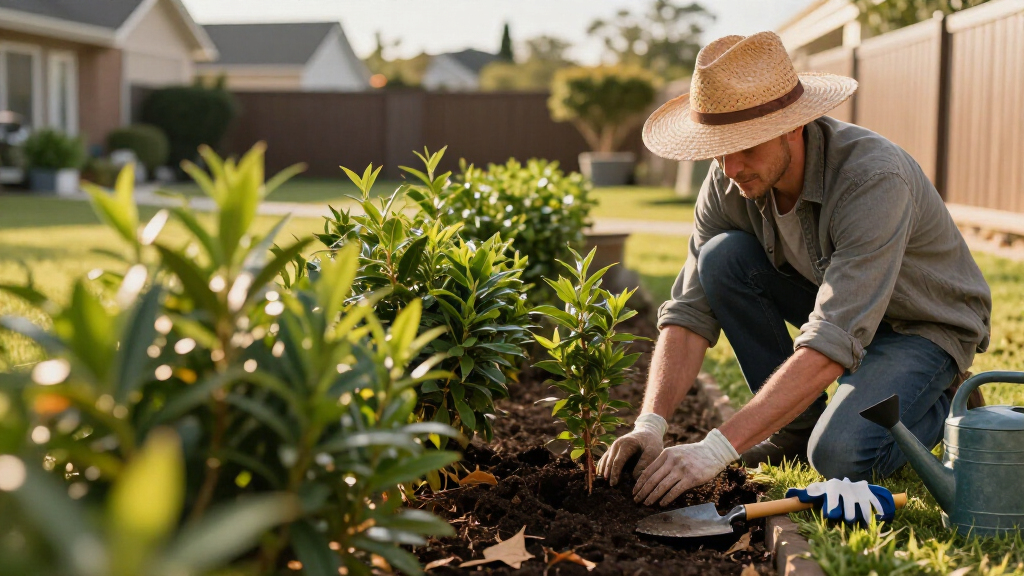
My ranking starts with the only question that matters for a privacy hedge: how fast does this plant actually block the view? I weighed growth rate, mature height and width, foliage density at the leafless winter season, and whether the plant delivers screening from the season it is planted or only after several years of establishment. Evergreen plants scored higher than deciduous ones for year-round privacy, but I gave fast deciduous and semi-evergreen options like privet and hybrid willow credit where their speed offsets the seasonal gap.
From there I evaluated maintenance burden, climate range, and value per foot of screen. A hedge is a commitment of a decade or more, so plants needing constant shearing, heavy water, or falling to deer browse ranked lower unless they offered a decisive advantage elsewhere. I also compared container sizes and pack counts honestly, since a 3-gallon plant and a 2-inch plug of the same species are not equivalent purchases — the ranking reflects what a buyer actually receives when the box arrives. Finally, I considered versatility: plants tolerating sun to shade, poor soil, and both drought and humidity ranked higher than specialist plants that only thrive in narrow conditions.
Factors to Consider When Choosing Best Privacy Hedge Plants
Choosing a privacy hedge involves more than picking the fastest grower on the list. Here are the broader factors that separate a hedge you enjoy for decades from one you regret within three years.Growth Rate vs. Long-Term Size
The most common mistake I see is buying for speed and ignoring mature dimensions. Hybrid willows and Green Giant arborvitae can add 5 feet a year, but they don’t stop at your fence line — a Green Giant reaches 30 to 40 feet tall and 12 feet wide at maturity, which can shade a small yard, conflict with utility easements, or annoy neighbors. Slower plants like Emerald Green arborvitae and Podocarpus Maki cap out at 12 to 15 feet and stay narrow, making them safer near walkways and property lines. A useful rule: match the plant’s mature height to your screening need, not to the height you want this year. If you only need to block a first-floor window, paying extra for a fast giant is wasted money and future pruning work. Check local ordinances too — some municipalities restrict hedge heights near property boundaries.
Container Size and What You Actually Get
Plant listings in this category vary enormously in what ships to your door, and buyers routinely misjudge it. An 18-pack of liners or a 10-count of 2-inch pots means tiny rooted starts that need a season or two of babbling before they form any screen, while a 3-gallon plant delivers an immediate 3 to 4 foot presence. Neither is a bad purchase — the small formats cost far less per plant and make sense if you’re filling a long property line on a budget — but the expectations are completely different. If you need privacy before a specific event like a summer gathering, buy the largest container size you can afford. If you’re hedging a quarter-acre boundary, small plugs spaced correctly will save hundreds of dollars and catch up within a few seasons. Always check the stated ship height, not the photo.
Climate Fit and Hardiness Zones
Every plant on this list has a hardiness range, and ignoring it is the fastest way to lose an entire hedge investment. Emerald Green arborvitae handles cold northern winters but wilts in Gulf Coast heat; Carolina Cherry Laurel and waxleaf privet thrive in Southern humidity but brown out in hard freezes; podocarpus is a coastal Southern workhorse that fails north of zone 7. Buy for your coldest winter, not your average one, because a single polar vortex can wipe out a marginally hardy hedge. Also consider summer stress: deer pressure is severe in many suburban areas, and arborvitae are a favorite browse food, while privet, podocarpus, and cherry laurel are largely deer-resistant. If deer are a factor in your area, that single variable can outweigh growth rate entirely.
Evergreen vs. Deciduous Screening
Privacy hedges only work when you need them, and for most people that includes winter, when yards are bare and sightlines open up. True evergreens — arborvitae, podocarpus, cherry laurel — hold their foliage all year, which is why they dominate the top of my ranking. Privets occupy a middle ground: evergreen in warm zones but semi-deciduous in colder ones, dropping leaves just when you want cover most. Hybrid willow is fully deciduous, giving you a lush summer wall and a bare winter lattice. If your privacy need is seasonal — blocking a pool deck or patio used from spring through fall — a deciduous fast grower is a legitimate bargain. If you’re blocking a neighbor’s window year-round, an evergreen is the only real answer.
Maintenance Commitment
Be honest about how much pruning you’ll actually do. Privets and willows grow so fast that they need shearing three or four times a season to stay neat, and an unpruned privet becomes a leggy, flowering mess that can self-seed into surrounding beds. Arborvitae and podocarpus, by contrast, need essentially no pruning to hold their natural shape — you only trim if you want a formal look. Watering is the other hidden cost: new hedges need deep weekly watering for the first two growing seasons, and willows never stop being thirsty. Also plan for spacing math before ordering, because cramming plants too close together for instant density causes fungal issues and competition a few years later, while correct spacing looks sparse at first but produces a healthier, denser wall over time.
Spacing, Plant Count, and Total Project Cost
Calculating plant count is where most buyers either overspend or under-buy. Measure your screening distance and divide by the recommended spacing — Green Giant wants 5 to 6 feet between plants, Emerald Green 3 feet, privet 2 to 3 feet for a tight double row. A 100-foot property line can mean 15 to 50 plants depending on species, which is why multi-pack starter bundles dominate large projects and single gallon plants suit short urban screens. Don’t forget site prep costs that aren’t in any listing: soil amendment, drip irrigation or soaker hoses, and mulch add real money to a long hedge. My advice is to price the whole project per foot of finished screen, not per plant, because a cheap plant that needs replacing in year three is the most expensive option on the list.
Frequently Asked Questions
How many Green Giant arborvitae do I need for a solid privacy screen?
Space Green Giants 5 to 6 feet apart on center for a screen that fills in within about three seasons; you can stretch to 8 to 10 feet if you’re patient and want to cut plant count. For a 100-foot boundary, that means roughly 17 to 20 plants at standard spacing, which is why the 8-pack and 18-pack formats dominate large projects. Planting closer than 5 feet is a mistake I see often — the hedge looks fuller in year one, but the crowding causes inner-branch dieback and fungal problems once the trees reach 15 feet. If you want a faster, denser wall, a staggered double row (offset rows 4 feet apart) gives better coverage than simply halving the spacing in a single row.
Are privet hedges good for privacy, or will they lose leaves in winter?
It depends entirely on your zone. In zones 8 through 10, privets like Recurvifolium and waxleaf hold most of their foliage through winter and function as effective year-round screens. In zones 6 and 7, they’re semi-evergreen — expect noticeable leaf drop during cold snaps, with the hedge thinning out exactly when winter sightlines are most open. North of that, treat privet as deciduous and don’t rely on it for winter privacy. The offsetting advantage is speed and shearing tolerance: privet fills in faster than almost any evergreen and bounces back from aggressive pruning, making it the best choice if you want a tall, shaped hedge quickly in a warm climate.
Is it better to buy small hedge plants in bulk or fewer large plants?
Small starter plants in bulk win on cost for long boundaries, while larger containers win on speed for short screens. A flat of 2-inch pots or bare-root cuttings can cost a fraction of the same species in 3-gallon size, but expect one to two extra growing seasons before real screening — and higher losses, since tiny plants are more vulnerable to drought and weeds in their first year. Large container plants establish a visible wall the season you plant them and survive neglect better. My practical split: use gallon-size or larger plants for the 20 to 30 feet where you need privacy most urgently, and fill the rest of a long line with budget plugs. That hybrid approach gets you both speed and value.
Which privacy hedge plants won’t attract deer?
Deer browse is the single biggest killer of arborvitae hedges in suburban areas — they’ll strip Green Giant and Emerald Green bare in a bad winter. The most deer-resistant options in this lineup are podocarpus, Carolina Cherry Laurel, and privet, all of which deer generally avoid even under pressure. If you’re set on arborvitae in a deer zone, plan on fencing or repellent spray for the first few winters while plants are small and vulnerable, since deer damage to young arborvitae is often fatal rather than cosmetic. No plant is fully deer-proof under starvation conditions, but choosing resistant species removes the most common year-one failure mode for new hedges.
How long until a privacy hedge actually blocks my neighbor’s view?
With fast growers like Green Giant arborvitae started from a 3-gallon size, expect meaningful screening at 6 to 8 feet within two growing seasons, and full coverage at three. Starting from liners or small plugs adds one to two years to that timeline. Hybrid willow cuttings are the wildcard: they root fast and can reach 8 to 10 feet in two seasons with consistent water, but they’re bare in winter. Slower evergreens like podocarpus may take five years to form a real screen, which is the tradeoff for their tidy, permanent, low-maintenance habit. If you need privacy within one season and can’t wait for any plant, consider planting larger sizes immediately or layering a temporary fence with the hedge in front of it.
Conclusion
The right pick comes down to your climate, your space, and how fast you need cover. For best overall, the Perfect Plants Thuja Green Giant in 3-gallon size delivers the fastest reliable evergreen screen for most of the country — buy the 8-pack or 18-pack formats if you’re covering a long line on a budget. The best value picks are the Green Giant liner 18-pack and the Green Wall Willow cuttings, which cost the least per foot of screening if you can accept a longer wait and heavier watering. For warm-climate buyers, the Ligustrum Recurvifolium privet and Carolina Cherry Laurel build dense, deer-resistant screens where arborvitae struggle. The Emerald Green Arborvitae is the clear choice for narrow side yards and small spaces, while the Podocarpus Maki and Japanese Yew 10-pack suit premium, low-maintenance Southern landscapes. If you’re a beginner who wants the most forgiving plant, the 3-gallon Green Giant or a gallon-size Waxleaf Privet from Brighter Blooms will tolerate rookie mistakes better than tiny plugs. Whatever you choose, plant at the recommended spacing, water deeply for two seasons, and your hedge will outlast anything you could have built from lumber.
Fall yard work Picks
leaf blowers
As an affiliate, we earn on qualifying purchases.