

The best Proven Winners shrub overall in this roundup is Double Play Doozie Spirea, a strong pick for gardeners who want a flowering shrub with more than one season of interest. For compact structure, North Star Boxwood stands out, while Little Henry Sweetspire suits gardeners seeking a smaller flowering shrub with seasonal foliage. The main tradeoffs are space versus compact growth, bloom display versus year-round structure, and a plant’s care needs in your local climate. Some options are better suited to a focal point, while others make more sense in borders, containers, or repeated plantings. Read on for the full comparison and help matching each shrub to your garden.

Get garden gear delivered free with Prime
- Fast, free delivery on millions of items
- Prime Video, Amazon Music and more included
- Member-only deals all year
Complete the kit


Key Takeaways
- Double Play Doozie Spirea leads for all-around seasonal interest, while Double Play Candy Corn is a better match when foliage color is a priority.
- Boxwoods and Tater Tot Arborvitae focus on structure; they suit gardeners who want defined shapes more than showy flowers.
- The hibiscus choices are not interchangeable: Blue Chiffon and Dark Lavender Chiffon favor flower display, while Red Pillar and Purple Pillar suit narrower planting spaces.
- Compact does not mean care-free in every garden: small shrubs still need suitable light, drainage, and room for mature growth.
- Sprinter Boxwood’s two-plant pack may help with repeated planting, but a single specimen such as North Star is easier to place when the garden needs one focal shrub.
| Proven Winners Double Play Doozie Spirea Shrub, 2 Gallon |  | Best for Repeat Bloom | Botanical name: Spiraea x Double Play Doozie | Plant type: Deciduous shrub | Mature size: 24–36 in. high × 24–36 in. wide | VIEW LATEST PRICE | See Our Full Breakdown |
| Proven Winners Oso Easy En Fuego Shrub Rose, 2-Gallon |  | Best for Color-Changing Flowers | Plant type: Deciduous shrub rose | Container size: 2 gallons | Mature size: 36–48 in. high × 36 in. wide | VIEW LATEST PRICE | See Our Full Breakdown |
| Proven Winners Red Pillar Hibiscus Shrub, 2 Gallon |  | Best for Narrow Vertical Screening | Botanical name: Hibiscus syriacus ‘GFNHSRP’ (Red Pillar) | Plant type: Deciduous shrub | Container size: 2 gallons | VIEW LATEST PRICE | See Our Full Breakdown |
| Proven Winners North Star Boxwood Shrub, 1 Gallon |  | Best for Year-Round Structure | Botanical name: Buxus sempervirens ‘Katerberg’ | Plant type: Evergreen shrub | USDA hardiness zones: 5–9 | VIEW LATEST PRICE | See Our Full Breakdown |
| Proven Winners Reminiscent Coral Shrub Rose, 2-Gallon |  | Best Compact Rose | Botanical name: Rosa × ‘BOZFRA221’ | Plant type: Deciduous shrub rose | Mature size: 24 in. wide × 24–42 in. high | VIEW LATEST PRICE | See Our Full Breakdown |
| Proven Winners Little Henry Sweetspire Shrub, #2 Container |  | Best for Fragrant, Compact Borders | Plant type: Shrub | Mature size: 3 ft H × 3–4 ft W | USDA hardiness zones: 5–8 | VIEW LATEST PRICE | See Our Full Breakdown |
| Proven Winners Sprinter Boxwood Shrubs, 2 Gallon, Pack of 2 |  | Best for Fast-Filling Hedges | Botanical name: Buxus microphylla ‘Bulthouse’ | Plant type: Shrub and hedge | Container size: 2 gallon | VIEW LATEST PRICE | See Our Full Breakdown |
| Proven Winners Blue Chiffon Rose of Sharon Hibiscus Shrub, 2 Gal. |  | Best for a Large Flowering Focal Point | Botanical name: Hibiscus syriacus ‘Blue Chiffon’ | Plant type: Deciduous shrub | Container size: 2 gal. | VIEW LATEST PRICE | See Our Full Breakdown |
| Proven Winners Purple Pillar Rose of Sharon Hibiscus Shrub, 2 Gallon |  | Best for Narrow Spaces | Botanical name: Hibiscus syriacus | Plant type: Shrub | Container size: 2 gallons | VIEW LATEST PRICE | See Our Full Breakdown |
| Proven Winners Tater Tot Arborvitae Shrub, 2 Gallon |  | Best Compact Evergreen | Plant type: Arborvitae shrub | Container size: 2 gallons | Mature size: 2–3 ft tall × 3–4 ft wide | VIEW LATEST PRICE | See Our Full Breakdown |
| Proven Winners Center Stage Pink Crape Myrtle Shrub, 2 Gal. |  | Best for Dramatic Foliage and Flowers | Botanical name: Lagerstroemia indica ‘Center Stage Pink’ | Plant type: Deciduous shrub | Container size: 2 gal. | VIEW LATEST PRICE | See Our Full Breakdown |
| Proven Winners Dark Lavender Chiffon Hibiscus Shrub, 2 Gallons |  | Best for Large, Long-Blooming Flowers | Botanical name: Hibiscus syriacus ‘Dark Lavender Chiffon’ | Plant type: Deciduous shrub | Container size: 2 gallons | VIEW LATEST PRICE | See Our Full Breakdown |
| Proven Winners 2 Gal. Suñorita Rose Shrub |  | Best for Disease-Resistant Rose Color | Container size: 2 gal. | USDA hardiness zones: 5–9 | Mature size: 36–48 inches wide × 36–48 inches tall | VIEW LATEST PRICE | See Our Full Breakdown |
| Proven Winners Double Play Candy Corn Spirea Shrub, 2 Gallon |  | Best Compact Foliage Accent | Botanical name: Spiraea japonica ‘NCSX1’ | Plant type: Deciduous shrub | Container size: 2 gallon | VIEW LATEST PRICE | See Our Full Breakdown |
| 2 Gallon Pugster Amethyst Buddleia Shrub |  | Best Compact Pollinator Shrub | Container size: 2 gallons | USDA hardiness zones: 5–10 | Expected height: 24 inches | VIEW LATEST PRICE | See Our Full Breakdown |
| Proven Winners shrub | USDA hardiness zones | Container size | Plant type | Mature size |
|---|---|---|---|---|
| Proven Winners Double Play Doo | 3–8 | 2 gallons | Deciduous shrub | 24–36 in. high × 24–36 in. wide |
| Proven Winners Oso Easy En Fue | 4–9 | 2 gallons | Deciduous shrub rose | 36–48 in. high × 36 in. wide |
| Proven Winners Red Pillar Hibi | 5a–9b | 2 gallons | Deciduous shrub | 120–192 in. high × 48–60 in. wide |
| Proven Winners North Star Boxw | 5–9 | — | Evergreen shrub | 24–32 in. high × 24–32 in. wide |
| Proven Winners Reminiscent Cor | 4–9 | 2 gallons | Deciduous shrub rose | 24 in. wide × 24–42 in. high |
| Proven Winners Little Henry Sw | 5–8 | #2 | Shrub | 3 ft H × 3–4 ft W |
| Proven Winners Sprinter Boxwoo | 5–9 | 2 gallon | Shrub and hedge | 24–48 in. wide × 24–48 in. high |
| Proven Winners Blue Chiffon Ro | 5–9 | 2 gal. | Deciduous shrub | 96–144 in. H × 48–72 in. W |
| Proven Winners Purple Pillar R | 5–9 | 2 gallons | Shrub | 120–192 in. H × 24–36 in. W |
| Proven Winners Tater Tot Arbor | 3a–8b | 2 gallons | Arborvitae shrub | 2–3 ft tall × 3–4 ft wide |
| Proven Winners Center Stage Pi | 6–10 | 2 gal. | Deciduous shrub | 96 in. wide × 72–144 in. tall |
| Proven Winners Dark Lavender C | 5–9 | 2 gallons | Deciduous shrub | — |
| Proven Winners 2 Gal. Suñorita | 5–9 | 2 gal. | — | 36–48 inches wide × 36–48 inches tall |
| Proven Winners Double Play Can | 4–8 | 2 gallon | Deciduous shrub | — |
| 2 Gallon Pugster Amethyst Budd | 5–10 | 2 gallons | — | — |
More Details on Our Top Picks
Proven Winners Double Play Doozie Spirea Shrub, 2 Gallon
Double Play Doozie is my pick for gardeners who want a compact shrub to keep producing color over a long season. Its red-to-purple flowers bloom from late spring through fall, while deep red spring foliage adds interest before the flowers take center stage. At 24–36 inches tall and wide, it can fit a container or a small border more readily than the much taller Red Pillar Hibiscus. Its seedless, non-invasive habit is another practical distinction for gardeners wary of spreading shrubs.
The tradeoff is seasonal: this is a deciduous plant, not a year-round screen like North Star Boxwood. It also calls for moderate watering despite its drought tolerance, and may arrive trimmed or dormant in colder shipping months. Choose it for recurring color in a sunny spot; skip it if evergreen structure is the priority.
Pros:- Blooms from late spring through fall for an extended color season
- Seedless and non-invasive
- Compact mature size suits containers and smaller landscape spaces
- Tolerates drought and resists deer
Cons:- Drops its foliage in winter, unlike North Star Boxwood
- Requires moderate watering and performs best with a sunny planting site
- May arrive trimmed or dormant during winter and early spring
Best for: Gardeners seeking a compact, repeat-blooming shrub for sunny borders, accents, or containers, especially those who want a seedless option.
Not ideal for: Buyers who need year-round foliage, a tall privacy screen, or a shrub that needs no watering after establishment.
- Botanical name:Spiraea x Double Play Doozie
- Plant type:Deciduous shrub
- Mature size:24–36 in. high × 24–36 in. wide
- USDA hardiness zones:3–8
- Sun exposure:Full sun to partial shade
- Bloom period:Spring to fall
- Flower color:Red to purple
- Container size:2 gallons
Our verdict“Choose Double Play Doozie for repeat color in a compact footprint, but pick North Star Boxwood if evergreen structure matters more.”
Proven Winners Oso Easy En Fuego Shrub Rose, 2-Gallon
Oso Easy En Fuego earns its place for flowers that shift from red and yellow toward orange as they mature, giving a planting more visual variation than the steady coral tones of Reminiscent Coral. Its large blooms stand out against glossy dark green foliage, and the spring-to-fall flowering window gives it a long season of display. It also attracts pollinators, making it a stronger fit than a foliage-first shrub for gardeners who want activity around a sunny border.
This rose is less forgiving of dry conditions than Double Play Doozie: it calls for regular watering and performs best in full sun. Its 36–48-inch height also needs more room than Reminiscent Coral, which stays narrower and shorter. Expect it to lose its leaves in winter, and note that shipments in colder months may arrive dormant. I’d choose it for bold, changing blooms, not for a low-water or evergreen planting.
Pros:- Flowers shift from red and yellow to orange as they mature
- Blooms from spring through fall
- Glossy dark green foliage contrasts with the flowers
- Attracts pollinators and suits USDA Zones 4–9
Cons:- Needs regular watering, more than drought-tolerant Double Play Doozie
- Requires full sun for its best performance
- Deciduous and may ship without foliage during winter through early spring
Best for: Gardeners with a sunny, regularly watered bed who want large, color-shifting rose blooms and a pollinator-friendly planting.
Not ideal for: People seeking a compact shrub, a drought-tolerant choice, or year-round foliage for screening.
- Plant type:Deciduous shrub rose
- Container size:2 gallons
- Mature size:36–48 in. high × 36 in. wide
- USDA hardiness zones:4–9
- Sun exposure:Full sun; tolerates partial shade
- Bloom period:Spring to fall
- Bloom colors:Yellow, red, and orange
- Watering:Regular watering
- Pollinator attraction:Attracts pollinators
Our verdict“Pick En Fuego for long-season, color-changing rose blooms if you can provide sun and regular water.”
Proven Winners Red Pillar Hibiscus Shrub, 2 Gallon
Red Pillar Hibiscus is the lineup’s choice for height without the broad footprint of a conventional large shrub. Its columnar form can reach 10–16 feet tall while spreading about 4–5 feet, making it better suited than Double Play Doozie to a tall accent or a narrow screening role. Red flowers bloom from spring through fall, and the plant can attract bees, butterflies, and hummingbirds. Heat, drought, and salt tolerance give it flexibility where some flowering shrubs may struggle.
That vertical scale is also its main drawback: this is not a small-space shrub, and it will outgrow a container accent sooner than the compact Double Play Doozie. It requires regular watering, and its deciduous growth leaves no winter screen. The plant may ship dormant, so a bare-looking arrival in the colder season is possible. Choose it when height matters more than evergreen coverage or a tidy, low-growing shape.
Pros:- Columnar growth adds substantial height with less width than many large shrubs
- Red blooms extend from spring through fall
- Tolerates heat, drought, and salt
- Flowers attract bees, butterflies, and hummingbirds
Cons:- Can reach 10–16 feet tall, so it is unsuitable for tight-height limits
- Drops its leaves in winter and does not provide year-round screening
- Requires regular watering and may ship dormant in colder months
Best for: Gardeners with a narrow planting area who want a tall flowering accent or seasonal screen and have room for a mature shrub up to 16 feet high.
Not ideal for: Small-yard or container gardeners seeking a compact plant, or anyone who needs a dense year-round privacy screen.
- Botanical name:Hibiscus syriacus ‘GFNHSRP’ (Red Pillar)
- Plant type:Deciduous shrub
- Container size:2 gallons
- Mature size:120–192 in. high × 48–60 in. wide
- USDA hardiness zones:5a–9b
- Light requirements:Full sun to partial shade
- Blooming period:Spring through fall
- Flower color:Red
- Recommended spacing:48 in.
Our verdict“Choose Red Pillar for a tall, narrow flowering feature, not for the compact scale of Double Play Doozie or evergreen coverage from North Star Boxwood.”
Proven Winners North Star Boxwood Shrub, 1 Gallon
North Star Boxwood takes a different route from the flowering shrubs in this roundup: it offers dense, evergreen structure rather than a long bloom show. Its naturally rounded form and shiny dark green leaves keep borders and containers looking composed through winter, when Double Play Doozie, En Fuego, and Reminiscent Coral lose their foliage. The 24–32-inch mature size also works for low hedges and accents without the height of Red Pillar Hibiscus.
Its restrained look is a strength for formal edges, but a limitation if flowers or changing color are the main goal. This boxwood needs regular watering, and it still takes up a meaningful amount of space once mature; the 1-gallon container is a starting point, not its final footprint. Compared with the more colorful roses, North Star is the pick for structure and continuity, not seasonal spectacle or a very small planting pocket.
Pros:- Evergreen foliage provides year-round color and structure
- Naturally dense, rounded form needs little pruning
- Suitable for low hedges, borders, containers, and accents
- Cold hardy in USDA Zones 5–9
Cons:- Regular watering is needed
- Mature size of 24–32 inches in both height and width may crowd very small spaces
- Offers foliage structure rather than the extended flowers of En Fuego or Double Play Doozie
Best for: Gardeners building a low hedge, evergreen border, or year-round container accent who prefer a naturally rounded shrub with limited pruning.
Not ideal for: Buyers who want conspicuous flowers, a very small mature shrub, or a low-water plant that can be left to dry out.
- Botanical name:Buxus sempervirens ‘Katerberg’
- Plant type:Evergreen shrub
- USDA hardiness zones:5–9
- Mature size:24–32 in. high × 24–32 in. wide
- Sunlight:Full sun to partial shade
- Watering:Regular watering
- Color:Green
- Unit count:1
- Growing use:Containers, landscapes, borders, hedges, and accents
Our verdict“Choose North Star for a compact evergreen framework; choose one of the flowering shrubs if blooms are your main priority.”
Proven Winners Reminiscent Coral Shrub Rose, 2-Gallon
Reminiscent Coral is the compact rose pick for gardeners who want a distinct flower without giving a bed over to a larger shrub. Its bowl-shaped deep pink-coral blooms with copper-toned centers set it apart from En Fuego’s red-yellow-orange color shifts, while its dark green foliage is described as staying clean through the growing season. At roughly 24 inches wide and 24–42 inches tall, it fits accent plantings and containers more easily than the wider En Fuego.
That smaller footprint does not make it an evergreen choice: it is deciduous and drops its leaves in winter. It also needs a sunny to partly shaded site and the usual care of a planted shrub rose. The product data gives no bloom period, so I would not choose it over Double Play Doozie when a documented spring-to-fall flowering window is the deciding factor. Pick Reminiscent Coral for its flower form and manageable size.
Pros:- Bowl-shaped deep pink-coral flowers have copper-toned centers
- Compact 24-inch width suits accents and containers
- Dark green foliage is described as staying clean through the growing season
- Hardy across USDA Zones 4–9
Cons:- Deciduous foliage drops in winter
- Does not provide the stated spring-to-fall bloom period listed for En Fuego
- Shipping height averages 10–14 inches, so it arrives well below mature size
Best for: Rose buyers with limited bed space who want a distinctive coral flower for a container, landscape accent, or compact planting.
Not ideal for: Gardeners who need evergreen foliage, a tall screen, or a documented extended bloom period as their main buying requirement.
- Botanical name:Rosa × ‘BOZFRA221’
- Plant type:Deciduous shrub rose
- Mature size:24 in. wide × 24–42 in. high
- USDA hardiness zones:4–9
- Sun exposure:Full sun to part shade
- Flower color:Deep pink-coral with copper center
- Recommended spacing:24 in.
- Container size:2 gallons
- Average shipping height:10–14 in.
Our verdict“Choose Reminiscent Coral for a distinctive, compact rose; choose En Fuego for a stated long bloom season and changing flower colors.”
Proven Winners Little Henry Sweetspire Shrub, #2 Container
I’d choose Little Henry sweetspire when a planting needs fragrance and seasonal color without taking over the bed. Its mound-forming size reaches about 3 feet tall and 3–4 feet wide, while white flower spikes arrive in late spring or early summer and red foliage adds interest in fall. Compared with Blue Chiffon Rose of Sharon, which can grow up to 12 feet tall, Little Henry fits tighter spaces and needs less room to establish. The tradeoff is that it offers a smaller floral display and is a deciduous shrub, not a year-round screen. It also may arrive leafless while dormant in late fall or winter, so I’d judge the plant by its planting season and rooted condition rather than expect instant foliage.
Pros:- Fragrant white flower spikes add sensory interest in late spring or early summer.
- Compact, dense form works well in borders and group plantings.
- Red fall foliage extends seasonal interest beyond bloom time.
- Arrives rooted in a #2 container and can be planted when weather permits.
Cons:- Deciduous foliage leaves no evergreen screen through winter.
- May arrive dormant and leafless in late fall or winter.
- Its hardiness range limits suitability in climates outside zones 5–8.
Best for: Gardeners in zones 5–8 who want a compact, fragrant shrub for a mixed border or group planting.
Not ideal for: Buyers seeking evergreen screening, a large flowering focal point, or a shrub suited to climates outside zones 5–8.
- Plant type:Shrub
- Mature size:3 ft H × 3–4 ft W
- USDA hardiness zones:5–8
- Container size:#2
- Flower color:White
- Bloom period:Late June
- Fall foliage:Red
- Sun exposure:Full sun
- Water needs:Moderate
Our verdict“Choose Little Henry for a compact, fragrant border shrub with fall color, but pick an evergreen if winter coverage matters more.”
Proven Winners Sprinter Boxwood Shrubs, 2 Gallon, Pack of 2
For a buyer who wants evergreen structure in pairs, Sprinter is the lineup’s hedge-focused choice. Its glossy foliage stays present year-round, and the upright, fast-growing habit can fill edging or a formal planting sooner than the naturally rounded Tater Tot Arborvitae. The two-plant pack and suggested 24-inch spacing make it easier to plan a short run of hedge, though the mature width can reach 48 inches, so spacing and pruning expectations deserve attention. Sprinter is described as deer-resistant and salt-tolerant, useful traits for exposed gardens, but it still needs attentive establishment watering and proper planting. Sun guidance is not fully consistent in the supplied information, so I’d confirm the site’s light conditions before choosing it over a more flexible flowering shrub.
Pros:- Glossy evergreen foliage provides year-round structure.
- Fast growth can help hedges and edging fill in sooner.
- Upright habit suits formal garden layouts.
- Described as deer-resistant and salt-tolerant.
Cons:- Requires careful planting and watering during establishment.
- Mature width can reach 48 inches, so hedge spacing may need planning and pruning.
- Supplied sunlight guidance varies, making site suitability less clear.
Best for: Gardeners planning a year-round, formal edge or short hedge who want two evergreen shrubs with a relatively quick fill-in habit.
Not ideal for: Buyers who want seasonal flowers, a naturally compact rounded form, or a shrub that needs little attention while establishing.
- Botanical name:Buxus microphylla ‘Bulthouse’
- Plant type:Shrub and hedge
- Container size:2 gallon
- Pack quantity:2
- Mature size:24–48 in. wide × 24–48 in. high
- Recommended spacing:24 in.
- USDA hardiness zones:5–9
- Sunlight:Full sun to partial shade
- Foliage:Glossy evergreen
Our verdict“Pick Sprinter for a quicker-forming evergreen hedge, but choose Tater Tot if you prefer a naturally rounded, compact shape.”
Proven Winners Blue Chiffon Rose of Sharon Hibiscus Shrub, 2 Gal.
Blue Chiffon is the bloom-first pick for gardeners with room for a tall shrub and a long flowering season. Its large blue flowers have lacy centers, giving it a more distinctive display than the smaller white spikes of Little Henry sweetspire. It can grow 8–12 feet tall and 4–6 feet wide, so it makes a stronger landscape accent but is a poor fit for tight borders. Full sun to partial shade offers some planting flexibility, and the supplied description also lists container use. Unlike Purple Pillar Rose of Sharon, Blue Chiffon spreads broadly rather than growing in a narrow column; that makes it better as a focal point, but less useful where width is scarce. It loses its leaves in winter and may arrive dormant and trimmed.
Pros:- Large blue flowers feature distinctive lacy centers.
- Long listed bloom period provides an extended floral display.
- Grows in full sun to partial shade.
- Listed for container, landscape, and accent use.
Cons:- Mature height of 8–12 feet and width of 4–6 feet require substantial room.
- Deciduous foliage leaves the shrub bare in winter.
- May arrive dormant and trimmed, rather than in active leaf or bloom.
Best for: Gardeners with space for a tall, broad flowering accent who want blue blooms with distinctive centers and can provide regular watering.
Not ideal for: Small-yard gardeners needing a narrow shrub, or anyone seeking evergreen foliage or a compact plant for a tight border.
- Botanical name:Hibiscus syriacus ‘Blue Chiffon’
- Plant type:Deciduous shrub
- Container size:2 gal.
- USDA hardiness zones:5–9
- Mature size:96–144 in. H × 48–72 in. W
- Bloom period:Spring to fall
- Flower color:Blue
- Sun exposure:Full sun to partial shade
- Watering:Regular
Our verdict“Choose Blue Chiffon for a spacious garden focal point and extended flower display; choose Purple Pillar when a narrow footprint matters more.”
Proven Winners Purple Pillar Rose of Sharon Hibiscus Shrub, 2 Gallon
Purple Pillar solves a different problem from Blue Chiffon: it delivers Rose of Sharon flowers while keeping its footprint unusually narrow. At 10–16 feet tall and 2–3 feet wide, it can add vertical color beside a boundary or in a slim planting strip where Blue Chiffon’s broad spread would be difficult to fit. Purple blooms line the stems in summer, with the supplied bloom period listed as spring to fall. That height is also the main commitment: it is a tall shrub, not a compact accent, and it needs regular watering. Compared with Sprinter Boxwood, Purple Pillar offers a more conspicuous seasonal flower display but gives up evergreen coverage. It may ship dormant from winter through early spring, so a leafless arrival can reflect the season rather than a failed plant.
Pros:- Columnar 2–3 ft width suits narrow spaces.
- Tall growth can add vertical presence and some privacy.
- Purple blooms appear along the stems.
- Can be used in containers or as a landscape accent.
Cons:- Mature height of 10–16 feet may outgrow low or small-scale planting plans.
- Requires regular watering.
- Can ship dormant from winter through early spring.
Best for: Gardeners with a narrow planting strip who want a tall, flowering screen or vertical landscape accent in zones 5–9.
Not ideal for: Buyers seeking a low, compact shrub, year-round evergreen foliage, or a plant that can go without regular watering.
- Botanical name:Hibiscus syriacus
- Plant type:Shrub
- Container size:2 gallons
- Mature size:120–192 in. H × 24–36 in. W
- USDA hardiness zones:5–9
- Bloom color:Purple
- Blooming period:Spring to fall
- Sunlight:Full sun to partial shade
- Watering needs:Regular watering
Our verdict“Choose Purple Pillar when you need a tall flowering shrub in a narrow footprint, not when compact size or winter foliage is the priority.”
Proven Winners Tater Tot Arborvitae Shrub, 2 Gallon
I’d put Tater Tot Arborvitae on the shortlist for small gardens that need year-round greenery without a tall hedge. Its naturally rounded shape matures at about 2–3 feet tall and 3–4 feet wide, making it a lower, softer alternative to the upright Sprinter Boxwood and a more compact choice than either Rose of Sharon. The fan-like green foliage stays evergreen, while the listed shade tolerance gives it more flexibility than a full-sun-only placement. Its compact habit reduces the need to shape it into a formal form, though the supplied description does not make it maintenance-free: it still calls for regular watering and outdoor growing conditions. This is a foliage and form choice, not a flowering shrub, so buyers wanting the seasonal color of Little Henry or Blue Chiffon should look elsewhere.
Pros:- Compact, naturally rounded form suits smaller landscape spaces.
- Evergreen foliage keeps the planting green year-round.
- Tolerates partial shade.
- Low-maintenance habit avoids the formal shaping associated with hedge planting.
Cons:- Regular watering is still listed as a need.
- Its low mature height is not suited to tall screening.
- Offers foliage rather than a prominent flower display.
Best for: Gardeners in zones 3a–8b seeking a low, rounded evergreen for a small bed, foundation planting, or partial-shade spot.
Not ideal for: Buyers who want prominent flowers, a tall privacy screen, or a plant that can be left without regular watering.
- Plant type:Arborvitae shrub
- Container size:2 gallons
- Mature size:2–3 ft tall × 3–4 ft wide
- USDA hardiness zones:3a–8b
- Sun exposure:Full sun to partial shade
- Foliage:Evergreen
- Color:Green
- Watering:Regular watering
- Indoor/outdoor use:Outdoor
Our verdict“Choose Tater Tot for compact, year-round greenery; select Sprinter for a taller hedge or a Rose of Sharon for flowers.”
Proven Winners Center Stage Pink Crape Myrtle Shrub, 2 Gal.
Center Stage Pink pairs hot-pink flowers with reddish-black foliage, giving it more color contrast than the flower-led display of Suñorita Rose. Its reported spring-to-fall bloom period and earlier flowering than conventional crape myrtles can extend its impact across the warmer months, while mildew resistance and low-maintenance care appeal to gardeners who want a showy shrub without routine disease concerns.
This is a larger, more structural choice than compact Double Play Candy Corn Spirea: it can reach 6 to 12 feet tall and about 8 feet wide, so it needs room to develop. It also drops its leaves in winter and calls for regular watering. I’d choose it for a sunny border where its dark foliage can stand out, not for a small bed or a year-round leafy screen.
Pros:- Hot-pink flowers with yellow stamens contrast strongly with reddish-black foliage.
- Reported spring-to-fall bloom period and earlier flowering than conventional varieties.
- Mildew resistant and described as low maintenance.
- Can add height and visual presence where compact spirea would feel too small.
Cons:- Loses its foliage in winter.
- Needs regular watering.
- Mature size requires ample space.
Best for: Gardeners with a roomy, sunny border who want a tall shrub with dark foliage and bright flowers across the growing season.
Not ideal for: Small-yard gardeners or anyone seeking winter foliage, since this shrub can reach substantial dimensions and is deciduous.
- Botanical name:Lagerstroemia indica ‘Center Stage Pink’
- Plant type:Deciduous shrub
- Container size:2 gal.
- Mature size:96 in. wide × 72–144 in. tall
- Flower color:Pink with yellow stamens
- Bloom period:Spring to fall
- Sun exposure:Full sun to partial shade
- USDA hardiness zones:6–10
- Watering needs:Regular watering
Our verdict“Choose Center Stage Pink for a spacious sunny garden where bold foliage and pink flowers matter more than winter coverage or a compact footprint.”
Proven Winners Dark Lavender Chiffon Hibiscus Shrub, 2 Gallons
Dark Lavender Chiffon is the flower-focused pick in this group: its large, single lavender blooms have a distinctive lacy center, with flowering listed from spring to fall. That gives it a different role from Center Stage Pink, whose strongest contrast comes from dark foliage as well as flowers. A rounded habit and a broad choice of uses—from mixed borders to privacy screens—make this hibiscus more adaptable in layout than a small accent such as Candy Corn Spirea.
The tradeoff is scale. At 8 to 12 feet tall and 4 to 6 feet wide, it needs room and won’t deliver evergreen screening, because it loses its leaves in winter. The listed soil type is sandy, and shipments may arrive dormant in winter through early spring. I’d favor it for gardeners with space for a tall flowering shrub, rather than those seeking a compact container plant.
Pros:- Large lavender flowers feature a distinctive lacy center.
- Listed bloom period runs from spring to fall.
- Rounded habit suits borders, landscapes, accents, and privacy screens.
- Moderate water needs and a range of planting uses offer flexibility.
Cons:- Mature height of 8–12 feet can outgrow small beds and containers.
- Loses foliage in winter.
- May ship dormant during winter through early spring.
Best for: Gardeners with a sunny border or landscape opening who want large lavender flowers and have room for a tall deciduous shrub.
Not ideal for: Small-space gardeners seeking a reliably compact plant or anyone who needs leafy screening through winter.
- Botanical name:Hibiscus syriacus ‘Dark Lavender Chiffon’
- Plant type:Deciduous shrub
- Container size:2 gallons
- Mature height:96–144 inches
- Mature width:48–72 inches
- Flower color:Dark lavender
- USDA hardiness zones:5–9
- Sunlight exposure:Full sun to part shade
- Water needs:Moderate
Our verdict“Pick Dark Lavender Chiffon if you have space for a tall deciduous shrub and want its large, lacy-centered flowers to lead the display.”
Proven Winners 2 Gal. Suñorita Rose Shrub
Suñorita stands out for orange-yellow rose blooms that continue from spring through frost, giving it a longer stated flowering span than Candy Corn Spirea, whose flowers appear in late spring or early summer. Its reported resistance to black spot and powdery mildew, plus minimal deadheading needs, make it a more approachable choice for someone drawn to roses but wary of frequent upkeep. The classic bowl-shaped flowers also bring a different look from the large, lacy-centered blooms of Dark Lavender Chiffon hibiscus.
At 36–48 inches tall and wide, it needs more room than a compact 24-inch Pugster Amethyst buddleia, so it is not the best fit for a tight container or narrow bed. It also calls for regular watering and full sun to partial shade. The supplied plant-height figure conflicts with the stated mature size, so I would use the 36–48-inch mature dimensions when planning space.
Pros:- Orange-yellow, bowl-shaped blooms are described as lasting from spring through frost.
- Reported resistance to black spot and powdery mildew.
- Minimal deadheading is required.
- Compact compared with taller shrubs such as Dark Lavender Chiffon hibiscus.
Cons:- Needs regular watering.
- A 36–48-inch mature spread requires room.
- The listed plant-height figure conflicts with the stated mature size.
Best for: Rose gardeners who want season-long orange-yellow blooms and a shrub described as resistant to common rose diseases.
Not ideal for: Gardeners with narrow beds or very small containers, since the stated mature spread is 36–48 inches and regular watering is needed.
- Container size:2 gal.
- USDA hardiness zones:5–9
- Mature size:36–48 inches wide × 36–48 inches tall
- Flower color:Orange-yellow
- Bloom period:Spring through frost
- Sunlight exposure:Full sun to partial shade
- Watering needs:Regular watering
- Indoor/outdoor use:Outdoor
Our verdict“Choose Suñorita for long-lasting rose color and reported disease resistance if you can provide regular water and space for a 3–4-foot shrub.”
Proven Winners Double Play Candy Corn Spirea Shrub, 2 Gallon
Candy Corn Spirea earns its place through changing foliage color in a compact footprint: spring growth starts bright red, matures to pineapple yellow, and is joined by new orange growth through the season. Dark purple flowers add a separate late-spring or early-summer accent. Compared with Center Stage Pink crape myrtle, this is far easier to fit into a small bed or container; it tops out around 18–24 inches tall and 18–30 inches wide rather than becoming a large landscape shrub.
That compact scale also limits its screening value, and its flower display is more seasonally focused than Suñorita Rose’s reported bloom through frost. It is deciduous, so the colorful leaves disappear in winter, and winter-to-early-spring shipments may arrive dormant or trimmed. I’d choose it for low-maintenance color near a patio or border edge, not for height or winter structure.
Pros:- Foliage shifts from red in spring to yellow, with orange new growth through the season.
- Dark purple flowers add contrast in late spring or early summer.
- Compact size suits containers and small landscape accents.
- Described as low maintenance and hardy in zones 4–8.
Cons:- Loses its foliage in winter.
- Short stature makes it unsuitable for screening.
- May ship dormant or trimmed in winter through early spring.
Best for: Gardeners with a small border, patio container, or accent space who want colorful foliage without a tall shrub’s footprint.
Not ideal for: Buyers seeking privacy screening, winter foliage, or flowers that continue through frost.
- Botanical name:Spiraea japonica ‘NCSX1’
- Plant type:Deciduous shrub
- Container size:2 gallon
- Mature height:18–24 in.
- Mature width:18–30 in.
- USDA hardiness zones:4–8
- Light requirements:Full sun to partial shade
- Flower color:Dark purple
- Recommended spacing:30 in.
Our verdict“Choose Candy Corn Spirea for a small-space foliage display, but skip it if you need height, winter coverage, or an extended flower season.”
2 Gallon Pugster Amethyst Buddleia Shrub
Pugster Amethyst is the smallest-footprint choice here, reaching about 24 inches tall and offering fragrant purple blooms that attract butterflies and hummingbirds. That makes it easier to place in a small garden or container than Suñorita Rose, which can spread 36–48 inches, while its pollinator appeal gives it a clearer purpose than a foliage-first accent like Candy Corn Spirea. Its zone range of 5–10 also covers a broad span of climates within this lineup.
The compact size comes with limits: this is not a privacy shrub, and its stated bloom period is spring to summer rather than the longer spring-to-fall or through-frost periods listed for several alternatives. It needs full sun and regular watering while establishing, then weekly watering according to the supplied care guidance. I’d choose it where pollinator visits and a small scale matter more than extended-season bloom.
Pros:- Fragrant purple blooms attract butterflies and hummingbirds.
- About 24 inches tall, making it the most compact option in this group.
- Suitable for USDA zones 5–10.
- Works well where a small shrub is preferred over larger Suñorita Rose.
Cons:- Requires full sun.
- Needs regular watering while establishing and weekly watering afterward per the supplied guidance.
- Listed bloom period ends in summer, shorter than several alternatives.
Best for: Small-space gardeners who want fragrant purple flowers to attract butterflies and hummingbirds in a sunny container or border.
Not ideal for: Gardeners seeking privacy screening, part-shade tolerance, or flowers listed to continue through fall or frost.
- Container size:2 gallons
- USDA hardiness zones:5–10
- Expected height:24 inches
- Sunlight exposure:Full sun
- Water needs:Moderate; twice per week until established, then weekly
- Bloom period:Spring to summer
- Flower color:Purple
- Indoor/outdoor use:Outdoor
Our verdict“Pick Pugster Amethyst for a sunny, compact pollinator planting, not for screening or the longest listed bloom season.”
How We Picked
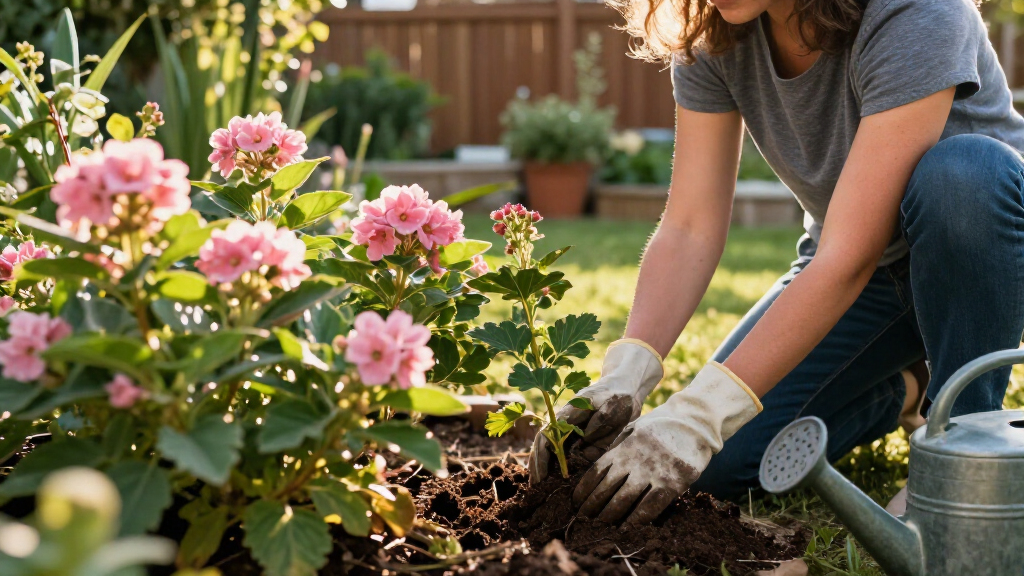
I ranked these Proven Winners shrubs by how clearly each one meets a distinct garden need, not by treating every bloom or foliage feature as equally useful. My main criteria were the shrub’s likely role in a planting, stated growth habit and size, seasonal interest, suitability for different garden layouts, and the care demands a buyer should check before ordering. I also considered whether the listed container or pack format changes the practical value of the choice.
Double Play Doozie Spirea ranks first for its broad appeal as a flowering, seasonally interesting shrub. Other plants rank higher for narrower jobs: boxwoods and arborvitae for evergreen form, pillar hibiscus for vertical color, and compact selections for smaller spaces. Since local hardiness, sun exposure, drainage, and mature dimensions affect success, buyers should confirm those details for their site rather than assuming a Proven Winners label means every shrub fits every garden.
| Proven Winners shrub | Plant type |
|---|---|
| Proven Winners Double Play Doo | Deciduous shrub |
| Proven Winners Oso Easy En Fue | Deciduous shrub rose |
| Proven Winners Red Pillar Hibi | Deciduous shrub |
| Proven Winners North Star Boxw | Evergreen shrub |
| Proven Winners Reminiscent Cor | Deciduous shrub rose |
| Proven Winners Little Henry Sw | Shrub |
| Proven Winners Sprinter Boxwoo | Shrub and hedge |
| Proven Winners Blue Chiffon Ro | Deciduous shrub |
| Proven Winners Purple Pillar R | Shrub |
| Proven Winners Tater Tot Arbor | Arborvitae shrub |
| Proven Winners Center Stage Pi | Deciduous shrub |
| Proven Winners Dark Lavender C | Deciduous shrub |
| Proven Winners 2 Gal. Suñorita | — |
| Proven Winners Double Play Can | Deciduous shrub |
| 2 Gallon Pugster Amethyst Budd | — |
Factors to Consider When Choosing Best Proven Winners Shrubs
Choosing among these shrubs is less about picking the most striking name and more about matching a plant’s mature role to the space and care you can provide. I would check these broader factors before ordering.
Match mature size to the planting space
Measure the planting area before choosing a shrub, then compare that space with the plant’s listed mature height and spread. A compact label describes relative growth, not permission to plant right beside a walkway or foundation. Narrow options such as Red Pillar or Purple Pillar may suit tighter layouts better than a shrub that spreads broadly, but they still need clearance as they grow. Crowding often leads to repeated pruning, which can change a shrub’s shape and reduce the effect you chose it for. Leave room for airflow and maintenance access, especially in a hedge or mixed border. If the available area is uncertain, choose a plant whose mature dimensions fit without relying on regular size control.
Choose flowers, foliage, or evergreen form first
Decide what job the shrub needs to do before comparing flower colors. Hibiscus and shrub roses make sense when seasonal blooms are the main goal, while boxwoods and Tater Tot Arborvitae provide persistent structure. Spireas can bridge those priorities through foliage interest and flowering, but their value still depends on the look you want in the rest of the year. A common mistake is to buy a flowering shrub for a spot where year-round screening matters, or an evergreen when the planting needs a bold seasonal focal point. Think about what the garden looks like outside peak bloom. That answer can narrow the list faster than choosing by flower color alone.
Check climate, sun, and drainage before selecting a variety
Confirm the plant’s hardiness range and light requirements against your location and planting site. A shrub suited to one region may struggle through winter elsewhere, and a sunny label does not mean it will thrive in a shaded bed. Drainage deserves equal attention: roots in persistently wet soil can fail even when the plant is otherwise a good match. Check whether your site has reflected heat, wind exposure, or winter salt, since these conditions can affect plant performance. Use the grower’s current care information for the exact variety rather than applying advice for a different shrub in the same genus. If your conditions fall near a plant’s limits, favor a more adaptable option or ask a local nursery for guidance.
Treat pruning as a design and maintenance choice
Ask how much shaping you are willing to do before choosing a formal-looking planting. Boxwoods can be left with a natural outline or clipped, but a tight hedge brings recurring trimming and spacing decisions. Flowering shrubs may have different pruning windows, so cutting at the wrong time can affect the next bloom cycle. A narrow growth habit can reduce the need for width control, though it does not remove routine care. Buyers often underestimate how much work repeated shrubs create along a long border. For a low-intervention garden, choose a form that fits its allotted area naturally and confirm the correct pruning schedule for that plant.
Compare container size and pack format with your planting plan
A larger container may provide a more established starting plant, but it does not guarantee faster establishment or remove the need for attentive watering after planting. Smaller containers can be easier to handle and may suit buyers planting gradually, though they need time to fill their space. Pack formats matter most when you need several matching plants for a border or repeated design; Sprinter Boxwood’s two-plant pack is more suited to that use than a one-off specimen purchase. Before choosing a bundle, check whether both plants fit the site and whether their spacing will create the effect you want. Compare the listed pot size, plant dimensions, and delivery details rather than assuming container labels alone tell you how full the shrub will look. This is where buying for the whole layout can prevent mismatched heights and gaps.
Frequently Asked Questions
Which Proven Winners shrub is the safest starting point if I only have room for one?
I would start with Double Play Doozie Spirea if you want a versatile flowering shrub and have enough space for its mature dimensions. It ranks ahead of more specialized choices because it offers seasonal interest without committing the planting to evergreen structure or a particular hibiscus form. If your priority is a neat evergreen accent, North Star Boxwood is a better fit. Check local hardiness, light, and soil drainage before deciding, since those site conditions matter more than a general-purpose ranking. A single shrub should fill a clear role rather than simply occupy an empty spot.
Are the different hibiscus shrubs interchangeable for a small garden?
No. The pillar selections, including Red Pillar and Purple Pillar, are better suited to buyers who need a more vertical habit, while Blue Chiffon and Dark Lavender Chiffon put the focus on their flower display. Their mature size and local growing requirements still need checking, even when the shape seems space-efficient. Choose based on the width and height available, the color you want, and how much seasonal bloom matters to the design. If the site is especially tight, confirm the exact mature dimensions rather than relying on the word “pillar.”
Should I buy a two-plant pack of Sprinter Boxwood or a single boxwood?
The two-plant Sprinter pack makes more sense when you have a planned pair, repeated planting, or a short border that calls for matching shrubs. A single North Star Boxwood is easier to place as an individual accent or where you are still deciding on a layout. Before ordering a pack, measure the space and account for mature width so the plants do not become crowded. Also check whether the planting site suits boxwood care needs, including drainage and local winter conditions. A bundle is useful only when both plants have a clear place in the garden.
Can I choose a shrub based on container size alone?
No. Container size is only one part of the purchase; the plant’s actual dimensions, root condition, mature size, and suitability for your garden also matter. A larger pot may offer a more established plant, but it does not promise a particular growth rate after planting. Compare the listed size and delivery information for each item, then choose based on the space and role you have planned. Make sure you can water and care for the shrub while it establishes, regardless of pot size. For a multi-plant project, consistency between plants may matter more than choosing the largest container.
Which shrubs in this lineup make more sense for year-round structure than seasonal flowers?
North Star Boxwood, Sprinter Boxwood, and Tater Tot Arborvitae are the clearest choices when lasting form matters more than a seasonal flower display. They serve a different purpose from spireas, roses, and hibiscus, which are better suited to buyers seeking blooms or changing foliage interest. Choose between the evergreen options by the shape and planting scale you need, then check mature dimensions and site conditions. For a garden that needs both structure and color, combine an evergreen with a flowering shrub rather than asking one plant to do both jobs. That mixed approach can keep the planting visually useful across more of the year.
Conclusion
Best overall: Double Play Doozie Spirea is my leading pick for a versatile flowering shrub with seasonal interest. Best value for a planned repeat planting: Sprinter Boxwood’s two-plant pack suits buyers who need matching evergreen shrubs, while buyers seeking one specimen should compare it with North Star Boxwood instead. Best premium-style focal choice: Oso Easy En Fuego Shrub Rose is a fitting pick when a distinct flowering rose is the priority. Best for beginners: North Star Boxwood offers a straightforward role as an evergreen accent, provided its growing conditions suit the site. For specific needs, choose a pillar hibiscus for a narrower vertical display, Little Henry Sweetspire for a smaller flowering shrub, or Tater Tot Arborvitae for compact evergreen form. Match the plant’s mature size and care requirements to your garden, and the right choice should become clear.


