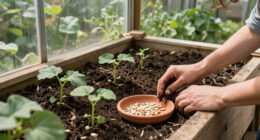

The best soil amendments for gardens depend on what your soil needs: organic matter, better drainage, moisture retention, or a targeted nutrient. My best overall pick is R&M Organics Compost Soil Amendment for its broad role in improving garden beds, while Brut Organic Worm Castings stand out for gardeners seeking a gentle organic addition and Back to the Roots Coconut Coir for moisture management. The main tradeoff is between versatile amendments that support general soil improvement and specialized products that address only one issue. Some options also change soil chemistry or add specific nutrients, so matching the amendment to a soil test matters. Read on for the full breakdown and guidance on choosing the right fit for your garden.

Get garden gear delivered free with Prime
- Fast, free delivery on millions of items
- Prime Video, Amazon Music and more included
- Member-only deals all year
Complete the kit


Key Takeaways
- Compost is the broadest starting point: R&M Organics and Brut Cow Compost serve gardeners looking to add organic matter, while more targeted products address specific soil conditions.
- Worm castings appear in several package sizes and brands: Brut, Worm Bliss, Back to the Roots, and Wiggle Worm give buyers choices, but the larger format is not automatically the better fit for a small garden.
- Texture amendments solve different problems: perlite is suited to increasing air space and drainage, vermiculite helps retain moisture, and coconut coir provides a larger-volume growing medium.
- Mineral and nutrient amendments need a specific reason: gypsum, dolomite lime, bone meal, and Dr. Earth’s vegetable fertilizer are not interchangeable general-purpose soil conditioners.
- Biochar is a distinct, longer-term soil option: Plantonix Char Bliss differs from quick-use organic matter products, so buyers should weigh its specialized role against simpler compost-based choices.


| soil amendments for garden | Brand | Weight |
|---|---|---|
| Cz Garden Supply Organic Gypsu | — | 5 pounds |
| Brut Organic Worm Castings for | BRUT WORM FARMS | 5 pounds |
| Farmer’s Secret Organic Soil R | — | — |
| Legigo 4-Quart Organic Perlite | Legigo | — |
| Plantonix Char Bliss Organic B | Plantonix | — |
| Brut Cow Compost | BRUT WORM FARMS | 10 pounds |
| Worm Bliss Organic Worm Castin | Plantonix | — |
| R&M Organics Compost Soil Amen | R&M Organics | 10 pounds |
| Cz Garden Supply Organic Dolom | Cz Garden Supply | 5 pounds |
| Burpee Bone Meal Fertilizer fo | Burpee | 3 pounds |
| Sukh Organic Vermiculite for P | Sukh | — |
| Back to the Roots Organic Eart | Back to the Roots | 5 lb |
| Wiggle Worm 100% Pure Organic | — | 15 lb |
| Back to the Roots Organic Coco | Back to the Roots | 10 lb |
| Dr. Earth Organic 5 Tomato | Dr. Earth | 4 lb |
More Details on Our Top Picks
Cz Garden Supply Organic Gypsum Powder, 5 lb
Gypsum is the targeted choice in this group: it supplies calcium and sulfur without aiming to change soil pH. That makes it a different tool from Cz Garden Supply Organic Dolomite Lime, which is intended to add magnesium as well as affect acidity. The powder is OMRI listed and its uses span garden beds, lawns, and mushroom cultivation, giving it more range than a potting-mix-only amendment such as Legigo perlite. Its resealable pouch also makes storage and measured pouring more manageable. The main limitation is that the supplied information gives no application rate, so buyers must find crop- and soil-specific guidance before spreading it. It addresses a narrower nutrient and soil-structure need than compost or worm castings, rather than serving as a general-purpose soil builder.
Pros:- OMRI listed for use in certified organic production
- Supplies calcium and sulfur
- Listed for lawns, plants, and mushroom cultivation
- Resealable pouch supports storage and pouring
Cons:- No application rate is specified in the supplied product information
- A focused calcium-and-sulfur amendment, not a broad source of organic matter or complete plant nutrition
Best for: Gardeners seeking an OMRI-listed calcium-and-sulfur amendment for beds or lawns, especially when they do not want to raise soil pH.
Not ideal for: New gardeners looking for a ready-to-use, general soil improver; the product details provide no application rate, and gypsum does not replace compost or a balanced fertilizer.
- Form:Powder
- Weight:5 pounds
- Ingredient:Calcium sulfate dihydrate
- Certification:OMRI Listed
- pH:Neutral
- Packaging:Resealable pouch
- Country of origin:USA
- Specific uses:Lawns, organic gardening, and mushroom cultivation
Our verdict“Choose this gypsum for a specific calcium-and-sulfur need without a pH-raising amendment, but look elsewhere for general soil enrichment.”
Brut Organic Worm Castings for Plants, 5 lb
For a first soil amendment, worm castings are an approachable option: the product is described for use in both potting and garden soil, so beginners can use one material across indoor plants and outdoor beds. Its OMRI and CDFA listings may also matter to gardeners following organic production standards. Compared with Farmer’s Secret Organic Soil Revitalizer, this is a solid amendment rather than a concentrate that must be diluted and reapplied monthly; compared with Plantonix Char Bliss biochar, it is positioned as a source of natural nutrients and soil fertility rather than a porous structure-focused material. The tradeoff is limited detail: the supplied data does not explain application rates, nutrient analysis, or how much to mix into different soils. Buyers who want precise dosing or a specific soil-structure fix may prefer another option.
Pros:- Suitable for indoor and outdoor plants
- Can be added to potting soil or garden soil
- OMRI and CDFA listed
- Granular form can be incorporated into soil
Cons:- No nutrient analysis is provided in the supplied product details
- Application guidance is limited, making precise mixing harder to plan
Best for: New indoor and outdoor gardeners who want one organic-listed amendment for potting mixes and garden soil.
Not ideal for: Gardeners who need a stated nutrient analysis or crop-specific application instructions, since those details are not provided here.
- Brand:BRUT WORM FARMS
- Model number:BW-WormCastings-5lb
- Item form:Granules
- Weight:5 pounds
- Liquid volume:4 quarts
- Mixing ratio:1:5
- Target species:All plants
- Certifications:OMRI and CDFA listed
Our verdict“Pick these castings for a versatile, organic-listed starting amendment, but choose a more specifically documented product when dosing precision matters.”
Farmer’s Secret Organic Soil Revitalizer, 32 fl oz
This is the lineup’s most precise large-area option: one fluid ounce is diluted per gallon, and the listed coverage is 32,000 square feet. Its activated humics are intended to stimulate soil microbial activity, making it a different approach from the direct solid additions of Brut Organic Worm Castings or Plantonix Char Bliss biochar. That concentrated format can suit gardeners treating many beds or a lawn without hauling bulky amendments. It is OMRI listed and can be sprayed or poured onto soil across a range of plants. The tradeoff is a recurring task: the directions call for monthly application during the growing season, and each use requires measuring and dilution. Gardeners who prefer a one-time soil-mix addition, or who need an amendment with clearly listed nutrient quantities, may find the castings or gypsum more straightforward.
Pros:- Concentrated formula covers a stated 32,000 square feet
- OMRI listed
- Can be sprayed or poured onto soil
- Activated humics are intended to stimulate microbial activity
Cons:- Must be diluted at 1 ounce per gallon before use
- Monthly growing-season applications add recurring work
- The supplied description does not provide a nutrient analysis
Best for: Gardeners treating multiple beds or larger growing areas who are comfortable measuring a concentrate and applying it monthly.
Not ideal for: Small-scale growers who want a simple dry amendment mixed into soil once, or buyers seeking a listed nutrient analysis.
- Form:Liquid
- Volume:32 fluid ounces
- Item weight:12.8 ounces
- Ingredient:Activated humics from organic sources
- Mixing ratio:1 ounce per gallon (1:128)
- Application method:Spray or pour
- Coverage:32,000 square feet
- Certification:OMRI listed
Our verdict“Choose this concentrate for broad-area soil treatment and a repeatable liquid routine, not for a low-maintenance one-time amendment.”
Legigo 4-Quart Organic Perlite for Indoor Plants
Legigo perlite is the focused pick for aeration and drainage, particularly in containers where dense or water-retentive mix can be a problem. Its coarse horticultural material is described as resisting compaction and decomposition, so it serves a different purpose from Brut Organic Worm Castings, which are aimed at natural nutrients and soil fertility. The neutral pH and listed uses across succulents, cacti, orchids, carnivorous plants, and hydroponics make it adaptable for specialized indoor setups. Against Plantonix Char Bliss biochar, perlite is the simpler drainage-oriented choice; biochar is described as helping retain water and nutrients as well as improve structure. The drawback is that perlite does not supply the organic matter or nutrients gardeners may want from a broader soil amendment, and the 4-quart volume is geared more to containers than large beds.
Pros:- Helps aerate potting soil and improve drainage
- Resists compaction and decomposition
- Suitable for multiple indoor plant types and hydroponics
- Neutral pH and resealable pouch
Cons:- Does not provide the nutrient contribution of worm castings
- Four-quart volume is better suited to containers than broad garden-bed use
Best for: Indoor plant growers mixing potting media for succulents, cacti, orchids, or other plants that need an airier, faster-draining mix.
Not ideal for: Gardeners seeking a nutrient-bearing amendment for large outdoor beds or a moisture-retaining material rather than improved drainage.
- Brand:Legigo
- Volume:4 quarts
- Item weight:14.08 ounces
- Material:Coarse horticultural perlite
- pH:Neutral
- Packaging:Resealable pouch
- Listed uses:Succulents, cacti, orchids, carnivorous plants, and hydroponics
Our verdict“Use Legigo when container mix needs more air and drainage, but choose castings or biochar for broader soil-building goals.”
Plantonix Char Bliss Organic Biochar Soil Amendment, 8 Quarts
Plantonix Char Bliss is the lineup’s broader structure-and-retention pick: its porous biochar is described as helping hold water and nutrients while supporting aeration and soil structure. That combination sets it apart from Legigo perlite, which focuses on drainage and air space, and from Farmer’s Secret Organic Soil Revitalizer, a liquid concentrate intended to stimulate microbial activity. Made from ethically harvested wood and tree trimmings and listed as OMRI certified, this 8-quart option can suit indoor or outdoor soil. The larger volume gives it more scope than Legigo’s 4-quart pouch for mixing into several containers or garden areas. The key drawback is a practical one: the supplied details give no application instructions, so buyers must determine appropriate amounts and preparation for their soil rather than relying on product-specific directions.
Pros:- Porous material is described as retaining water and nutrients
- Aims to improve soil structure and aeration
- Made from wood and tree trimmings without synthetic additives
- OMRI listed and suitable for indoor and outdoor plants
Cons:- No specific application instructions are provided
- Does not include a stated nutrient analysis
- Retention-focused benefits may not suit growers seeking faster-drying potting mix
Best for: Gardeners looking to add a porous, organic-listed material to beds or potting mixes where both aeration and moisture retention are goals.
Not ideal for: First-time amendment users who need clear application rates, or growers seeking a direct nutrient analysis or a drainage-only material.
- Brand:Plantonix
- Volume:8 quarts
- Item weight:0.98 kg
- Material:Biochar from wood and tree trimmings
- Organic:Yes
- Certification:OMRI listed
- Number of packs:1
- Intended benefits:Soil fertility, structure, aeration, and water and nutrient retention
Our verdict“Choose this biochar for a multi-purpose structure and retention amendment if you can determine suitable application amounts yourself.”
Brut Cow Compost, Organic Composted Manure Soil Amendment, 10 Quarts
Brut Cow Compost is a straightforward choice for gardeners who want composted manure without extra ingredients. Its finely sifted, thoroughly composted cow manure can be mixed into beds or potting soil, or spread as a top dressing, giving it more flexibility than Burpee Bone Meal, which is aimed at targeted nutrient support rather than broad soil conditioning. OMRI listing and indoor-outdoor suitability widen its use, while the 10-quart supply is practical for a few containers or modest garden beds. The tradeoff is limited guidance: the supplied details give no application rates or nutrient analysis, so gardeners must determine how much to use. Compared with R&M Organics Compost, Brut has a stated no-additives composition but less detail about odor and application.
Pros:- Made from finely sifted, thoroughly composted cow manure with no additives
- Can be mixed into soil or applied as a top dressing
- Suitable for indoor and outdoor plants
- OMRI listed
Cons:- No application instructions are provided in the supplied product details
- No nutrient analysis is provided to guide precise amendment rates
Best for: Gardeners who want additive-free composted manure for a mix of indoor containers and small outdoor beds
Not ideal for: Gardeners who need a quantified nutrient analysis or clear application rates before amending soil
- Brand:BRUT WORM FARMS
- Material:Composted cow manure
- Volume:10 quarts
- Weight:10 pounds
- Organic certification:OMRI listed
- Additives:None
- Use:Mix into garden beds or potting soil, or use as a top dressing
Our verdict“Choose Brut Cow Compost for flexible, additive-free manure compost in modest garden projects, but skip it if you need nutrient figures or explicit dosing guidance.”
Worm Bliss Organic Worm Castings, 8 Quarts
Worm Bliss Organic Worm Castings suits gardeners who want a castings-based amendment without animal manure. The 100% vegan, manure-free composition sets it apart from Brut Cow Compost and R&M Organics, both of which rely on composted cow manure. Its listed benefits include supporting microbial activity, aeration, moisture retention, and nutrient availability, making it a broad soil-conditioning option for vegetables, flowers, and houseplants. At 8 quarts, it offers less volume than Brut’s 10-quart bag, so it may be better for containers or targeted bed additions than large-scale soil rebuilding. The product details do not include application instructions or a nutrient analysis, which limits precision for gardeners who prefer a measured amendment plan.
Pros:- 100% pure, vegan, manure-free worm castings
- OMRI listed
- Described as supporting soil microbial activity and nutrient availability
- Helps improve aeration and moisture retention
Cons:- Smaller 8-quart volume than Brut Cow Compost’s 10-quart supply
- No application instructions are included in the supplied details
- No nutrient analysis is provided
Best for: Indoor growers and vegetable gardeners seeking an OMRI-listed, manure-free castings amendment for containers and smaller beds
Not ideal for: Gardeners amending large areas who need a high-volume supply or clearly stated application rates
- Brand:Plantonix
- Volume:8 quarts
- Item weight:9 pounds
- Composition:100% pure, vegan, manure-free worm castings
- Organic listing:OMRI listed
- Pack count:1
- Intended use:Indoor and outdoor plants, vegetables, and flowers
Our verdict“Pick Worm Bliss for manure-free castings in containers or modest garden areas, but look elsewhere for bulk coverage or precise dosing guidance.”
R&M Organics Compost Soil Amendment for Garden Plants and Lawns
R&M Organics Compost Soil Amendment is the most clearly described all-purpose manure option in this group: its directions support both mixing into soil and applying a thin layer around plants, with lawns, trees, flowers, fruits, and vegetables listed as uses. That breadth makes it a more practical fit for mixed landscapes than Burpee Bone Meal, which is focused on root development and nutrient support. Its fully composted, low-odor dairy cow manure may also appeal to gardeners working near patios or indoor pots. The 10-pound bag, however, is intended for small to medium applications, not broad lawn renovation or major bed construction. Unlike Brut Cow Compost, the listing supplies a mixing ratio and application method, though the provided details still do not include a nutrient analysis.
Pros:- Suitable for fruits, vegetables, flowers, lawns, and trees
- Can be mixed into soil or applied as a thin layer
- Fully composted and described as low odor
- Helps improve soil structure and moisture retention
Cons:- The 10-pound bag is intended for small to medium applications
- No nutrient analysis is listed in the supplied details
Best for: Home gardeners tending a mix of pots, small beds, fruit and vegetable plants, and limited lawn or landscaping areas
Not ideal for: Gardeners covering large lawns or rebuilding extensive beds who need more material than a 10-pound bag can provide
- Brand:R&M Organics
- Material:Composted dairy cow manure
- Weight:10 pounds
- Form:Solid
- Volume:0.31 cubic feet
- Application method:Apply a thin layer around plants or mix into soil
- Mixing ratio:5:1
- Odor:Low odor
Our verdict“Choose R&M Organics for a low-odor manure amendment with broad garden uses and stated application options, provided the bag size suits your project.”
Cz Garden Supply Organic Dolomite Lime, 5 lb
Cz Garden Supply Organic Dolomite Lime serves a different purpose from the manure composts in this roundup: it supplies calcium and magnesium while helping raise and stabilize soil pH, rather than adding broad organic matter. That makes it a targeted choice for gardeners whose soil needs pH correction, not a general substitute for Brut Cow Compost or R&M Organics. The finely ground powder and resealable, easy-pour pouch suit garden beds and containers, including tomato and pepper growing. Its OMRI listing is a useful qualification for organic production. The main drawback is the lack of application rates or detailed instructions in the supplied information. Since lime changes soil chemistry, this is a less suitable pick for gardeners who have not identified a need to raise pH.
Pros:- Supplies calcium and magnesium
- Helps raise and stabilize soil pH
- OMRI listed for organic production
- Resealable, easy-pour pouch supports storage and application
Cons:- No application rates are provided in the supplied details
- Not a general-purpose compost or soil-structure amendment
- Raising pH may not suit soil that already falls within the desired range
Best for: Gardeners who have identified low soil pH and want a powdered source of calcium and magnesium for beds or containers
Not ideal for: Gardeners seeking general organic matter or those who have not established that their soil needs a pH increase
- Brand:Cz Garden Supply
- Weight:5 pounds
- Form:Ultra-fine powder
- Certification:OMRI listed
- Pack count:1
- Country of origin:USA
- Packaging:Resealable, easy-pour pouch
- Primary function:Supplies calcium and magnesium and helps raise and stabilize soil pH
Our verdict“Choose this dolomite lime only when your soil needs a pH increase and calcium or magnesium support, not as a stand-in for compost.”
Burpee Bone Meal Fertilizer for Root Development, 3 lb
Burpee Bone Meal is the most targeted amendment here: it supplies phosphorus, calcium, and slowly released nitrogen to support root development and early growth. That makes it a better fit for planting bulbs or establishing tomatoes and peppers than the broader soil-conditioning role of R&M Organics Compost. It can be mixed into beds or potting mix, and its listed 240-square-foot coverage helps gardeners plan a defined application area. OMRI listing supports use in organic gardening. The tradeoff is that bone meal is not a substitute for compost when the goal is to improve soil structure or moisture retention. Application amounts also depend on package directions, so gardeners seeking a ready-to-use, general soil conditioner may prefer Brut Cow Compost instead.
Pros:- Supports root development and early growth
- Provides phosphorus, calcium, and slowly released nitrogen
- Can be mixed into garden soil or potting mix
- OMRI listed for organic gardening
Cons:- Application amounts require following the package instructions
- Does not serve the same broad soil-conditioning role as compost
- The 3-pound bag may not suit large-scale bed or lawn amendments
Best for: Gardeners planting bulbs, tomatoes, or peppers who want a slow-release amendment focused on roots and early plant growth
Not ideal for: Gardeners seeking bulk organic matter, improved soil structure, or an all-purpose compost amendment
- Brand:Burpee
- Weight:3 pounds
- Form:Powder
- Coverage:240 square feet
- Nutrients:Phosphorus, calcium, and slowly released nitrogen
- Suitable plants:Tomatoes, peppers, bulbs, and other garden plants
- Organic listing:OMRI listed for organic gardening
- Pack count:1
Our verdict“Choose Burpee Bone Meal for root-focused feeding around bulbs and vegetable starts, but select compost instead when soil structure is your main goal.”
Sukh Organic Vermiculite for Plants, 14.6 oz
Fine 1–3 mm particles make this vermiculite a targeted choice for seed-starting trays, propagation, and small potting batches. Its main job is to help growing media hold moisture while maintaining airflow around roots, so it suits growers whose seedlings dry out quickly between waterings. Unlike Back to the Roots Organic Coconut Coir Expanding Soil, which supplies a larger base medium, Sukh is an additive to blend into an existing mix. That focused role is useful, but the 14.6 oz package is a limiting factor: it is better suited to a few trays or containers than broad garden-bed improvement. I’d choose it for precise moisture management, not as a stand-alone soil solution or a bulk amendment.
Pros:- Fine 1–3 mm texture suits seed-starting and propagation mixes
- Helps growing media retain moisture between waterings
- Supports airflow around developing roots
- Can be blended with potting soil, perlite, coco coir, or peat
Cons:- Small package limits use to modest projects
- Functions as a mix-in rather than a complete growing medium
- Moisture retention may not suit growers who prefer faster-drying mixes
Best for: Home gardeners starting seeds or propagating cuttings in a small number of trays and pots who want finer control over moisture retention.
Not ideal for: Gardeners amending large beds or filling many containers, because the 14.6 oz package is small for broad coverage.
- Brand:Sukh
- Material:Vermiculite
- Particle size:Fine, 1–3 mm
- Unit count:14.6 oz
- Listed volume:14.6 quarts
- Pack count:1
- Uses:Seed starting, propagation, potting mixes, and soil amendment
Our verdict“Choose Sukh for small seed-starting and propagation projects where fine texture and moisture retention matter more than bulk quantity.”
Back to the Roots Organic Earth Worm Castings, 5 lb
For gardeners who want to add an organic soil amendment without bringing a strong odor indoors, Back to the Roots Earth Worm Castings has a practical advantage: the product is described as odorless and safe for indoor use, with beneficial microbes and no risk of burning plants. Its 5 lb resealable bag is easier to handle for houseplants and smaller outdoor plots than Wiggle Worm’s 15 lb supply, though the smaller quantity may mean restocking sooner across a large garden. The granules can be sprinkled and watered in, but the description also notes that mixing them into soil may be needed, adding a step compared with simply applying a liquid. I’d favor this for routine, gentle care over a specialized, nutrient-formulated feed such as Dr. Earth Organic 5 Tomato, Vegetable & Herb Fertilizer.
Pros:- Described as odorless and suitable for indoor use
- Castings are described as safe from plant burn
- Contains beneficial microbes to support soil health
- Resealable bag helps with storage between applications
Cons:- Regular applications are needed for best results
- Granules may need mixing into soil rather than surface sprinkling alone
- Five pounds may be insufficient for repeated treatment of large gardens
Best for: Houseplant owners and small-space vegetable or herb growers seeking an odorless, gentle organic amendment in a manageable bag.
Not ideal for: Gardeners treating large beds or seeking a fertilizer specifically formulated for tomatoes and vegetables, since this is a general castings product and applications need repeating.
- Brand:Back to the Roots
- Weight:5 lb
- Unit count:80 oz
- Item form:Granules
- Origin:USA
- Target plants:All plants
- Included component:Resealable bag
Our verdict“Pick this for gentle, low-odor soil conditioning in houseplants and smaller gardens rather than bulk feeding or crop-specific fertilizing.”
Wiggle Worm 100% Pure Organic Worm Casting Fertilizer, 15 lb
15 lb of pure earthworm castings makes Wiggle Worm the clearest fit here for gardeners who want a larger supply of a single soil-conditioning material. The product is described as OMRI-listed, odorless, and non-toxic, with benefits for soil structure, aeration, drainage, and water retention. Compared with Back to the Roots Organic Earth Worm Castings, it offers three times the listed weight and emphasizes castings without bedding or vermicompost, a useful distinction for buyers seeking a concentrated, uncomplicated amendment. That bulk is less convenient for someone tending only a few houseplants, and the stated schedule of three applications per year asks for planned upkeep. I’d choose it for recurring garden use, while growers wanting a crop-specific feeding formula should look at Dr. Earth instead.
Pros:- 15 lb quantity suits repeated use across larger gardens
- Described as 100% pure castings without bedding or vermicompost
- OMRI-listed and described as odorless and non-toxic
- Supports soil structure, aeration, drainage, and water retention
Cons:- Best results call for a planned application schedule of three times a year
- Bulk quantity may be inconvenient for a small indoor garden
- Castings condition soil but are not formulated specifically for one crop
Best for: Gardeners maintaining multiple beds or a sizable container collection who want a bulk supply of pure castings for periodic soil conditioning.
Not ideal for: Small-space growers with only a few pots, or buyers who want an all-in-one, crop-specific fertilizer rather than castings applied on a schedule.
- Weight:15 lb
- Unit count:240 oz
- Item form:Pure earthworm castings
- Certification:OMRI-listed
- Specific use:Soil conditioning
- Target species:Plants
- Model number:603
Our verdict“Choose Wiggle Worm when you need a substantial supply of pure castings for scheduled soil conditioning across many plants.”
Back to the Roots Organic Coconut Coir Expanding Soil, 51 Qt
Peat-free coconut coir gives this product a different job from the castings and fertilizers in this roundup: it expands into a fluffy growing medium rather than mainly supplying nutrients. The compressed 10 lb block expands to about 51 qt, making it a space-saving choice for seed starting, potting, or blending into garden soil. Its balanced pH and indoor/outdoor use make it versatile across vegetables, herbs, flowers, and other plants. Unlike Sukh’s small vermiculite pack, this is a substantial base-medium option; unlike Wiggle Worm 100% Pure Organic Worm Casting Fertilizer, it is not a concentrated source of castings. The tradeoff is preparation: the block must be watered to expand before use, and buyers seeking a direct nutrient amendment should choose a fertilizer or castings instead.
Pros:- Compressed block expands to about 51 qt of growing medium
- Peat-free and OMRI Listed
- Balanced pH suits a broad range of plants and uses
- Works for seed starting, potting, and soil amendment indoors or outdoors
Cons:- Requires water and preparation before use
- Adds growing medium rather than providing a crop-specific fertilizer
- Expanded volume requires storage or use space
Best for: Gardeners who need a storable, peat-free growing medium for seed starting, potting, or blending into soil across indoor and outdoor projects.
Not ideal for: Buyers seeking a ready-to-apply nutrient boost or a no-preparation amendment, since the block requires water and serves primarily as growing medium.
- Brand:Back to the Roots
- Material:Organic coconut coir
- Weight:10 lb
- Expanded volume:51 qt (2 cubic feet)
- pH:Balanced
- Peat-free:Yes
- Certification:OMRI Listed
- Uses:Seed starting, potting, and soil amendment; indoor and outdoor
Our verdict“Pick this coir block when you want a large, peat-free base medium that stores compactly and can serve several gardening tasks.”
Dr. Earth Organic 5 Tomato, Vegetable & Herb Fertilizer, 4 lb
Where the worm-casting products focus on broad soil conditioning, Dr. Earth Organic 5 is aimed directly at tomatoes, vegetables, and herbs. Its granular formula contains beneficial soil microbes and both ecto- and endo-mycorrhizae, and is described as releasing nutrients quickly while feeding plants for several months. That makes it the more targeted choice for an edible garden than Back to the Roots Organic Earth Worm Castings, which serves all plants and calls for regular application. The tradeoff is narrower scope: ornamental growers or gardeners wanting a general-purpose amendment may get more flexibility from castings or coconut coir. The supplied product details also do not specify an application rate, so buyers should follow the package directions rather than assume a dose from the listed weight.
Pros:- Formulated specifically for tomatoes, vegetables, and herbs
- Contains beneficial soil microbes and ecto- and endo-mycorrhizae
- Described as feeding plants for several months
- Granular form is suited to soil application
Cons:- Crop focus is narrower than general-purpose castings or coir
- Application rate is not included in the supplied product details
- Does not provide the bulk growing-medium volume offered by the coir block
Best for: Home growers focused on tomatoes, vegetables, and herbs who want an organic granular fertilizer with microbes and extended feeding.
Not ideal for: Gardeners seeking a general soil-structure amendment, a peat-free growing medium, or a fertilizer with application directions supplied in the product details.
- Brand:Dr. Earth
- Model:704P
- Item form:Granules
- Weight:4 lb
- Unit count:64 oz
- Ingredients:100% organic and natural
- Microbes:Beneficial soil microbes and ecto- and endo-mycorrhizae
- Number of items:1
Our verdict“Choose Dr. Earth Organic 5 for targeted feeding of edible crops, not as a general-purpose soil-structure amendment.”

How We Picked
I compared these 15 products by the garden problem each is designed to address, how clearly its role differs from other options, and how practical its format is for beds, containers, or smaller planting areas. I gave more weight to amendments with a broadly useful role for common garden soil improvement, then considered targeted choices for drainage, moisture, soil chemistry, root development, and vegetable feeding. Package size and form also mattered because bulky amendments suit larger projects, while concentrated or compact products may be easier to store and apply in limited spaces.
The ranking reflects usefulness across a wider range of garden situations, not a claim that one material can fix every soil. Compost-based amendments and castings rank well for general organic matter needs; specialized products rank for narrower purposes and may be a better choice when a soil test or growing condition points to that need. I also weighed overlap: four worm-casting products offer similar broad roles, so their differences in quantity and product positioning matter more than treating each as a separate solution. No amendment earns a top position simply for being labeled organic; fit, limitations, and the risk of applying the wrong material matter just as much.
Factors to Consider When Choosing Best Soil Amendments For Gardens
Choosing an amendment starts with identifying what is limiting your garden, not with picking the most familiar bag. I use the following factors to separate broad soil improvement from targeted fixes and to avoid adding materials that do not address the actual problem.
Start With the Soil Problem, Not the Product Type
Before choosing compost, lime, gypsum, or fertilizer, identify the issue you want to address. A soil test can reveal pH and nutrient levels, while simple observations—such as water pooling or soil drying very quickly—can help flag a texture or drainage concern. These clues are not interchangeable: a pH amendment will not correct poor drainage, and perlite will not supply the same organic matter as compost. A common mistake is adding several amendments at once, which makes it hard to tell what helped and can push soil conditions in the wrong direction. If the problem is unclear, begin with a modest, broadly useful organic matter addition rather than stacking specialized products.
Match the Amendment to Your Soil Texture
Clay-heavy soil and fast-draining sandy soil can need different kinds of help, and container mixes have their own demands. Compost contributes organic matter, while perlite creates air space and vermiculite is more associated with holding moisture; coir can serve as a water-retentive growing-medium component. These materials should not be treated as substitutes, even when all are described as improving soil. For in-ground beds, think about how the amendment will behave through repeated watering and seasonal weather; for pots, consider both drainage and how quickly the mix dries between waterings. Avoid adding a texture amendment by habit, since a material that helps one growing setup can make another less suitable.
Separate Soil Building From Plant Feeding
Some products primarily contribute organic matter or alter physical properties, while others supply specific nutrients for plant growth. Bone meal and a formulated vegetable fertilizer have more targeted feeding roles than coir or perlite, and compost or worm castings are not a precise replacement for a nutrient plan. Check the label for intended use and application directions, then account for any fertilizer already in the bed or potting mix. Overlapping products can lead to excess nutrients rather than better growth, particularly when several amendments are applied without knowing what the soil already contains. For edible crops, choose a product suited to the crop and follow its instructions instead of assuming every organic amendment is safe to apply in any quantity.
Use pH and Mineral Amendments With Care
Dolomite lime and gypsum have different jobs, so choosing between them by name alone can lead to a poor match. Lime is used to raise soil pH, while gypsum is not a general substitute for correcting acidity; neither should be added merely because a garden is underperforming. A soil test helps determine whether a pH change is needed and whether a mineral amendment fits the soil condition. Applying lime without a need can move pH away from the range preferred by the plants, while adding gypsum without a relevant soil issue may not produce the change a gardener expects. When test results do not point to a mineral correction, put the effort into organic matter or another confirmed need instead.
Choose Package Size for the Area You Can Treat
Large-volume compost, coir, and castings can make sense for raised beds or several planting areas, but they may be awkward to store and use up in a small container garden. Compact bags and concentrated formats reduce storage demands, though they may require more careful measuring or repeated purchases for a large plot. Estimate the area and depth you plan to amend before buying, then compare the product’s application guidance with the amount supplied. Buying a large package for a trial can leave material sitting unused, while buying a small package for a full bed can interrupt the work. Storage also matters: keep amendments dry and follow label directions so the product remains manageable until use.
Think Beyond Organic Labels and Immediate Results
Organic describes a production or product claim, not a guarantee that an amendment suits every garden or acts quickly. Compost and castings are commonly chosen for organic matter, while biochar is a more specialized material whose role may differ from an immediately visible texture change. Some amendments support gradual soil improvement; others target a more direct nutritional or chemical adjustment. Consider the time horizon of the project, how often you want to amend, and whether you are willing to combine a material with other soil-management practices. A simple, repeated approach based on observed conditions can be more useful than buying several products that promise different benefits but address no confirmed problem.
Frequently Asked Questions
Can I combine compost, worm castings, and fertilizer in the same garden bed?
They can be used in the same garden, but combining them does not automatically improve results. Compost and worm castings both add organic material, so using both heavily may be redundant for a bed that already has plenty of organic matter. A fertilizer such as Dr. Earth Organic 5 has a more direct feeding role, so follow its label and account for nutrients already present. Start with the soil’s condition and the crop’s needs, then add one change at a time where possible. That approach makes it easier to spot overapplication and understand which amendment is helping.
Should I use dolomite lime or gypsum to fix hard, compacted soil?
Neither should be chosen solely because the soil feels hard. Dolomite lime changes soil pH, so it makes sense only when a test indicates the soil needs that adjustment. Gypsum has a different role and is not a universal remedy for compacted soil or poor drainage. Compaction can also stem from foot traffic, poor bed structure, or working wet soil, none of which a bagged amendment necessarily resolves on its own. Check the soil condition and test results before applying either product.
Which amendment is the better choice for a small container garden?
For containers, choose according to the mix’s main limitation rather than garden-bed volume. Perlite can help create air space in a mix that stays too wet, while vermiculite or coconut coir may suit situations where moisture retention is a concern. Worm castings can be added in a measured amount, but several large bags of castings or compost may be unnecessary for a few pots. Check that the product is intended for the growing setup and follow its directions for mixing. If the existing potting mix drains and holds water well, adding another amendment may not be needed.
Are worm castings interchangeable with compost?
They overlap as organic amendments, but they are not identical products or necessarily used in the same way. Compost is a broad category for adding organic matter to beds and can be a practical choice for covering a larger area. Worm castings are often selected as a more targeted addition, and this roundup includes several brands and package sizes for that role. For a large bed needing general soil building, compost may be the simpler starting point; for a smaller application, castings may be easier to portion. Follow the label rather than assuming that one can replace the other at the same rate.
Do I need biochar if I already add compost each season?
Not necessarily. Compost and biochar have distinct roles, so adding biochar is not a required next step for every garden that receives compost. If your beds are growing well and you have no specific reason to try a more specialized soil amendment, continuing a suitable compost routine may be enough. If you are considering biochar, read the product directions and plan how it fits with the rest of your soil-care approach rather than treating it as a substitute for all organic matter. Buyers seeking a straightforward seasonal amendment may prefer to keep their routine simpler.
Conclusion
For the best overall fit, I’d start with R&M Organics Compost Soil Amendment when the goal is broad garden soil improvement. For value-minded buyers, Brut Cow Compost is the straightforward choice for adding composted organic matter, while Plantonix Char Bliss is the premium-style pick for gardeners specifically interested in biochar rather than a general-purpose amendment. Beginners are better served by a compost-based option and a soil test before trying lime, gypsum, or a targeted fertilizer. For specific needs, choose perlite for added air space, coconut coir for moisture management, worm castings for a measured organic addition, or a mineral amendment only when soil conditions support it. Match the product to the problem, and skip specialized materials that your garden does not need.