For a focused burst of scarlet-red fall foliage, I put the five-plant pack of dwarf burning bush first: it offers more plants for a border or small hedge, though they arrive bare-root and need careful establishment. The potted dwarf burning bush is the simpler choice if you want one plant in a container, while Southern Living’s Obsession Nandina earns a place for leaf color that lasts beyond autumn. The central tradeoff is clear: choose a burning bush for a stronger seasonal red display, or Nandina for color across more of the year and a different hardiness range.

Get garden gear delivered free with Prime
- Fast, free delivery on millions of items
- Prime Video, Amazon Music and more included
- Member-only deals all year
These are not interchangeable shrubs. The two burning bush listings describe the same species and similar young plant sizes, but one is a five-plant bare-root bundle and the other arrives in a four-inch pot. Nandina differs in both appearance and climate fit: it is listed for USDA zones 6–10, while the burning bush pack is listed for zones 3–9. I rank them by how directly they deliver fall color, how much planting flexibility they offer, and how clearly the listing describes their fit.
Complete the kit


Key Takeaways
- The five-plant dwarf burning bush pack is my strongest pick for planting a coordinated red fall border, but bare roots require attentive planting and watering.
- The single potted dwarf burning bush is a more manageable choice for a small garden or a buyer who wants one established-in-container specimen.
- Both burning bush listings promise scarlet fall foliage and compact growth; neither provides detailed mature dimensions or growth-rate information.
- Obsession Nandina is the pick for foliage color outside autumn, but its stated USDA range of 6–10 excludes colder gardens outside that range.
- For the brightest burning bush color, the listing specifies full sun; Nandina has more flexibility, from full sun to part shade.
| Pack of 5 Dwarf Burning Bush Shrub Live Plants Bare Roots, Vibrant Scarlet Red Fall Color, Winged Euonymus, 6-12 inches tall |  | Best Overall for a Red Fall Border | Quantity: 5 plants | Plant type: Dwarf burning bush (Euonymus alatus) | Plant height: 6–12 inches | VIEW LATEST PRICE | See Our Full Breakdown |
| Dwarf Burning Bush Shrub Live Plant, 6-12 inches tall, in 4-inch pot |  | Best Single Plant for a Smaller Garden | Quantity: 1 plant | Plant type: Dwarf burning bush shrub | Plant height: 6–12 inches | VIEW LATEST PRICE | See Our Full Breakdown |
| Southern Living 2 Gal. Obsession Nandina Shrub |  | Best for Foliage Color Beyond Autumn | Plant type: Obsession Nandina shrub | Container size: 2 gallons | USDA hardiness zones: 6–10 | VIEW LATEST PRICE | See Our Full Breakdown |
| shrubs for fall color | Plant type | Quantity | Plant height | Fall color |
|---|---|---|---|---|
| Pack of 5 Dwarf Burning Bush S | Dwarf burning bush (Euonymus alatus) | 5 plants | 6–12 inches | Scarlet red |
| Dwarf Burning Bush Shrub Live | Dwarf burning bush shrub | 1 plant | 6–12 inches | Scarlet red |
| Southern Living 2 Gal. Obsessi | Obsession Nandina shrub | — | — | — |
More Details on Our Top Picks
Pack of 5 Dwarf Burning Bush Shrub Live Plants Bare Roots, Vibrant Scarlet Red Fall Color, Winged Euonymus, 6-12 inches tall
I rank this pack first because it is the most direct match for a buyer searching for a noticeable scarlet fall display across more than one spot. Five plants give you the raw material for a short border, grouped planting, or the start of a hedge, whereas the potted dwarf burning bush is one young shrub and is better suited to a single focal point. Both listings describe compact dwarf burning bush with red autumn foliage, so the pack’s advantage is primarily planting scale rather than a different color promise.
The listed 6–12-inch height means these are starting-size plants, not instant screening. They arrive bare-root and dormant, which can be a reasonable format for planting several shrubs, but it requires the buyer to handle planting and initial moisture carefully. The listing calls the plants hardy for USDA zones 3–9 and says full sun gives the best color. That range makes this pack more compelling for colder gardens than the Nandina, whose stated range begins at zone 6.
There are meaningful uncertainties. The description does not give mature width, mature height, or a growth rate, so I would leave room for future growth and check local guidance before setting a tight hedge spacing. The soil guidance calls for well-drained, moist, loamy soil and regular moisture, which is not the same as planting and forgetting. I would choose the pack for a buyer who values multiple plants and strong autumn red, and skip it if dormant bare roots or establishment work are a poor fit.
Pros:- Five plants make it easier to create a repeated red fall display than buying a single shrub.
- Scarlet autumn foliage directly matches the main goal of a fall-color planting.
- Listed for USDA zones 3–9, including colder zones than the Nandina listing.
- Compact growth is suited to borders, hedges, and foundation plantings.
Cons:- Bare-root dormant plants need prompt, careful planting and establishment care.
- Full sun is specified for the best foliage color.
- Mature size and growth rate are not provided, complicating spacing plans.
Best for: Gardeners who want several shrubs for a coordinated fall-color border or hedge and can establish bare-root plants.
Not ideal for: Buyers who need instant screening, prefer a plant already growing in a pot, or cannot provide suitable sun and establishment moisture.
- Quantity:5 plants
- Plant type:Dwarf burning bush (Euonymus alatus)
- Plant height:6–12 inches
- Root format:Bare root; plants arrive dormant
- Fall color:Scarlet red
- Growth habit:Compact
- USDA hardiness zones:3–9
- Light and soil:Full sun for best color; well-drained, moist, loamy soil
Our verdict“I would choose this five-plant pack for a larger, coordinated scarlet fall display, provided bare-root planting and early care suit your garden.”
Dwarf Burning Bush Shrub Live Plant, 6-12 inches tall, in 4-inch pot
This is my pick when the goal is one dwarf burning bush, not a row of them. Its listed height matches the five-plant pack at 6–12 inches, and it offers the same basic seasonal sequence: green foliage in spring and summer, then scarlet red in fall. The distinguishing feature is the four-inch pot, which makes it the more straightforward format for placing one young shrub in a small border or moving it into a chosen planting spot. By comparison, the pack offers more coverage but arrives as dormant bare roots and calls for attention to several plants at once.
For fall-color shoppers, the core appeal is familiar rather than unique. This listing does not describe a different shade or a longer color season than the bare-root option. It is best understood as a single-plant alternative, especially for someone who wants to trial the shrub before committing space to a group. The compact habit may suit a range of landscape uses, but the listing gives no mature dimensions, so I would not assume it will remain small enough for a narrow space without pruning.
The information gaps are more noticeable here. The description does not state a USDA zone range, provide a growth rate, or offer details about flowers or fruit. It also says color may be seasonal, which is worth weighing against Nandina’s stated year-round foliage color. If autumn red is the priority and you want just one shrub, this potted option makes sense; if you need several plants for a unified display or a clearer zone specification, the five-plant pack is the stronger listing.
Pros:- Single-plant format is easier to fit into a small project than a five-plant bundle.
- Four-inch pot avoids the bare-root format of the pack listing.
- Described green spring and summer foliage turns scarlet red in fall.
- Compact habit is presented as suitable for borders and landscaping.
Cons:- The listing does not specify USDA hardiness zones or growth rate.
- Mature height and width are not supplied, making long-term space planning harder.
- Its seasonal fall color offers less year-round foliage interest than Nandina.
Best for: A buyer who wants a single young shrub for a small landscape planting or wants to try dwarf burning bush before planting a group.
Not ideal for: Gardeners planning a longer hedge, needing a stated hardiness-zone range, or seeking color throughout the year rather than mainly in fall.
- Quantity:1 plant
- Plant type:Dwarf burning bush shrub
- Plant height:6–12 inches
- Pot size:4 inches
- Foliage:Green in spring and summer
- Fall color:Scarlet red
- Growth habit:Compact
- Hardiness zones:Not stated in the listing
Our verdict“I would select this potted burning bush for one compact autumn-red accent, but not for a larger planting plan or a climate-sensitive purchase without more zone information.”
Southern Living 2 Gal. Obsession Nandina Shrub
Obsession Nandina takes third place for a simple reason: it is not described as a dedicated scarlet-red fall shrub in the way both burning bushes are. Its strength is leaf color throughout all seasons, giving buyers a longer window of visual interest instead of concentrating the display in autumn. If you want a garden that keeps foliage color outside fall, that broader season can matter more than a more focused seasonal change. If your priority is a striking red autumn effect, I would favor either burning bush, especially the five-plant pack for a larger area.
The listed two-gallon size offers a different starting format from the young 6–12-inch burning bushes, though the listing does not state a plant height. Its hardiness range is USDA zones 6–10, and it prefers full sun to part shade. That flexible light range is useful where a spot is not in full sun all day, but the zone range makes it a poor substitute for the burning bush pack in colder climates. The potted burning bush listing does not provide a zone range, so Nandina is clearer on climate fit than that option, even though its own range is narrower than the pack’s.
Care is described as low maintenance once established, but it still needs regular water while settling in: twice weekly until established, then once weekly. That is more explicit guidance than the burning bush listings provide, but it is not a reason to ignore local soil, rainfall, or planting conditions. I would select Nandina for a longer season of foliage interest in a suitable zone, and skip it if you need a shrub specifically selected for vivid scarlet autumn leaves or garden in a zone below 6.
Pros:- Foliage color is described as lasting through all seasons, not only autumn.
- Listed for zones 6–10, giving buyers a stated climate range.
- Full sun to part shade offers more light flexibility than the burning bush guidance.
- Two-gallon format provides a distinct alternative to the smaller listed burning bushes.
Cons:- Its description does not promise the same specific scarlet fall color as the burning bushes.
- The stated hardiness range excludes gardens colder than zone 6.
- Regular watering is required until established, with ongoing weekly watering guidance.
Best for: Gardeners in USDA zones 6–10 who want foliage color beyond fall and have a site ranging from full sun to part shade.
Not ideal for: Buyers seeking the clearest scarlet-red autumn display, or gardeners outside the listed zones 6–10.
- Plant type:Obsession Nandina shrub
- Container size:2 gallons
- USDA hardiness zones:6–10
- Foliage color period:Described as colorful throughout all seasons
- Light:Full sun to part shade
- Water while establishing:Twice per week, according to the listing
- Water after establishment:Once weekly, according to the listing
- Maintenance:Low maintenance
Our verdict“I would choose Obsession Nandina for longer-lasting foliage color in zones 6–10, but choose a burning bush when a strong red fall display is the main objective.”
How We Picked
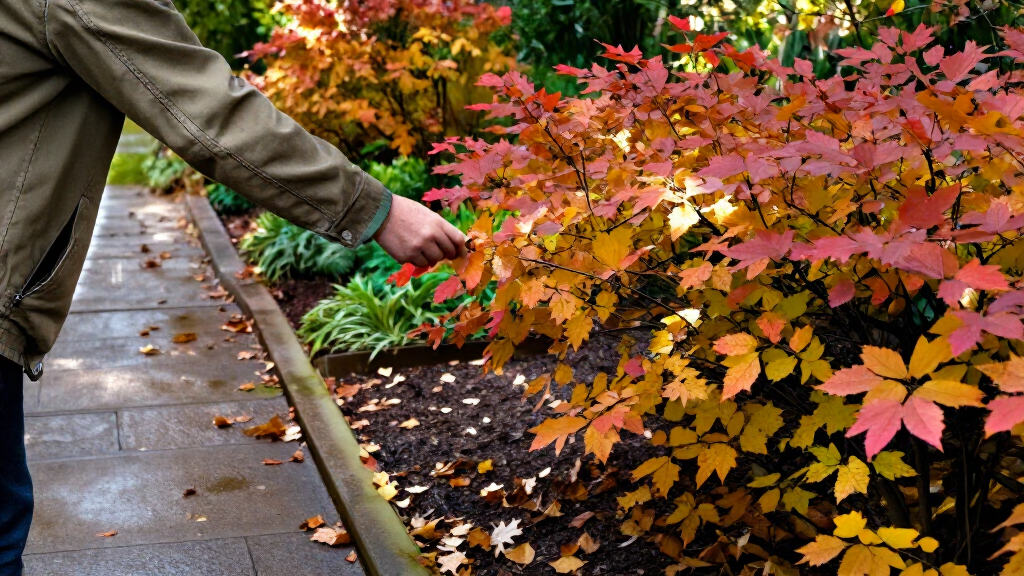
I ranked these shrubs around the specific promise of fall color, not around a general claim that any plant is attractive or easy to care for. My first question was how directly and vividly each description addresses autumn foliage. The burning bushes lead here: both are identified as turning scarlet red in fall, and the five-plant pack specifically describes vibrant scarlet foliage. Obsession Nandina offers a useful alternative because its foliage color is described as lasting through all seasons, but that is a broader color benefit rather than an autumn-only red display.
I also compared the practical differences that affect the planting decision. A five-plant bare-root pack can create a more continuous hedge or border than one potted shrub, but it asks the gardener to plant and establish several dormant plants. The single four-inch-pot burning bush is simpler to place individually, yet its listing gives little information about growth rate or mature size. Nandina arrives in a two-gallon size, a different starting format, and has specified sun exposure, zones, and establishment watering guidance.
Climate fit and information quality shaped the order as well. The burning bush pack lists USDA zones 3–9, which covers colder areas than Nandina’s zones 6–10, while the potted burning bush listing does not state a zone range. I do not treat missing details as proof of poor performance; I treat them as information a buyer should verify before ordering. No listing supplies a full mature-size profile, so I avoid promising that any of these shrubs will stay within a particular footprint. My ranking favors the option with the clearest role for a dramatic fall display, then separates the single-plant convenience pick from the longer-season color choice.
Finally, I included real drawbacks rather than treating “low maintenance” as a guarantee of effortless planting. Sun exposure affects the burning bushes’ color, bare-root plants need proper establishment, and Nandina needs regular watering while it settles in. Those differences matter more to a successful purchase than a generic claim of easy care.
| shrubs for fall color | Plant type |
|---|---|
| Pack of 5 Dwarf Burning Bush S | Dwarf burning bush (Euonymus alatus) |
| Dwarf Burning Bush Shrub Live | Dwarf burning bush shrub |
| Southern Living 2 Gal. Obsessi | Obsession Nandina shrub |
Factors to Consider When Choosing Best Shrubs For Fall Color
I would begin with the kind of color you want to see and how much planting work you are prepared to take on. These three listings split into two clear routes: the burning bushes are the more direct choices for scarlet autumn foliage, while Nandina offers foliage color described as lasting across the year. After that, compare planting format, sun exposure, hardiness information, and the space you can give a shrub as it matures.
Decide whether you want an autumn burst or longer-season color
Both dwarf burning bush listings describe green foliage in the growing season changing to scarlet red in fall. That makes them the closer match if your main goal is a pronounced seasonal change. The five-plant pack is especially apt when you want repetition along a border or want several shrubs to color together. The single potted plant serves a smaller, more limited planting without changing the basic autumn-color promise.
Obsession Nandina is a different kind of choice. Its foliage is described as colorful through all seasons, so it may suit a planting where interest outside autumn matters as much as fall color. The listing does not give the same specific promise of scarlet fall leaves as the burning bushes. I would not treat the three options as equal answers to “red leaves in fall”: the burning bushes are more direct, and Nandina is the longer-season alternative.
Match the plant format to your project
The five-plant burning bush pack makes most sense if you need several shrubs in one coordinated plan. Its plants are listed at 6–12 inches and arrive as dormant bare roots, so it is not an instant hedge. Plan to plant them properly and give them attention as they establish. This format may appeal to a gardener comfortable handling multiple young plants, but it is less convenient for someone who would rather place one potted specimen.
The other burning bush is a single plant in a four-inch pot, also listed at 6–12 inches. It is a more contained purchase for a small border or a trial planting. Nandina comes in a two-gallon container, but no plant height is supplied, so use container size as a format detail rather than a promise about its visible scale. None of the listings gives enough mature-size information to plan a tight planting solely from the provided dimensions; check spacing guidance for the specific plant before setting a hedge line.
Check hardiness and growing conditions before ordering
The bare-root burning bush pack lists USDA zones 3–9, a wider stated range toward colder gardens than Nandina’s zones 6–10. The potted burning bush listing does not state a zone range, so buyers considering it should verify suitability for their own location rather than infer a range from the other burning bush product. A species name shared across two listings does not fill in missing seller-specific planting details.
Light is another practical difference. The burning bush pack says full sun gives the best foliage color; a shaded position may not deliver the intended display. Nandina is listed for full sun to part shade, offering more flexibility in the described site conditions. Soil, drainage, rainfall, and local climate still affect establishment, so treat listing guidance as a starting point and follow sound local planting practices.
Plan for establishment instead of relying on “low maintenance”
Low maintenance does not mean no care during the first weeks or seasons. The bare-root pack specifically calls for proper planting and regular moisture, and its dormant arrival means the planting stage matters. The potted burning bush avoids that bare-root format, but its listing does not provide a detailed watering schedule. Nandina’s guidance is more explicit: water twice weekly until established, then once weekly. Local rain and soil conditions can affect how that advice applies, so monitor the planting site rather than treating a schedule as automatic.
All three options need a suitable place and an establishment plan. If you want minimal early involvement, none should be treated as a plant that can go straight into the ground and be ignored. The format distinction still helps: choose the five bare-root plants for coverage and be ready to tend several, the single potted burning bush for a one-shrub project, or Nandina if its year-round foliage and zone range fit your garden.
Allow room for growth and verify missing details
The listings provide limited information about mature height and width, and the single potted burning bush also lacks a growth-rate estimate. I would avoid assuming “dwarf” means no future pruning or that the shrub will fit beside a walkway at its current young size. Before planting a row, look for reliable mature dimensions and recommended spacing for the plant in your region. That step is especially useful for the five-plant pack, where spacing determines whether the result reads as a border or a crowded line.
Also distinguish known details from absent ones. The pack states a zone range and soil preferences; the potted burning bush does not state a zone range; Nandina has a stated range and watering schedule but no listed height. Those gaps do not automatically rule out a product, but they change how much you should verify before buying. For me, the best choice is the one whose color season, growing conditions, and planting format all match the site—not simply the one with the most appealing foliage description.
Frequently Asked Questions
Which of these shrubs is best for vivid red fall color?
I would choose either dwarf burning bush for the most direct match. Both listings describe scarlet-red fall foliage, while Obsession Nandina is described as having color throughout the seasons without the same specific scarlet autumn promise. For a broad display, the five-plant pack gives you several shrubs; for one accent, the potted burning bush is the more focused purchase.
Which option is best for planting a hedge or border?
The five-plant dwarf burning bush pack is the clearest fit for a repeated border or the start of a hedge because it includes several plants of the same type. They are young bare-root plants listed at 6–12 inches, so they will not create immediate screening. I would check mature dimensions and spacing before planting, since the listing does not provide those details.
Which shrub has the broadest stated hardiness range?
The bare-root dwarf burning bush pack lists USDA zones 3–9, covering colder zones than Obsession Nandina’s stated zones 6–10. The single potted burning bush listing does not give a zone range, so I would verify its suitability for your location before ordering. A listed range is a useful filter, but local conditions and planting exposure still matter.
Do burning bushes need full sun for fall color?
The five-plant burning bush listing says full sun produces the best color, so I would favor a sunny position if scarlet foliage is the main reason for choosing it. The potted burning bush listing does not provide equally detailed light guidance, and I would not assume that its requirements differ just because the format is different. Nandina is listed for full sun to part shade, making it the more flexible option in the descriptions.
Which choice offers color for more than just autumn?
Obsession Nandina is the best fit for that goal because its listing describes leaf color throughout all seasons. The burning bushes are characterized mainly by green foliage in spring and summer followed by scarlet fall color. Nandina is listed for zones 6–10 and needs regular watering while establishing, so its longer color season should be weighed against its narrower stated climate range and watering guidance.
Conclusion
For buyers building a multi-plant red fall border, I recommend the five-plant dwarf burning bush pack: it has the clearest combination of scarlet autumn foliage, multiple plants, and a stated zones 3–9 range, with bare-root establishment as the main tradeoff. If you want a single young shrub for a smaller planting, choose the four-inch-pot burning bush, but verify its hardiness range and plan for its eventual size. For gardeners in zones 6–10 who value foliage color beyond fall and can follow the establishment watering guidance, Obsession Nandina is the more suitable pick. My overall fall-color choice remains the five-plant pack, while the right option for your garden depends on whether you prioritize coverage, single-plant convenience, or a longer season of color.