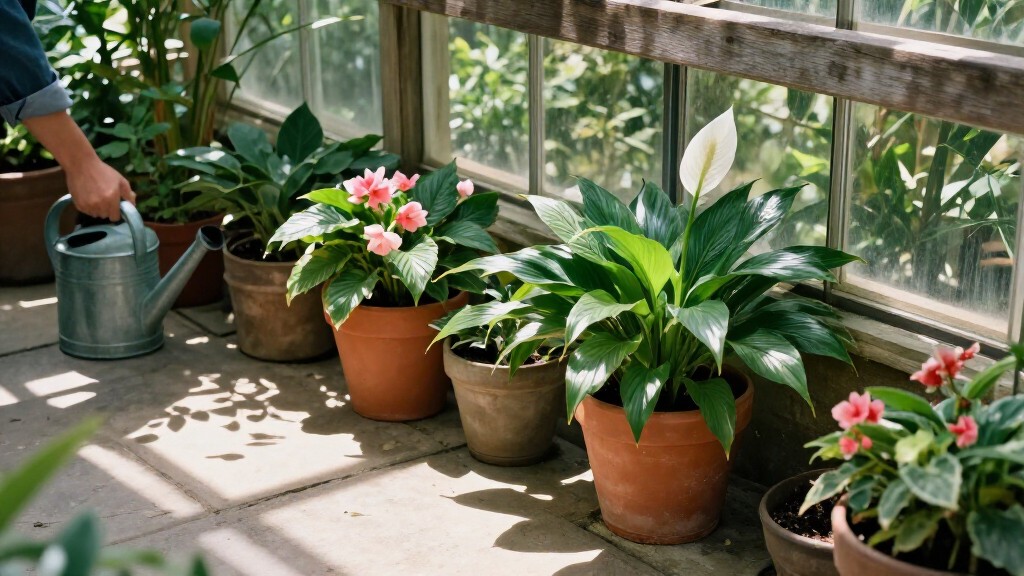

Shopping for the best low light flowering houseplants means balancing two things that rarely go together perfectly: a plant that tolerates dim conditions and one that blooms reliably. My strongest low-light match is the 4-inch grower-pot Peace Lily, which tolerates partial shade and has drainage holes. For a more colorful, compact display, the Anthurium offers long-lasting flowers, but it prefers bright, indirect light rather than a genuinely dim corner. The 6-inch Costa Farms Peace Lily is the fuller tabletop choice, though its pot has no drainage.

Get garden gear delivered free with Prime
- Fast, free delivery on millions of items
- Prime Video, Amazon Music and more included
- Member-only deals all year
These four plants are not interchangeable. A peace lily can tolerate lower light, but less light may mean fewer flowers; anthurium and African violet need brighter indirect conditions to flower well. I ranked the options by how closely their stated light needs match the low-light promise, then weighed bloom appeal, pot readiness, care demands, and practical drawbacks. If your room is particularly dim, treat any flowering as a bonus and consider moving the plant closer to a window when you want more blooms.
Complete the kit


Key Takeaways
- The 4-inch grower-pot Peace Lily is the closest match for low-light rooms because it tolerates partial shade and its pot has drainage holes.
- The 6-inch Costa Farms Peace Lily arrives in a decorative pot, but the lack of drainage makes careful watering and water removal necessary.
- The Anthurium has long-lasting flowers and a compact footprint, but bright, indirect light is a better fit than a dim room.
- The miniature African violet is the smallest and most colorful option, though it arrives bare root and needs potting before display.
- For every plant here, low-light tolerance does not mean dependable blooming in a dark spot; more indirect light generally supports flowering.
| Live Peace Lily (Spathiphyllum), 4-Inch Grower Pot |  | Best Overall for Low-Light Rooms | Plant type: Peace lily (Spathiphyllum) | Pot diameter: 4 inches | Expected plant height: About 8 inches | VIEW LATEST PRICE | See Our Full Breakdown |
| Costa Farms Peace Lily Live Indoor Plant in 6-Inch Decorative Pot |  | Best Ready-to-Display Peace Lily | Plant type: Peace lily | Pot size: 6 inches | Height at shipping: Approximately 15 inches | VIEW LATEST PRICE | See Our Full Breakdown |
| Costa Farms Live Anthurium Indoor Plant |  | Best for Long-Lasting Color in Bright Indirect Light | Plant type: Anthurium, also called flamingo flower or laceleaf | Expected height: About 10–14 inches in description; 24 inches also listed | Light: Bright, indirect light; partial sun | VIEW LATEST PRICE | See Our Full Breakdown |
| Blue Miniature African Violet Live Plant, Bare Root |  | Best Compact Color Accent | Plant type: Miniature African violet | Quantity and format: One bare-root plant | Flower color: Blue | VIEW LATEST PRICE | See Our Full Breakdown |
| low light flowering houseplant | Plant type | Light | Watering | Blooming period |
|---|---|---|---|---|
| Live Peace Lily | Peace lily (Spathiphyllum) | Partial shade; tolerates low light | Moderate | — |
| Costa Farms Peace Lily Live In | Peace lily | Bright, indirect sunlight; partial sun | Approximately 1 cup once a week; avoid soggy soil | Summer |
| Costa Farms Live Anthurium Ind | Anthurium, also called flamingo flower or laceleaf | Bright, indirect light; partial sun | Regular watering; listed reference is 1/2 cup weekly | Year-round |
| Blue Miniature African Violet | Miniature African violet | Description favors bright, indirect light; listing also says full sun | Regular | Spring to summer |
More Details on Our Top Picks
Live Peace Lily (Spathiphyllum), 4-Inch Grower Pot
This is my first pick when the room itself—not just the plant’s appearance—is the deciding factor. Its description explicitly says the peace lily tolerates low light, and its listed partial-shade exposure is a closer match for dimmer interiors than the bright, indirect light preferred by the Anthurium and miniature African violet. The small 4-inch grower pot also makes it easier to place near a brighter window temporarily if you want to encourage blooms.
Compared with the 6-inch Costa Farms Peace Lily, this one arrives in a less decorative but more practical container: the grower pot has drainage holes. That gives excess water a way out, a meaningful advantage for anyone still learning how much a houseplant needs. The tradeoff is presentation. The pot is functional rather than a finished display piece, and you will need to supply a cover pot if you want a polished tabletop look.
Its fragrant white blooms are appealing, but the listing says the plant may arrive without flowers. I would buy it for foliage and shade tolerance, not for an immediate flowering display. Low light can reduce blooming, so a spot that is merely less sunny may work better than a truly dark corner. Compared with the anthurium’s longer-lasting colorful flowers, this peace lily is the more sensible choice for shade, but less suited to someone who values sustained color above light tolerance.
Pros:- Description specifically says it tolerates low-light conditions and partial shade.
- Grower pot includes drainage holes to help manage excess water.
- Compact listed height of about 8 inches suits shelves and small surfaces.
- Fragrant white blooms add interest when the plant is flowering.
Cons:- May arrive without blooms, and low light can limit flowering.
- No decorative pot is included.
- Plant height and appearance may vary.
Best for: Buyers who want a compact peace lily for a room with limited natural light and prefer a draining nursery pot over decorative packaging.
Not ideal for: Shoppers who need a plant guaranteed to arrive in bloom, want a decorative pot included, or plan to place it in a very dark spot with no daylight.
- Plant type:Peace lily (Spathiphyllum)
- Pot diameter:4 inches
- Expected plant height:About 8 inches
- Light:Partial shade; tolerates low light
- Watering:Moderate
- Container:Plastic grower pot with drainage holes
- Expected blooming period:Spring; may arrive without blooms
- Soil type:Peat
Our verdict“Choose this peace lily for the strongest stated low-light fit and drainage, while treating flowers as a possible bonus rather than an arrival guarantee.”
Costa Farms Peace Lily Live Indoor Plant in 6-Inch Decorative Pot
This Costa Farms peace lily is the more substantial, display-ready counterpart to the 4-inch grower-pot pick. At approximately 15 inches tall at shipping, with deep green foliage and white blooms, it can make a stronger visual statement on a table or counter. The included decorative 6-inch pot saves a separate styling step, which gives it an advantage over the smaller peace lily if you want the plant to look finished out of the box.
The important compromise is that its decorative container has no drainage holes. The product guidance calls for about one cup of water weekly and cautions against soggy soil or standing water, so excess water cannot simply drain away. I would use an inner nursery pot or remove collected water promptly rather than watering directly into the decorative pot without checking. By comparison, the 4-inch Peace Lily has drainage built in and is easier to manage for a new plant owner.
There is also a light mismatch to keep in mind. This plant is listed for bright, indirect sunlight or partial sun, whereas the smaller peace lily is specifically described as tolerating low light. A room with moderate indirect light is a better home than a dark hallway. The plant can grow much taller than its shipping size, with an expected height of up to 48 inches, so it may eventually need more space. This is my pick for buyers who value a fuller, ready-to-style plant and can provide brighter indirect light—not for someone seeking the most forgiving option for a dim room.
Pros:- Ships in a decorative 6-inch pot for a more finished display.
- Deep green foliage and white blooms create a classic indoor look.
- Approximately 15 inches tall at shipping, larger than the 4-inch peace lily.
- Care guidance gives a weekly watering reference and warns against soggy soil.
Cons:- Decorative pot has no drainage holes, so excess water needs active management.
- Listed light needs favor bright, indirect light rather than a very dim room.
- Individual plants may vary, and the plant may grow substantially larger.
Best for: Buyers with a moderately bright room who want a larger peace lily in an included decorative pot for immediate tabletop display.
Not ideal for: People with a genuinely dim location, anyone who wants a pot with drainage, or beginners who prefer not to monitor standing water.
- Plant type:Peace lily
- Pot size:6 inches
- Height at shipping:Approximately 15 inches
- Expected plant height:Up to 48 inches
- Light:Bright, indirect sunlight; partial sun
- Watering:Approximately 1 cup once a week; avoid soggy soil
- Blooming period:Summer
- Container:Decorative plastic pot without drainage holes
Our verdict“Pick this larger peace lily for a ready-to-display look in brighter indirect light, but choose the 4-inch version if drainage and shade tolerance matter more.”
Costa Farms Live Anthurium Indoor Plant
The Anthurium earns its place for buyers who want stronger color and a compact silhouette, not for the darkest room in the house. Its glossy, heart-shaped leaves and long-lasting flowers offer a different look from the white spathes of either peace lily. It is listed as flowering year-round, which makes it appealing for a desk or counter where ongoing color matters more than shade tolerance.
That flower advantage comes with a light requirement that weakens its fit for this particular roundup: the plant prefers bright, indirect light. The 4-inch Peace Lily is a safer choice for a dimmer position, while the Anthurium is better for a room with a bright window nearby but no direct sun on the leaves. Its compact listed size—about 10 to 14 inches in the description, though another height listing says 24 inches—can work in smaller spaces, but buyers should expect some variation rather than a precise final size.
Care notes call for regular watering, with a suggested half cup once a week. That is a reference, not a fixed schedule for every home; light, temperature, and potting conditions affect how quickly soil dries. The listing also says the plant is not intended for consumption and should be kept away from children and pets. Compared with the African violet, it arrives packaged for display rather than bare root, so setup is simpler. Compared with both peace lilies, however, it asks for brighter conditions and careful placement around curious household members.
Pros:- Long-lasting flowers provide color beyond a short bloom display.
- Glossy, heart-shaped foliage gives it a distinct look from the peace lilies.
- Compact form suits desks, counters, and smaller indoor spaces.
- Care notes provide a weekly watering reference.
Cons:- Bright, indirect light is preferred, limiting its fit for genuinely low-light rooms.
- Not intended for human or pet consumption; placement needs care.
- Flower color and plant size may vary.
Best for: Buyers with bright, indirect light who want a compact flowering plant with long-lasting color and foliage that differs from a peace lily.
Not ideal for: People seeking a plant for a dark corner, anyone who needs a confirmed flower color or exact height, or households where a toxic plant could be reached by pets or children.
- Plant type:Anthurium, also called flamingo flower or laceleaf
- Expected height:About 10–14 inches in description; 24 inches also listed
- Light:Bright, indirect light; partial sun
- Watering:Regular watering; listed reference is 1/2 cup weekly
- Blooming period:Year-round
- Soil type:Sandy soil
- Flower color:Listed as white/natural; may vary
- Household safety:Not intended for consumption; keep away from children and pets
Our verdict“Choose the Anthurium for compact, long-lasting color in a bright indirect-light spot, not as the most dependable choice for a dim room.”
Blue Miniature African Violet Live Plant, Bare Root
This miniature African violet is the smallest, most distinct-looking option in the group. Its velvety green rosette and blue blooms suit a shelf, windowsill, or small desk where a peace lily might feel too broad. It offers a different color palette from the white-flowering peace lilies and the Anthurium, making it the most decorative accent if you have a small spot with enough indirect light.
Its main drawback shows up before the first flower: it arrives as one bare-root plant, not as a potted display item. You will need an appropriate indoor container and a potting medium, then allow it to settle in. That is a larger setup task than the potted Anthurium or either peace lily. The product notes regular watering, so this is not a plant to ignore for long stretches; consistent attention matters more than the phrase low maintenance might suggest.
The African violet is a weaker low-light recommendation than either peace lily. Its description says it grows best in bright, indirect light, and the listed sunlight field says full sun, a mismatch that makes placement guidance less clear. I would use bright filtered light rather than assume it will flower in a dim corner. Its listed spring-to-summer bloom period also differs from the Anthurium’s year-round flowering description. Choose it for compactness and blue color when you can provide a brighter position and do not mind potting it yourself; skip it if you want a ready-to-display, shade-tolerant plant.
Pros:- Miniature size fits desks, shelves, and narrow windowsills.
- Blue blooms provide a color contrast to the white-flowering options.
- Velvety foliage remains ornamental between flowering periods.
- Suitable for indoor container growing.
Cons:- Arrives bare root and must be transplanted before display.
- Needs regular watering.
- Bright indirect light is a better flowering fit than a dark location.
Best for: Plant owners who want a very compact blue-flowering accent, have a bright indirect-light spot, and are comfortable potting a bare-root plant.
Not ideal for: Buyers who want an already potted plant, need a choice specifically for a dim corner, or prefer less frequent watering attention.
- Plant type:Miniature African violet
- Quantity and format:One bare-root plant
- Flower color:Blue
- Light:Description favors bright, indirect light; listing also says full sun
- Blooming period:Spring to summer
- Watering:Regular
- Growing method:Indoor container; transplanting required
- Foliage:Velvety green rosette
Our verdict“Pick this violet for a tiny blue accent when you can pot it and provide bright indirect light; it is the least suitable choice here for a dim room.”

How We Picked
I ranked these plants for a specific job: adding flowers to a home where natural light is limited. That means I gave more weight to stated tolerance for partial shade or low light than to bloom claims alone. The 4-inch Peace Lily ranks first because its description directly says it tolerates low light, and its grower pot has drainage holes. The 6-inch Peace Lily follows because it offers a ready-to-display size and familiar white blooms, but it calls for bright, indirect light and arrives in a pot without drainage.
I placed the Anthurium third, not because its flowers are less appealing, but because its care notes favor bright, indirect light and regular watering. Its compact size and long-lasting flowers make it a strong choice for a brighter shelf or desk, not a dim corner. The miniature African violet rounds out the list as the smallest option, with blue blooms and velvety foliage. Its bare-root format adds a setup step, and its supplied details point toward bright, indirect light rather than shade tolerance.
I also compared the practical details that change the ownership experience: whether the plant arrives in a pot, whether that pot drains, how often the care notes call for watering, and whether blooms may be absent at delivery. Product heights and appearance can vary, and bloom timing is not a guarantee that a plant will arrive flowering. I did not treat broad claims such as air purification or low maintenance as proof of low-light performance. The ranking reflects the information provided, not a promise that any flowering plant will thrive in a windowless room.
| low light flowering houseplant | Plant type | Expected plant height | Light | Watering |
|---|---|---|---|---|
| Live Peace Lily | Peace lily (Spathiphyllum) | About 8 inches | Partial shade; tolerates low light | Moderate |
| Costa Farms Peace Lily Live In | Peace lily | Up to 48 inches | Bright, indirect sunlight; partial sun | Approximately 1 cup once a week; avoid soggy soil |
| Costa Farms Live Anthurium Ind | Anthurium, also called flamingo flower or laceleaf | — | Bright, indirect light; partial sun | Regular watering; listed reference is 1/2 cup weekly |
| Blue Miniature African Violet | Miniature African violet | — | Description favors bright, indirect light; listing also says full sun | Regular |
Factors to Consider When Choosing Best Low Light Flowering Houseplants
Low-light flowering plants are a compromise: a plant may stay alive in shade while producing fewer flowers there. I would choose by the brightness of the actual placement, then decide how much bloom color, presentation, and care effort matter to me.
Separate low light from no light
Low light usually means a space receives some daylight but sits away from a window or gets little direct sun. It does not mean a windowless room or a spot where you cannot comfortably read during the day. Among these four, the 4-inch Peace Lily has the clearest low-light claim; the 6-inch Peace Lily is listed for bright, indirect light or partial sun, and both the Anthurium and African violet favor brighter conditions. If a plant is kept in a dim position, leaves may persist while flowering slows or stops. Moving a plant closer to a bright window when you want blooms can help, provided the change does not expose it to harsh direct sun.
Choose between foliage-first and flower-first
For a dimmer space, I would prioritize a plant whose foliage still looks attractive when flowers are absent. Both peace lilies bring deep green leaves, and the 4-inch version is the safer pick for shade tolerance. If lasting floral color matters more and the room has bright indirect light, the Anthurium is more compelling. The African violet adds blue flowers and textured leaves, but its spring-to-summer bloom period and potting requirement make it a less immediate choice. None of these listings guarantees that a plant will arrive in bloom, so I would not make an order based only on a photograph of flowers.
Check the pot before watering
Drainage changes how forgiving a plant is to water. The 4-inch Peace Lily arrives in a grower pot with holes, while the 6-inch decorative pot has no drainage. The latter can still be managed, but water must not be left pooling around the roots; a separate draining inner pot or careful removal of excess water is useful. The Anthurium has a weekly watering reference, and the African violet calls for regular watering, but neither instruction should replace checking soil conditions. A schedule is a starting point, not a rule that accounts for every room or season.
Match the plant to your setup tolerance
For the simplest setup, choose one of the peace lilies or the potted Anthurium. The miniature African violet arrives bare root, so it needs a container and transplanting before it can serve as a finished display. The 6-inch peace lily asks less of you at arrival in terms of styling, but more attention to drainage. The 4-inch peace lily is functional and compact, while the Anthurium adds a household placement concern because it is not intended for consumption and should be kept out of reach of children and pets.
Plan for mature size and placement
The plants vary from the miniature violet to the 6-inch peace lily, which can reach a listed expected height of 48 inches. A spot that works on a shelf today may not suit a larger plant later. The Anthurium has conflicting height information—about 10 to 14 inches in one description and 24 inches in a listed field—so treat its dimensions as approximate. If space is tight, the violet or Anthurium may fit more naturally, while the larger peace lily suits buyers who want foliage to become a more prominent part of the room.
Frequently Asked Questions
Which of these plants is best for a genuinely low-light room?
The 4-inch grower-pot Peace Lily is the strongest match because its description specifically says it tolerates low light and partial shade. Even so, low light may reduce flowering, and it still needs some ambient daylight. For a room with almost no natural light, none of these flowering plants is a dependable choice without supplemental light.
Will a peace lily bloom in a dark corner?
It may keep foliage in lower light, but a dark corner is unlikely to support dependable flowering. The 4-inch peace lily has the clearest shade-tolerance claim in this lineup, while the larger Costa Farms peace lily is listed for bright, indirect light or partial sun. For more blooms, place either where it receives brighter indirect daylight.
Which option is easiest for a first-time plant owner?
The 4-inch Peace Lily is the most straightforward starting point here because it tolerates lower light and comes in a draining grower pot. The 6-inch peace lily arrives in a decorative pot, but the lack of drainage means excess water needs extra attention. The African violet requires potting first, and the Anthurium needs brighter light and careful placement around children and pets.
Which plant is most likely to provide flowers for a longer period?
The Anthurium is described as having long-lasting flowers and a year-round blooming period, making it the strongest option for extended color when given bright, indirect light. That light preference is a poorer match for dim rooms than the peace lily’s shade tolerance. The African violet is listed for spring-to-summer blooms, while the peace lily listings name seasonal bloom periods.
Do any of these plants arrive guaranteed to be flowering?
No. The 4-inch peace lily may arrive without blooms, and appearance or flower color can vary on the other plants as well. A listed blooming season describes expected timing, not a guarantee that flowers will be present at delivery or continue in a low-light location. I would choose based on foliage, light fit, and care needs first.
Conclusion
For a dim room and the simplest practical setup, I recommend the 4-inch grower-pot Peace Lily: it is the clearest low-light match and has drainage holes, though flowers may not be present. If you have more indirect light and want a fuller plant that arrives in a decorative pot, choose the 6-inch Costa Farms Peace Lily, but manage its undrained container carefully. Buyers who prioritize lasting color in a bright room should pick the Anthurium; those who want the smallest blue accent and are willing to pot it should choose the miniature African violet. For a truly dark room, I would not rely on any of these to keep flowering without a brighter placement or supplemental light.