Choosing the right trees and plants for Arbor Day involves balancing growth rate, size, climate compatibility, and aesthetic appeal. The Natchez Crape Myrtle stands out as the best overall for its vibrant blooms and adaptability, while the Weeping Willow offers fast shade development for larger spaces. The main tradeoffs include upfront cost versus long-term impact, size considerations, and maintenance needs. Some trees grow quickly but may require more space or care, while others offer slower, steadier growth with less fuss. Continue reading for a detailed breakdown to help you pick the best options for your planting goals.

Get garden gear delivered free with Prime
- Fast, free delivery on millions of items
- Prime Video, Amazon Music and more included
- Member-only deals all year
Complete the kit


Key Takeaways
- Fast-growing trees like the Weeping Willow and Tuliptree provide quick shade but may require more space and maintenance.
- Crape Myrtles offer vibrant blooms and versatility, making them popular choices for ornamental plantings on Arbor Day.
- Size and mature growth height are critical; choosing trees like the Giant Sequoia requires planning for long-term space.
- Diversity in flowering, foliage color, and fall display affects visual impact and ecosystem benefits.
- Cost and planting conditions influence the selection—premium trees deliver longevity, but budget options still provide value.




| arbor day planting | Size | Growth Rate |
|---|---|---|
| Natchez Crape Myrtle Live Tree | 1 Gallon Potted | — |
| Weeping Willow Tree | 1 Gallon Potted | Fast |
| Red Maple Tree | — | Fast |
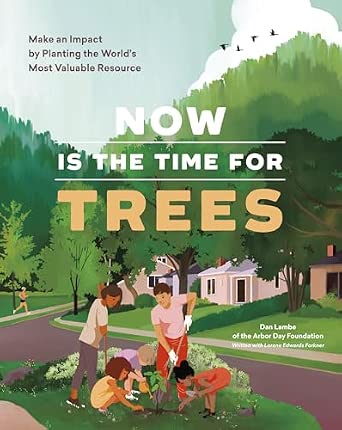
| Now Is the Time for Trees: Mak | — | — |
| Sioux Crape Myrtle Live Tree | 1 Gallon Potted | Moderate |
| Black Diamond Purely Purple Cr | 10–12 ft. tall and 6–8 ft. wide | — |
| Ann Magnolia Tree | — | — |
| Tuliptree | 1 Gallon nursery pot | Fast |
| Giant Sequoia Small Tree Seedl | Seedling | Very Slow |
More Details on Our Top Picks
Natchez Crape Myrtle Live Tree, 1 Gallon Potted, White Flowers
The Natchez Crape Myrtle stands out as the most versatile choice for those seeking a combination of striking appearance and long-term resilience. Its large white blooms brighten summer landscapes, and its fast-growing, 20-30 foot spread provides ample shade and privacy. Compared to the Sioux Crape Myrtle, it offers a more vigorous growth rate, but it’s unavailable in CA and AZ, which could limit options for some buyers. Its disease resistance ensures less maintenance over time, making it ideal for homeowners wanting a reliable, eye-catching tree. However, its size and growth speed mean it’s better suited for larger spaces rather than small yards.
Pros:- Bright, large white flowers that enhance landscape appeal
- Rapid growth to provide shade and privacy quickly
- Exceptional disease resistance reduces maintenance
Cons:- Unavailable in CA and AZ due to agricultural restrictions
- Requires sizable space to accommodate its mature height
Best for: Homeowners looking for a durable, fast-growing shade tree with vibrant summer blooms in large yards or parks.
Not ideal for: Gardeners with limited space or residents in CA and AZ who cannot access this variety.
- Size:1 Gallon Potted
- Flower Color:White
- Height:20-30 ft
- Bark:Exfoliating cinnamon-brown
- Disease Resistance:Yes
Our verdict“This tree is perfect for those with ample space seeking a resilient, beautiful shade tree with summer interest.”
Weeping Willow Tree, 1 Gallon Potted, Fast-Growing Shade Tree
The Weeping Willow excels where quick shade is needed in moist environments, arriving in a nursery-ready 1-gallon pot. Its rapid growth makes it a go-to for instant impact, especially in areas with wet or saturated soils. Compared with the Sioux Crape Myrtle, it offers faster shade development but is limited by its preference for wetter conditions, making it less versatile for dry sites. Its cascading foliage creates a dramatic, soothing effect, but its suitability is restricted to USDA zones 6-8, and it’s unavailable in CA, CT, and AZ. This makes it less ideal for those in drought-prone or colder regions.
Pros:- Fast growth provides immediate shade
- Arrives in a ready-to-plant nursery pot
- Thrives in moist, waterlogged soils
Cons:- Limited to zones 6-8, restricting geographic use
- Unappealing in dry conditions or drought-prone areas
Best for: Gardeners seeking quick shade in wet or marshy areas within zones 6-8.
Not ideal for: Drought-prone or very dry yards, or residents of CA, CT, and AZ who can’t plant in wet soils.
- Size:1 Gallon Potted
- Growth Rate:Fast
- Ideal For:Moist areas
- USDA Zones:6-8
Our verdict“Ideal for quick landscape coverage in wet zones, but unsuitable for droughty or colder regions.”
Red Maple Tree, 1 Gallon Live Nursery Pot, Fast Growing Shade Tree with Fall Color
The Red Maple offers vibrant fall foliage and rapid growth, making it a standout for adding seasonal color and shade to diverse landscapes. Its ability to thrive from USDA zones 3 through 9 means it adapts well across many climates, unlike the Sioux or Natchez crape myrtles, which are more zone-specific. While it’s a fantastic choice for eco-conscious planting, its availability is limited in CA and AZ, and its size—up to 60 feet—may be too tall for smaller yards. Its established growth height of 1-2 feet allows for transplanting with less shock, but it requires space to reach its full potential.
Pros:- Vivid fall foliage enhances seasonal landscape color
- Rapid growth provides quick shade and privacy
- Cold-hardy and heat-tolerant for broad climate adaptability
- Supports environmental initiatives through Arbor Day Foundation
Cons:- Unavailable in CA and AZ due to restrictions
- Requires ample space for mature height
Best for: Environmentally-minded gardeners wanting a quick-growing tree with stunning fall color across a wide range of climates.
Not ideal for: Small yard owners or those in CA and AZ who cannot access this tree, or those with space restrictions for tall trees.
- Brand:Arbor Day Foundation
- Type:Shade Tree
- Container Size:1 Gallon
- Height:1-2 ft (established)
- Growth Rate:Fast
- Max Height:40-60 ft
- Max Spread:30-50 ft
- USDA Zones:3-9
Our verdict“A versatile, fast-growing shade tree ideal for broad climates, especially for those prioritizing fall color.”
Now Is the Time for Trees: Make an Impact by Planting the Earth’s Most Valuable Resource
This book emphasizes the importance of planting trees for ecological health, offering powerful motivation for Arbor Day enthusiasts. While it does not provide specific planting instructions or product recommendations like the other entries, it complements a planting-focused roundup by fostering a deeper appreciation for trees’ role in the environment. Compared with the plant options, this is more a call to action than a practical guide. It’s best suited for readers eager to understand the broader impact of their planting efforts, rather than those seeking detailed how-to advice or specific trees.
Pros:- Highlights the environmental importance of trees
- Inspires positive action and community involvement
- Good for raising awareness about climate change
Cons:- Lacks practical planting instructions
- No specific product features or plant details
Best for: Eco-conscious individuals wanting motivation and education to support tree planting initiatives.
Not ideal for: Beginners seeking step-by-step planting guidance or specific tree recommendations.
Our verdict“An inspiring read for those motivated to make a difference through tree planting, but not a practical guide for planting details.”
Sioux Crape Myrtle Live Tree, 1 Gallon Potted, Soft Pink Flowers
The Sioux Crape Myrtle offers a compact, disease-resistant option with soft pink summer blooms that last for months. Its moderate growth rate and manageable height of 15-20 feet make it perfect for smaller yards or ornamental gardens. Compared to the taller Natchez, the Sioux is better suited for limited spaces, though it still provides multi-season appeal with attractive bark and vibrant fall foliage. Its disease resistance ensures less fuss over common issues like powdery mildew, but it may require pruning to maintain its shape and prevent overgrowth in tight spaces. Its unavailability in CA and AZ limits access for some buyers.
Pros:- Beautiful soft pink flowers lasting months
- Disease-resistant with strong mildew resistance
- Multi-season interest with attractive bark and fall foliage
- Ideal size for small landscapes
Cons:- Unavailable in CA and AZ
- May require pruning to keep shape in tight spaces
- Growth height could be too tall for very tiny yards
Best for: Homeowners with limited space seeking a colorful, low-maintenance tree with year-round interest.
Not ideal for: Very small yards where even a 15-foot tree might be too tall or for residents in CA and AZ who cannot purchase it.
- Size:1 Gallon Potted
- Expected Height:15-20 ft
- Spread:10-15 ft
- Zones:7-10
- Bloom Color:Soft Pink
- Growth Rate:Moderate
Our verdict“A charming, manageable tree perfect for small gardens that value color and multi-season appeal.”
Black Diamond Purely Purple Crape Myrtle Live Tree, 3 Gallon Potted, Purple Flowers
The Black Diamond Purely Purple Crape Myrtle stands out for its vibrant purple blooms and dark foliage, creating a striking contrast that enhances any garden. Compared to the Sioux Crape Myrtle, it offers a more compact size, making it ideal for smaller gardens or as an accent. Its long blooming season from summer through early fall ensures continuous color, but it requires full sun and regular watering, which could be a drawback for low-maintenance gardens. While it’s easy to transplant thanks to established roots, it’s unavailable in California and Arizona due to agricultural laws. This choice is perfect for gardeners seeking a colorful, low-maintenance shrub that provides season-long interest in limited space.
Pros:- Vibrant purple flowers with dark foliage for striking landscape contrast
- Compact size suitable for smaller gardens or as an accent plant
- Long blooming season from summer to early fall
- Easy to transplant with established roots
Cons:- Unavailable in California and Arizona due to agricultural laws
- Requires full sun for optimal blooming
- Needs regular watering to maintain health
Best for: Gardeners with small to medium gardens who want a colorful focal point that blooms over a long season.
Not ideal for: Those in very dry climates or with low water availability, as it needs regular watering to thrive.
- Size:10–12 ft. tall and 6–8 ft. wide
- Pot Size:3 gallons
- Blooming Season:Summer through early fall
- Sunlight:Full Sun
- Soil Type:Acidic, Clay, Loamy, Moist, Sandy, Well Drained
- Watering Needs:Regular Watering
Our verdict“This compact, colorful tree makes sense for gardeners seeking seasonal impact in smaller spaces willing to provide regular care.”
Ann Magnolia Tree, 1 Gallon Potted, Compact Purple-Red Blooms
The Ann Magnolia Tree offers vibrant, fragrant blooms in spring, bringing early-season color and aroma to small gardens or patios. Unlike the Giant Sequoia, which is a long-term investment and much larger, this magnolia provides quick gratification in a compact form, perfect for urban gardens or container planting. It arrives in a 1-gallon container with healthy roots, establishing easily, but its blooming is limited to spring, so it doesn’t provide year-round color. Its USDA zones 4-7 make it versatile across many climates, yet it’s unavailable in California and Arizona, restricting some gardeners. This tree suits those wanting an eye-catching, fragrant spring highlight without extensive maintenance.
Pros:- Vibrant, fragrant blooms in spring
- Compact size ideal for small gardens and patios
- Arrives in a 1-gallon container for strong establishment
- Easy to care for in USDA zones 4-7
Cons:- Unavailable in California and Arizona
- Limited to spring bloom only
- Not suitable for year-round flowering needs
Best for: Urban gardeners and homeowners seeking a fragrant, colorful spring bloom in small spaces or containers.
Not ideal for: Those wanting year-round flowering or low-maintenance, as it blooms only in spring and requires standard care.
- Height:1′-2′
- Container Size:1 gallon
- Blooming Period:Spring
- Sunlight Exposure:Full Sun
- USDA Hardiness Zone:4-7
- Moisture Needs:Medium
- Materials:Plastic
- Color:Pink
Our verdict“This magnolia makes an excellent spring highlight for limited spaces, especially for scent lovers, but isn’t suited for year-round color needs.”
Tuliptree, 1 Gallon Live Nursery Pot, Fast-Growing Flowering Shade Tree
The Tuliptree is a standout for its impressive growth rate and striking fall foliage, making it ideal for creating quick shade and supporting local wildlife such as bees and hummingbirds. Unlike the Giant Sequoia, which is a slow and space-consuming project, this tree rapidly reaches heights of 60–90 feet, providing immediate impact. It thrives in full sun and well-drained, loamy to acidic soil, but its size and fast growth mean it needs ample space and consistent care. It isn’t available in California and Arizona, and its large mature size makes it unsuitable for small yards. This pick suits those wanting a fast, wildlife-friendly shade tree for large landscapes or parks.
Pros:- Brilliant fall foliage and attractive flowers
- Supports local wildlife including bees and hummingbirds
- Fast-growing and tall for quick shade development
- Suitable for zones 4–9
Cons:- Unavailable in California and Arizona
- Requires full sun and well-drained soil
- Large mature size limits suitability for small yards
Best for: Property owners seeking quick shade and ecological benefits on large properties or in parks.
Not ideal for: Small garden owners or those in limited spaces, given its potential mature size and fast growth.
- Size:1 Gallon nursery pot
- Height:60–90 ft
- Spread:30–50 ft
- Zones:4–9
- Growth Rate:Fast
Our verdict“This fast-growing, wildlife-supporting tree makes sense for large landscapes seeking quick shade and ecological benefits, not for small gardens with space constraints.”
Giant Sequoia Small Tree Seedling
The Giant Sequoia Seedling offers a unique opportunity to grow a truly majestic tree over decades, transforming landscapes over time. Compared with the Tuliptree, which provides quick shade, this seedling is a slow but rewarding project for patience and long-term planning. It’s suitable for gardeners willing to dedicate space and care, as it needs specific soil and climate conditions, and will require many years to reach full grandeur. While not suited for immediate impact, this seedling can become a centerpiece for future generations. It’s unavailable in California and Arizona, limiting its accessibility for some. This plant makes sense for dedicated gardeners aiming for a landscape-defining tree over the long haul.
Pros:- Provides a majestic, iconic tree for future generations
- Suitable for large gardens or parks
- Easy to grow from seedling with proper care
Cons:- Requires significant space and many years to mature
- Needs specific soil and climate conditions
- Not suitable for immediate landscape needs
Best for: Long-term planners and landscape enthusiasts committed to planting a future landmark tree.
Not ideal for: Homeowners seeking quick or immediate landscape transformation or limited space.
- Size:Seedling
- Growth Rate:Very Slow
- Suitable For:Large yards, parks
- Climate:Specific soil and climate conditions
- Availability:Limited
Our verdict“This seedling is ideal for patience-driven gardeners aiming for a landscape showstopper decades down the line, not for instant gratification.”

How We Picked
The selection process focused on trees that are suitable for planting on Arbor Day, emphasizing factors like growth rate, size, adaptability to different climates, and overall sustainability. We also considered the aesthetic appeal, ease of planting, and maintenance requirements to present options for various needs. Each product was evaluated for its value proposition—balancing cost against long-term benefits—and how well it supports environmental impact. The rankings reflect a mix of best overall performers, budget-friendly choices, and options for different landscape sizes and styles, ensuring readers find suitable plantings regardless of their experience level or space constraints.| arbor day planting | Growth Rate |
|---|---|
| Natchez Crape Myrtle Live Tree | — |
| Weeping Willow Tree | Fast |
| Red Maple Tree | Fast |
| Now Is the Time for Trees: Mak | — |
| Sioux Crape Myrtle Live Tree | Moderate |
| Black Diamond Purely Purple Cr | — |
| Ann Magnolia Tree | — |
| Tuliptree | Fast |
| Giant Sequoia Small Tree Seedl | Very Slow |
Factors to Consider When Choosing Arbor Day Plantings
When choosing trees for Arbor Day, it’s important to consider several factors that influence long-term success and ecological benefit. Proper selection can ensure your planting survives, thrives, and contributes positively to your local environment. Understanding these key considerations will help you make an informed choice that aligns with your planting goals and site conditions.Climate Compatibility and Hardiness Zones
Matching the tree’s hardiness zone to your local climate is essential. Planting a species that cannot withstand your winter lows or summer heat will lead to poor growth or failure. Research your area’s zone and choose trees that are proven to thrive there, reducing the risk of wasted effort and resources.
Size at Maturity and Space Requirements
Consider how large the tree will grow and whether your space can accommodate it. Fast-growing species like willows and tuliptrees provide quick shade but may outgrow small yards or interfere with structures. Conversely, compact or dwarf varieties are better suited for limited spaces but may take longer to reach desired size.
Growth Rate and Long-Term Impact
Balancing growth speed with your landscape plans is key. Rapid growers offer instant benefits but may require more pruning and care. Slower species tend to be more manageable and sustainable long-term, making them ideal for those seeking low-maintenance options.
Aesthetic and Ecological Benefits
Think about flowering, foliage color, and fall display to enhance your landscape’s visual appeal. Additionally, planting native or pollinator-friendly trees supports local ecosystems, which is often a core goal of Arbor Day initiatives.
Cost, Quality, and Longevity
Higher-quality, larger trees tend to establish faster and live longer, but come at a higher initial cost. Budget options can still be effective if you select healthy specimens and provide proper care, offering good value for community and environmental goals.
Frequently Asked Questions
How do I choose the right tree for my climate?
Start by consulting your local USDA hardiness zone map and selecting species known to thrive in your area. Local nurseries can provide guidance on what trees perform well locally. Proper selection minimizes stress on the tree, promotes healthy growth, and reduces maintenance needs over time.
Is it better to plant a fast-growing or slow-growing tree for Arbor Day?
Fast-growing trees offer quick benefits like shade and impact, but may require more pruning and have shorter lifespans. Slower-growing species tend to be more sustainable and easier to manage long-term, making them a better choice for those prioritizing longevity and low maintenance.
What size should I expect my tree to be after a year or two?
The initial size varies by species, but most trees will see significant growth within the first 1-2 years if planted correctly. Fast growers can add several feet annually, while slower species may only grow a foot or two. Consider your space and long-term vision when choosing the right size for early planting stages.
Are native trees better for Arbor Day plantings?
Native trees generally adapt better, require less water and care, and support local wildlife. They tend to establish faster and are more resilient to pests and diseases common in your area. Including native species aligns well with the ecological goals many associate with Arbor Day.
How can I ensure my newly planted tree survives and thrives?
Proper planting technique, selecting the right species for your climate, and providing adequate water and mulching are essential. Follow care instructions specific to your tree, and avoid over-fertilizing or planting too deep. Regular monitoring and pruning help establish a healthy, long-lasting tree.
Conclusion
The best overall choice for most homeowners and community projects is the Natchez Crape Myrtle because of its vibrant flowers and adaptability. If you’re seeking immediate shade, the Weeping Willow or Tuliptree are excellent options, though they require more space and maintenance. For those on a budget or with limited space, smaller or slower-growing varieties like the Ann Magnolia offer steady beauty without overwhelming your yard. For large-scale or long-term planting, consider the Giant Sequoia, which makes an impressive statement but demands patience and space. Tailor your choice based on your climate, space, and landscape goals to make the most impactful Arbor Day planting.
As an affiliate, we earn on qualifying purchases.Fall yard work Picks

EGO Power+ SNT2420 24-Inch Two-Stage Self-Propelled Snow Blower (Battery and Charger Not Included)