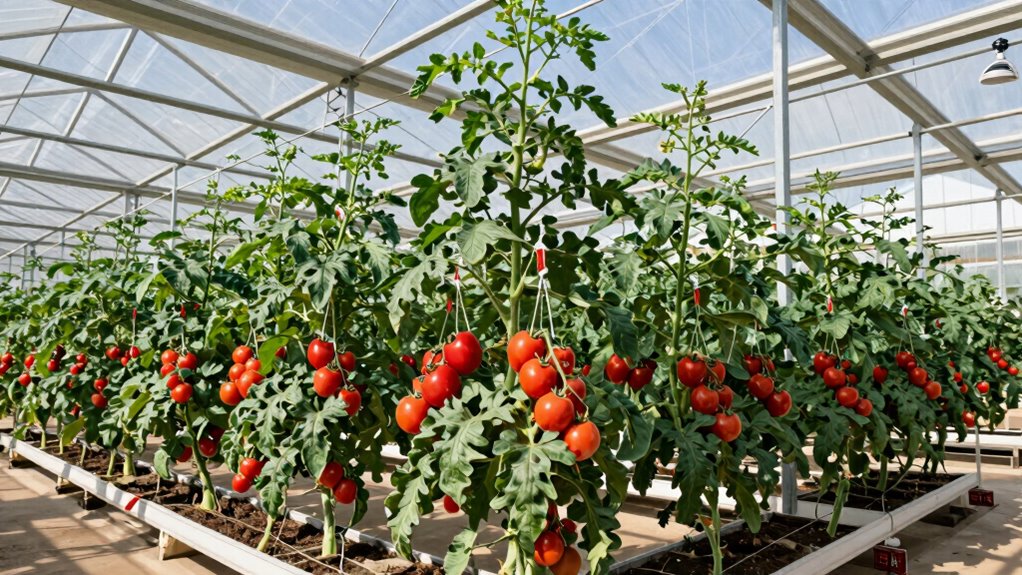

A commercial greenhouse kit for tomatoes needs enough room for airflow and plant support, not just a large footprint. My best overall pick is the Amerlife 10 x 44 ft walk-in tunnel, which stands out for its long growing area and included watering system; the 8 x 16 ft aluminum-framed polycarbonate greenhouse is a stronger choice for shoppers prioritizing a more rigid structure, while the Quictent 20 x 10 ft tunnel offers a broad footprint. The tradeoffs are clear: larger tunnels provide more planting capacity but take more setup and site space, while compact and lean-to models are easier to place but limit tomato rows and access. Cover material, ventilation, anchoring, and maintenance needs matter as much as dimensions. Read on for the full comparison and guidance on matching a kit to your growing plan.

Get garden gear delivered free — and shop member deals
- Fast, free delivery on millions of items
- Access to Prime Big Deal Days deals on October 6–7
- Prime Video, Amazon Music and more included
Complete the kit


Key Takeaways
- The Amerlife 10 x 44 ft tunnel offers the longest listed growing area and a watering system, making it a leading fit for growers who value capacity over a rigid-frame design.
- The 8 x 16 ft aluminum-framed polycarbonate greenhouse stands apart from the PE-covered tunnels through its aluminum frame, polycarbonate panels, roof vent, and gutter system.
- The Quictent 20 x 10 ft tunnel has a wide footprint and two hinged doors, a useful combination for access and layout flexibility, but its listed height is lower than several walk-in alternatives.
- The VEVOR 15 x 7 x 7 ft and KING BIRD 15 x 7 x 7 ft models share similar listed dimensions; buyers should compare included features and setup needs rather than assume the matching footprint means matching utility.
- Compact choices such as the SUNGIFT, VegTrug, and Ohuhu models are better suited to a few plants, sheltered patios, or starter growing than to a commercial-scale tomato row.


| commercial greenhouse kit for tomatoe | Dimensions | Weight | Doors | Frame |
|---|---|---|---|---|
| KING BIRD Premium 15x7x7 FT Gr | 15 x 7 x 7 ft | — | — | Galvanized steel |
| Amerlife 10×44 ft White Walk-i | 44 x 10 x 6.5 ft (528 x 120 x 78 in) | 182.3 lb | 3 | Galvanized steel |
| Quictent 20x10x6.6FT Tunnel Gr | 236.2 x 118.2 x 78.8 in | — | 2 hinged doors, opening 180 degrees | 0.7 mm galvanized steel with extra crossbars |
| VEVOR Walk-in Tunnel Greenhous | 15 x 7 x 7 ft | — | — | Galvanized steel |
| VEVOR Walk-in Tunnel Greenhous | 10 x 7 x 7 ft | 29.8 lb | 1 roll-up door | Galvanized steel |
| VEVOR Walk-in Greenhouse | 76.8 x 30.3 x 66.1 in | 10.4 lb | 1 roll-up zippered door | Q195 powder-coated steel tubes |
| Ohuhu Portable Tomato Greenhou | 6.6 x 2.5 x 5.6 ft | 7.7 lb | 1 | — |
| SUNGIFT Walk-in Greenhouse Kit | 57 x 61 x 80 in | Not specified | — | — |
| 8′ x 16′ Aluminum-Framed Polyc | — | — | — | Aluminum |
| Ohuhu Tomato Greenhouse for Ou | 6.6 x 2.5 x 5.6 ft | — | 1 roll-up zippered door | — |
| Ohuhu Tomato Greenhouse for Ou | 6.6 x 2.5 x 5.5 ft | 5.8 kg | — | — |
| VegTrug Tomato Greenhouse & PE | 19.3 x 43.6 x 65.7 in | 38.4 lb | 1 | — |
| VEVOR Walk-in Tunnel Greenhous | 14.6 x 6.36 x 6.30 ft | 43 lb | 1 | — |
More Details on Our Top Picks
KING BIRD Premium 15x7x7 FT Greenhouse for Outdoors, Galvanized Steel Frame
For tomato growers who want room to work without committing to a tunnel farm, I rank the KING BIRD 15x7x7 ft first. Its 99-square-foot footprint and walk-in layout leave space for several rows, pruning, and harvesting, while the galvanized steel frame and UV-protected, waterproof PE grid cover suit an outdoor growing setup. Eight roll-up screen windows give me more ways to vent heat and humidity than the VEVOR 10 x 7 x 7 ft, a useful difference when tomatoes need steady airflow. The tradeoff is that this kit does not list an included watering system, unlike either VEVOR model, so irrigation takes extra planning. Assembly also takes time, and a one-year warranty offers less stated coverage than Quictent’s parts support. I’d choose it for a balanced footprint, not severe winter exposure.
Pros:- 99-square-foot walk-in layout accommodates tomato rows and access for routine care.
- Galvanized steel frame paired with a UV-protected, waterproof PE grid cover.
- Eight roll-up screen windows provide multiple ventilation points.
- Mesh door with upgraded #10 zippers.
Cons:- No watering system is listed, unlike the VEVOR 15 x 7 ft and 10 x 7 ft models.
- Assembly may take time and effort.
- The stated warranty is one year.
Best for: Backyard tomato growers who want a walk-in greenhouse with room for multiple rows and several ventilation points, but do not need a 44-foot tunnel.
Not ideal for: Growers who want irrigation hardware included or need a structure specified for harsh winter conditions.
- Dimensions:15 x 7 x 7 ft
- Coverage area:99 sq ft
- Frame:Galvanized steel
- Cover:UV-protected PE grid
- Windows:8 roll-up screen windows
- Door:Mesh door with upgraded #10 zippers
- Warranty:1 year
Our verdict“I’d pick the KING BIRD for a mid-size tomato garden that values generous access and ventilation over built-in irrigation.”
Amerlife 10×44 ft White Walk-in Tunnel Greenhouse with Watering System
If tomato production means long rows and several people working at once, I’d put the Amerlife 10 x 44 ft tunnel ahead of the shorter kits. Its roughly 440-square-foot footprint is far larger than the Quictent 20 x 10 ft, making it better suited to a small farm, school garden, or shared growing project than a typical backyard. The adjustable misting system, three doors, and 24 vents support frequent watering and airflow across a long planting area. That scale comes with real setup demands: at 182.3 pounds, it may take multiple people to assemble, and the product data does not establish long-term durability. Compared with the KING BIRD, this is a production-space choice, not an easy middle ground. I’d skip it if your tomato plan is limited to a few plants or your site cannot fit a 44-foot structure.
Pros:- 44-foot length creates substantial room for long tomato rows and multiple users.
- Adjustable misting nozzles are included for routine watering.
- Three doors and 24 vents offer access and multiple airflow points.
- Galvanized steel frame and UV-proof PE cover are specified for outdoor use.
Cons:- Large footprint requires a long, clear installation area.
- At 182.3 pounds, setup and handling may require several people.
- Long-term durability is not established in the provided product data.
Best for: Small farms, schools, and gardening groups planning long tomato rows, shared access, and regular mist irrigation.
Not ideal for: Home gardeners with limited yard space, few tomato plants, or no extra help for handling and assembly.
- Dimensions:44 x 10 x 6.5 ft (528 x 120 x 78 in)
- Weight:182.3 lb
- Frame:Galvanized steel
- Cover:UV-proof polyethylene
- Watering system:Adjustable misting nozzles
- Doors:3
- Vents:24
- Color:White
Our verdict“I’d choose Amerlife for a group or small farm that can use its long growing area and manage a demanding setup.”
Quictent 20x10x6.6FT Tunnel Greenhouse for Outdoors with 2 Hinged Doors
The Quictent 20 x 10 ft is my pick for growers who want a broad planting area and easier movement through the greenhouse. Its two 180-degree hinged doors open wider than the roll-up entry on the VEVOR 15 x 7 ft, which can make bringing in tools or moving harvest containers less awkward. The 193.7-square-foot floor area, eight mesh windows, and 85% sunlight transmission also suit a sizeable tomato planting, while the 150 GSM PE mesh cover and reinforced galvanized frame add structure compared with smaller kits. There is no watering system listed, so the included irrigation advantage goes to Amerlife and both VEVOR models instead. Its larger footprint and heavier steel construction also demand more space and effort to assemble. I’d rank it for access and growing area, not convenience of setup.
Pros:- 193.7-square-foot floor area provides room for substantial tomato planting.
- Two 180-degree hinged doors create wide access and can aid airflow.
- Eight mesh windows provide additional ventilation options.
- 150 GSM PE mesh cover is listed with 85% sunlight transmission.
Cons:- Large footprint needs considerable outdoor space.
- Steel frame and overall size make transport and assembly more labor-intensive.
- No watering system is listed.
Best for: Tomato growers with a sizeable, open garden site who regularly move tools, trays, or harvest containers through the greenhouse.
Not ideal for: Small-yard growers or anyone prioritizing a compact setup, lighter handling, or included irrigation equipment.
- Dimensions:236.2 x 118.2 x 78.8 in
- Floor area:193.7 sq ft
- Frame:0.7 mm galvanized steel with extra crossbars
- Cover:150 GSM PE mesh
- Sunlight transmission:85%
- Ventilation:8 mesh screen windows
- Doors:2 hinged doors, opening 180 degrees
- Warranty and parts support:365-day component warranty and lifetime parts replacement
Our verdict“I’d choose Quictent when wide entry and a large planting area matter more than included watering or easy assembly.”
VEVOR Walk-in Tunnel Greenhouse, 15 x 7 x 7 ft Hoop House with Watering System, Steel Frame, PE Cover, Roll-Up Door, and Windows
For a tomato grower who wants irrigation supplied with a mid-size walk-in structure, I’d favor the VEVOR 15 x 7 x 7 ft. It matches the KING BIRD’s listed dimensions but adds six brass misting nozzles and a 32.8-foot hose, reducing the need to source those parts separately. Its eight windows and roll-up zipper door provide ventilation options, though the Quictent 20 x 10 ft offers wider hinged access and more floor area for a larger planting. The VEVOR’s PE cover and galvanized steel frame are aimed at outdoor use, but the supplied information does not specify cover weight or sunlight transmission, so I can’t compare those details directly with Quictent’s 150 GSM cover. Assembly still takes effort, and this is not presented as a harsh-winter structure. It fits growers who value a ready-to-connect watering setup over extra acreage.
Pros:- Six brass nozzles and a 32.8-foot hose are included for mist irrigation.
- 15 x 7 x 7 ft walk-in footprint offers room for tomato care and harvesting.
- Eight windows support ventilation.
- Galvanized steel frame and PE cover are specified for outdoor growing.
Cons:- Assembly may take time and effort.
- Not specified as suitable for harsh winter climates.
- Cover weight and sunlight transmission are not provided in the product data.
Best for: Backyard tomato growers who want a 15-foot walk-in greenhouse with a supplied misting kit and multiple ventilation points.
Not ideal for: Growers who need hinged wide-access doors, a much larger planting area, or a greenhouse specified for severe winter weather.
- Dimensions:15 x 7 x 7 ft
- Frame:Galvanized steel
- Cover:Polyethylene
- Watering system:6 brass nozzles and 32.8 ft hose
- Windows:8
- Door:Roll-up zipper door
Our verdict“I’d choose this VEVOR over the similarly sized KING BIRD if included misting equipment is a priority.”
VEVOR Walk-in Tunnel Greenhouse, 10 x 7 x 7 ft Hoop House with Watering System, Steel Frame, PE Cover, Roll-Up Door, and Windows
When a 15-foot greenhouse would crowd the yard, this VEVOR 10 x 7 x 7 ft keeps the walk-in format while trimming the length. It is more manageable for a small tomato plot than the KING BIRD or the larger VEVOR model, and it still includes a four-nozzle brass watering system with a 26.25-foot hose. The 140 g/m² double-sided coated PE cover and six windows give buyers concrete cover and ventilation details; the VEVOR 15 x 7 ft has two additional windows and more room to work. The smaller footprint limits how many tomato rows fit, so I’d treat it as a focused home-growing setup rather than a commercial-scale tunnel. Its 29.8-pound listed weight may help with handling, but assembly still takes effort, and the product is intended for outdoor use.
Pros:- Compact 10 x 7 ft footprint takes less room than the 15-foot VEVOR and KING BIRD kits.
- Includes four brass nozzles and a 26.25-foot hose.
- 140 g/m² double-sided coated PE cover is specified.
- Six windows and a roll-up door provide ventilation options.
Cons:- Shorter length limits planting capacity compared with the 15-foot models.
- Only six windows, fewer than the eight listed for the larger VEVOR.
- Assembly may still require time and effort.
Best for: Home tomato growers with limited yard space who want a walk-in kit and supplied misting components for a modest planting.
Not ideal for: Small farms or gardeners planning many long tomato rows who would quickly outgrow a 10-foot structure.
- Dimensions:10 x 7 x 7 ft
- Weight:29.8 lb
- Frame:Galvanized steel
- Cover:140 g/m² double-sided coated PE
- Watering system:4 brass nozzles and 26.25 ft hose
- Windows:6
- Doors:1 roll-up door
Our verdict“I’d pick this compact VEVOR for a smaller tomato garden that needs walk-in access and included irrigation without a long tunnel.”
VEVOR Walk-in Greenhouse, 76.8″ x 30.3″ x 66.1″
For tomato growers who need a small, walk-in shelter rather than a full production house, this VEVOR combines a powder-coated steel frame with a 140 gsm PE cover. Its 76.8-by-30.3-inch footprint suits a narrow backyard or patio, while the 66.1-inch height allows access for routine watering and pruning. Compared with the plastic-framed Ohuhu Portable Tomato Greenhouse, the steel tubes and included ground stakes and guy ropes offer a more substantial support setup. The sloped roof is intended to limit water pooling, and two windows plus a roll-up door give growers ways to manage airflow. The tradeoff is capacity: this is a compact shelter, not a substitute for the large 8′ x 16′ aluminum greenhouse when you want multiple tomato rows or room to work comfortably around mature plants.
Pros:- Powder-coated steel frame with top support bar, ground stakes, and guy ropes
- 140 gsm double-sided coated PE cover is water-resistant and tear-resistant
- Two windows and a roll-up zippered door provide access and ventilation
- Sloped roof is designed to reduce water buildup
Cons:- Narrow 30.3-inch width limits plant capacity and space to work
- Portable PE construction is less suited to a permanent commercial-scale tomato setup
- Manufacturer recommends a sheltered location, so exposure to strong weather remains a concern
Best for: Patio and small-yard growers protecting a few tomato plants who want a compact walk-in frame and can secure it in a sheltered spot.
Not ideal for: Growers planning several rows of tall tomatoes or needing a permanent, high-capacity structure; the narrow footprint and portable PE-covered design limit both working room and scale.
- Dimensions:76.8 x 30.3 x 66.1 in
- Approximate listed size:6.4 x 2.5 x 5.5 ft
- Weight:10.4 lb
- Frame:Q195 powder-coated steel tubes
- Cover:140 g/m² double-sided coated PE
- Doors:1 roll-up zippered door
- Vents:2 windows
- Outdoor use:Yes
Our verdict“Choose this VEVOR for a few tomatoes in a compact, secured space, but choose the 8′ x 16′ aluminum greenhouse for a larger growing operation.”
Ohuhu Portable Tomato Greenhouse for Outdoors, Heavy Duty, 6.6×2.5×5.6 ft
This Ohuhu is aimed at tomato growers who value a lightweight shelter they can assemble, take down, and move as seasons or garden layouts change. At 7.7 pounds and 6.6 by 2.5 by 5.6 feet, it covers a small planting area without the commitment of the 8′ x 16′ aluminum greenhouse. The PE covering is described as UV-resistant and as protection from frost, rain, snow, and pests, which can help extend the growing window; it does not make this a heated winter greenhouse. Compared with the VEVOR compact model, this option has a plastic frame rather than powder-coated steel, so buyers trade a stronger-looking frame specification for easy handling. The listing does not detail vents or anchoring hardware, and it warns that strong winds may challenge stability. I’d treat it as a portable seasonal cover, not a commercial-scale structure.
Pros:- Light 7.7-pound build is easier to move and store than a permanent greenhouse
- PE covering is described as UV-resistant
- Provides a cover against frost, rain, snow, and pests
- Designed for outdoor use and can be assembled and disassembled
Cons:- Plastic frame offers less substantial support than the steel-framed VEVOR compact greenhouse
- Small footprint limits the number and spread of mature tomato plants
- The product details do not specify ventilation openings or anchoring hardware
Best for: Home growers with a small number of tomato plants who want a lightweight shelter they can assemble, disassemble, and store between growing seasons.
Not ideal for: Commercial growers, gardeners with large tomato rows, or anyone in a windy site who needs detailed anchoring and ventilation provisions.
- Dimensions:6.6 x 2.5 x 5.6 ft
- Weight:7.7 lb
- Cover material:Polyethylene (PE)
- Frame material:Plastic
- Doors:1
- Use:Outdoor
- Portability:Designed for assembly, disassembly, and transport
- Cover protection described:Cold, frost, snow, rain, and pests
Our verdict“Pick this Ohuhu for a small, movable seasonal tomato shelter, not for a windy site or commercial-scale production.”
SUNGIFT Walk-in Greenhouse Kit, Upgraded PVC Clear, 57x61x80 Inch
The SUNGIFT’s standout feature is its 10 shelves, which make it more useful for tomato seedlings, starts, and supplies than for a large crop of mature vines. Its 57-by-61-inch footprint and 80-inch height create a taller, broader enclosure than the narrow VEVOR 76.8-by-30.3-inch model, but shelves divide the growing space rather than providing an uninterrupted tomato bed. The clear PVC cover and steel construction suit growers who want a portable patio or garden setup with room to organize pots. A mesh door and zippered windows provide access and some airflow, though the supplied details do not specify ventilation capacity or panel thickness. Compared with the 8′ x 16′ aluminum greenhouse, SUNGIFT takes up far less space and is easier to relocate, but it is not the choice for commercial rows of full-size tomato plants.
Pros:- Ten shelves provide organized space for seedlings, pots, and gardening supplies
- 80-inch height gives more vertical clearance than the compact VEVOR walk-in model
- Clear PVC cover and steel frame are specified
- Mesh door and zippered windows offer access and ventilation options
Cons:- Shelves reduce the uninterrupted floor area needed for mature tomato plants
- Ventilation capacity and material weight are not specified
- Portable format is much smaller than the 8′ x 16′ greenhouse for larger crops
Best for: Seed starters and patio gardeners who want an organized, shelf-based enclosure for tomato seedlings, young plants, and a few pots.
Not ideal for: Growers raising many mature, tall tomato plants; the shelves and smaller footprint do not offer the open bed space of a full-size greenhouse.
- Dimensions:57 x 61 x 80 in
- Cover material:Clear PVC
- Frame material:Steel
- Shelves:10
- Door:Mesh door
- Windows:Zippered windows
- Construction:Described as heavy-duty
- Weight:Not specified
Our verdict“Choose SUNGIFT for organized seedling and small-pot growing, but skip it if your priority is open space for rows of mature tomatoes.”
8′ x 16′ Aluminum-Framed Polycarbonate Greenhouse with Roof Vent and Gutter System
For buyers whose tomato plans exceed a handful of patio plants, this is the clear scale-up choice: its 8′ x 16′ footprint gives substantially more growing room than the four portable walk-in options in this batch. An aluminum frame and UV-protected polycarbonate panels are a more permanent-style combination than the PE or PVC covers on the VEVOR and SUNGIFT models. The adjustable roof vent matters for managing heat buildup, while the gutter system offers a way to collect rainwater. A listed snow-load capacity of 40 kg/m² adds a concrete structural detail absent from the smaller kits, though it does not replace site-specific weather planning. The tradeoffs are the large footprint, a 24.8-inch-wide door, and more involved assembly; it ships in two boxes that may arrive separately. This is the strongest fit here for scale, not convenience.
Pros:- 8′ x 16′ footprint offers far more growing area than the portable kits
- Aluminum frame and UV-protected polycarbonate panels suit a more permanent setup
- Adjustable roof vent provides an outlet for rising heat
- Gutter system can collect rainwater
Cons:- Requires substantial space and a more involved setup than the portable greenhouses
- 24.8-inch-wide door may constrain moving bulky items in and out
- Ships in two boxes that may arrive at different times
Best for: Gardeners with room for an 8-by-16-foot structure who want multiple tomato rows, a more permanent frame, roof ventilation, and rainwater collection.
Not ideal for: Balcony and small-yard growers, or anyone seeking a lightweight greenhouse that can be moved or assembled with minimal effort.
- Nominal size:8′ x 16′
- Overall dimensions:190.15 W x 97.24 D x 80.71 H in
- Door dimensions:24.8 W x 67.72 H in
- Frame:Aluminum
- Panels:UV-protected polycarbonate
- Roof vent:Adjustable
- Gutter system:Included
- Snow-load capacity:40 kg/m²
Our verdict“Choose this greenhouse for a larger tomato crop and a dedicated growing site, but not if portability or a small footprint matters most.”
Ohuhu Tomato Greenhouse for Outdoors, Portable Lean-to Greenhouse, 6.6 x 2.5 x 5.6 ft
This Ohuhu’s lean-to format and roll-up zippered door make it a practical fit for a balcony, wall-side garden, or narrow yard where a freestanding greenhouse would take up too much space. Its 6.6-by-2.5-by-5.6-foot footprint is similar to the Ohuhu Portable Tomato Greenhouse, but this model’s listed mesh windows give buyers a clearer ventilation feature. Reinforced rods, stakes, and windproof ropes also provide more explicit anchoring details than the other Ohuhu listing, though securing it remains important in exposed locations. The PE film and mesh construction are light and portable; they do not offer the durable, more permanent structure of the 8′ x 16′ aluminum-and-polycarbonate greenhouse. Nor does the description claim protection from severe winter cold without added heat. I’d choose it for a small, sheltered tomato setup where airflow and a narrow footprint matter more than crop capacity.
Pros:- Lean-to format can fit against a wall or along a narrow outdoor space
- Mesh windows and a roll-up zippered door provide ventilation options
- Reinforced rods, stakes, and windproof ropes are specified
- Lightweight at approximately 6.6 pounds and designed for portability
Cons:- Small footprint limits the number of mature tomato plants
- Requires staking and wind ropes for stability in exposed conditions
- Not described as suitable for very cold winter climates without additional heat
Best for: Balcony and narrow-yard growers who want a small, portable tomato cover with mesh ventilation and specified stakes and windproof ropes.
Not ideal for: Growers seeking multiple rows, a permanent commercial greenhouse, or reliable protection through very cold winters without added heating.
- Dimensions:6.6 x 2.5 x 5.6 ft
- Approximate weight:6.6 lb (3 kg)
- Cover materials:Polyethylene film and PE mesh cloth
- Joints:Plastic
- Doors:1 roll-up zippered door
- Ventilation:Mesh windows
- Frame support:Reinforced rods
- Anchoring:Stakes and windproof ropes
Our verdict“Pick this Ohuhu for a compact, ventilated lean-to setup in a sheltered spot, but choose a larger rigid greenhouse for higher tomato yields.”
Ohuhu Tomato Greenhouse for Outdoors – Portable Lean-to Greenhouse with Roll-Up Zippered Door, Tall Plastic Greenhouse for Outside Plants
For a small tomato setup that needs shelter without taking over the yard, I’d rank this Ohuhu lean-to ahead of larger walk-in tunnels. Its 6.6-by-2.5-foot footprint fits narrow outdoor spaces, while the roll-up zippered door and two vents give you access and some airflow for routine care. The polyethylene cover and metal frame are intended to buffer plants from weather and animals, but the listing does not give a cover thickness or frame-tube details, so I would not treat it as a commercial-scale structure. Compared with the VegTrug Tomato Greenhouse, this option is more portable and has two vents rather than one; VegTrug, however, offers adjustable support slats for training plants. The compact size limits how many mature tomato plants you can fit, and assembly directions may take patience.
Pros:- Compact lean-to footprint suits narrow outdoor areas.
- Two vents provide more listed ventilation points than the VegTrug model.
- Zippered roll-up door gives access while helping close off the growing space.
- Portable design can be disassembled for storage.
Cons:- Limited floor area restricts the number of tomato plants and room for trellising.
- No cover thickness or frame-pipe specifications are provided to judge heavy-duty use.
- Assembly instructions may be unclear.
Best for: Balcony and small-yard growers who want a portable shelter for a modest number of tomato plants and can place it beside a wall or fence.
Not ideal for: Commercial growers or anyone planning several rows of mature tomatoes; its narrow footprint offers far less growing capacity than the VEVOR walk-in tunnel.
- Dimensions:6.6 x 2.5 x 5.5 ft
- Weight:5.8 kg
- Frame material:Metal
- Cover material:Polyethylene
- Vent count:2
- Closure:Zipper
- Intended use:Outdoor
- Color:Clear
Our verdict“Choose this Ohuhu when a portable, narrow shelter matters more than space for a large tomato crop.”
VegTrug Tomato Greenhouse & PE Cover – Natural
The VegTrug is the more tomato-focused choice here: its adjustable grow bed and support slats give plants a defined place to grow and something to train against. That makes routine pruning, watering, and picking easier than in a basic covered tunnel, where growers must supply and arrange their own growing supports. At 43.6 inches wide and 65.7 inches tall, it is still a small structure, not a substitute for a production greenhouse. Compared with the Ohuhu lean-to, VegTrug offers built-in growing support and a sliding door, while the Ohuhu is lighter and easier to move. Its single vent is a limitation for warm tomato conditions, and the listed outdoor-only use plus stable-placement needs make site choice matter. Assembly may also take longer than a simpler portable cover.
Pros:- Adjustable support slats help guide tomato growth.
- Grow-bed format keeps the planting area organized.
- Sliding-door access is useful for watering and harvesting.
- PE cover provides a protected growing environment.
Cons:- One vent gives fewer listed ventilation points than the Ohuhu lean-to or VEVOR tunnel.
- Small footprint is restrictive for multiple large tomato plants.
- Assembly may be time-consuming, and the structure needs stable outdoor placement.
Best for: Home growers who want a dedicated, organized tomato bed with built-in support slats and easy access for regular maintenance.
Not ideal for: Growers seeking a large harvest, multiple rows, or a lightweight shelter to move seasonally; its footprint and 38.4-pound weight limit flexibility.
- Dimensions:19.3 x 43.6 x 65.7 in
- Weight:38.4 lb
- Cover material:Polyethylene (PE)
- Frame material:Metal
- Doors:1
- Vent count:1
- Closure:Zipper
- Use:Outdoor
Our verdict“Pick the VegTrug for a compact, structured tomato bed with built-in plant support rather than maximum growing capacity.”
VEVOR Walk-in Tunnel Greenhouse, 14.6×6.4×6.3 ft Hoop House Greenhouse Tunnel, Plant Hot House with Galvanized Steel Frame, White PE Cover, Roll-up Zipper Door and 8 Windows for Outdoor
For buyers who mean commercial-style tomato growing rather than a few protected plants, this VEVOR tunnel offers the strongest capacity in this group. Its 14.6-by-6.4-foot walk-in layout can accommodate rows or shelves, and eight mesh windows provide more airflow options than the single vent on the VegTrug or two vents on the Ohuhu lean-to. The 1-inch galvanized poles, diagonal bars, stakes, and tie-downs give the frame more specified reinforcement than the smaller kits, while the 140 g/m² PE cover has reinforced seams. Those details help, but the thin stated wall thickness and need to secure the extended cover mean anchoring and site conditions still matter. It is far less portable than the Ohuhu and demands more space, assembly, and upkeep. I’d choose it for volume, not convenience.
Pros:- Walk-in footprint supports multiple tomato plants or rows.
- Eight windows offer more ventilation options than the smaller kits.
- Galvanized steel frame includes diagonal bars, stakes, and tie-downs.
- 140 g/m² PE cover has double-stitched and reinforced seams.
Cons:- Requires a larger, well-prepared site and more involved assembly than compact models.
- Cover and frame still need secure anchoring against site-specific weather.
- The listed 0.02-inch wall thickness does not establish suitability for severe conditions.
Best for: Small market gardeners and serious home growers who need walk-in access, space for tomato rows, and multiple ventilation openings.
Not ideal for: Balcony gardeners, growers with little ground space, or anyone who wants a lightweight structure that is quick to relocate.
- Dimensions:14.6 x 6.36 x 6.30 ft
- Weight:43 lb
- Frame material:Alloy steel
- Pole diameter:1 in
- Nominal wall thickness:0.02 in
- Cover material:Polyethylene (PE), 140 g/m²
- Doors:1
- Vent count:8
- Closure:Zipper
Our verdict“Choose this VEVOR when tomato-row capacity and ventilation matter more than a compact footprint or easy portability.”

How We Picked
I ranked these kits around the needs of tomato growers: usable floor area for rows and access, listed height for tall plants and support systems, frame and cover type, ventilation features, and practical additions such as watering systems, doors, windows, roof vents, and gutters. I also considered how the design may affect setup, daily access, seasonal upkeep, and the ability to manage heat and moisture. Product names and specifications supplied for this comparison do not establish wind or snow ratings, service life, or commercial certification, so I do not treat those as proven.
The ranking favors options with a credible balance of growing capacity and tomato-friendly access, then distinguishes rigid-frame construction from lighter tunnel and compact designs. Larger tunnels place higher when their dimensions and included features support more plants, while smaller portable kits rank as focused choices rather than commercial stand-ins. When listed information leaves a key detail unclear, such as anchoring or cover replacement, I treat that uncertainty as a buying drawback and recommend confirming it before purchase.
Factors to Consider When Choosing Commercial Greenhouse Kit For Tomatoes
Choosing a tomato greenhouse is a layout and operating decision, not simply a search for the largest kit. I would start with how many plants you expect to manage, then check whether the structure can support your access, ventilation, irrigation, and weather-protection plans.
Size the House Around Rows and Work Space
Measure the growing area you can actually use, allowing for paths, doors, and room to prune or harvest. A long tunnel can support extended rows, but a narrow path may make routine care awkward once plants are full-sized. Plan for the mature canopy and support system rather than spacing plants by their size at transplanting. A common mistake is treating the outside dimensions as planting capacity. Before choosing a large kit, check that your site has enough clear space around it for assembly and access. Smaller structures make sense when plant count is modest, but they are not a direct substitute for a production-sized house.
Match the Frame and Cover to Your Season
Frame and covering materials shape how a greenhouse handles routine use, temperature swings, and maintenance. PE-covered hoop houses can offer substantial growing footprints, but buyers should ask about cover thickness, replacement availability, and the structure’s stated weather limits. Aluminum-framed polycarbonate designs are a different kind of commitment: panels and a rigid frame may suit a more permanent setup, while assembly and site preparation can be more involved. Do not infer wind or snow performance from a product’s size or material name alone. Check the manufacturer’s load guidance for your location and how the frame is anchored. Paying more for a sturdier system only makes sense if its specifications match your actual exposure and season length.
Treat Ventilation as a Tomato-Growing Requirement
Tomatoes need air movement to help manage heat and humidity, so count openings and consider where they sit relative to prevailing breezes. Roll-up doors and windows can make a tunnel more adaptable, but they still require someone to open and close them as conditions change. A roof vent can release rising heat, while side openings may improve crossflow; neither feature guarantees a suitable climate on its own. Avoid assuming that a large enclosure will stay temperate just because it has a door. Think through how you will ventilate on hot days, including whether openings can be secured against pests. If daily manual adjustments are unrealistic, prioritize a plan for automated ventilation rather than relying on kit features alone.
Plan Support, Irrigation, and Ground Access Before Assembly
Tomato plants become heavy, and a greenhouse kit does not automatically include the support needed for trellising. Decide whether your rows will use stakes, overhead lines, or another system, then check that the layout leaves room to install and maintain it. An included watering system can reduce setup work, but verify its coverage, connection requirements, and whether it suits your water source. Consider how you will drain excess water and keep paths usable during regular irrigation. Buyers can overlook these operating details while focusing on the frame and cover. A kit that fits your support and watering plan may serve you better than a larger house that requires substantial add-ons.
Check Anchoring, Maintenance, and Replacement Parts
Before ordering, identify the foundation or anchoring method and whether it is included or sold separately. A greenhouse exposed to gusts needs a secure installation appropriate to its site; a lightweight portable structure should not be treated as permanent without clear manufacturer guidance. Ask how the cover or panels are replaced and whether doors, connectors, and other components can be sourced later. Seasonal cleaning and inspection matter because accumulated debris, loose fittings, and damaged coverings can interfere with light and protection. Compare the work required to maintain a tunnel cover with the upkeep of a more rigid enclosure. These practical costs in time and replacement parts can outweigh a small difference in initial kit features.
Choose Capacity for Your Growing Goal, Not the Label
The word commercial does not by itself establish that a kit is rated for commercial operation, heavy weather, or continuous year-round use. If you plan to sell tomatoes, check local requirements, intended operating season, and the manufacturer’s stated limits before treating a consumer kit as a production structure. A long tunnel may suit a small market garden, while a compact lean-to can be useful for extending a home harvest; those are different jobs. Estimate plant count, expected harvest handling, and how often you need to enter the house. Buying more capacity than you can ventilate and maintain can create avoidable work. Choose the smallest structure that supports your real production plan, with room for access and a sensible expansion path.
Frequently Asked Questions
Can a PE-covered walk-in tunnel serve as a commercial tomato greenhouse?
It can fit a small-scale or seasonal production plan, but the label walk-in tunnel does not confirm commercial durability or a weather rating. Check the manufacturer’s wind and snow limits, anchoring instructions, cover replacement options, and whether the frame is intended for your growing season. Also work out whether the interior can accommodate your rows, trellising, and harvest access. If the crop is a significant business investment, compare the kit with structures designed and rated for your local conditions. The listed dimensions alone are not enough to establish suitability.
Is the largest greenhouse automatically the best choice for tomatoes?
No. More floor area can support more plants, but it also requires more site space, assembly work, ventilation management, and ongoing care. A long, narrow tunnel may suit row production, while a wider footprint may offer different access and layout options. Check the usable interior after accounting for paths and door placement, not just the advertised exterior dimensions. If you cannot ventilate or maintain the full space consistently, a smaller kit may be the more workable choice. Match size to plant count and available labor.
Should I choose polycarbonate or a PE cover for tomato growing?
The better choice depends on how permanent the setup needs to be and what weather the structure must handle. The listed 8 x 16 ft model pairs an aluminum frame with polycarbonate panels, a roof vent, and gutters, while many larger tunnel options use PE covers. Compare the manufacturer’s guidance on light transmission, panel or cover replacement, anchoring, and seasonal use rather than relying on material names alone. A rigid design may involve more site preparation, while a tunnel cover may need periodic replacement. Confirm the specifications for your location before deciding.
How many tomato plants can fit in one of these kits?
The product dimensions do not establish a reliable plant count because spacing depends on variety, pruning style, support method, and path layout. Indeterminate tomatoes trained vertically need access and airflow around each row, which can reduce the number of plants compared with a tightly packed layout. Sketch the rows and paths before purchase, leaving space to prune, inspect, and harvest. Also account for the door and any watering equipment that occupies interior space. A realistic plan is more useful than calculating capacity from total square footage alone.
Which features should I verify before buying a kit for a windy or snowy site?
Start with published wind and snow-load limits, anchoring requirements, and whether the structure needs a prepared base. The product names in this roundup list frames, covers, doors, and windows, but those details do not establish a safe load rating. Ask the manufacturer about securing the cover, closing or removing it for severe weather, and replacement parts if damage occurs. Local exposure can differ even between nearby properties, so match the stated limits to your exact site. If the kit lacks suitable ratings, look for a greenhouse designed for those conditions rather than relying on extra stakes alone.
Conclusion
For a balance of growing length and included irrigation, I would start with the Amerlife 10 x 44 ft tunnel as the best overall pick, subject to confirming its weather limits and installation requirements. The Quictent 20 x 10 ft tunnel is my best value-style choice for growers who want a broad footprint and two hinged doors, while the 8 x 16 ft aluminum-framed polycarbonate greenhouse is the best premium-style option for buyers who prefer a more rigid structure with a roof vent and gutter system. Beginners with a few plants should look at the SUNGIFT walk-in kit or a compact Ohuhu model rather than managing a long tunnel. For a small, sheltered growing area, the VegTrug or Ohuhu lean-to designs suit specific compact needs; for larger seasonal rows, compare the Amerlife and VEVOR tunnel sizes against your site and ventilation plan. My final check before buying would be anchoring, local weather ratings, and replacement-cover availability.
Fall yard work Picks
leaf blowers
As an affiliate, we earn on qualifying purchases.