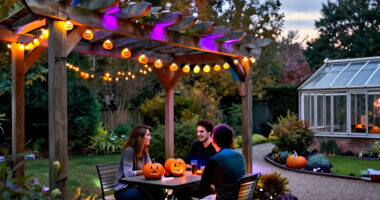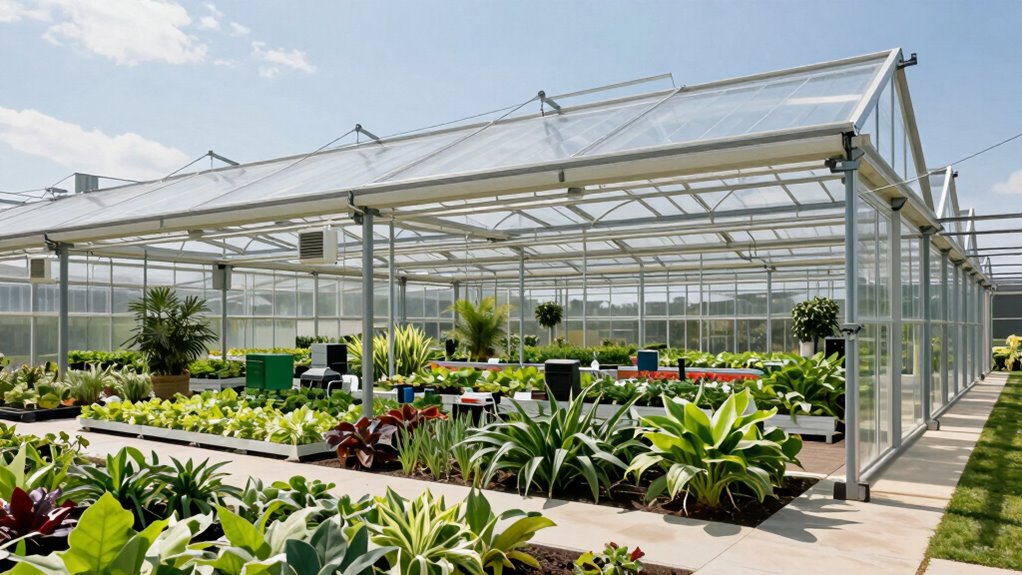

A commercial greenhouse kit can add protected growing space, but the right choice depends on whether you prioritize usable headroom, sturdy panels, or a large footprint. My best overall pick is the Jocisland 16x12x9.5 FT Polycarbonate Greenhouse, which pairs walk-in scale with a tall frame and polycarbonate construction. The Backyard Discovery Bellerose XL stands out for integrated work and ventilation features, while the Amerlife 34x10x7 ft Tunnel Greenhouse offers a long growing area with a watering system. The main tradeoffs are between rigid, more structured greenhouse builds and spacious tunnel designs, as well as footprint, access, and included equipment. Read on for the full breakdown and guidance on choosing a kit that suits your growing plan.

Get garden gear delivered free with Prime
- Fast, free delivery on millions of items
- Prime Video, Amazon Music and more included
- Member-only deals all year
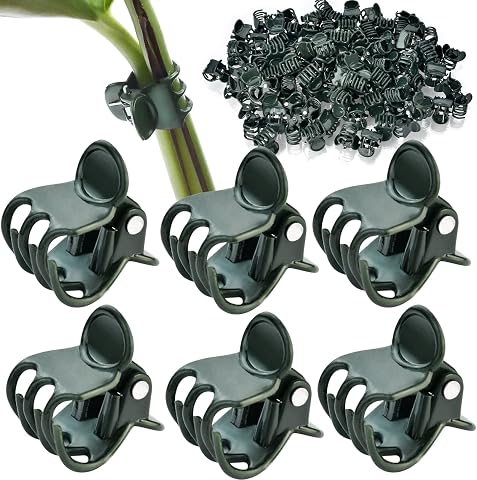
Complete the kit


Key Takeaways
- The Jocisland 16x12x9.5 FT model combines a substantial footprint with a 9.5-foot peak, giving it a strong balance of room and headroom among the listed polycarbonate options.
- Backyard Discovery’s Bellerose XL and Willow include work-oriented features such as staging shelves, hose hook-ups, a PowerPort, and an exhaust fan; the Bellerose XL offers the larger footprint, while the Willow suits tighter sites.
- Tunnel kits from Amerlife, VEVOR, and Quictent prioritize long, open growing runs, but their lightweight cover-and-frame format differs from the more structured aluminum and polycarbonate builds.
- Ventilation varies widely: the Amerlife 10×14 includes four roof vents, while several other kits list fewer windows or vents, so airflow planning matters beyond the headline dimensions.
- The roundup includes compact 8×10 and 8×14 kits alongside large tunnel options up to 10×44 feet, making site layout and crop workflow just as important as the advertised growing area.


| commercial greenhouse kit | Frame material | Dimensions |
|---|---|---|
| 8×14 FT Greenhouse with Hygrom | Aluminum alloy | 166 x 97 x 81 in |
| VEVOR Walk-in Tunnel Greenhous | Galvanized steel | 15 x 7 x 7 ft |
| CDCASA 12x10x10 FT Polycarbona | Rust-resistant aluminum | — |
| Jocisland 16x12x9.5 FT Outdoor | Rust-resistant aluminum | 144 x 192 x 114 in |
| Backyard Discovery Bellerose X | — | 13 x 11 ft |
| 10×18 FT Aluminum Greenhouse w | Aluminum | — |
| Amerlife 10×14 ft Polycarbonat | — | 120 x 168 x 100.8 in |
| AMERLIFE 6×20 FT Walk-in Polyc | Aluminum | — |
| Amerlife 34x10x7 ft Walk-in Tu | — | 34 x 10 x 7 ft |
| Backyard Discovery Willow 9′ x | — | 9 x 6 ft |
| Quictent 20x10x6.6FT Tunnel Gr | Galvanized steel | — |
| 8×10 FT Greenhouse with Hygrom | Aluminum alloy | — |
| Outsunny 20′ x 8′ Polycarbonat | Aluminum | 8 ft W x 20.3 ft D x 6.9 ft H |
| Amerlife 10×44 ft White Walk-i | Galvanized steel | 528 in L x 120 in W x 78 in H |
| 10×12 ft Greenhouse with Hygro | Aluminum | 143 in L x 122 in W x 100 in H |
More Details on Our Top Picks
8×14 FT Greenhouse with Hygrometer, Windproof UV Protection Green Houses
The 8 x 14-foot footprint offers a useful middle ground for growers who need more room than a compact backyard house but do not want the much larger 192-square-foot Jocisland. Its 4mm double-wall polycarbonate panels are designed to admit light while blocking UV rays, and the aluminum frame keeps the structure lighter in character than the cedar-and-panel Backyard Discovery Bellerose XL. Two adjustable roof vents and a lockable door support basic airflow and access, while the listed hygrometer can help monitor conditions. The tradeoff is that the product data gives no quantified wind or snow-load rating, so I would not treat its windproof wording as a substitute for site anchoring or local weather planning. Gap sealing material is also not included, and the assembly still calls for a helper.
Pros:- 14-foot length provides useful planting and access space
- 4mm double-wall polycarbonate panels offer UV protection and light transmission
- Aluminum frame with strengthened corners supports a stable structure
- Two adjustable roof vents and a lockable door aid airflow and access
Cons:- No quantified wind- or snow-load capacity is provided
- Silicone for sealing panel gaps is not included
- Assembly is described as easier with a helper rather than a solo setup
Best for: Backyard growers who want a long, walk-in polycarbonate house with basic ventilation and room to organize several plant rows.
Not ideal for: Commercial operators in exposed or heavy-snow locations who need documented load ratings, or buyers who want integrated watering and powered climate controls.
- Dimensions:166 x 97 x 81 in
- Listed size:8 x 14 ft
- Frame material:Aluminum alloy
- Panel material:Polycarbonate
- Panel construction:4mm double-wall, 580g panels
- Vents:2 adjustable roof vents
- Door:Lockable
- Additional listed feature:Hygrometer
Our verdict“Choose this for a roomy backyard growing run with straightforward polycarbonate construction, but look to the CDCASA or Jocisland if documented weather-load figures matter more.”
VEVOR Walk-in Tunnel Greenhouse, 15 x 7 x 7 ft Hoop House with Watering System, Steel Frame, PE Cover, Roll-Up Door, and Windows
The VEVOR takes a different route from the rigid-panel CDCASA: its 15 x 7-foot tunnel layout uses a galvanized steel frame and PE cover, with an included watering system rather than polycarbonate panels and a hard-sided enclosure. Six brass nozzles and a 32.8-foot hose can reduce repetitive hand-watering across a growing area, while eight windows give growers multiple openings for ventilation. The roll-up zipper door is convenient for moving plants and supplies through the entrance. This setup suits crop-focused gardening better than a polished, permanent greenhouse, but the cover material is less substantial in feel than the polycarbonate used by the CDCASA and Jocisland. Assembly takes effort, and the assembled structure is described as heavy to move, so I would choose its location carefully.
Pros:- Included watering system has six brass nozzles and a 32.8-foot hose
- Eight windows provide multiple ventilation openings
- Walk-in 15 x 7-foot footprint leaves room for plant care and access
- Galvanized steel frame is suited to a utility-focused hoop-house design
Cons:- PE cover is a less rigid enclosure than the polycarbonate panels on the CDCASA
- Assembly may take effort despite the supplied instructions
- Heavy assembled structure is difficult to move
Best for: Growers raising rows of vegetables or starts who want a walk-in tunnel and built-in nozzle watering without buying a separate irrigation kit.
Not ideal for: Buyers seeking rigid polycarbonate glazing, a refined permanent greenhouse, or a structure they can readily relocate after assembly.
- Dimensions:15 x 7 x 7 ft
- Frame material:Galvanized steel
- Cover material:Polyethylene (PE)
- Watering system:6 brass nozzles and 32.8 ft hose
- Windows:8
- Door type:Roll-up zipper door
Our verdict“Pick the VEVOR when integrated watering and tunnel-style growing space matter more than the rigid panels and stated load capacities of the CDCASA or Jocisland.”
CDCASA 12x10x10 FT Polycarbonate Greenhouse for Outdoors w/2 Windows
Among the rigid-panel options here, the CDCASA makes its case with unusually clear structural figures: a stated 20 psf snow-load capacity and 56 mph wind resistance, alongside 4mm twin-wall panels. Those numbers give buyers more to evaluate than the unquantified weather claims on the 8 x 14 greenhouse, although the listing itself cautions that hurricane-prone sites need added reinforcement. The panels allow a stated 70% light transmission and block over 99.9% of harmful UV rays. Quick-connect fittings, adjustable window angles, gutters, and a swing door add practical touches; the Jocisland, by contrast, offers a larger 192-square-foot floor area and thicker 6mm panels. The CDCASA is still a substantial, 240-pound kit, and its stated two-person assembly time of four to six hours assumes capable DIY helpers.
Pros:- Stated snow-load capacity of 20 psf and wind resistance up to 56 mph
- 4mm twin-wall panels state 70% light transmission and over 99.9% UV blocking
- Quick-connect fittings are intended to simplify frame assembly
- Side gutters and adjustable window vents support drainage and airflow
Cons:- At 240 pounds, the kit calls for careful handling during installation
- Extreme-weather locations may need additional reinforcement
- Two-person assembly is still estimated at four to six hours
Best for: DIY gardeners who want a walk-in polycarbonate kit with stated wind and snow figures and are prepared to anchor and assemble it carefully.
Not ideal for: People who need the largest planting floor, a lightweight movable greenhouse, or protection from extreme storms without extra reinforcement.
- Listed size:12 x 10 x 10 ft
- Overall dimensions:148.3 x 122 x 119.4 in
- Weight:240 lb
- Frame material:Rust-resistant aluminum
- Panel material and thickness:4mm twin-wall polycarbonate
- Light transmission:70%
- UV blocking:Over 99.9%
- Stated weather capacity:20 psf snow load; wind resistance up to 56 mph
- Doors and vents:2 doors and 2 window vents
Our verdict“Choose the CDCASA for stated weather-load figures and rigid-panel construction, but favor the larger Jocisland if floor area and thicker panels take priority.”
Jocisland 16x12x9.5 FT Outdoor Polycarbonate Greenhouse with 6 FT Wall Height
With 192 square feet of floor area, the Jocisland is the biggest rigid-panel option in this set and is better suited to separated crop zones, benches, or a broad planting layout than the 8 x 14 greenhouse. Its 6mm twin-wall polycarbonate is thicker than the 4mm panels on the CDCASA, while the listed 18 psf snow-load capacity gives buyers a concrete planning figure. A 52.8-inch-wide door also makes carrying supplies in and out less of a squeeze. This scale has costs beyond the footprint: the kit weighs 299 pounds, and assembly may take up to 12 hours. Its snow-load figure is lower than the CDCASA’s stated 20 psf, so I would not assume that extra size means stronger weather performance. Buyers should also plan for adequate anchoring and ventilation.
Pros:- 192-square-foot interior gives room for multiple growing zones
- 6mm twin-wall polycarbonate panels are thicker than the CDCASA’s 4mm panels
- 52.8-inch-wide door supports easier movement of supplies
- Stated 18 psf snow-load capacity and aluminum frame provide defined build details
Cons:- 299-pound kit requires multiple people for handling
- Assembly may take up to 12 hours
- Stated snow-load capacity is below the CDCASA’s 20 psf figure
Best for: Serious home growers who need a large, walk-in rigid-panel greenhouse for multiple beds, benches, or distinct growing zones.
Not ideal for: Small yards, solo assemblers, or growers whose site requires a higher stated snow-load capacity than 18 psf.
- Dimensions:144 x 192 x 114 in
- Floor area:192 sq ft
- Wall height:6 ft
- Frame material:Rust-resistant aluminum
- Panel material and thickness:6mm twin-wall polycarbonate
- Snow-load capacity:18 psf
- Weight capacity:1,000 lb
- Door dimensions:52.8 in wide x 70.8 in high
- Weight:299 lb
Our verdict“Choose the Jocisland when usable floor area and thicker panels lead your priorities, but select the CDCASA if its higher stated snow-load capacity better matches your site.”
Backyard Discovery Bellerose XL 13′ x 11′ Cedar Wood and Polycarbonate Walk-in Greenhouse Kit with Pergola, Exhaust Fan, Windows, Hose Hook-Ups, PowerPort, Staging Shelves
The Bellerose XL stands apart from the aluminum-and-polycarbonate kits by combining cedar framing, a pergola-style exterior, and built-in work features. Its 143-square-foot interior is smaller than the Jocisland’s 192 square feet, but the included staging shelves, plant hooks, hose connections, exhaust fan, and electrical ports make the space more work-ready. That package can suit growers who want a permanent garden structure with places to organize tools and manage routine tasks, rather than a plain shell to outfit themselves. The listed 100 mph wind resistance and 9,200-pound snow-load capacity are substantial figures, though site preparation and installation still matter. Unlike the simpler CDCASA, this kit has more components to assemble, and the electrical outlets and USB ports need an external power source; stain appearance may vary.
Pros:- Cedar and polycarbonate construction gives it a distinct, finished appearance
- Exhaust fan and two windows provide multiple ventilation methods
- 48 linear feet of staging shelves and eight plant hooks support organized growing
- Hose connections, three outlets, and three USB ports add workspace utility
Cons:- 143-square-foot interior is smaller than the Jocisland’s 192-square-foot area
- Electrical outlets and USB ports require an external power source
- Assembly can take time, and stain saturation may vary
Best for: Gardeners building a permanent, organized growing space who value cedar appearance, built-in shelving, hose access, and ventilation features.
Not ideal for: Buyers prioritizing maximum floor area per structure, a simple low-component assembly, or greenhouse features that work without a separate power source.
- Dimensions:13 x 11 ft
- Interior space:143 sq ft
- Materials:Cedar wood and polycarbonate
- Snow-load capacity:9,200 lb
- Wind resistance:100 mph
- Shelving:33 linear ft lower; 15 ft upper
- Ventilation:Exhaust fan and 2 windows
- Power features:3 electrical outlets and 3 USB ports
- Other included features:8 plant hooks; interior and exterior hose hookups
Our verdict“Pick the Bellerose XL for a feature-rich cedar workspace with built-in organization, but choose the Jocisland if maximizing greenhouse floor area matters more than finish and fittings.”
10×18 FT Aluminum Greenhouse with Adjustable Roof Vent and Polycarbonate Panels
At 10×18 feet, this aluminum greenhouse gives growers room for long planting rows without moving to a fabric tunnel. Its 4mm UV-resistant polycarbonate panels diffuse light, while the adjustable roof vent offers a way to release rising heat—useful in a space this deep, where airflow matters across the growing area. Compared with the Amerlife 10×14 ft Polycarbonate Greenhouse, this model provides four more feet of length but lists only one roof vent, rather than four. That makes it a better fit for buyers prioritizing bed space over multiple ventilation points. The aluminum frame and all-season positioning suit outdoor use, though the description does not give wind or snow-load figures. Assembly takes time, and the panels need careful handling to avoid damage.
Pros:- 10×18-foot footprint accommodates long planting rows
- Adjustable roof vent helps release warm air
- Aluminum frame is intended for all-season outdoor use
- UV-resistant polycarbonate panels diffuse incoming light
Cons:- Only one adjustable roof vent is listed, fewer than on the Amerlife 10×14 model
- Assembly can take time and effort
- Polycarbonate panels may be damaged if handled roughly
Best for: Backyard market gardeners who want long, fixed planting rows and can provide a level site and their own growing layout.
Not ideal for: Growers who need several roof vents or published wind and snow-load ratings to plan for demanding local weather.
- Size:10 x 18 ft
- Frame material:Aluminum
- Panel material:Polycarbonate
- Panel thickness:4mm
- Ventilation:Adjustable roof vent
- Color:Black
Our verdict“Choose this greenhouse for generous row length and a rigid frame, but look elsewhere if multiple vents or documented weather-load ratings are priorities.”
Amerlife 10×14 ft Polycarbonate Greenhouse with 4 Roof Vents
The standout here is four adjustable roof vents, which give growers more ways to manage hot, humid air than the single vent listed for the 10×18 FT Aluminum Greenhouse. At 10×14 feet, it gives up some growing length to that larger model, but its two doors and rain gutters add practical access and water management. Reinforced corner columns and an aluminum frame make it a more defined rigid-kit choice than the fabric-covered Amerlife 34x10x7 ft Walk-in Tunnel Greenhouse, which instead prioritizes sheer growing area and included watering. This model is also described for sunroom or storage use, but those extra uses do not replace the need to anchor it securely. Assembly may be lengthy, and the specified foundation dimensions mean site preparation should be part of the plan.
Pros:- Four adjustable roof vents offer more airflow control than the single vent listed on the 10×18 model
- Two doors support access from either end
- Reinforced corner columns and aluminum frame add structural support
- Rain gutters help manage runoff
Cons:- Assembly may take considerable time
- Requires anchoring to a hard, level surface
- Shorter growing length than the 10×18 aluminum greenhouse
Best for: Growers in warm or humid conditions who want a rigid 10×14-foot structure with several adjustable roof vents and two access doors.
Not ideal for: Buyers seeking the longest planting footprint, a quick setup, or a greenhouse that can be placed without a prepared, anchored base.
- Size:10 x 14 ft
- Dimensions:120 x 168 x 100.8 in
- Frame and panel materials:Aluminum frame, polycarbonate panels
- Roof vents:4 adjustable
- Doors:2
- Foundation size:10.4 x 14.3 ft
- Weather protection:All-weather design with UV-coated panels
- Color:Black
Our verdict“Pick this model when multiple roof vents and two-door access matter more than maximizing greenhouse length.”
AMERLIFE 6×20 FT Walk-in Polycarbonate Greenhouse with 2 Top Windows
This greenhouse trades width for a long, narrow footprint: its 5.9 x 19.8 ft dimensions suit a side yard or a site where a broad structure will not fit. The twin-wall UV-protected panels, aluminum frame, and reinforced joints make it a more rigid option than the much larger fabric-covered Amerlife 34x10x7 ft Walk-in Tunnel Greenhouse, though that tunnel offers far more width and built-in watering. Here, two vents and a lockable swing door keep the layout simple, and the stated 20 psf snow-load capacity gives buyers one useful planning figure. The narrow design can constrain cross-aisle movement and wider beds. A recommended 6.5 x 21 ft foundation is needed, while no anchoring system is included; insulation performance in severe weather is also unspecified.
Pros:- Long, narrow footprint can fit sites that cannot take a wider greenhouse
- Twin-wall UV-protected polycarbonate panels pair with an aluminum frame
- Reinforced joints and snap-in connections are designed to simplify assembly
- Listed snow-load capacity provides a planning reference
Cons:- Narrow width may limit bed layout and movement
- Foundation is not included, and no anchoring system is listed
- Insulation performance for extreme weather is not specified
Best for: Backyard growers with a narrow, elongated site who want a rigid walk-in greenhouse and can prepare a larger foundation area.
Not ideal for: Growers needing broad beds, included anchoring, or published insulation guidance for extreme temperatures.
- Size:5.9 x 19.8 x 6.4 ft
- Recommended foundation size:6.5 x 21 ft
- Frame material:Aluminum
- Panel material:Twin-wall UV-protected polycarbonate
- Snow-load capacity:20 psf
- Weight:150 lb
- Doors:1 lockable swing door
- Vents:2
Our verdict“Choose this model for a narrow site and a rigid walk-in structure, provided you can supply the foundation and anchoring.”
Amerlife 34x10x7 ft Walk-in Tunnel Greenhouse with Watering System
For growers who need space for multiple crop rows, this 34 x 10 ft tunnel offers a far larger footprint than the rigid Amerlife 10×14 ft Polycarbonate Greenhouse. Its 14 mesh-screen windows provide numerous ventilation points, and the included watering system with adjustable nozzles can reduce routine hand-watering work across a long growing area. The galvanized frame, 12 stakes, and four spiral anchors address stability, but buyers still need to secure the structure carefully, especially in strong winds. Unlike the aluminum-and-polycarbonate kits in this roundup, its cover is 120g PE fabric; the product data gives limited information about long-term exposure durability. Its scale also makes assembly more involved, so this is a production-space choice rather than a compact, low-effort backyard shelter.
Pros:- 34-foot length provides substantially more planting area than the 10×14 rigid greenhouse
- Watering system includes adjustable nozzles
- Fourteen mesh-screen windows support airflow
- Galvanized frame, stakes, and spiral anchors are included
Cons:- Large structure can make assembly time-consuming
- Requires careful anchoring in strong winds
- Long-term durability of the PE cover is not clearly specified
Best for: Small-scale growers who need extensive covered planting space, frequent ventilation, and an included watering setup.
Not ideal for: Buyers who want rigid polycarbonate glazing, a compact structure, or clear long-term cover-durability information.
- Dimensions:34 x 10 x 7 ft
- Cover:120g thickened PE waterproof fabric
- Frame:Galvanized metal
- Windows:14 mesh-screen ventilation windows
- Doors:2 zipper rolling doors
- Watering system:Included, with adjustable nozzles
- Anchoring:12 stakes and 4 spiral anchors
- Color:Green with white trim
Our verdict“Choose this tunnel for high planting capacity and included watering, but select a rigid-panel kit if long-term cover specifications matter more.”
Backyard Discovery Willow 9′ x 6′ Cedar Wood and Polycarbonate Walk-in Greenhouse Kit with Exhaust Fan, Windows, Hose Hook-Ups, PowerPort, Staging Shelves
The Willow is a compact 54-square-foot greenhouse that puts its emphasis on a ready-to-use work area, not maximum crop volume. Its 13 linear feet of staging shelves, hose hook-ups, exhaust fan, and built-in electrical features make it better equipped for potting and plant care than the larger but more basic 10×18 FT Aluminum Greenhouse. Cedar construction and polycarbonate panels give it a different feel from the aluminum-frame kits, while the listed 2,800-pound snow-load capacity and 100 mph wind resistance provide specific weather figures absent from several alternatives. Those advantages come with a smaller footprint and a power connection requirement: the PowerPort needs an external source. Assembly still takes effort, and stain saturation may vary, so buyers focused on uniform finish or the most growing area should compare other options.
Pros:- Thirteen linear feet of shelves support organized staging and potting
- Exhaust fan, hose hook-ups, outlets, and USB ports add useful workstation features
- Cedar and polycarbonate construction differs from the aluminum-frame alternatives
- Listed snow and wind resistance provide specific weather-planning figures
Cons:- 54-square-foot interior is smaller than the 10×18 and 10×14 greenhouse kits
- PowerPort needs an external power source that is not included
- Assembly takes time, and stain saturation may vary
Best for: Serious home gardeners who want a compact potting and propagation workspace with shelves, hose connections, ventilation, and electrical access.
Not ideal for: Commercial growers prioritizing maximum bed area, or buyers without a nearby power source for the PowerPort.
- Dimensions:9 x 6 ft
- Interior space:54 sq ft
- Materials:Cedar wood and polycarbonate
- Snow-load capacity:2,800 lb
- Wind resistance:100 mph
- Shelving:13 linear ft
- Electrical features:3 outlets and 3 USB ports
- Warranty:5 years
Our verdict“Choose the Willow for an equipped, weather-rated gardening workspace rather than for the largest possible production area.”
Quictent 20x10x6.6FT Tunnel Greenhouse with Dual Hinged Doors
For growers who need a long, covered planting area without investing in rigid panels, the Quictent 20×10 is the strongest tunnel-style fit in this group. Its galvanized steel frame and 150GSM tear-resistant, UV-inhibited cover are intended to support extended-season growing, while the dual hinged doors make it easier to move equipment and plants through than a simple roll-up entrance. At 193.7 square feet, it offers more room than the 8×10 FT Greenhouse with Hygrometer, though that model’s polycarbonate panels and adjustable roof vents make it a more structured choice. The Quictent’s tradeoff is its flexible cover: setup may take several people, and the listed ventilation options are less specific than the Outsunny’s adjustable windows. I’d choose it for covered growing area, not for a fully rigid greenhouse shell.
Pros:- Galvanized steel frame provides a substantial structure for a tunnel greenhouse.
- Dual hinged doors ease access for people, plants, and gardening supplies.
- Tear-resistant, UV-inhibited 150GSM PE cover is designed for seasonal protection.
- 20×10-foot footprint provides 193.7 square feet of covered growing space.
Cons:- Large frame and cover may require multiple people to assemble.
- Ventilation options are less clearly specified than on the polycarbonate models with adjustable vents.
- Flexible PE cover does not provide the rigid-panel construction offered by the aluminum-frame greenhouses.
Best for: Growers who want a large tunnel footprint, hinged access, and a fabric-style cover for extending the outdoor growing season.
Not ideal for: Buyers who need rigid polycarbonate walls, clearly specified ventilation controls, or a greenhouse that one person can assemble.
- Size:20 x 10 x 6.6 ft
- Coverage area:193.7 sq ft
- Frame material:Galvanized steel
- Cover material:150GSM tear-resistant polyethylene
- Cover color:White
- Door type:Dual hinged doors
- Model number:1323W-3
Our verdict“Choose the Quictent if you value a roomy, steel-framed tunnel and hinged entry more than rigid panels or detailed ventilation controls.”
8×10 FT Greenhouse with Hygrometer, Windproof Warm Plant Greenhouses
The 8×10 FT Greenhouse with Hygrometer is a practical choice for growers who want a solid-panel enclosure and a built-in way to monitor conditions without taking on a tunnel’s larger footprint. Its 4mm UV-resistant polycarbonate panels pair with an aluminum frame, while adjustable roof vents give growers a direct way to manage heat buildup. The hygrometer adds a useful readout for tracking the greenhouse environment, though the supplied details do not specify a heating or cooling system. Compared with the larger Quictent 20×10, this model sacrifices growing area and the Quictent’s hinged dual-door access, but gains rigid panels and defined roof ventilation. It also lacks the Outsunny’s stated rain gutters. Silicone sealing is not included, and assembly calls for careful attention to the instructions, so it suits methodical small-scale growers better than buyers seeking a quick setup.
Pros:- 4mm UV-resistant polycarbonate panels admit light while helping protect plants from UV exposure.
- Aluminum alloy frame and reinforced construction are intended for outdoor conditions.
- Adjustable roof vents allow airflow control as temperatures change.
- Included hygrometer helps track greenhouse conditions.
Cons:- Silicone sealing is not included for additional protection at panel joints.
- Assembly requires careful instruction-following.
- Smaller 8×10-foot footprint offers less production space than the Quictent or Outsunny tunnel-style options.
Best for: Home growers or small nurseries who want a manageable 8×10-foot polycarbonate greenhouse with roof vents and a humidity-monitoring tool.
Not ideal for: Commercial growers needing a large production footprint, included sealing materials, or turnkey climate control.
- Size:8 x 10 ft
- Frame material:Aluminum alloy
- Panel material:Polycarbonate
- Panel thickness:4 mm
- Panel weight:580 g
- Monitoring feature:Hygrometer
- Ventilation:Adjustable roof vents
- Door:Lockable
Our verdict“Pick this model for a compact, rigid-panel greenhouse with basic condition monitoring, but skip it if your operation needs substantial growing capacity.”
Outsunny 20′ x 8′ Polycarbonate Greenhouse Walk-in Aluminum Frame Clear
The Outsunny 20′ x 8′ stands out for growers who want a long walk-in layout with rigid panels rather than the PE-covered tunnel design of the Quictent 20×10. Its aluminum frame and polycarbonate panels create a more structured enclosure, and four vents plus adjustable windows give growers more defined airflow points than the Quictent’s less-detailed ventilation setup. Rain gutters also add a practical way to direct runoff. The tradeoff is that it is narrower and slightly shorter in listed height than the Quictent, and its single sliding door is not the same as the Quictent’s dual hinged entrances. Assembly may take time, and the listed data does not include heating or cooling equipment. I’d place it ahead of a basic covered tunnel when rigid construction and water management matter more than maximum width.
Pros:- Aluminum frame and polycarbonate panels provide a rigid alternative to PE-covered tunnels.
- Four vents and adjustable windows support airflow management.
- Rain gutters help channel water away from the greenhouse.
- 20.3-foot length provides a long walk-in growing area.
Cons:- Assembly may be complex and time-consuming.
- Single sliding door offers less entry flexibility than the Quictent’s dual hinged doors.
- No heating or cooling features are included.
Best for: Growers who need a long walk-in greenhouse with polycarbonate panels, multiple vents, and gutters for outdoor use.
Not ideal for: Buyers who prioritize the widest possible tunnel floor, hinged dual-door access, or included heating and cooling equipment.
- Dimensions:8 ft W x 20.3 ft D x 6.9 ft H
- Weight:125.7 lb
- Frame material:Aluminum
- Panel material:Polycarbonate
- Wall thickness:0.2 in
- Door:One sliding door, 1.6 ft W x 5.6 ft H
- Vents:4
- Additional features:Adjustable windows and rain gutters
Our verdict“Choose the Outsunny for a long, rigid-panel greenhouse with ventilation and gutters, provided you can handle a detailed assembly and do not need climate equipment.”
Amerlife 10×44 ft White Walk-in Tunnel Greenhouse with Watering System
With a 44-by-10-foot footprint, this Amerlife is the lineup’s clear choice when growing capacity matters more than compact installation. Its galvanized steel frame, UV-proof PE cover, three doors, and 24 vents give a large planting operation room to move people and supplies while supporting cross-ventilation. The included adjustable watering system also reduces the need to set up a separate basic watering line. Compared with the Amerlife 34×10 tunnel listed elsewhere in this roundup, this model offers another ten feet of length, but the greater scale brings a heavier 182.3-pound package and a more involved setup. It is also a covered tunnel, not the rigid-panel construction of the Outsunny. I’d reserve it for farms, educational plots, or group growing projects with space and labor available; it is excessive for a small backyard collection.
Pros:- 44-foot length provides substantial growing capacity.
- Galvanized steel frame supports the large tunnel structure.
- Three doors and 24 vents offer multiple access and airflow points.
- Adjustable misting nozzles provide an included watering setup.
Cons:- At 182.3 pounds, the structure is heavy and may require several people to set up.
- Large footprint demands considerable site space.
- PE cover is less rigid than the polycarbonate panels on the Outsunny and 8×10 models.
Best for: Small farms, school growing programs, and group gardens that need a long covered production area with multiple access points and included watering hardware.
Not ideal for: Backyard growers with limited space, solo assemblers, or buyers who want rigid polycarbonate panels rather than a PE-covered tunnel.
- Dimensions:528 in L x 120 in W x 78 in H
- Size:44 x 10 x 6.5 ft
- Weight:182.3 lb
- Frame material:Galvanized steel
- Cover material:UV-proof polyethylene
- Doors:3
- Vents:24
- Entry height:6.1 ft
Our verdict“Choose this Amerlife for high-capacity tunnel growing with built-in watering, but only if you have the site space and help to assemble it.”
10×12 ft Greenhouse with Hygrometer, Windproof UV Protection
This 10×12-foot greenhouse makes a sensible middle ground for growers who want more room than the 8×10 model without committing to a 20-foot tunnel. Its aluminum frame and 4mm impact-resistant, UV-resistant polycarbonate panels create a rigid enclosure, while adjustable roof vents and a hygrometer support routine monitoring and airflow management. The supplied specifications also list double doors, which can make moving supplies easier than through the 8×10 greenhouse’s lockable door. Against the much larger Outsunny 20′ x 8′, this model is easier to fit into a smaller site but gives up the longer growing run and rain gutters. Silicone sealing is not included, and its 580g panels may make the assembled structure difficult to move. It fits growers seeking a moderate footprint, not operations that need tunnel-scale production.
Pros:- 10×12-foot footprint offers more room than the 8×10 model without the scale of a long tunnel.
- 4mm impact-resistant, UV-resistant polycarbonate panels provide a rigid growing enclosure.
- Adjustable roof vents support ventilation as conditions change.
- Hygrometer and double doors add monitoring and access features.
Cons:- Silicone sealing is not included for added protection at panel joints.
- The greenhouse may be difficult to move once assembled.
- Smaller growing area than the 20-foot Outsunny and 44-foot Amerlife tunnel.
Best for: Dedicated home growers who want a medium-size rigid-panel greenhouse with double-door access, roof ventilation, and a hygrometer.
Not ideal for: Commercial operations requiring a long production row, included panel-joint sealant, or a lightweight greenhouse that can be repositioned easily.
- Dimensions:143 in L x 122 in W x 100 in H
- Size:10 x 12 ft
- Frame material:Aluminum
- Panel material:Polycarbonate
- Panel thickness:4 mm
- Panel weight:580 g
- Features:Impact-resistant and UV-resistant panels; hygrometer
- Ventilation and entry:Adjustable roof vents and double doors
Our verdict“Choose this model if you want a moderate-size, rigid-panel greenhouse with double doors and monitoring, rather than the longer production space of a tunnel.”

How We Picked
I compared the 15 kits by the factors that shape day-to-day growing: usable footprint and headroom, frame and covering type, access, ventilation, and included growing or watering features. I gave more weight to kits whose listed dimensions and features suggest a practical balance for regular use, rather than treating the largest footprint as an automatic advantage. Polycarbonate and aluminum models were judged for their more structured format, while tunnel kits were compared on growing run, entry features, and the convenience of listed watering systems.
The ranking reflects versatility first, then specialization. The Jocisland model leads for its combination of footprint and height; the Backyard Discovery Bellerose XL ranks highly for its integrated work features, and tunnel models earn attention when long, open space matters more than a rigid structure. Compact kits rank as better fits for smaller sites, while models with limited listed ventilation or fewer work features sit below more adaptable choices. Product descriptions do not establish site-specific wind or snow performance, so buyers should verify anchoring, local load guidance, and assembly requirements before purchase.
| commercial greenhouse kit | Frame material |
|---|---|
| 8×14 FT Greenhouse with Hygrom | Aluminum alloy |
| VEVOR Walk-in Tunnel Greenhous | Galvanized steel |
| CDCASA 12x10x10 FT Polycarbona | Rust-resistant aluminum |
| Jocisland 16x12x9.5 FT Outdoor | Rust-resistant aluminum |
| Backyard Discovery Bellerose X | — |
| 10×18 FT Aluminum Greenhouse w | Aluminum |
| Amerlife 10×14 ft Polycarbonat | — |
| AMERLIFE 6×20 FT Walk-in Polyc | Aluminum |
| Amerlife 34x10x7 ft Walk-in Tu | — |
| Backyard Discovery Willow 9′ x | — |
| Quictent 20x10x6.6FT Tunnel Gr | Galvanized steel |
| 8×10 FT Greenhouse with Hygrom | Aluminum alloy |
| Outsunny 20′ x 8′ Polycarbonat | Aluminum |
| Amerlife 10×44 ft White Walk-i | Galvanized steel |
| 10×12 ft Greenhouse with Hygro | Aluminum |
Factors to Consider When Choosing Commercial Greenhouse Kit
Before choosing a commercial greenhouse kit, match its layout to the work you plan to do inside—not only the available yard space. These factors help reveal costs and constraints that a product feature list may not answer.
Measure the Working Area, Not Just the Footprint
Published dimensions describe the outside envelope, not the space left after framing, shelving, and access paths. Sketch the beds or benches you plan to use, then reserve room for carrying trays, turning with a cart, and reaching plants without stepping into growing rows. Peak height can be misleading if sidewalls slope sharply, so check wall height where you expect to install benches or tall crops. Long tunnel kits can use land efficiently, but a narrow layout may limit cross-aisle movement. Leave exterior clearance for doors, maintenance, and snow or rain runoff. A smaller greenhouse with workable aisles can support a smoother routine than a larger kit packed edge to edge.
Choose a Frame and Cover for Your Site Conditions
Greenhouse frames and coverings serve different purposes, and the product name alone does not establish how a kit will perform in local weather. Polycarbonate-panel and aluminum designs generally offer a more structured format than flexible-cover tunnels, while tunnel kits can provide a long, open growing run. Check the manufacturer’s stated wind and snow limits, anchoring method, and foundation requirements before ordering. A wind-protection claim is not a substitute for documented site guidance, especially in exposed locations. Also ask how replacement panels, cover material, and fasteners can be sourced, since wear parts affect long-term upkeep. If your site faces strong gusts or heavy snow, prioritize verifiable load information over extra square footage.
Plan Ventilation Around Crops and Climate
Ventilation needs depend on crop type, humidity, outside temperatures, and how often someone can open or close vents. Roof vents release rising heat, while side windows or roll-up sides can help move air across the growing area. Count openings and note where they sit rather than relying on a general ventilation label. A kit with multiple vents still may need a fan or additional airflow plan during hot spells. Conversely, adding powered ventilation means planning for a safe power source and routine checks. Buyers growing heat-sensitive plants should map the airflow path before deciding that a greenhouse’s listed windows are enough.
Treat Included Watering and Work Features as a Workflow Choice
A bundled watering system can reduce setup steps, but it does not tell you whether the system matches your crops, water pressure, or irrigation schedule. Check what the kit includes, how it connects to your supply, and whether you can adapt it for separate beds or containers. Shelves, hose hook-ups, and built-in power access can make daily tasks easier, yet they may occupy space you need for plants. Make a simple workflow plan: where supplies arrive, where trays are handled, and how you will reach every bed. Buyers who already own irrigation equipment may prefer a simpler kit and put their budget toward their own layout. Integrated features pay off most when they fit the way you already intend to work.
Compare Assembly, Anchoring, and Ongoing Upkeep
A kit’s listed size can hide a substantial assembly job, so review the expected crew size, tools, foundation details, and time requirements before delivery. Large footprints and many panels often call for more staging space and careful alignment than compact builds. Confirm whether the package includes anchors or whether the foundation and tie-downs are separate tasks. Plan to inspect fasteners, seals, doors, and vents periodically; movable parts and exposed covers may need attention as seasons change. For commercial use, downtime during repairs can disrupt crop schedules, so consider whether replacement parts are accessible. A simpler design may be the better business choice when reliable maintenance and quick repairs matter more than added accessories.
Match Capacity to the Growing Plan and Expansion Path
Buying the largest kit available can create needless heating, watering, and labor demands if the growing plan does not use its full capacity. Estimate how many beds, benches, or crop rows you can maintain, then account for seasonal rotation and storage needs. Tunnel models in this roundup span especially long footprints, while several polycarbonate kits provide more compact, structured growing areas. Consider whether one large space or two smaller zones would make it easier to separate crops with different temperature or humidity needs. If expansion is likely, check whether the manufacturer supports compatible additions or whether a second standalone kit would be simpler. Capacity should follow labor and crop plans, not just the amount of open ground.
Frequently Asked Questions
Can these kits support a small commercial growing operation?
They can add useful protected growing capacity, but the listed dimensions alone do not establish commercial suitability. Check the specific kit’s structural limits, anchoring requirements, replacement-part availability, and local building rules before relying on it for business production. You will also need to account for irrigation, ventilation, access, and the labor required to maintain the space. A large tunnel may fit production rows, while a panel greenhouse with work features may suit propagation or mixed tasks. Match the kit to the crops and operating schedule, and confirm any requirements with the manufacturer and local authorities.
Should I choose a tunnel greenhouse or a polycarbonate-panel greenhouse?
Choose based on layout and site conditions rather than assuming one style is always superior. Tunnel models in this roundup offer long growing runs and often include features such as roll-up access or watering systems, while polycarbonate-panel kits present a more structured format with defined doors, windows, or roof vents. A tunnel may suit row crops and flexible seasonal space, but verify cover durability and anchoring details. A panel greenhouse can be more convenient for organized benches or frequent access, though its footprint and assembly needs may limit where it fits. Compare the manufacturer’s weather guidance and maintenance requirements for the exact model.
How much ventilation should I plan for in a greenhouse kit?
There is no single vent count that fits every greenhouse; crop heat tolerance, humidity, local climate, and greenhouse volume all affect airflow needs. Roof vents can release hot air, while side openings help draw air through the growing area. The Amerlife 10×14 lists four roof vents, but a buyer should still assess whether air can move across the full layout and whether powered ventilation is needed in hot weather. A hygrometer can help track conditions, but it does not move air or control temperature. Plan for monitoring and a way to respond when conditions exceed the range your crops can tolerate.
What should I check before placing a large kit on my property?
Measure the full installation area, including door swing, access routes, maintenance clearance, and room for anchoring. Then verify foundation requirements, stated wind and snow limits, local permitting rules, and whether the site drains well after rain. Large kits may need a level base and additional hands for assembly, so arrange labor and staging space before delivery. Check access for carrying long components to the site, especially through gates or narrow paths. If the greenhouse will serve a business, plan how utilities, irrigation, and crop movement will connect to the rest of the operation.
Do included watering systems and electrical features remove the need for separate setup?
Not necessarily. A listed watering system may still need a compatible water connection, pressure adjustment, and changes to suit individual crops or beds. PowerPort and fan features also require a safe power plan and may not replace every ventilation or electrical need. Read the included-parts list and installation instructions to distinguish bundled equipment from supplies that must be provided separately. Consider whether the included layout matches your workflow before giving up space to shelves or built-in fittings. If you already have irrigation or power equipment, compare the convenience of the package against the flexibility of a simpler kit.
Conclusion
For a balanced mix of growing area and headroom, I recommend the Jocisland 16x12x9.5 FT Polycarbonate Greenhouse as the best overall. The VEVOR Walk-in Tunnel Greenhouse is my best value-style choice for buyers who want a sizable tunnel layout with a listed watering system, while the Backyard Discovery Bellerose XL is the best premium pick for shoppers who want integrated work and convenience features. Beginners with a smaller site may prefer the Backyard Discovery Willow for its more compact footprint and built-in work features. For specific needs, choose the Amerlife 34x10x7 ft Tunnel Greenhouse for a long growing run or the Amerlife 10×14 when multiple roof vents are a priority. Before deciding, match the kit to your site conditions, workload, and crop plan, and verify the manufacturer’s assembly and weather guidance.
Fall yard work Picks

EGO Power+ SNT2420 24-Inch Two-Stage Self-Propelled Snow Blower (Battery and Charger Not Included)
As an affiliate, we earn on qualifying purchases.