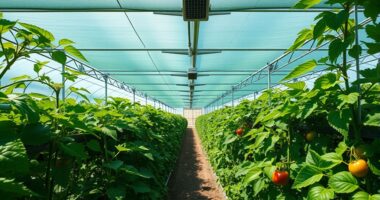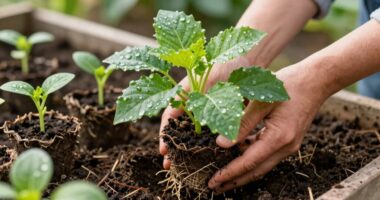
To reset your greenhouse without tossing everything, start by inspecting its structure and cleaning all surfaces, tools, and containers. Remove unhealthy plants and old soil to prevent diseases, then test and replenish soil and fertilizers. Repair any structural issues and organize your equipment for easy access. Plan your upcoming planting schedule and set a waste disposal routine that includes recycling and composting. To maintain efficiency year-round, establish a regular maintenance schedule, and discover more tips to keep your greenhouse in top shape.

Get garden gear delivered free — and shop member deals
- Fast, free delivery on millions of items
- Access to Prime Big Deal Days deals on October 6–7
- Prime Video, Amazon Music and more included
Key Takeaways
- Conduct a thorough inspection of greenhouse structures, plants, and supplies to identify repairs and areas needing cleaning.
- Remove unhealthy plants and contaminated soil to prevent disease spread, then replenish with fresh soil and nutrients.
- Deep clean tools, organize equipment, and maintain systems like ventilation and watering for optimal operation.
- Plan seasonal planting schedules, implement crop rotation, and recycle waste responsibly to support sustainable growth.
- Update inventory and budget, tracking expenses and supplies to ensure readiness and cost-efficiency for the upcoming season.
As an affiliate, we earn on qualifying purchases.
Assess Your Greenhouse’s Condition and Supplies
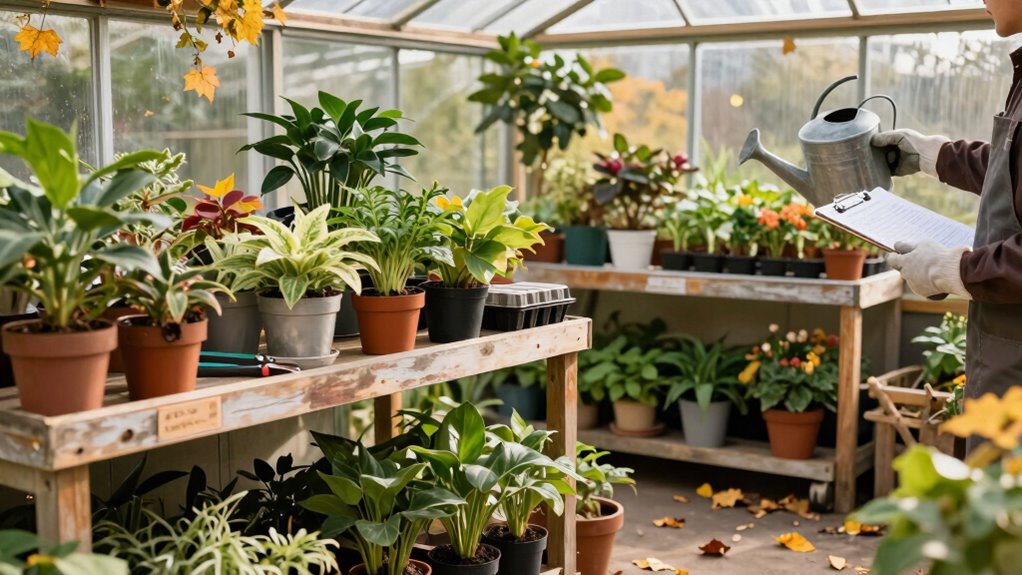
Before you begin cleaning, it’s important to evaluate your greenhouse’s overall condition and inventory. Check the health of your plants by inspecting leaves, stems, and roots for signs of stress, pests, or disease. Healthy plants indicate good growing conditions, while unhealthy ones may need attention or removal. Soil testing is essential to determine nutrient levels and pH balance; this helps you understand if your soil needs amendments or replacement. Take note of any structural issues like broken vents, damaged shading, or leaks that could affect plant health. Assess your supplies, including tools, fertilizers, and pots, making sure everything is clean and functional. An understanding of your greenhouse’s net worth can also help guide budget decisions for repairs and upgrades. This initial evaluation guides your cleaning and maintenance efforts, ensuring a healthy, productive greenhouse for the season ahead.
Clear Out Old or Unhealthy Plants to Prevent Disease
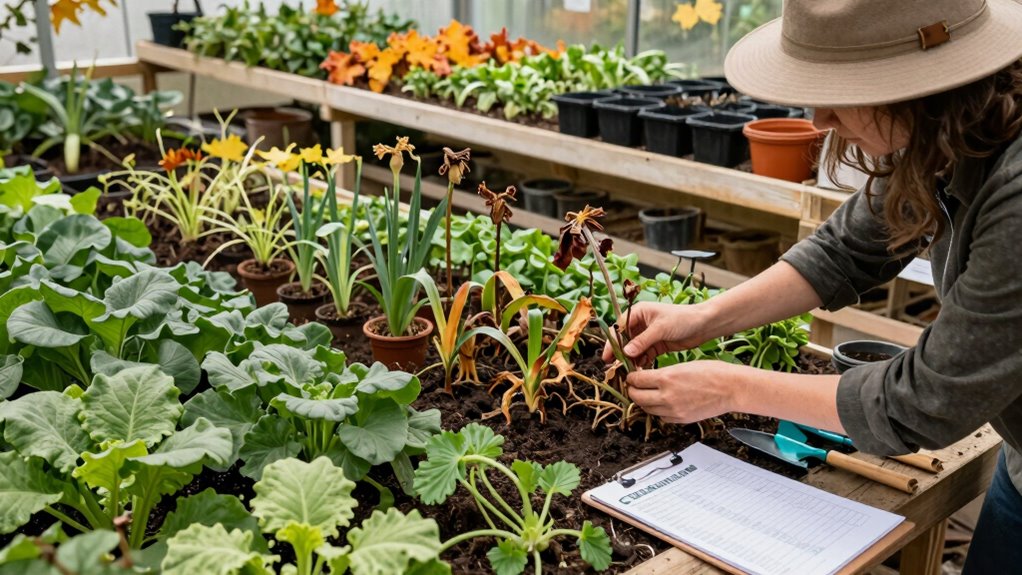
You should identify any sick plants and remove them promptly to stop the spread of disease. Make sure to discard contaminated soil and debris properly to prevent re-infection. Taking these steps keeps your garden healthy and ready for new growth. Additionally, preventative practices such as proper spacing and watering can help reduce the risk of future problems.
Identify Sick Plants
How can you tell if a plant is sick or unhealthy? Start by closely examining its leaves, stems, and overall growth. Look for signs that help you diagnose plant illnesses, such as discoloration, spots, wilting, or stunted growth. Recognize pest symptoms like holes, sticky residue, or webbing, which indicate an infestation. Healthy plants typically have vibrant leaves and steady growth, while unhealthy ones may show yellowing or browning. If you notice these signs, it’s best to remove the affected plants immediately to prevent the spread of disease. Eliminating sick plants not only protects your healthy greenery but also helps you identify potential issues early, making it easier to take targeted action and keep your greenhouse thriving. Understanding the history of pinball machines can also inspire you to create engaging and nostalgic gaming spaces, whether in your greenhouse or game room.
Remove Contaminated Soil
Contaminated soil can harbor pests, diseases, and harmful pathogens that threaten your healthy plants. To prevent this, you need to remove old or unhealthy soil and consider soil sterilization. Visualize removing:
- Cracked, discolored soil filled with mold or fungi
- Roots of dead or diseased plants tangled in the soil
- Piles of slimy, smelly dirt with visible pests
- Soil with an off-putting odor indicating infection
- Layers of compacted, nutrient-depleted material
Ensuring proper document management can help you track soil treatments and maintain a healthy greenhouse environment.
Properly Dispose of Debris
Removing unhealthy soil is only part of maintaining a healthy garden; equally important is clearing out old or diseased plants and debris. Dispose of plant waste properly to prevent disease spread. Composting yard waste is a great way to recycle organic material, but only if you’re sure it isn’t contaminated with pests or pathogens. For diseased plants, it’s best to discard them in your trash rather than compost. Recycle plastic containers used for plant care or fertilizers by cleaning and repurposing them or recycling them according to local guidelines. Avoid leaving debris that can harbor pests or fungi. Clearing out this material keeps your greenhouse clean and reduces the risk of recurring problems, supporting a healthier, more productive growing environment. Additionally, understanding contrast ratio can help you choose lighting and setup that minimizes issues caused by poor visibility or excess shadows.
Deep Clean and Organize Tools, Containers, and Growing Areas
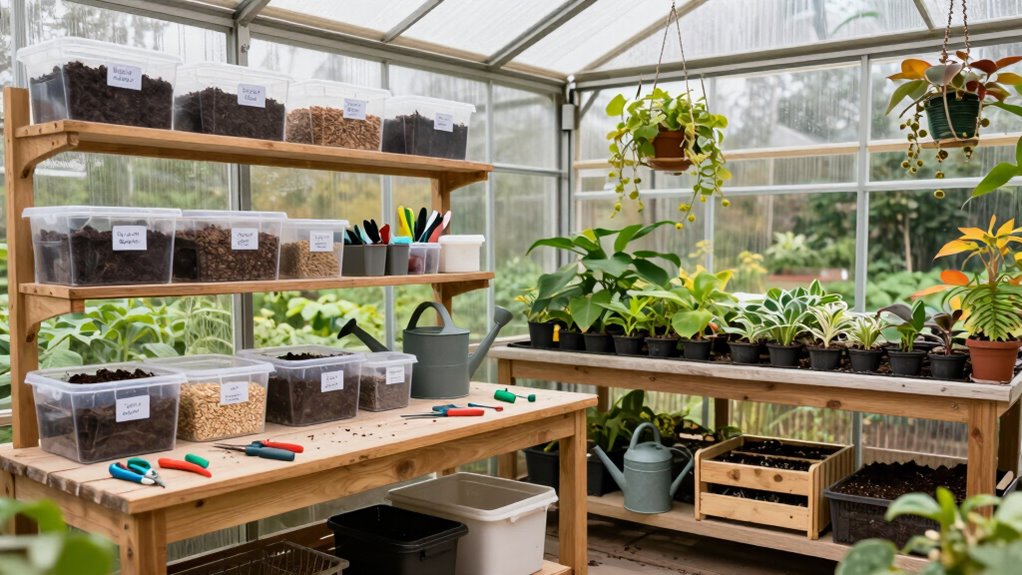
To guarantee your garden stays healthy and productive, it’s essential to deep clean and organize your tools, containers, and growing areas. Start by thoroughly cleaning your tools—remove dirt, rust, and residue, then sharpen blades and oil moving parts. Implement tool organization by grouping similar items together, like trowels, pruning shears, and cultivators. Use container labeling to clearly identify contents, making it easy to find what you need later. Visualize your space with:
- Cleaned, rust-free tools neatly stored in a dedicated toolbox
- Labeled containers for seeds, soil, and fertilizers
- Organized shelving for pots, trays, and grow bags
- Clear pathways for easy movement
- Freshly swept floors and surfaces
This process streamlines your greenhouse, saves time, and helps maintain a tidy, efficient environment. Incorporating seasonal maintenance tips such as cleaning and organizing can further enhance your greenhouse’s health and productivity.
Inspect and Repair Greenhouse Structures and Equipment
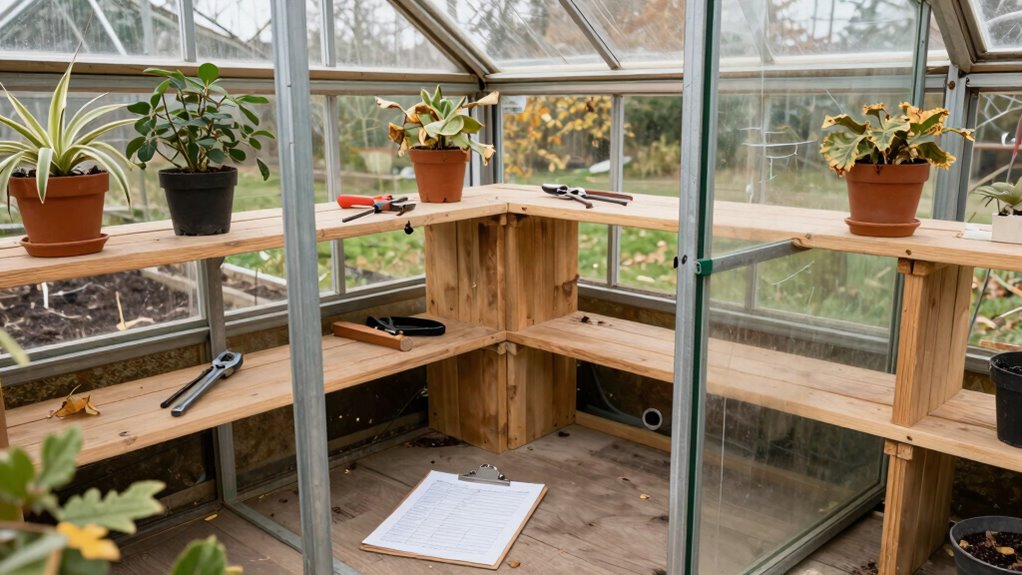
Start by examining your greenhouse for any structural issues, such as cracks or loose fittings. If you spot damage, repair or replace the affected parts promptly to guarantee safety. Also, check your equipment to make sure everything is functioning properly before the next growing season. To ensure your greenhouse is optimized for future use, consider assessing lighting and ventilation systems to maintain proper growing conditions.
Check Structural Integrity
Inspecting the structural integrity of your greenhouse is essential to guarantee it remains safe and functional through the season. Start by examining the foundation stability, ensuring there are no cracks or shifting that could compromise support. Check window sealing carefully to prevent drafts and moisture leaks that can damage plants or structure. Look for bent or broken frames that may need realignment or reinforcement. Assess the roof’s condition for loose or missing panels. Finally, verify that supporting beams are solid and free of rot or rust. Visualize these tasks as you go:
- Tightening loose bolts and screws
- Replacing damaged or cracked glass or plastic panels
- Reinforcing weak joints or braces
- Clearing debris from gutters and vents
- Testing the overall sturdiness of the structure
- Conducting structural assessments to identify hidden issues before they escalate.
These steps help keep your greenhouse safe and ready for the growing season.
Repair or Replace Equipment
Regularly inspecting your greenhouse equipment and structures guarantees they remain in good working order and can withstand the upcoming season. During your fall cleanout, focus on equipment maintenance by checking for rust, leaks, or damaged parts. Repair minor issues promptly to prevent further damage and ensure efficiency. For equipment beyond repair, consider replacement strategies that align with your budget and needs. Replace worn-out fans, heaters, or irrigation components to maintain excellent growing conditions. Don’t overlook structural elements like vents, doors, or shelving—repair or reinforce as needed. Keeping your equipment in top shape reduces downtime and extends its lifespan. Regular maintenance now saves money and effort later, helping you prepare a resilient, productive greenhouse for the seasons ahead. Proper maintenance is essential for extending the lifespan of your greenhouse equipment.
Check and Refresh Soil, Fertilizers, and Growing Media
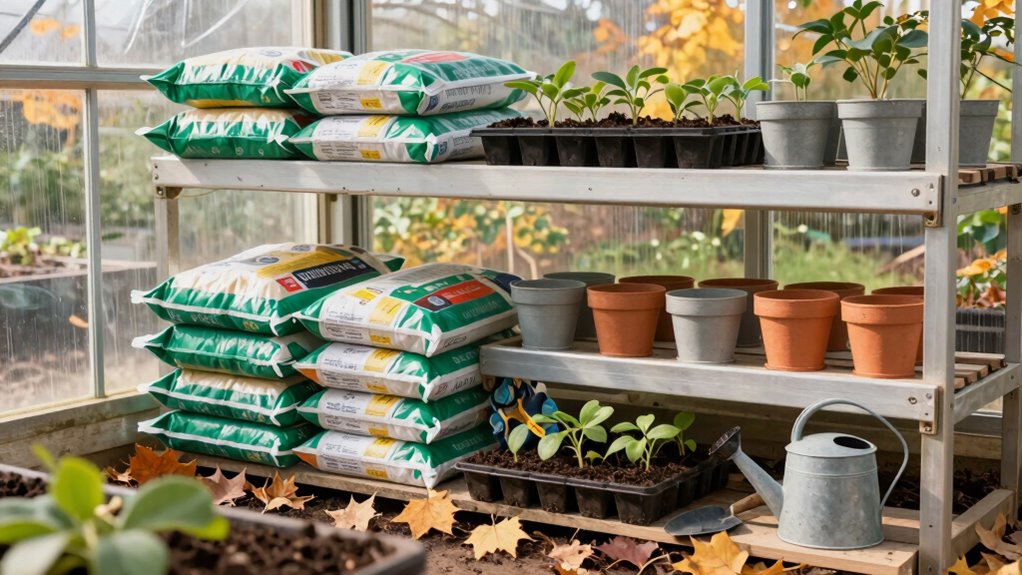
Before planting new seasonal crops, it is vital to check and invigorate your soil, fertilizers, and growing media. Start with soil testing to determine nutrient levels and pH balance. If needed, perform a fertilizer renewal to replenish essential nutrients. Visualize your greenhouse with:
- Rich, dark soil ready for planting
- Crumbled compost blending seamlessly into the media
- Fertilizer bags labeled with balanced NPK ratios
- Damp, well-aerated growing media with no signs of mold
- Fresh soil amendments, like peat or vermiculite, awaiting use
Implementing support breakfast strategies can also enhance your soil health by encouraging beneficial microorganisms. This process guarantees your plants will have a healthy foundation. Refreshing your soil and media promotes vigorous growth and prevents disease, setting the stage for a successful season. Proper preparation now means fewer problems later.
Plan Your Fall and Spring Planting Schedule

To guarantee a successful planting season, you should start by mapping out your fall and spring schedules now. Planning ahead helps you optimize space and resources, ensuring healthy growth. Use companion planting strategies to pair plants that support each other, like tomatoes and basil, which can improve flavor and deter pests. Incorporate crop rotation into your schedule to prevent soil exhaustion and reduce disease risk. Rotate crops based on their nutrient needs and family groups, such as legumes followed by leafy greens. This planning allows you to stagger plantings for continuous harvests and avoid planting the same crops in the same spots year after year. A well-organized schedule keeps your greenhouse productive, healthy, and efficient throughout the seasons.
Dispose of Waste Responsibly and Recycle When Possible
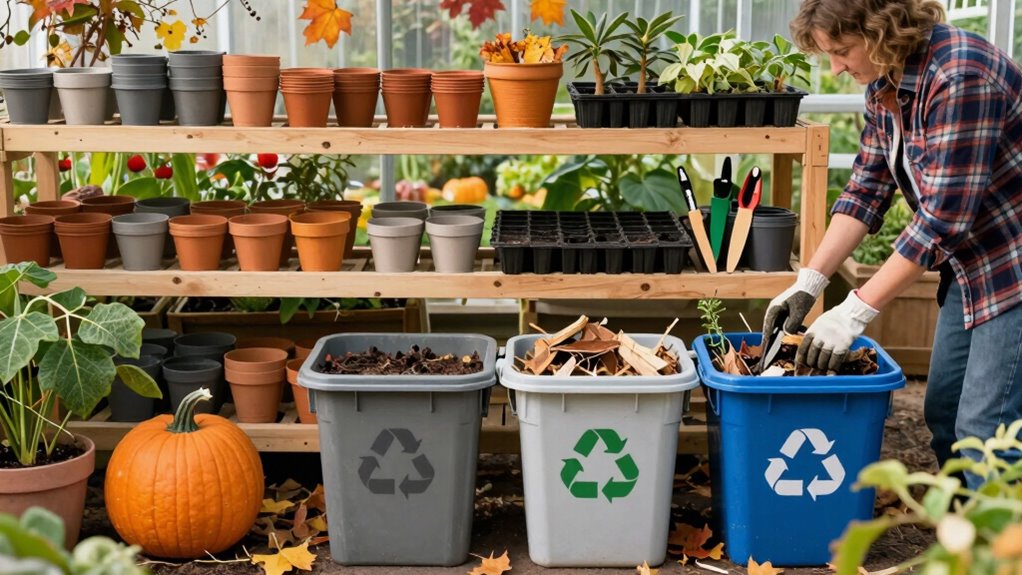
As you organize your planting schedule and prepare your garden space, it’s also the perfect time to focus on disposing of waste responsibly and recycling whenever possible. Proper disposal helps protect the environment and keeps your greenhouse tidy. Consider exploring composting options for plant debris, vegetable scraps, and paper waste—turning leftovers into nutrient-rich soil. Look for local recycling centers that accept plastics, metals, and garden plastics to minimize landfill waste. Be mindful of hazardous materials like chemical containers and dispose of them according to safety guidelines. To visualize, think of:
- Compost bins turning scraps into black gold
- Recycling centers accepting plastics and metals
- Green waste chutes for yard debris
- Proper disposal of chemical containers
- Reusing pots and trays instead of discarding them
Create an Inventory and Set a Budget for Next Season
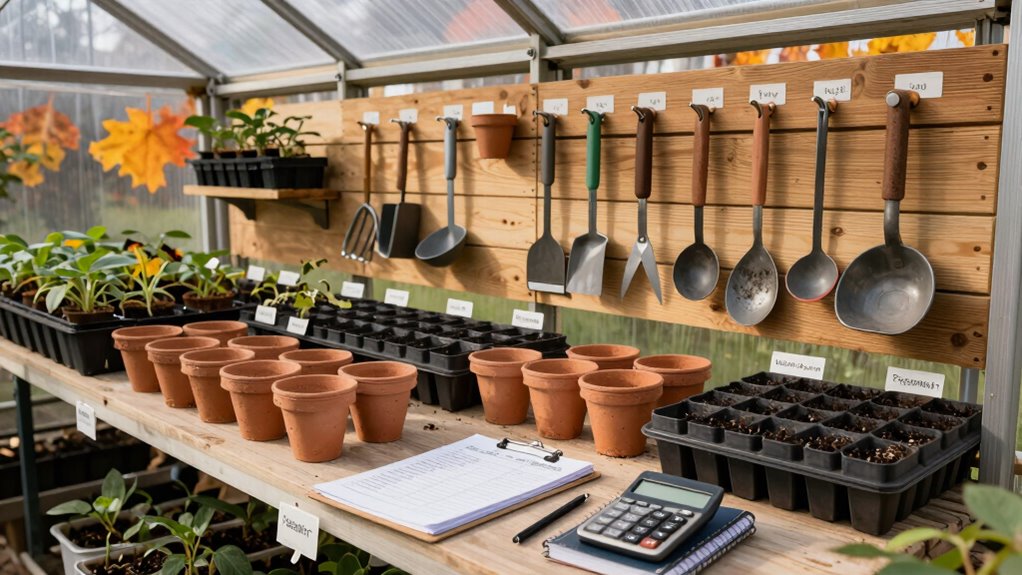
Creating an inventory and setting a budget for next season guarantees you’re organized and financially prepared. Start by listing your seed inventory, noting which seeds are still viable and which need replacing. This helps prevent overbuying and ensures you have the right varieties for your upcoming planting. During budget planning, consider costs for seeds, soil, fertilizers, and new tools or equipment. Review what you spent last season and identify areas to save or allocate more funds. Keeping detailed records now makes future planning easier. Having a clear inventory and budget helps you prioritize your purchases, avoid impulse buys, and stay on track financially. This proactive approach guarantees you’re ready to hit the ground running when planting season arrives.
Set Up a Maintenance and Cleaning Schedule for Year-Round Efficiency

Establishing a maintenance and cleaning schedule guarantees your garden tools, equipment, and outdoor spaces stay in peak condition all year long. Consistently reviewing watering habits helps prevent over- or under-watering, promoting healthy plant growth. Regular cleaning removes debris and reduces pest habitats, supporting effective pest management. Keep tools sharp and rust-free with scheduled maintenance, ensuring they’re ready when needed. Inspect gutters and drainage systems to avoid water buildup that can damage plants. Set aside weekly time to sweep walkways and clear fallen leaves, preventing pest hideouts. Create a calendar to remind you of these tasks, ensuring nothing gets overlooked. This routine keeps your greenhouse efficient, minimizes pests, and maintains ideal watering habits—making your gardening efforts more successful year-round.
Frequently Asked Questions
How Often Should I Perform a Greenhouse Deep Clean?
You should perform a greenhouse deep clean at least once every season, ideally every three to four months, to maintain ideal growing conditions. Incorporate composting techniques during your greenhouse cleaning schedule to manage organic waste and boost soil health. Regular deep cleaning helps prevent pests and diseases, ensuring your plants thrive. Don’t forget to disinfect tools and surfaces thoroughly for a healthy, productive greenhouse environment year-round.
What Are Eco-Friendly Disposal Options for Greenhouse Waste?
Think of your greenhouse waste as treasure waiting to be reused. You can explore eco-friendly disposal options like composting your plant debris or using green waste recycling services. Composting transforms organic waste into nutrient-rich soil, boosting plant health. Green waste recycling helps divert waste from landfills and supports sustainable practices. By choosing these methods, you’re nurturing the environment while giving your greenhouse a fresh start for the next season.
How Can I Prevent Pests During Fall Cleanup?
To prevent pests during fall cleanup, you should implement pest prevention strategies like removing debris and dead plant material promptly. Regular fall pest monitoring helps you spot infestations early, so you can take action quickly. Keep your greenhouse clean and well-ventilated, and consider using natural repellents or barriers. By staying vigilant and proactive, you’ll reduce pest problems and maintain a healthy, pest-free environment during the fall.
Which Tools Are Essential for Greenhouse Maintenance?
You need essential tools like pruning shears, a hand trowel, and a watering can to maintain your greenhouse effectively. These tools help you manage watering schedules and implement pest prevention measures efficiently. Keep a spray bottle for pest control, a thermometer for temperature checks, and brushes for cleaning surfaces. Regularly using these tools ensures your greenhouse stays healthy, pest-free, and finely maintained during fall cleanup.
How Do I Choose the Right Soil Amendments for Spring Planting?
To choose the right soil amendments for spring planting, start with soil testing to determine nutrient levels and pH. Based on your results, select amendments like compost, peat moss, or lime to improve fertility and balance acidity. Consider your plants’ specific needs, and add amendments accordingly. Regular testing and thoughtful amendment selection guarantee your soil provides the ideal environment for healthy, thriving plants throughout the growing season.
Conclusion
By following this fall cleanout checklist, you’ll breathe new life into your greenhouse, much like a fresh start after a storm. With each step, you’re setting the stage for a productive season ahead. Think of it as tending to a beloved garden—care and attention now will reward you later. Embrace the process, and watch your greenhouse flourish brighter than ever, ready to nurture your next wave of plants with renewed energy.
Fall yard work Picks
leaf blowers
As an affiliate, we earn on qualifying purchases.