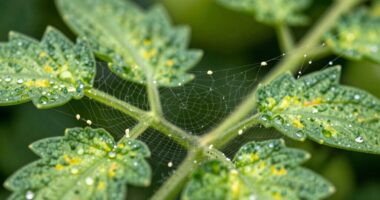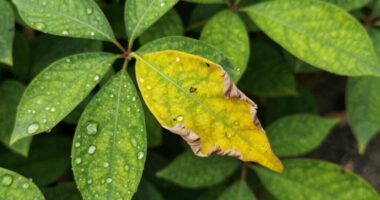
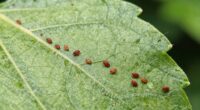
Thrips often cause subtle damage that many gardeners overlook, like silvery streaks and stippling on leaves and petals. These tiny insects feed on plant tissues, leaving surface-level streaks rather than holes, and may produce black specks of excrement. Spotting these signs early helps prevent widespread damage and preserves plant health. If you want to learn how to identify these elusive signs and protect your plants, there’s more to uncover below.

Get garden gear delivered free with Prime
- Fast, free delivery on millions of items
- Prime Video, Amazon Music and more included
- Member-only deals all year
Key Takeaways
- Silver streaks or stippling on leaves and petals are primary visual indicators of thrips feeding damage.
- Damage appears as fine, surface-level streaks caused by cell disruption, not large holes or chewed edges.
- Tiny black specks, thrips excrement, often accompany the streaks and are visible on affected foliage.
- Damage typically affects new growth, flower buds, and undersides of leaves where thrips hide.
- Early signs are subtle; regular inspection of vulnerable plants helps detect damage before severe symptoms develop.
As an affiliate, we earn on qualifying purchases.
What Are Thrips, and How Do They Damage Your Plants?
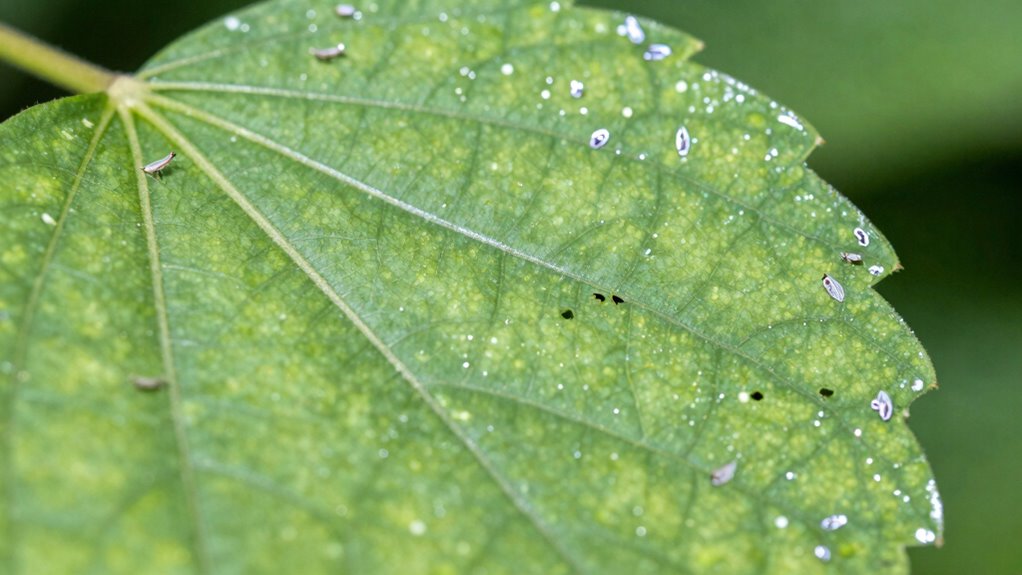
Thrips are tiny, slender insects that often go unnoticed until they cause visible damage to your plants. Understanding their thrips life cycle helps you grasp how quickly they can spread and damage your greenery. They lay eggs inside plant tissue, and the larvae hatch, feeding on leaves, flowers, and stems. As they mature, thrips continue to feed, causing distorted growth, discoloration, and silvery streaks on leaves. A common non-halal additive in some pest control products can pose concerns for those following halal guidelines. To control them effectively, you need targeted thrips control methods, such as introducing natural predators, using insecticidal soaps, or applying appropriate insecticides. Regular inspection is key to catching an infestation early. By understanding their life cycle and implementing control methods promptly, you can reduce thrips damage and protect your plants from long-term harm.
How to Recognize Silver Streaks and Other Signs of Thrips Damage
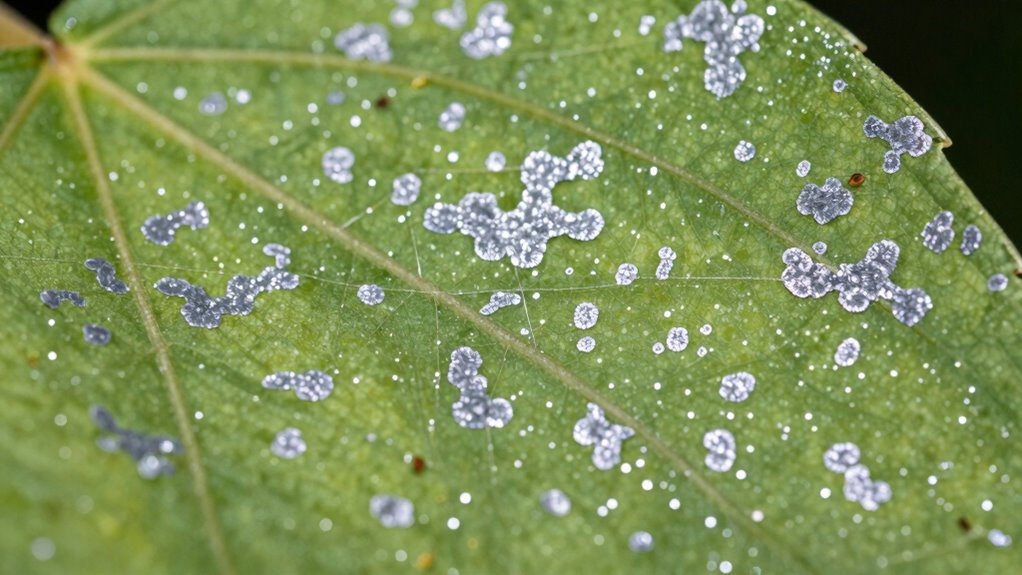
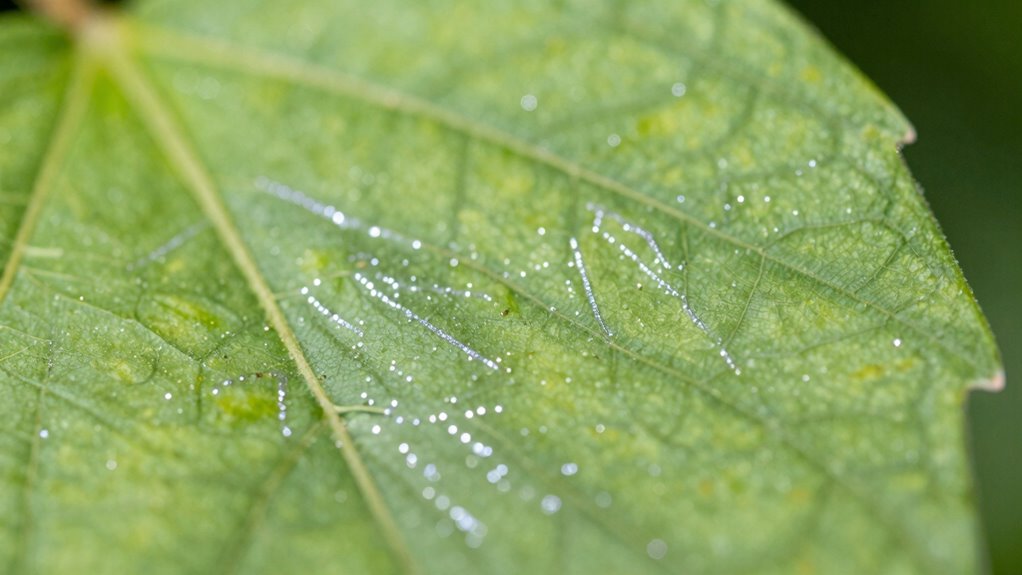
One of the most recognizable signs of thrips damage is the appearance of silvery streaks or streaked patches on leaves and petals. These streaks result from the tiny insects feeding on plant tissues, causing cell damage that reflects light differently. You might also notice distorted or deformed leaves and petals, along with tiny black specks—thrips excrement. To confirm thrips presence, look closely at the undersides of leaves, where these pests often hide. Color accuracy in plant damage assessment can help distinguish thrips from other pests. Natural predators like predatory mites or lacewing larvae can help control thrips populations without chemical treatments. If you choose chemical options, apply them carefully to target affected areas, but remember that overuse can harm beneficial insects, including natural predators. Recognizing these signs early helps you manage thrips effectively.
How Thrips Damage Differs From Other Pests’ Effects
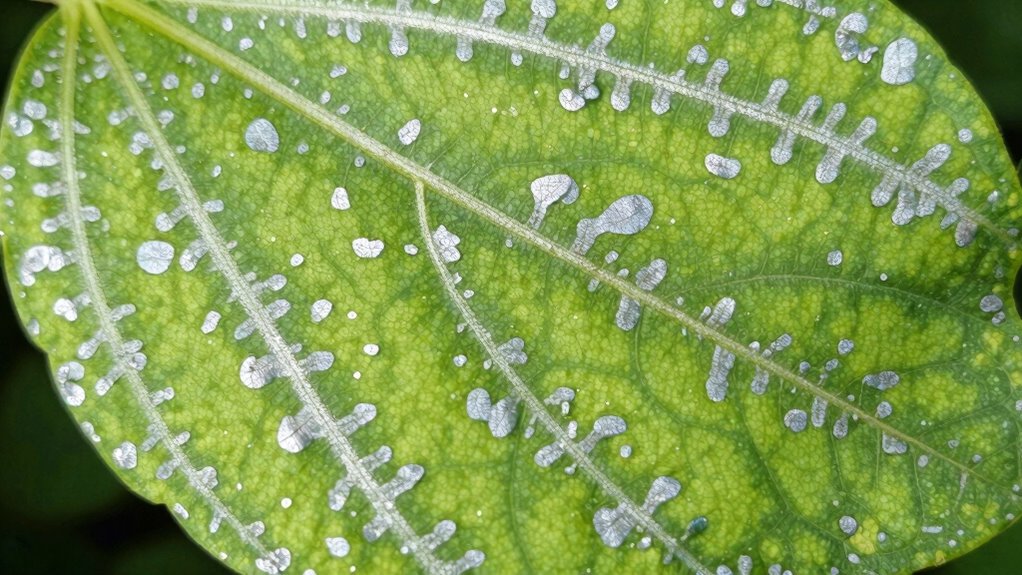
Thrips cause unique leaf discoloration patterns, often resulting in silvery streaks or speckling that set them apart from other pests. Their surface damage typically appears as tiny scars or stippling rather than large holes or chewed edges. Recognizing these distinct signs helps you distinguish thrips damage from effects caused by other insects. Additionally, understanding the role of smart contracts in digital asset management can improve your ability to detect irregularities associated with pest infestations in agricultural monitoring systems.
Leaf Discoloration Patterns
Leaf discoloration caused by thrips often appears as silvery or streaked patches on new growth, distinguishing it from the more uniform yellowing or browning caused by other pests. These streaks result from thrips feeding on plant cells, which disrupts chlorophyll and impairs photosynthesis. Unlike pests that cause widespread damage, thrips often target fresh leaves, leaving behind irregular, shimmering patterns. Poor plant nutrition can make plants more susceptible to thrips, so maintaining balanced soil amendments supports healthy growth and resilience. Recognizing these specific discoloration patterns helps you differentiate thrips damage from other issues, such as fungal infections or nutrient deficiencies. Proper identification allows for targeted treatment, preventing further damage and promoting plant recovery. Additionally, understanding plant vulnerability factors can help in implementing preventative measures against thrips infestations.
Surface Damage Characteristics
Unlike many pests that cause visible holes or chewed edges, thrips leave behind surface-level damage characterized by fine, silvery streaks or speckling on plant tissues. This damage results from their feeding behavior during their thrips life cycle, where they insert their mouthparts to extract plant sap. As they pierce the plant tissue, they disrupt cell structures just beneath the surface, creating the distinctive silver streaks. These signs differ from pests that cause larger holes or chewing damage, making thrips’ effects more subtle yet recognizable. The silvery streaks typically appear on new growth and can be mistaken for other issues, but recognizing this surface damage helps you identify thrips early and prevent further harm to your plants. Recognizing the damage patterns can aid in early detection and effective management.
Why Catching Thrips Early Is Critical for Plant Health
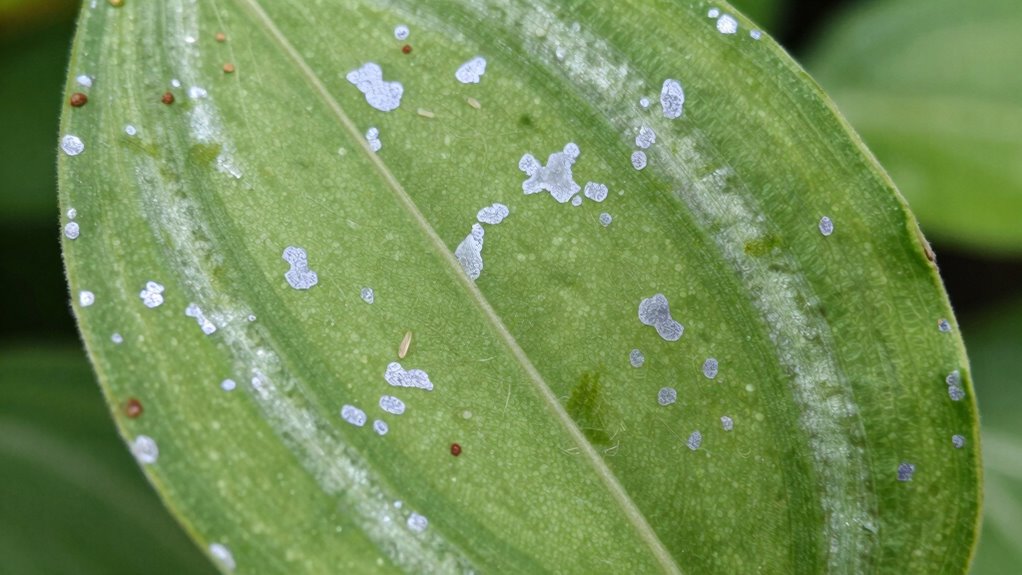
Catching thrips early is essential because these tiny pests can quickly cause significant damage to your plants. Early detection allows you to implement effective measures like biological control, which introduces natural predators to keep thrips populations in check. Additionally, practicing proper cultural practices—such as removing debris, pruning affected areas, and ensuring good airflow—helps prevent infestations from escalating. The sooner you identify thrips, the easier it is to stop their reproduction cycle before they cause irreversible harm. Delayed action can lead to widespread damage, reduced plant vigor, and increased costs for control measures. Maintaining local automation systems, such as monitoring devices, can help detect infestations promptly. By staying vigilant and acting swiftly, you protect your plants’ health and ensure a thriving, pest-free environment.
Which Plants Are Most Susceptible to Thrips and Silver Streaks
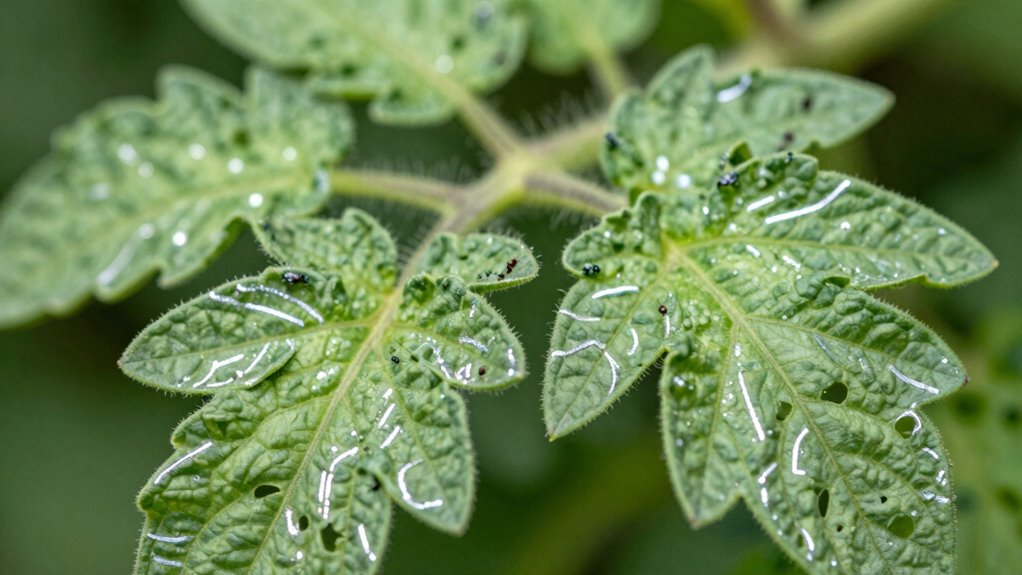
Certain flowering plants and foliage types are more prone to thrips and silver streaks. You’ll notice these pests target vulnerable leaves and blooms first. Recognizing which plants are most susceptible helps you take quicker, more effective action. Incorporating energy-efficient cloud servers into your data management can support sustainable gardening practices by providing reliable, eco-friendly technology solutions.
Susceptible Flowering Plants
Many flowering plants are highly vulnerable to thrips and silver streaks, especially those with tender blooms and soft foliage. These pests are attracted to plants with vibrant flower color and can quickly cause damage if watering practices are not properly managed. You should pay close attention to plants like petunias, marigolds, impatiens, begonias, and sweet alyssum, which often show early signs of infestation. Overwatering or inconsistent watering can make these plants more susceptible by weakening their defenses. Look for distorted petals, silvery streaks on leaves, and tiny black specks—signs that thrips are at work. Proper plant care, including maintaining healthy flower color and avoiding excessive moisture, can help minimize vulnerability. Staying vigilant helps protect your garden’s beauty. Incorporating visual and auditory cues from speech therapy techniques can enhance your understanding of plant health issues and improve your ability to detect early signs of pests.
Vulnerable Foliage Types
Foliage with delicate, soft leaves and tender stems are particularly vulnerable to thrips and silver streaks. These plants lack strong botanical defenses, making them easy targets during the thrips lifecycle. You’ll notice damage on species like ferns, begonias, and impatiens, which often show streaks, stippling, or discoloration. Imagine this:
| Plant Type | Damage Symptoms | Thrips Vulnerability |
|---|---|---|
| Ferns | Silver streaks on fronds | Soft leaves attract thrips |
| Begonias | Speckled, decolored foliage | Tender stems are easy prey |
| Impatiens | Damaged, streaked leaves | Lack tough botanical defenses |
| Sensitive plants | Discoloration, stippling | Easy entry points for thrips |
Understanding this helps you protect vulnerable foliage before thrips establish their lifecycle.
How to Detect Thrips Damage Before It Gets Worse
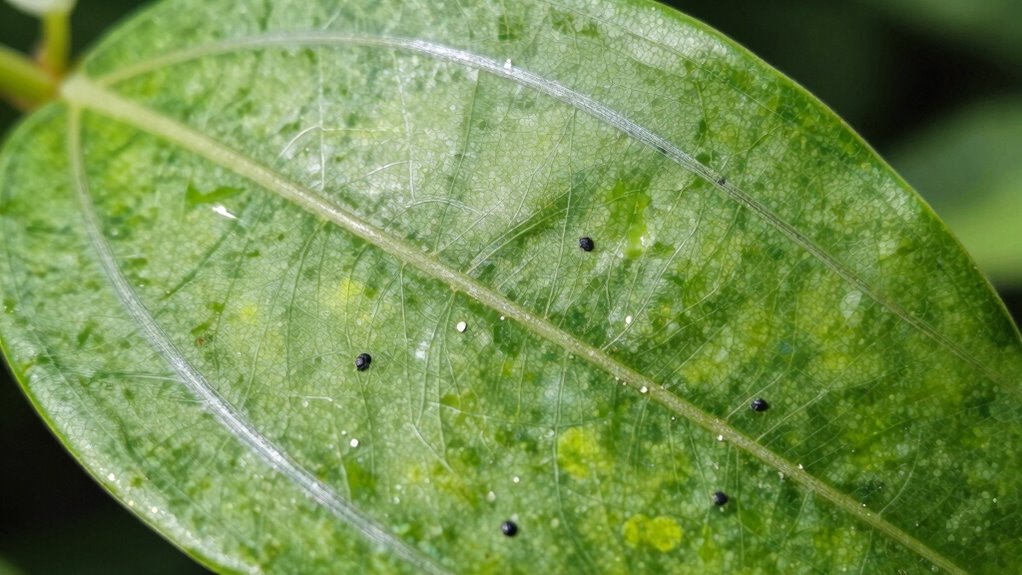
Since thrips are tiny and often hard to spot, early detection relies on closely inspecting your plants regularly. Look for subtle signs like silvery streaks or tiny black specks, which indicate feeding damage. Check new growth, flower buds, and undersides of leaves frequently. Keep an eye out for deformed or discolored foliage, as thrips often target vulnerable plants. To prevent worsening infestations, consider implementing plant quarantine practices for new plants. Encouraging natural predators, such as ladybugs or predatory mites, can also help keep thrips numbers in check. Regular monitoring and early action are key to controlling damage before it spreads. Integrated pest management strategies can provide a comprehensive approach to managing thrips effectively. Remember, catching thrips early minimizes the need for chemical treatments and protects your plants’ health.
What Are the Best Ways to Manage and Prevent Thrips Infestations
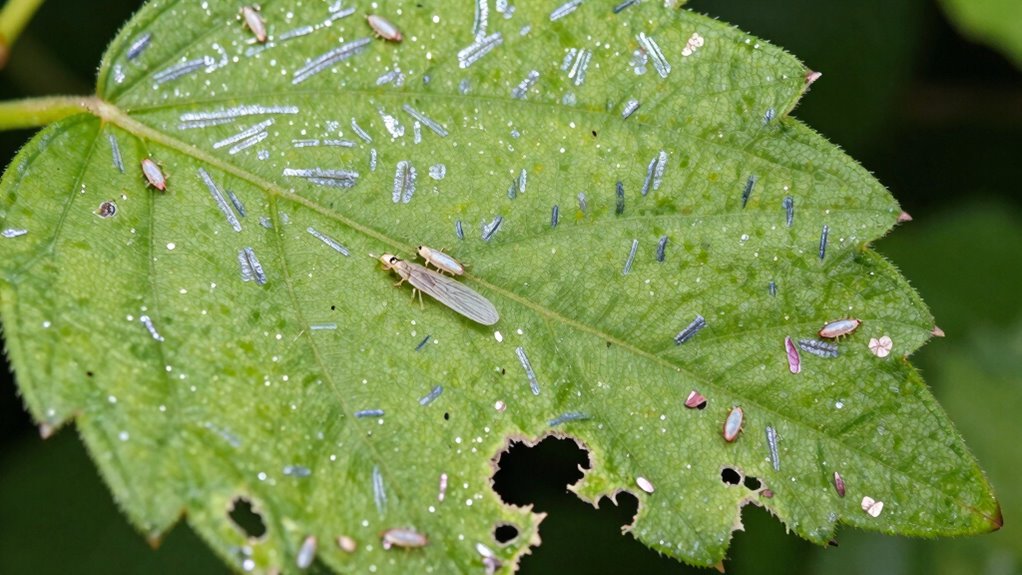
To effectively manage and prevent thrips infestations, proactive strategies are your best tool. Start by introducing biological controls like natural predators such as predatory mites or lacewing larvae, which help keep thrips populations in check without chemicals. Regularly inspect plants and remove infested or damaged foliage to reduce thrips numbers early. If infestations persist, chemical treatments can be effective; choose insecticidal soaps, neem oil, or targeted insecticides designed for thrips. Always follow label instructions to minimize impact on beneficial insects and the environment. Combining biological controls with proper cultural practices, like maintaining healthy plants and avoiding over-fertilization, creates a resilient defense. Consistent monitoring and timely intervention are key to preventing small problems from becoming severe infestations.
Frequently Asked Questions
Can Thrips Infest Indoor Plants Without Visible Signs?
Yes, thrips can infest indoor plants without obvious signs. You might have a hidden infestation that shows only microscopic signs, such as tiny specks of debris or small punctures on leaves. Regularly inspecting your plants closely helps catch these signs early. If you notice new damage or sticky residue, it’s a good idea to contemplate a thorough check for these microscopic signs, even if no visible pests are present.
Are There Natural Predators to Control Thrips Populations?
Beneficial insects like predatory mites and lacewing larvae act as natural predators, providing biological control over thrips. These helpful bugs keep thrips in check without harsh chemicals, making your plants happier and healthier. Imagine deploying an army of tiny warriors—no pesticides needed. So, yes, nature’s got your back with beneficial insects ready to curb thrips populations, saving your plants and your sanity.
What Environmental Conditions Favor Thrips Outbreaks?
You’ll notice thrips thrive in warm, dry conditions with low soil moisture, especially during hot, dry spells. Temperature fluctuations, particularly sudden warm-ups, also trigger outbreaks. If the soil dries out quickly and temperatures spike, thrips populations can explode. Keep an eye on soil moisture levels and avoid letting them get too dry, as these conditions create the perfect environment for thrips to multiply rapidly.
How Long Does It Take for Thrips Damage to Appear After Infestation?
Like a thief in the night, thrips can leave their mark quickly. Damage timeline varies, but symptoms often develop within a week of infestation. You might notice silvery streaks or speckled leaves as the damage begins to paint a picture. Keep a close eye on your plants, because early detection means you can stop the damage before it spreads, turning a minor issue into a major crisis.
Are Certain Plant Varieties Resistant to Thrips and Silver Streak Signs?
Yes, certain plant varieties show resistance to thrips and silver streak signs through careful varietal selection. You can choose plants with natural plant resistance, which helps minimize damage. By selecting resistant cultivars, you reduce the likelihood of thrips infestation and damage, making your garden or crops more resilient. Focus on varietal selection that emphasizes pest resistance, and you’ll enjoy healthier plants with less need for chemical controls.
Conclusion
If you spot silver streaks on your plants, don’t ignore them—early action saves your greenery. For example, a hobby gardener noticed the streaks on her roses and caught the thrips early. With prompt treatment, she prevented widespread damage and kept her roses vibrant. Keep a close eye on your plants, recognize the signs, and act quickly to protect your garden from these tiny but damaging pests. Your plants will thank you!
Halloween Picks
halloween
As an affiliate, we earn on qualifying purchases.