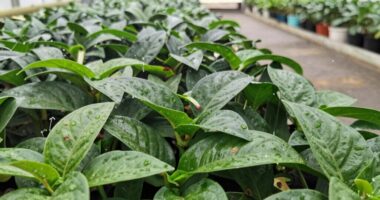
Integrated Pest Management (IPM) in greenhouses combines biological control, pest monitoring, and environmental management to keep pests under control naturally. You’ll use beneficial insects like lady beetles and parasitic wasps to target specific pests, while regular inspections help catch problems early. Maintaining ideal environmental conditions supports these natural enemies and reduces pest outbreaks. By following these strategies, you create a healthier, more sustainable growing environment. Continue exploring to discover how each element works together for effective pest management.

Get garden gear delivered free with Prime
- Fast, free delivery on millions of items
- Prime Video, Amazon Music and more included
- Member-only deals all year
Key Takeaways
- IPM in greenhouses combines biological control, pest monitoring, and minimal chemical use for sustainable pest management.
- Regular pest monitoring enables early detection and timely intervention, reducing damage and chemical reliance.
- Biological control employs natural enemies like lady beetles and parasitic wasps to target specific pests effectively.
- Proper environmental conditions (humidity, temperature, airflow) are essential for the success of biological agents.
- Integrated strategies focus on prevention, environmental management, and targeted treatments to maintain healthy greenhouse ecosystems.

Have you ever wondered how to control pests effectively in your greenhouse without relying solely on chemicals? One of the most sustainable ways is through biological control, which involves using natural predators, parasites, or pathogens to keep pest populations in check. But before you introduce these beneficial organisms, it’s essential to establish a solid foundation with pest monitoring. Regularly inspecting your plants allows you to identify pest presence early, assess their populations, and determine whether biological control methods are necessary.
Biological control starts with diligent pest monitoring for early detection and effective management.
Pest monitoring is the cornerstone of any successful IPM strategy. By keeping a close eye on your greenhouse environment, you can detect issues before they become severe. Use sticky traps, visual inspections, and even smartphone apps to record pest activity. This proactive approach enables you to catch problems early, reducing the need for chemical interventions. When you recognize a pest outbreak in its initial stages, you can respond swiftly by releasing specific biological control agents, which target only the pests without harming beneficial insects or your plants.
Biological control fits seamlessly into integrated pest management because it emphasizes prevention and sustainability. Instead of routinely applying pesticides, you target pests as they appear, minimizing chemical use and its associated risks. For example, releasing lady beetles to combat aphids or deploying parasitic wasps for whitefly control aligns with IPM principles. These natural enemies are often specific to certain pests, making them highly effective and environmentally friendly. Plus, they don’t leave residues that could harm your plants, workers, or consumers.
Implementing biological control requires patience and proper timing. You need to monitor pest levels diligently and introduce beneficial organisms when pest populations are manageable. This prevents pests from reaching damaging levels, which could require more aggressive treatments later. Additionally, maintaining optimal environmental conditions—like humidity, temperature, and airflow—helps ensure that both pests and their natural enemies thrive in your greenhouse. Maintaining appropriate environmental conditions is crucial for the success of biological control, as it influences the survival and effectiveness of beneficial organisms.
beneficial insects for greenhouse pest control
As an affiliate, we earn on qualifying purchases.
As an affiliate, we earn on qualifying purchases.
Frequently Asked Questions
How Cost-Effective Is IPM for Small Greenhouse Operations?
IPM is highly cost-effective for small greenhouse operations because it reduces pest control expenses through targeted strategies. You save money by minimizing pesticide use, thanks to pest monitoring that detects issues early. This approach prevents crop damage and lowers overall costs, making your operation more sustainable. With careful monitoring and integrated methods, you’ll see significant pest management savings while maintaining healthy plants and ideal yields.
What Are the Most Common Pests Controlled by IPM in Greenhouses?
You’ll find pests like aphids, whiteflies, and spider mites wreak havoc without IPM. By pest identification, you can target these pests early, preventing their explosion. Biological control methods, like introducing beneficial insects, are your secret weapon to keep pest populations in check naturally. This approach saves your crops, reduces chemical use, and keeps your greenhouse thriving. Without IPM, these pests could multiply into an unstoppable invasion!
How Does IPM Impact Greenhouse Crop Quality and Yield?
IPM substantially boosts your greenhouse crop quality and yield by reducing pests effectively. As you implement pest reduction strategies, you support healthier plants, leading to stronger growth and better fruit or flower production. This approach minimizes chemical use, which preserves crop health and guarantees high-quality harvests. Ultimately, you’ll notice improved plant resilience, fewer crop losses, and increased profitability, making your greenhouse operation more sustainable and productive.
Can IPM Be Combined With Organic Farming Practices?
Yes, you can combine IPM with organic farming practices, creating organic synergy and ensuring sustainable compatibility. By integrating pest control methods like biological controls and organic-approved solutions, you maintain eco-friendly standards while effectively managing pests. This approach helps you achieve healthier crops, reduce chemical use, and align with organic principles, making your greenhouse operation more sustainable and environmentally responsible.
What Training Is Required for Staff to Implement IPM Effectively?
You’ll want your staff to undergo thorough education on pest identification and management techniques. No, they don’t need to be entomologists overnight, but a solid understanding of pest signs and thresholds is essential. Training should cover monitoring, biological controls, and safe pesticide use. It’s a simple idea—empower your team with knowledge, and pests won’t stand a chance. Because, after all, ignorance is the true pest here.
Conclusion
By embracing integrated pest management, you become the captain steering your greenhouse through stormy pest waters. With a balanced mix of tactics, you’ll nurture a healthy environment where plants thrive and pests retreat like shadows at dawn. Remember, IPM isn’t just a method—it’s your shield and compass, guiding you toward sustainable success. Stay vigilant, adapt your strategies, and watch your greenhouse flourish as a resilient oasis in a sea of challenges.
Halloween Picks
halloween
As an affiliate, we earn on qualifying purchases.