To build your own greenhouse, start by choosing a suitable location and planning your design to make certain of proper climate control with ventilation, insulation, and shading. Select plants based on their needs and match them with your system’s capabilities to maintain ideal temperature and humidity. Use simple construction materials and add tools like vents and fans for airflow. As you follow these steps, you’ll gain the knowledge needed to create a thriving, efficient growing space.

Get garden gear delivered free — and shop member deals
- Fast, free delivery on millions of items
- Access to Prime Big Deal Days deals on October 6–7
- Prime Video, Amazon Music and more included
Key Takeaways
- Choose an appropriate site and design for your greenhouse, considering sunlight, wind, and space requirements.
- Gather necessary materials such as framing, glazing, ventilation, and insulation components.
- Build a sturdy frame, ensuring proper foundation and structural stability.
- Install climate control systems like vents, fans, and shading to regulate temperature and humidity.
- Select suitable plants based on your environment and integrate them with your climate management setup.

Building your greenhouse can be a rewarding project that extends your growing season and protects your plants from the elements. When designing your greenhouse, one of the most important aspects to consider is climate control. Proper climate control ensures your plants thrive regardless of outside weather conditions. You’ll want to incorporate ventilation systems, heating options, and shading devices to maintain ideal temperature and humidity levels. Ventilation, such as roof vents or exhaust fans, prevents overheating and reduces humidity that can lead to mold or disease. Insulation materials help retain heat during colder months, making your greenhouse more energy-efficient. Controlling humidity levels is equally crucial, so consider installing a humidifier or dehumidifier depending on your local climate. These measures create a stable environment, which is essential for healthy plant growth. Understanding hydraulics and airflow dynamics can help optimize ventilation and moisture control systems for better climate regulation.
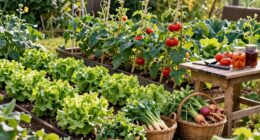
Another key factor in building your greenhouse is plant selection. Choosing the right plants for your space and climate ensures you get the most out of your greenhouse. Start by deciding what you want to grow—whether vegetables, herbs, flowers, or tropical plants—and research their specific needs. Some plants require warmer temperatures, higher humidity, or specific light conditions. For example, tomatoes and peppers thrive with ample sunlight and consistent warmth, while leafy greens prefer cooler, shaded areas. By selecting plants suited to your climate and the conditions you can reliably provide, you reduce the risk of frustration and crop failure. Additionally, consider the growth habits and sizes of your plants to plan your layout efficiently. Grouping plants with similar climate requirements simplifies maintenance and enhances growth.
As you plan your greenhouse, think about how climate control and plant selection intertwine. For instance, selecting heat-tolerant plants can reduce your reliance on heating systems, saving energy and costs. Conversely, having a good ventilation system allows you to grow more sensitive plants that need specific temperature ranges. Monitoring your environment with thermometers and hygrometers helps you stay on top of conditions and make adjustments as needed. This proactive approach ensures your plants receive consistent care and ideal growing conditions. Remember, a well-thought-out climate control system combined with thoughtful plant selection makes your greenhouse more successful and enjoyable to work in.
As an affiliate, we earn on qualifying purchases.
Frequently Asked Questions
What Is the Ideal Size for a Beginner’s Greenhouse?
As a beginner, aim for a greenhouse around 6×8 feet. This size offers enough space to grow various plants while remaining manageable. Focus on ventilation design to guarantee proper airflow, which is vital for plant health. Choose durable materials like galvanized steel or polycarbonate to withstand weather conditions. This size balances accessibility and functionality, making your gardening experience enjoyable and successful without feeling overwhelming.
How Much Does Building a Greenhouse Typically Cost?
Building a greenhouse can cost anywhere from $300 to over $5,000, depending on size and materials. Think of it as a puzzle where each piece affects the final picture. A thorough cost analysis helps you identify expenses like framing, glazing, and tools, while smart budget planning guarantees you don’t overspend. With careful planning, you can create a thriving green space that fits your wallet and gardening dreams.
What Tools Are Essential for Greenhouse Construction?
You’ll need essential tools like a saw, drill, measuring tape, and level to build your greenhouse. Don’t forget safety equipment such as gloves and goggles to safeguard yourself during construction. Consider weather conditions, as you might need additional tools for working in rain or wind. Having a sturdy ladder and appropriate fasteners also helps guarantee a safe, smooth building process, especially when handling large panels or framing.
How Do I Choose the Best Location for My Greenhouse?
You should choose a location with maximum sunlight exposure to guarantee your plants get enough light daily. Look for a spot shielded from strong winds to protect your greenhouse structure and reduce heating costs. Avoid areas prone to frost pockets or shade from trees or buildings. By selecting a sunny, sheltered site, you’ll create an ideal environment for healthy plant growth and easier maintenance.
What Are Common Mistakes to Avoid During Building?
Avoid ventilation issues by ensuring proper airflow design from the start, and double-check your foundation for errors, like uneven leveling or unstable materials. Don’t rush the construction process, as it can lead to structural weaknesses. Keep all measurements precise, and use quality materials. Regularly inspect your work for potential problems, and make adjustments early. Proper planning and attention to detail will help you build a sturdy, well-ventilated greenhouse.
Conclusion
Building your own greenhouse is rewarding, empowering, and achievable. With patience, planning, and persistence, you turn a simple project into a thriving oasis. Embrace the process, enjoy the learning, and celebrate each step you take toward your gardening dreams. Remember, every nail driven, every panel secured, and every plant nurtured brings you closer to a lush, sustainable sanctuary. Keep building, keep growing, and let your passion for gardening flourish inside your homemade greenhouse.
Fall yard work Picks
leaf blowers
As an affiliate, we earn on qualifying purchases.