TL;DR

Get garden gear delivered free with Prime
- Fast, free delivery on millions of items
- Prime Video, Amazon Music and more included
- Member-only deals all year
Gardening Know How’s November care guide recommends five adjustments for peace lilies as indoor light, temperature and humidity change: water less often, provide brighter filtered light, and account for dry heated air and cold drafts. The supplied report gives details for watering and light, but does not include the full instructions for all five adjustments.
Gardening Know How’s November peace lily guide advises owners to adjust watering and light as shorter days and indoor heating alter household conditions. The seasonal recommendations matter because soil can remain wet longer in lower light, while heated rooms and cold windows may contribute to leaf damage; the supplied report details two of its five promised winter adjustments.
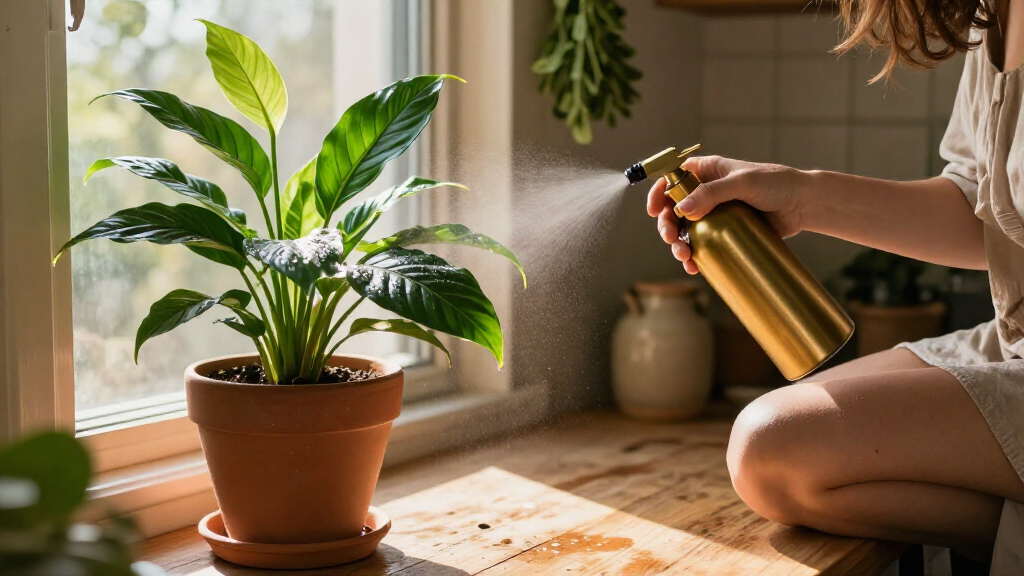
The report says peace lilies, or Spathiphyllum, may show drooping leaves, dull foliage and dry brown tips when November conditions arrive, even if the plant has not been moved. It links the change to the home environment: less daylight, lower sun angles, central heating and cold window glass. These are general care observations in the article, not a diagnosis of any individual plant.
Its first recommendation is to stop watering on a fixed summer schedule. The guide says to check the potting mix by feeling a couple of inches below the surface and water when it is dry and crumbly. When watering, soak the root ball with room-temperature water, allow excess to drain, and empty the saucer. If a plant droops, the report advises checking whether the soil is dry or soggy before adding water.
The second recommendation is to move a plant from a dark corner to brighter, indirect light, such as near an east- or north-facing window, a point covered in this peace lily care guide. The report cautions against leaves touching cold glass and recommends a sheer curtain where stronger afternoon sun comes through a south- or west-facing window. Although the headline promises five winter adjustments, the source material provided here ends partway through the section on light and does not document the remaining three in full.
Avoiding Winter Watering Stress
The practical issue is that summer routines may not fit winter conditions. If a plant uses water more slowly in a darker room, watering on the same weekly schedule can leave the potting mix wet for longer. The source warns that persistently saturated soil can deprive roots of oxygen and contribute to root rot. Checking soil before watering is a low-cost way to avoid treating every droop as a sign of thirst.
Light and temperature also affect how a peace lily looks and grows. A plant may tolerate low light without thriving, according to the report, and insufficient light can coincide with faded foliage or fewer flower spathes. Moving it closer to a window can help, but cold glass and direct sun remain risks. The guide’s advice is seasonal care guidance, not a guarantee of glossy new growth or spring blooms.
Products Worth Considering

Orbit B-hyve XD 4-Port Smart Hose Watering Timer with Wi-Fi Hub

Orbit B-hyve Smart Indoor/Outdoor 12-Zone Sprinkler Controller

Orbit B-hyve XR 16-Zone Indoor/Outdoor Smart Sprinkler Controller
As an affiliate, we earn on qualifying purchases.
Shorter Days Change Indoor Care
The Gardening Know How report describes November as a point when household conditions shift: daylight hours shorten, sunlight becomes less intense, and heating systems begin running more often. For tropical houseplants, the article says, heated indoor air can be dry while window areas remain cold. A plant can therefore face dry air, reduced light and temperature differences without being relocated.
The source also distinguishes some symptoms. It says occasional yellowing of an older lower leaf can be normal, while several yellow leaves may point to problems such as low light or waterlogged soil. Brown, crisp tips may be associated with low humidity, uneven watering or mineral salts from tap water. These symptoms can have multiple causes, so the report recommends checking conditions rather than assuming a single explanation.
““The real shift is taking place in the house around the plant.””
— Gardening Know How
Three Tips Missing From Source
The supplied source text includes only the opening portion of the light recommendation, ending mid-sentence. While the headline advertises five winter care adjustments, the remaining three are not available in the material provided, so their details cannot be reported here. The source also does not establish a universal watering interval; the advice is to check the plant’s potting mix rather than follow a fixed timetable.
Leaf symptoms are not definitive on their own. Drooping, browning or yellowing can have more than one cause, and the report does not provide a way to confirm root rot or identify a specific problem in an individual plant. It also does not give measurements for household humidity or a forecast for when a plant will flower.
Check Soil and Window Light
For now, the report’s actionable steps are to check soil moisture before watering, drain runoff rather than leaving the pot in standing water, and review how much indirect daylight reaches the plant. Keep foliage away from cold window glass and filter strong afternoon sun when needed. Watch for changes in leaves, but use them alongside checks of soil and placement rather than as a diagnosis by themselves.
Readers seeking the full five-part list would need to consult the complete Gardening Know How article; the source excerpt provided here does not show the final recommendations. No follow-up test, expert statement or other update is included in the material.
Key Questions
How often should I water a peace lily in November?
The Gardening Know How report gives no fixed interval. It recommends checking a couple of inches into the potting mix and watering when it feels dry and crumbly, then letting excess water drain and emptying the saucer.
Where should a peace lily sit during winter?
The guide suggests a brighter position with indirect light, such as near an east- or north-facing window. Keep leaves from touching cold glass, and use a sheer curtain if strong afternoon sunlight reaches the plant.
What can cause brown leaf tips?
The report lists low humidity, uneven moisture and mineral salts in tap water as possible causes. Brown tips alone do not confirm which issue is affecting a particular plant.
Does a drooping peace lily always need water?
No. The article advises checking the soil first. Dry mix may indicate the plant needs water, while soggy, heavy mix can point to excess moisture; watering again in that situation could worsen the problem.
Does the supplied guide explain all five winter adjustments?
No. The provided excerpt contains the watering advice and part of the light section, but it ends before the remaining recommendations are shown.
Source: gardeningknowhow.com