The key habit that makes greenhouse growing feel surprisingly easy is maintaining healthy soil and a proactive pest management routine. You should regularly test and enrich your soil with compost to guarantee it’s nutrient-rich and well-draining. Keep an eye out for pests early and introduce beneficial insects or organic barriers. When you consistently prepare your soil and stay ahead of pests, your plants grow stronger, and gardening becomes less stressful. Keep going to discover more ways to simplify your green thumb.
Open a free Amazon Business account
Business pricing, bulk buying and tax-exempt orders.
As an affiliate, we earn on qualifying purchases.
Key Takeaways
- Regularly test and amend soil to ensure optimal nutrient levels and pH balance.
- Maintain a clean, debris-free greenhouse to prevent pests and diseases.
- Incorporate beneficial insects for natural pest control and reduce chemical reliance.
- Consistently monitor and adjust soil health for vigorous plant growth.
- Establish a routine of proactive pest inspection and organic barrier use.
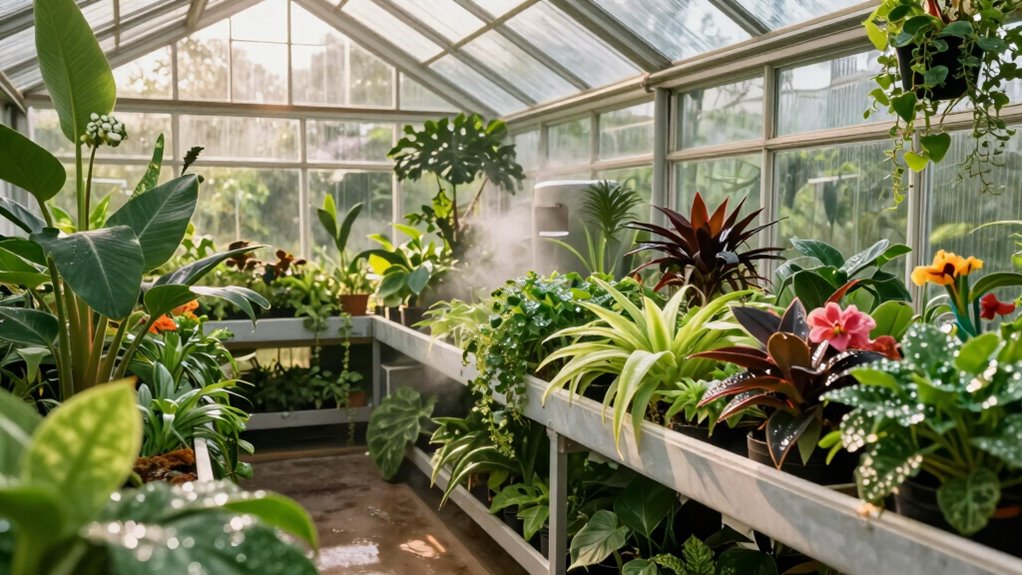
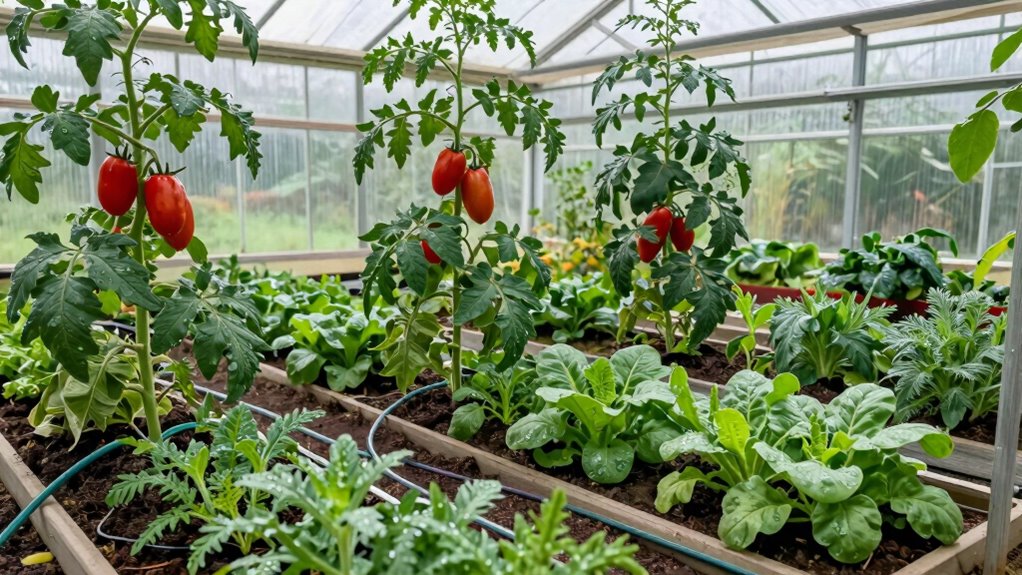
Starting a greenhouse habit can make gardening simpler and more enjoyable, especially if you’re looking for a controlled environment to grow your plants. With a greenhouse, you gain the advantage of creating ideal conditions for your plants, but setting it up properly is key to making your gardening experience truly easy. The foundation of successful greenhouse gardening starts with thorough soil preparation. You want to guarantee that your soil is rich, well-draining, and free of pests and diseases. Before planting, test your soil’s pH and nutrient levels, then amend it as needed. Adding compost or organic matter improves soil fertility and structure, giving your plants a healthy start. When your soil is prepared correctly, your plants will grow more vigorously, and you’ll spend less time fighting issues down the line.
Another essential part of making greenhouse gardening easier is establishing effective pest management. Pests can quickly become a problem in confined spaces, but a proactive approach keeps them in check without turning to harsh chemicals. Begin by inspecting your plants regularly for early signs of pests or disease, catching issues before they escalate. Keep your greenhouse clean and well-maintained, removing debris and dead plant material that can harbor pests. Introduce beneficial insects like ladybugs or predatory mites, which naturally control common pests. You can also use organic sprays or barriers if pests become a nuisance, but always aim to prevent infestations before they start. Proper pest management reduces stress on your plants and minimizes the need for interventions, making gardening feel less like a battle and more like a rewarding activity. Additionally, understanding the importance of soil health and how it influences plant growth can help you develop a more effective gardening routine. Maintaining healthy soil reduces disease and promotes stronger plant growth, further easing your gardening efforts. Developing a soil testing routine can help you stay on top of nutrient levels and pH adjustments, keeping your plants thriving. Incorporating soil amendments based on test results can further enhance your soil’s ability to support resilient, productive plants.
Combining meticulous soil preparation with a consistent pest management routine transforms your greenhouse into a manageable, productive space. When your soil is healthy and your pests are under control, your plants will thrive with less fuss. This means fewer worries about diseases or pests damaging your crops and less time spent troubleshooting problems. Instead, you’ll spend more time enjoying the process—watching your plants grow, harvesting fresh produce, and experimenting with new varieties. The beauty of adopting a greenhouse habit lies in how it simplifies your gardening routine and boosts your confidence. With a little effort upfront—preparing healthy soil and managing pests effectively—you set yourself up for a season of successful, stress-free growth. That’s the secret to making gardening feel surprisingly easy and incredibly satisfying.

Rapitest Soil Test Kit for Gardens, Vegetables, Flowers and Lawns. USA designed and assembled soil tester completely, quickly and accurately measures/analyzes soil pH acidity and garden nutrients.
- Quick at-home soil pH and nutrient testing: Measures pH, Nitrogen, Phosphorous, Potash
- Includes 20 tests with all components: 5 tests each for pH, N, P, K
- Suitable for multiple garden spots: Test various areas in yard or garden
As an affiliate, we earn on qualifying purchases.
As an affiliate, we earn on qualifying purchases.
Frequently Asked Questions
How Do I Maintain Optimal Humidity Levels in My Greenhouse?
To maintain ideal humidity levels, you should focus on humidity control through proper ventilation strategies. Regularly monitor humidity with a hygrometer and adjust ventilation—like opening vents or using exhaust fans—to prevent excessive moisture. Using shading or misting systems can also help regulate humidity. Consistently managing these factors guarantees your plants stay healthy, reducing the risk of mold and diseases, and creates the perfect environment for growth.
What Are Common Pests Unique to Greenhouse Environments?
In your greenhouse, pests like whiteflies, aphids, and spider mites lurk like tiny shadows, ready to strike. Pest identification is your first line of defense, shining a light on these intruders. Chemical control can act as your shield, but use it wisely—targeting pests without harming your plants or beneficial insects. Staying vigilant keeps your greenhouse thriving, turning it into a fortress of healthy, vibrant growth.
How Often Should I Water Plants Inside a Greenhouse?
You should water your greenhouse plants every 1 to 3 days, depending on their specific needs and the environmental conditions. Stick to a consistent watering schedule to guarantee proper plant hydration without overwatering. Check the soil moisture regularly by feeling the top inch; if it feels dry, it’s time to water. Proper watering helps promote healthy growth and prevents issues like root rot, making your greenhouse gardening more successful.
Can I Grow Year-Round in Any Climate?
You can grow year-round in a greenhouse, but climate adaptability is key. In areas with seasonal challenges like cold winters or extreme heat, you’ll need to adjust your greenhouse conditions—insulate, vent properly, and possibly add heating or cooling. With the right climate control, you create a stable environment that shields your plants from outside fluctuations, making year-round growth achievable regardless of your local climate.
What Are the Best Lighting Options for Greenhouse Plants?
You should opt for grow lights that mimic natural sunlight, like full-spectrum LED lights, to guarantee your plants get ideal light for healthy growth. Proper lighting supports plant nutrition by encouraging photosynthesis and helps prevent pests by keeping plants strong and vibrant. Adjust the light intensity and duration based on your plants’ needs, and maintain good airflow to reduce pest problems, making your greenhouse a thriving, healthy environment.
Conclusion
So, next time you step into your greenhouse, imagine yourself as a plant whisperer, gently coaxing your greens to thrive with minimal effort. Forget the chaos of outdoor gardening—the greenhouse is your secret lair of botanical bliss. With this habit, you’ll be the envy of every gardener, effortlessly turning your space into a lush, green wonderland. Who knew that growing could be so easy, and you, so effortlessly fabulous?
College move-in / dorm season Picks
dorm essentials
As an affiliate, we earn on qualifying purchases.