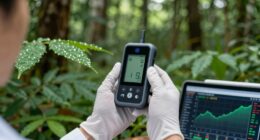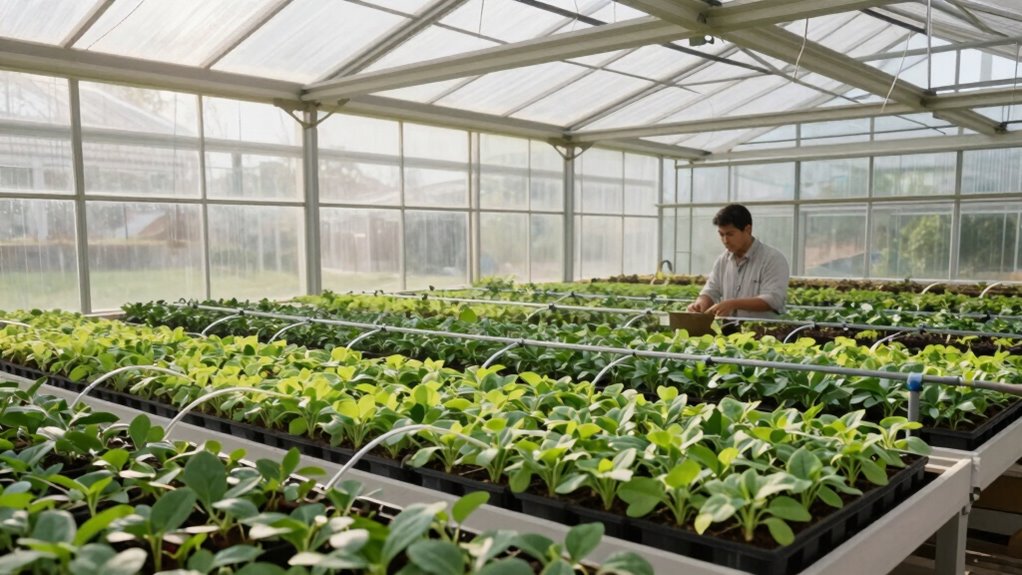

Before you build your greenhouse, plan your workflow carefully by establishing clear goals and designing a cohesive system that integrates automation seamlessly. Focus on creating an intuitive layout that streamlines tasks, minimizes manual effort, and allows for real-time feedback via sensors and controls. Think about future growth and tech upgrades to keep your setup flexible and scalable. Want to discover more ways to optimize your greenhouse from the start? Keep exploring to find out!
Key Takeaways
- Develop a comprehensive plan aligning automation, workflows, and goals to ensure seamless integration and operational efficiency.
- Map out the entire process from planting to harvesting to identify bottlenecks and automation opportunities.
- Prioritize user-friendly system design to enhance accessibility, reduce training, and minimize errors.
- Incorporate flexible, scalable solutions that allow adaptation to future technologies and growth.
- Ensure all systems communicate effectively through cohesive network design for real-time decision-making.

Before you start building your greenhouse workflow, it’s essential to have a clear plan in place. This planning phase sets the foundation for a smooth operation and ensures that every process aligns with your goals. One of the most important aspects to consider is how automation integration can streamline your tasks. Automation helps reduce manual effort, minimizes errors, and increases efficiency, but it’s crucial to choose systems that work well together. When you integrate automation thoughtfully, your workflow becomes more consistent, predictable, and scalable. Think about how different tools—climate control systems, watering schedules, data logging—interact seamlessly. Avoid piecemeal solutions that don’t communicate, as this can lead to frustration and inefficiencies down the line. Instead, focus on building a cohesive network where automation enhances real-time decision-making.
Plan your automation carefully for a seamless, efficient, and scalable greenhouse workflow.
As you design your workflow, consider the user experience. It’s easy to get caught up in the technical details but remember that your system should be intuitive and accessible. A well-designed user experience ensures that you can operate and troubleshoot your greenhouse with confidence. Simplify interfaces and provide clear instructions so that you or anyone else working in the greenhouse can easily understand the system. This minimizes training time and reduces the likelihood of mistakes. When planning for user experience, think about how you’ll monitor different processes, access data, and make adjustments. The more straightforward and user-friendly your system, the more likely you are to maintain productivity and avoid frustration. Additionally, understanding how automation systems communicate with each other and integrate seamlessly is crucial for a successful setup. Having a comprehensive workflow mapping process helps you visualize the entire operation, making it easier to identify potential bottlenecks or redundancies before they become problems. By visualizing each step—from planting to harvesting—you can identify points where automation integration could save time and effort. For example, automating environmental controls and integrating sensors can provide real-time feedback, allowing you to make quick adjustments. It’s also helpful to consider how alerts and notifications are delivered; they should be timely and clear, enabling you to act swiftly when needed. Incorporating industry standards into your planning can further ensure compatibility and future-proof your setup. Furthermore, taking the time to research and understand emerging technologies can give you an edge in optimizing your greenhouse operations. As you plan, keep in mind that your greenhouse system isn’t static. Building flexibility into your workflow allows you to adapt as your operation grows or as new technology becomes available.
Ultimately, thinking carefully about your greenhouse workflow before you build ensures a more efficient, user-friendly, and scalable operation. Prioritize automation integration that enhances your processes and focus on creating a user experience that makes managing your greenhouse intuitive and straightforward. When you approach this with clarity and purpose, you’ll set yourself up for success, making your greenhouse a productive and enjoyable space to work in.
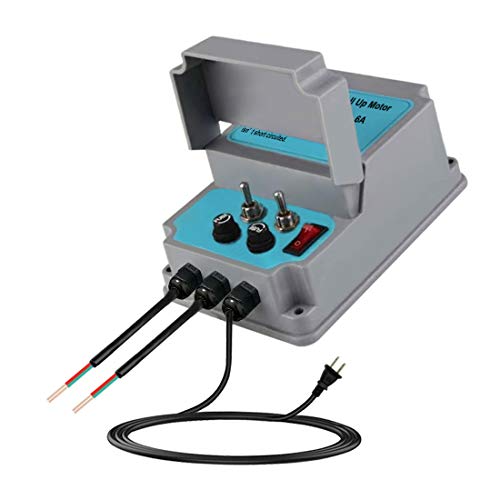
UYGALAXY Greenhouse Roll Up Motor Controller for Venting with AC110V to DC24V Transformer 3 Position Controller (Forward Reverse Control 2 Motors)
[ For Motors ] Perfect for driving 1~2 packs roll up motors (≤ 130W) at the same time.
As an affiliate, we earn on qualifying purchases.
As an affiliate, we earn on qualifying purchases.
Frequently Asked Questions
How Do I Prioritize Workflow Features for Different Team Sizes?
To prioritize workflow features for different team sizes, focus on team collaboration needs and how easily you can tailor features. Smaller teams may need simplified workflows and quick integrations, while larger teams benefit from advanced customization options to handle complex processes. Assess each team’s specific collaboration challenges, then implement flexible features that scale. This approach guarantees your workflow adapts effectively, boosting productivity and communication across all team sizes.
What Common Mistakes Should I Avoid in Greenhouse Workflow Planning?
Don’t fall into the trap of ignoring automation pitfalls or underestimating training challenges. Overlooking automation can turn your workflow into a chaotic mess, while skipping proper training turns onboarding into a nightmare. Avoid designing overly complex systems that confuse your team, and don’t assume everyone will figure things out on their own. Clear, scalable workflows, coupled with thorough training, keep your recruitment process smooth and efficient—so don’t overlook these common mistakes!
How Can I Integrate Existing Tools With New Greenhouse Workflows?
To integrate existing tools with new Greenhouse workflows, focus on seamless tool integration by choosing platforms that support open APIs and compatible data formats. Customize workflows to fit your current processes, ensuring that tools like ATS, HRIS, or assessment platforms communicate effectively. Test integrations thoroughly before full deployment, and maintain ongoing updates for smooth workflow customization, reducing manual efforts and improving overall efficiency.
What Are the Best Metrics to Track Workflow Efficiency?
To gauge your workflow efficiency, focus on key automation metrics that reveal how seamlessly tasks flow and identify areas for improvement. Bottleneck analysis helps you spot slow points that hinder progress, allowing you to optimize processes. Regularly tracking these metrics offers insight into overall productivity, ensuring your workflow runs smoothly. Embracing this approach keeps your hiring process agile, efficient, and ready to adapt to evolving needs.
How Do I Ensure User Adoption of the New System?
You guarantee user adoption by focusing on effective user onboarding and strong change management. Start by providing thorough training and clear communication to help users understand the system’s benefits. Engage stakeholders early, listen to their feedback, and address concerns promptly. Regularly monitor usage, offer ongoing support, and celebrate quick wins to build confidence. These steps foster buy-in, making users more comfortable and willing to embrace the new Greenhouse workflow.
greenhouse watering automation kit
As an affiliate, we earn on qualifying purchases.
As an affiliate, we earn on qualifying purchases.
Conclusion
Before you build, think through your greenhouse workflow—plan your layout, streamline your processes, and anticipate future needs. Visualize your daily tasks, organize your space efficiently, and prioritize automation where possible. By doing so, you’ll create a system that’s easy to manage, adaptable, and productive. Remember, a well-thought-out workflow isn’t just about building a greenhouse; it’s about building a sustainable, successful environment where your plants thrive and your efforts pay off.
sensor-based greenhouse monitoring system
As an affiliate, we earn on qualifying purchases.
As an affiliate, we earn on qualifying purchases.
scalable greenhouse automation tools
As an affiliate, we earn on qualifying purchases.
As an affiliate, we earn on qualifying purchases.