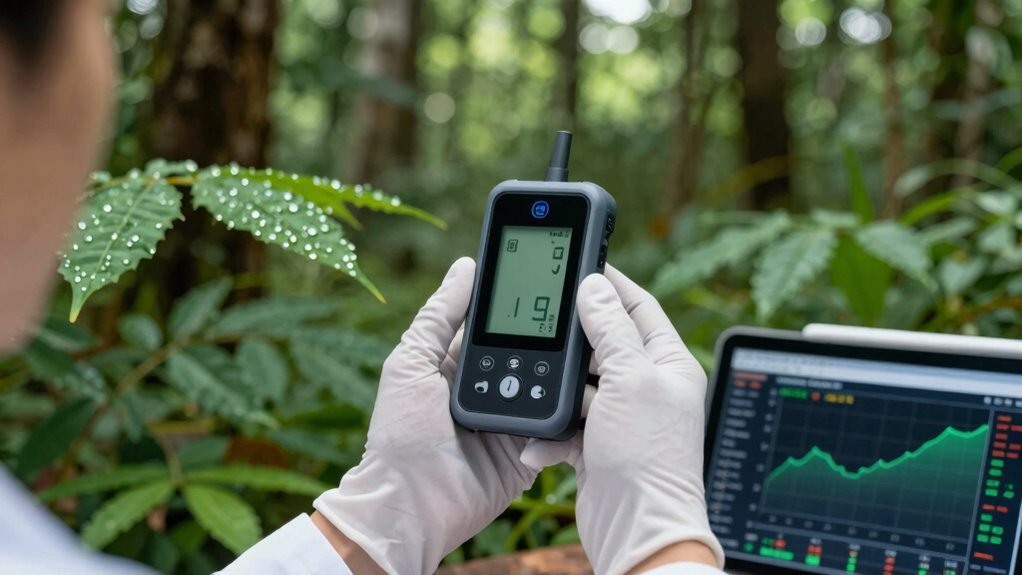

Including environmental monitoring during the setup phase helps you gather accurate data from the start, ensuring your system operates under ideal conditions. You’ll prevent issues by establishing a reliable baseline and make informed decisions early on. Proper sensor calibration guarantees precise measurements, boosting system reliability. Data integration streamlines analysis and simplifies compliance, saving you time and reducing errors. Starting with a solid monitoring foundation sets the stage for ongoing success—exploring further reveals how to optimize this process effectively.
Key Takeaways
- Establishes accurate baseline data critical for informed decision-making and effective environmental management from the start.
- Ensures sensor calibration for precise measurements, preventing unreliable data during ongoing operations.
- Facilitates seamless data integration, enabling real-time monitoring and quick detection of anomalies early on.
- Streamlines system setup by ensuring compatibility, reducing manual errors, and saving time in data collection.
- Builds a reliable foundation for regulatory compliance, environmental sustainability, and long-term system efficiency.
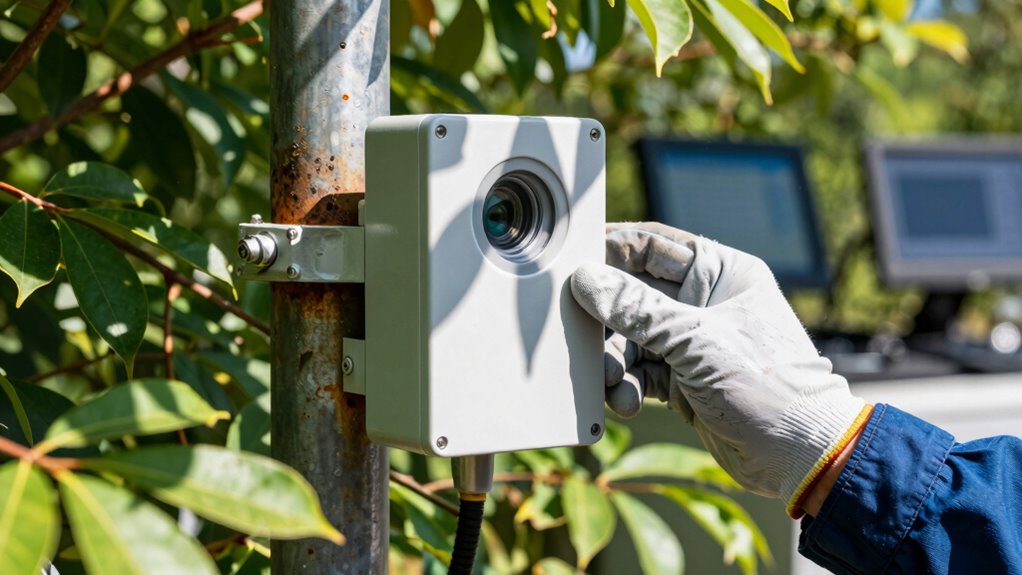
During the setup phase of any project, environmental monitoring plays an essential role in guaranteeing ideal conditions and preventing issues down the line. When you’re establishing new systems or preparing a site, accurate data collection becomes necessary. This is where sensor calibration comes into play. Proper calibration assures that your sensors provide precise measurements, which is critical for making informed decisions. If sensors aren’t calibrated correctly, you risk collecting unreliable data, leading to mistaken assumptions about environmental conditions. By taking the time to calibrate sensors early, you set a solid foundation for ongoing monitoring and troubleshooting. Additionally, understanding the importance of data integrity during setup ensures that your environmental data remains trustworthy and actionable. Data integration is another key element during setup. As you deploy multiple sensors, you need a system that consolidates all data streams into a single, coherent platform. This integration allows you to view environmental parameters—such as temperature, humidity, and air quality—in real time. With seamless data integration, you can identify patterns or anomalies quickly, enabling you to address potential problems before they escalate. It also simplifies compliance reporting and documentation, which are often required in regulated industries. Monitoring during setup isn’t just about collecting data; it’s about establishing reliable processes. When you perform sensor calibration, you make sure that the data you gather is accurate from the start. This step minimizes errors that could otherwise skew your analysis or lead to costly adjustments later. Additionally, integrating data from various sensors helps create a thorough picture of environmental conditions, giving you a better understanding of the baseline environment. This baseline is essential for setting acceptable thresholds and for later comparisons as the project progresses. You also need to take into account the technical aspects of data integration, such as compatibility between sensors and data management systems. Making sure that all devices communicate effectively means less manual data entry and reduced risk of errors. It streamlines your workflow, saves time, and increases overall reliability. When setup is done correctly, sensor calibration and data integration work hand-in-hand to create a robust monitoring system. This system provides consistent, accurate data necessary for maintaining ideal environmental conditions and meeting regulatory standards. Proper sensor calibration and data management practices from the outset lay the groundwork for sustainable and biodiversity-conscious project development. Additionally, implementing automated calibration processes can further enhance accuracy and efficiency in your monitoring system.

Atlas Scientific pH Kit 0-14 pH
- Includes Embedded pH Circuit: 1 EZO-pH embedded circuit
- Lab Grade pH Probe: Double junction silver/silver chloride probe
- Calibration Solutions: Six 20ml pH calibration pouches
As an affiliate, we earn on qualifying purchases.
As an affiliate, we earn on qualifying purchases.
Frequently Asked Questions
How Often Should Environmental Monitoring Data Be Reviewed During Setup?
You should review environmental monitoring data daily during setup to guarantee data accuracy and detect any issues early. Regular reviews help verify that equipment calibration remains precise and that environmental conditions stay within acceptable limits. By consistently checking the data, you can promptly address deviations, maintain quality, and ensure the setup process adheres to regulatory standards, ultimately safeguarding the integrity of your operations and products.
What Are the Main Challenges in Implementing Monitoring Systems Early?
You face main challenges like ensuring remote sensors are properly calibrated and integrated early on, which affects data accuracy. Deploying these sensors during setup demands careful planning, as incorrect placement or technical issues can lead to unreliable data. Additionally, managing data flow and security from remote sensors requires robust systems, making early implementation complex but essential to identify potential environmental issues before operations begin.
Can Environmental Monitoring Influence Project Timelines Significantly?
Environmental monitoring can notably influence project timelines because maintaining proper monitoring frequency guarantees timely data collection, preventing delays caused by unforeseen environmental issues. Accurate data helps you make informed decisions quickly, avoiding costly mistakes or rework. When you incorporate monitoring early, you identify potential problems early, allowing adjustments that keep your project on schedule. Focusing on data accuracy and appropriate monitoring frequency streamlines processes, ultimately saving time and resources.
What Training Is Necessary for Staff to Manage Monitoring Equipment?
You need extensive staff training to effectively manage monitoring equipment. This includes instruction in proper equipment calibration, ensuring accurate readings, and troubleshooting common issues. Without this knowledge, data may be unreliable, risking project integrity. As you prepare, consider hands-on sessions and periodic refreshers. Mastering these skills early on can make the difference between smooth operations and costly errors, keeping your environmental monitoring on track from the very start.
How Does Early Monitoring Impact Long-Term Environmental Compliance?
Early monitoring helps you identify potential environmental issues before they escalate, supporting sustainable practices and reducing long-term costs. By catching problems early, you can implement corrective actions promptly, which enhances long-term compliance. This proactive approach minimizes risks, guarantees your operations adhere to regulations, and demonstrates your commitment to environmental stewardship. In the long run, early monitoring fosters a culture of responsibility and continuous improvement, safeguarding both the environment and your organization’s reputation.
Conclusion
Think of environmental monitoring during setup like planting a garden: you don’t just toss seeds and hope for the best. Instead, you check the soil, water levels, and sunlight to guarantee healthy growth. Skipping this step is like ignoring the soil’s needs—your project risks failure from the start. By monitoring early, you catch issues before they grow, saving time, money, and frustration. Start right, and your project will flourish just like a well-tended garden.