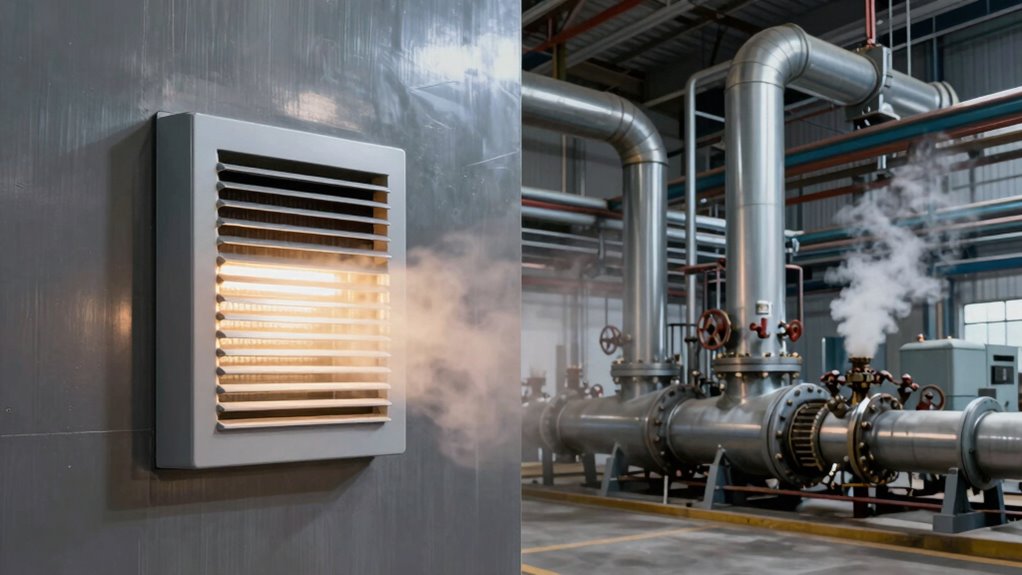

Heating plants generate heat centrally using boilers, distributing it via water or steam, making them more energy-efficient and better suited for large spaces. In contrast, heating air involves directly warming the air in each room, which often results in higher energy losses during distribution. While heating plants require more complex installation, they offer precise control and sustainability benefits. To discover how each system might fit your needs, you’ll find more detailed information below.

Get garden gear delivered free — and shop member deals
- Fast, free delivery on millions of items
- Access to Prime Big Deal Days deals on October 6–7
- Prime Video, Amazon Music and more included
Key Takeaways
- Heating plants generate and distribute heat centrally via water or steam, while heating air directly heats individual spaces.
- Heating plants typically have higher installation costs but offer better control and efficiency.
- Heating air systems are simpler to install and involve less infrastructure but may have higher distribution losses.
- Heating plants are more energy-efficient and compatible with renewable energy sources, enhancing sustainability.
- Proper maintenance and insulation are vital for both systems to maximize efficiency and reduce energy loss.
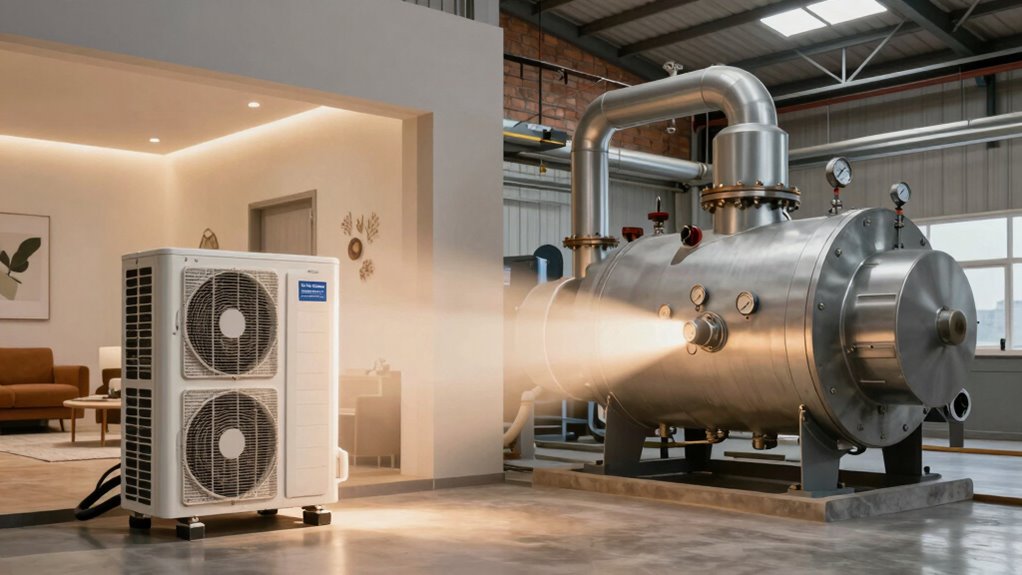
On the other hand, heating plants, such as boilers or centralized heating systems, generate heat in a dedicated location and distribute it through water, steam, or other mediums. This approach can be more energy-efficient, especially if the system is well-designed and properly maintained. Because heat is transferred through water or steam, these systems tend to lose less energy during distribution, especially if they’re insulated properly. While the installation costs for heating plants are generally higher—due to the complexity of the system and the need for extensive piping or infrastructure—they often pay off in the long run through reduced energy consumption. Plus, they can offer more precise control and better compatibility with renewable energy sources, making them a more sustainable choice. Investing in efficient system design and regular maintenance can further enhance the long-term benefits of heating plants.
As an affiliate, we earn on qualifying purchases.
Frequently Asked Questions
What Are the Environmental Impacts of Each Heating Method?
Heating air using renewable energy sources reduces emissions and minimizes environmental impacts, making it a greener choice. Heating plants that rely on fossil fuels, however, tend to produce higher emissions, contributing to air pollution and climate change. By choosing renewable energy for heating, you support emission reduction efforts and help protect the environment. Moving to sustainable options benefits both the planet and your local air quality.
Which System Is More Cost-Effective Long-Term?
You’ll find that heating plants generally win the cost comparison in the long run, thanks to their higher efficiency ratings. They’re like a well-oiled machine, saving you money as they operate smoothly over time. Heating air systems might seem cheaper upfront, but they often burn through energy faster, costing more in the long haul. So, investing in a heating plant can be a wise choice for sustained savings.
How Do Maintenance Requirements Differ?
You’ll find that maintenance frequency varies between these systems, with heating plants typically requiring less frequent but more intensive upkeep due to their complex components. Heating air units demand regular checks for filters and ductwork, but their components are generally more durable with proper care. Overall, heating plants need scheduled inspections to ensure longevity, while heating air systems benefit from routine upkeep to avoid wear and tear.
Can These Systems Be Integrated?
Think of integrating heating air systems and heating plants as fitting puzzle pieces together—they can be compatible with the right setup. While system compatibility exists, installation complexity varies. You’ll need expert guidance to guarantee seamless integration, avoiding potential inefficiencies or malfunctions. With proper planning, these systems can work in harmony, delivering efficient heating. Just be prepared for a detailed installation process that might require specialized tools and knowledge to get everything working smoothly.
What Are the Safety Considerations?
You should prioritize safety protocols and emergency procedures when working with heating systems. Always wear protective gear and guarantee proper ventilation. Regularly inspect equipment for leaks or faults, and keep fire extinguishers nearby. Understand emergency shutdown procedures, and train staff accordingly. By following these safety measures, you reduce risks of accidents, carbon monoxide exposure, or fires, keeping everyone safe during operation and maintenance.
Conclusion
In the grand dance of warmth, heating air is like a gentle breeze that whispers comfort directly into your space, quick and fleeting. Heating plants, on the other hand, act as the sturdy roots beneath, nourishing your entire home from within. Both serve their purpose, but understanding their roles is like knowing whether you seek a fleeting flame or a steady, glowing ember—each shaping your comfort with a different kind of power.
Fall Picks
fall essentials
As an affiliate, we earn on qualifying purchases.