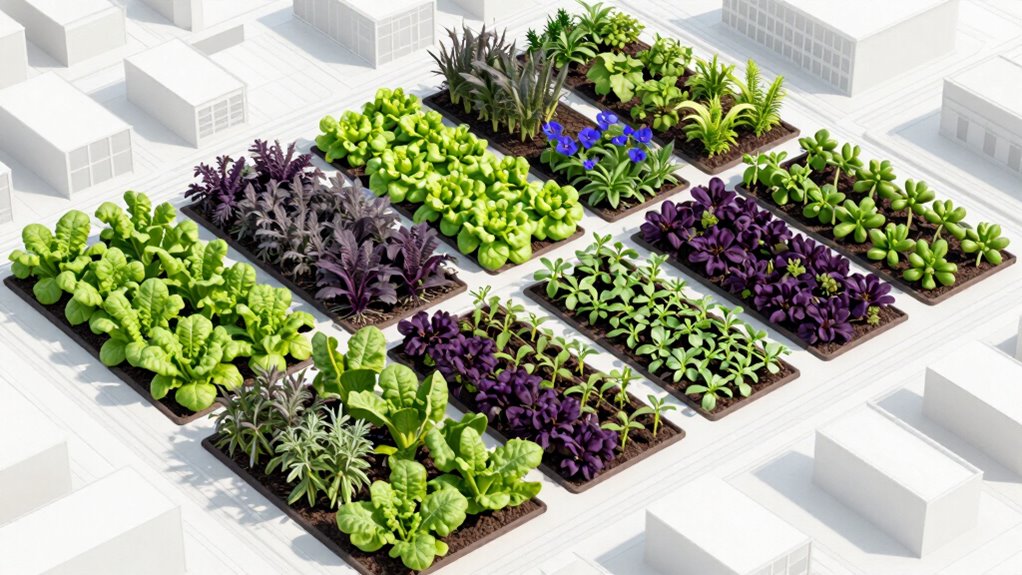
A well-designed planning map helps you maximize space by visualizing plant arrangements, incorporating vertical gardening, and grouping compatible plants. It guides you to position taller crops to prevent shading, use trellises or stacked containers to grow upward, and plan for water access and sunlight. Regular updates keep your garden adaptable and healthy. Keep exploring, and you’ll discover how to create an efficient, productive garden that makes the most of every square inch.
Listen free for 30 days with Audible
Thousands of audiobooks and originals — cancel anytime.
As an affiliate, we earn on qualifying purchases.
Key Takeaways
- Visualize plant arrangements to maximize space efficiency and optimize sunlight, water access, and growth habits.
- Incorporate vertical gardening strategies like trellises and stacked containers to grow upward and save ground space.
- Use companion planting on the map to enhance growth, deter pests, and improve land use.
- Plan for proper plant spacing and height to prevent shading and promote healthy yields.
- Update maps regularly to adapt crop rotation, soil health, and seasonal vertical structures for continuous productivity.
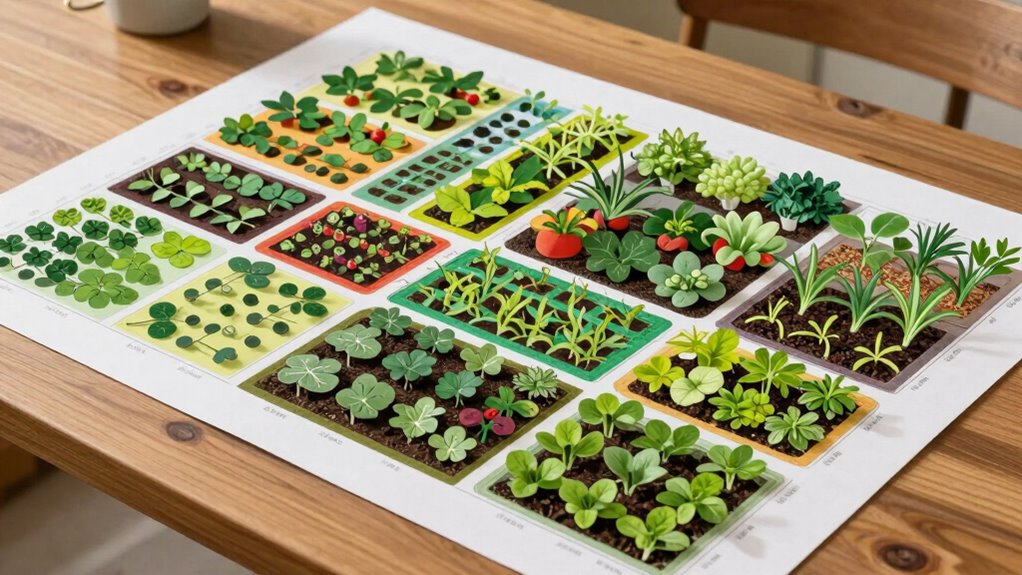
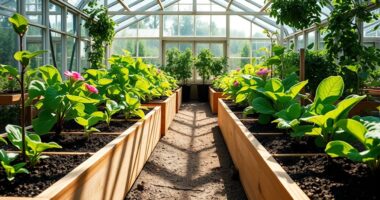
If you’re looking to maximize your gardening or farming space, a well-designed planning map can be your best tool. It helps you visualize how your plants will fit together, guaranteeing you make the most of every inch. One effective strategy is incorporating vertical gardening into your plan. Instead of spreading out across limited ground space, you can grow plants upward using trellises, wall-mounted planters, or stacked containers. Vertical gardening not only saves space but also improves air circulation and reduces disease risks. As you map out your garden, consider which plants will benefit from being grown vertically and how they can complement other crops. For instance, climbing beans or cucumbers can occupy vertical space while leaving ground space free for root vegetables or herbs.
Maximize space with vertical gardening—use trellises, planters, and stacked containers to grow upward and free ground space.
Another key aspect to include in your planning map is companion planting. This technique involves pairing plants that support each other’s growth, repel pests, or improve flavor. When you plan your layout, think about which plants naturally work well together. For example, tomatoes thrive alongside basil, which can help deter pests, while marigolds repel nematodes and other soil-borne pests. By visualizing these pairings on your map, you reduce guesswork and create a thriving, mutually supportive ecosystem. You also optimize land use by planting compatible crops side by side, avoiding unnecessary gaps or wasted space.
Your planning map should also account for sunlight, water access, and growth habits. Position taller plants or those with expansive foliage where they won’t shade smaller or sun-sensitive plants. Use vertical gardening structures to elevate certain crops, freeing up ground space for low-growing plants. Proper spacing is vital, so your map should include measurements and labels to prevent overcrowding, which can lead to disease and poor yields. Additionally, group plants with similar watering needs together, simplifying irrigation and reducing waste.
As you develop your map, think about crop rotation and succession planting. This guarantees your soil stays healthy and your garden produces continuously. Map out where you’ll plant different crops each season, and plan your vertical gardening structures accordingly so they can be moved or adjusted. Incorporating sustainable gardening practices into your planning can further enhance soil health and biodiversity. Regularly updating your map based on soil health and plant performance will help you adapt and improve your garden over time. A thorough understanding of plant growth habits can assist in designing a more efficient layout that maximizes yield and minimizes space. Additionally, considering companion planting strategies can further optimize your garden’s ecosystem. The more detailed your planning, the easier it will be to adapt your garden over time, increasing productivity without expanding your land.
Ultimately, a well-thought-out planning map helps you grow more in less space by integrating vertical gardening, companion planting, and strategic layout. It turns a small patch into a productive, sustainable oasis, giving you the confidence to optimize every inch and enjoy a bountiful harvest.
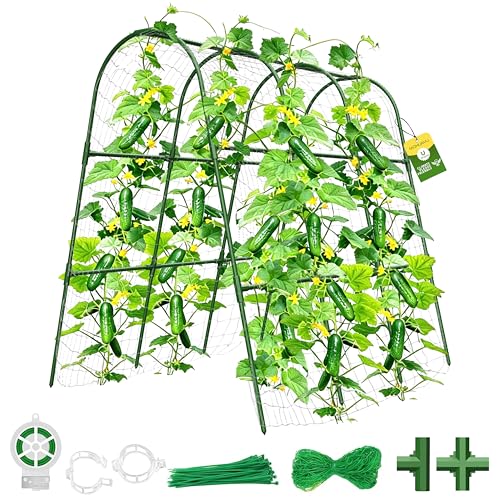
MQHUAYU Cucumber Trellis for Raised Bed,U-Shape Garden Trellis for Climbing Plants Outdoor, Metal Arch Vegetables Trellis, Plant Support for Vine (Green, 47.2×47.2 X21.6)
- Stable U-Shape Design: Provides enhanced stability for climbing plants
- Rustproof Stainless Steel: Coated for corrosion resistance and plant protection
- Easy Assembly: Simple to install and adjust height and length
As an affiliate, we earn on qualifying purchases.
As an affiliate, we earn on qualifying purchases.
Frequently Asked Questions
Can the Planning Map Be Customized for Different Crops?
Yes, you can customize the planning map for different crops. By incorporating crop rotation principles, you guarantee each plant’s needs are met while maintaining soil health. Conduct soil analysis regularly to understand nutrient levels and adjust your map accordingly. This way, you optimize space and yield, tailoring the layout to suit specific crops and their growth cycles, making your garden more efficient and productive.
How Often Should I Update the Planning Map?
You should update your planning map regularly, ideally each season or after major changes. This helps you optimize crop rotation, reducing soil depletion and breaking pest cycles. Frequent updates allow you to adapt to new pest management strategies and weather conditions, ensuring your garden’s health and productivity. By staying current, you keep your planting schedule efficient and pests under control, maximizing your harvest in limited space.
Is the Map Suitable for Indoor Gardening?
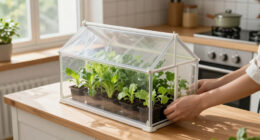
Absolutely, this map is perfect for indoor gardening, helping you make the most of your space. You’ll find it easy to optimize your space while considering indoor light conditions, ensuring your plants thrive. It guides you on efficient placement and growth strategies, so you can enjoy a lush indoor garden without feeling overwhelmed. With this planning tool, indoor gardening becomes more manageable and rewarding, even in limited spaces.
What Tools Are Needed to Create a Planning Map?
To create a planning map, you need basic tools like graph paper or a digital app, a ruler, and a pencil. Start by selecting the right seeds for your space and climate, then prepare your soil properly. Map out your garden layout, considering sunlight, plant size, and growth habits. These tools and steps help you visualize your garden, ensuring efficient space use and healthy plant growth.
How Does the Map Account for Seasonal Changes?
Your planning map accounts for seasonal changes by incorporating seasonal adjustments and climate considerations, helping you plan planting and harvesting times effectively. You’ll see zones designated for different seasons, guiding you on when to plant each crop. Climate considerations, like frost dates or rainfall patterns, are factored in, ensuring your garden adapts to seasonal shifts. This way, you optimize growth and yield throughout the year, regardless of seasonal fluctuations.
Conclusion
Now that you have this powerful planning map, imagine what you could achieve—more crops, healthier plants, and a thriving garden—all in less space. But here’s the secret: the real magic begins when you put these strategies into action. Are you ready to open your garden’s full potential? The next step could change everything. Don’t wait—your lush, abundant garden is just a plan away. Are you prepared to grow beyond your limits?
Grilling season Picks
grills
As an affiliate, we earn on qualifying purchases.