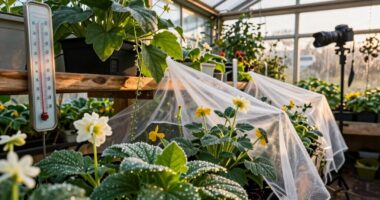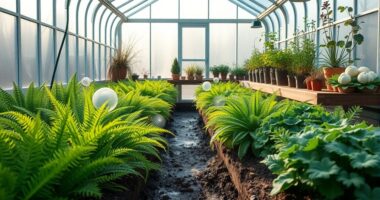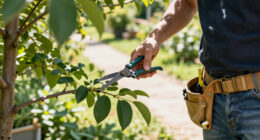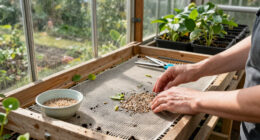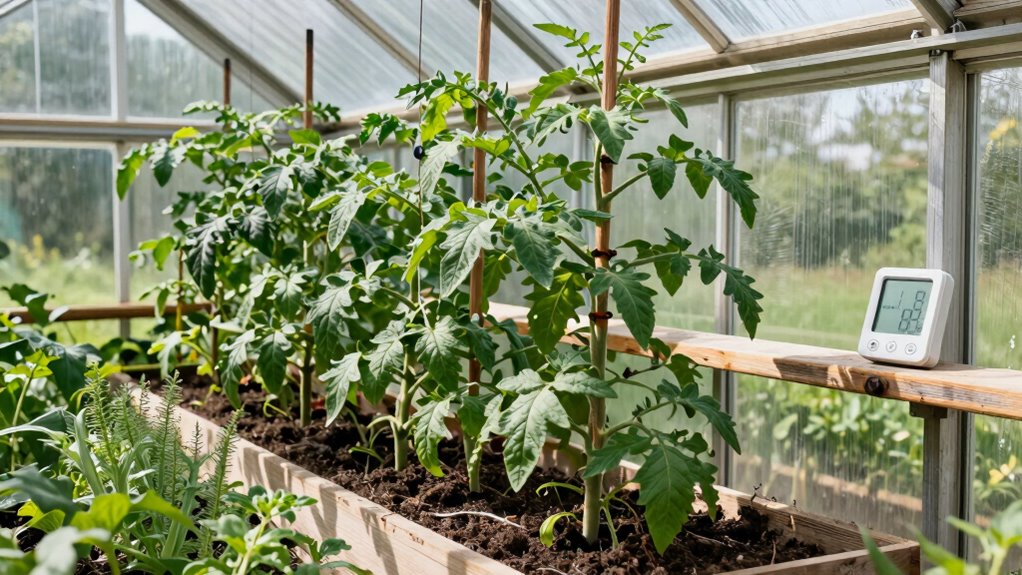

During shoulder seasons, you need to prioritize effective shading, ventilation, and climate control to keep your greenhouse stable. Use shade cloths or retractable shades to manage sunlight and prevent overheating, while adjusting vents and fans to balance moisture and temperature. Automated systems can help respond swiftly to changing weather, ensuring healthy plant growth. Mastering these features allows you to create the ideal environment, and you’ll find more tips to perfect your setup as you explore further.

Get garden gear delivered free with Prime
- Fast, free delivery on millions of items
- Prime Video, Amazon Music and more included
- Member-only deals all year
Key Takeaways
- Effective shading solutions to manage fluctuating sunlight and prevent overheating during variable weather.
- Adjustable ventilation systems to balance humidity and temperature amid changing outdoor conditions.
- Climate control automation to optimize environmental stability with minimal manual intervention.
- Microclimate control features to maintain consistent conditions during seasonal transitions.
- Responsive environmental adjustments to prevent stress from temperature swings and ensure healthy plant growth.
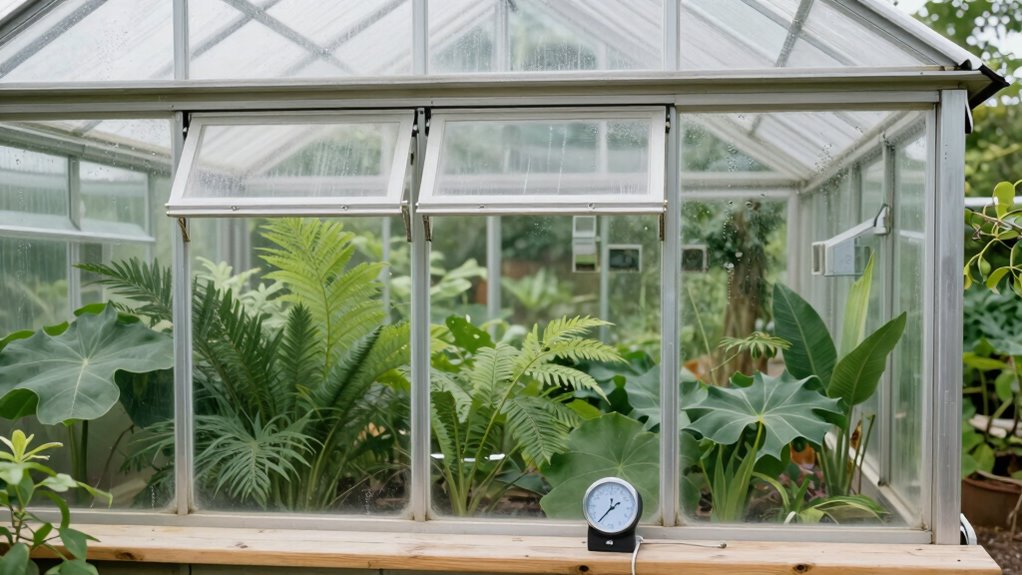
As daylight hours increase or decrease, sunlight intensity can vary dramatically, sometimes leading to heat stress or insufficient light for your plants. Installing shading materials, like shade cloths or retractable shades, gives you control over how much sunlight enters the greenhouse. When the sun is especially strong, these solutions prevent overheating and protect delicate plants from sunburn. Conversely, during overcast days or early mornings, removing or retracting shades allows maximum light penetration, encouraging healthy growth. This adaptability is essential for maintaining a consistent microclimate that supports your plants’ needs throughout the changing seasons. This flexibility helps you fine-tune the microclimate, ensuring your plants get just the right amount of light without extreme temperature swings. Proper ventilation strategies also help in balancing moisture levels, which can become problematic as the weather swings between damp and dry. Additionally, incorporating climate control systems can further optimize environmental conditions and reduce manual adjustments. Regular monitoring of environmental conditions ensures that adjustments are timely and effective. Together, ventilation strategies and shading solutions form the backbone of your greenhouse management during shoulder seasons. Ventilation keeps the air fresh and temperatures stable, while shading manages light and heat levels. Both features require regular monitoring and adjustments to respond to weather changes quickly. For example, on a windy day with sudden warm gusts, you might need to open vents or adjust shades to prevent overheating. On cooler days, closing vents or adding additional shading can help retain warmth. Additionally, integrating automatic shading systems can streamline these adjustments, making it easier to respond promptly to changing conditions. The goal is to create a dynamic environment that adapts fluidly to outdoor conditions, minimizing stress on your plants.
As an affiliate, we earn on qualifying purchases.
Frequently Asked Questions
How Do Greenhouse Features Impact Plant Growth in Shoulder Seasons?
Greenhouse features greatly impact plant growth in shoulder seasons by enabling climate adjustment and optimizing light. You can control temperature and humidity, creating a stable environment that supports healthy growth despite external weather shifts. Additionally, light optimization ensures plants receive sufficient sunlight, even on cloudy days. These features help prevent stress and promote robust development, making it easier for your plants to thrive during unpredictable shoulder seasons.
What Maintenance Is Required for Greenhouse Features During Transitional Weather?
Think of your greenhouse as a living organism, needing careful tending during changing weather. Regularly check and clean ventilation systems to guarantee airflow isn’t blocked, preventing overheating or humidity buildup. Adjust shading solutions to protect plants from sudden temperature swings and intense sunlight. Keep an eye on seals and vents, sealing leaks promptly. These simple maintenance steps help your greenhouse adapt smoothly, safeguarding your plants through unpredictable shoulder season changes.
Can Specific Greenhouse Features Extend the Growing Season Effectively?
Yes, specific greenhouse features can effectively extend your growing season. For example, installing proper insulation and supplemental heating allows for season extension during colder months. Adjustable venting and shading systems help regulate temperature and light, supporting a wider crop variety. These features create a stable environment, giving you more control over growing conditions and allowing you to cultivate a broader range of plants year-round, even during shoulder seasons.
How Do Insulation Options Vary for Different Greenhouse Structures?
Insulation options vary widely for different greenhouse structures, acting like a tailored suit for your plants. You might choose foam board or bubble wrap for DIY setups, utilizing insulation techniques that maximize heat retention. For more durable solutions, panel materials like polycarbonate or glass offer excellent insulation, while double-pane or insulated glass panels provide superior thermal performance. Your choice depends on your climate, budget, and the level of insulation needed.
Are There Cost-Effective Features Suitable for Shoulder Season Gardening?
Yes, you can implement cost-effective upgrades like adding thermal curtains or insulating panels to retain heat during shoulder seasons. Seasonal planting strategies, such as choosing hardy crops or extending growing periods with cold frames, also help. These features don’t require big investments but can substantially improve your greenhouse’s ability to sustain plants through cooler months, making your gardening more efficient and affordable during shoulder seasons.
Conclusion
As you navigate the delicate balance of shoulder seasons, remember that the right greenhouse features act like a steady compass guiding your plants through unpredictable weather. With thoughtful insulation, adaptable ventilation, and strategic shading, you create a sanctuary where growth persists despite the shifting tides of temperature. Think of it as tending a lighthouse—your greenhouse becomes a beacon of resilience, illuminating a path for your plants to thrive, no matter what the seasons bring.
Columbus Day / Indigenous Peoples' Day Picks
long weekend sales
As an affiliate, we earn on qualifying purchases.