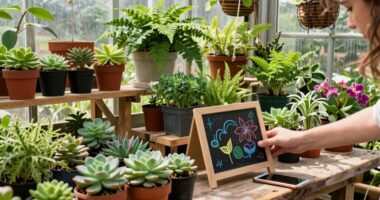
To make your greenhouse more shareable, you can incorporate automation tools like watering systems, climate control devices, and timers for grow lights to reduce manual work and guarantee consistent care. Labeling plants and using tracking apps helps organize everything, while regular system checks prevent issues. These setups improve collaboration and efficiency, making plant management smoother. Keep exploring—more tips await to help you create a truly shared and well-maintained greenhouse environment.
Open a free Amazon Business account
Business pricing, bulk buying and tax-exempt orders.
As an affiliate, we earn on qualifying purchases.
Key Takeaways
- Implement automated watering systems to ensure consistent moisture and reduce individual maintenance efforts.
- Use climate control tools to maintain stable temperature and humidity for optimal plant health.
- Incorporate labeling and digital tracking to organize plants and facilitate shared management.
- Utilize automation technology and monitoring for precise environmental adjustments and data-driven decisions.
- Establish regular communication and maintenance routines to ensure system functionality and collaborative oversight.
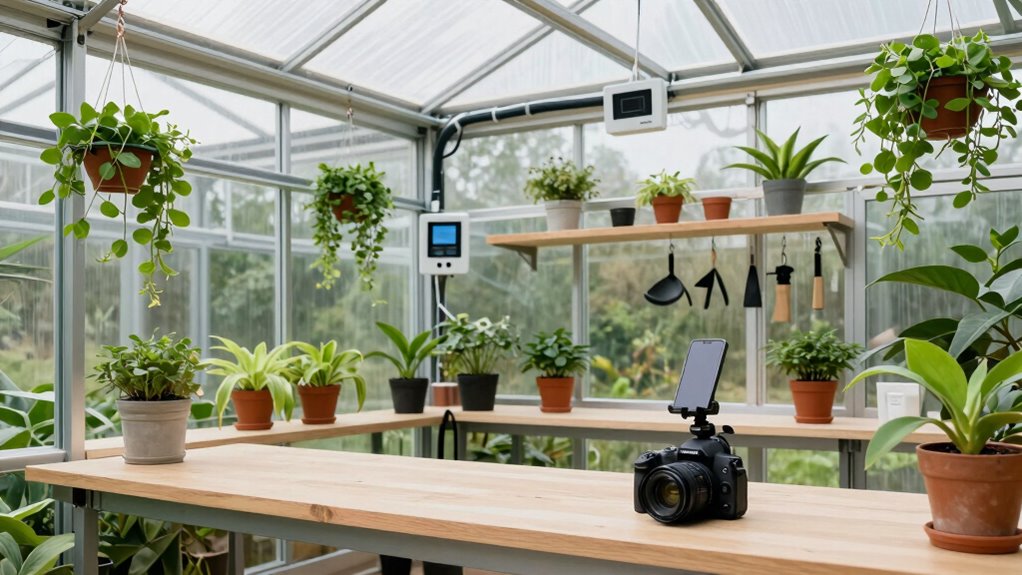
Sharing a greenhouse can be a practical and rewarding way to grow plants, but it requires the right tools and setup to guarantee everything runs smoothly. One of the most important elements is an automated watering system. When multiple people share a space, keeping plants properly irrigated without constant manual effort is essential. Automated watering helps you provide consistent moisture levels, reducing the risk of overwatering or underwatering. Drip irrigation kits or timed sprinkler systems are easy to install and can be programmed to deliver water at specific intervals. This way, each gardener’s plants receive the right amount of water, even if they’re not physically present in the greenhouse at all times. It also minimizes water waste and ensures plants stay healthy, regardless of individual schedules.
Automated watering systems ensure consistent, efficient plant care for shared greenhouses, reducing manual effort and water waste.
Climate control is another critical tool that makes sharing a greenhouse more manageable. Maintaining a stable environment benefits everyone involved and keeps plants thriving. Installing a reliable climate control system—such as thermostats, fans, and vent openers—allows you to regulate temperature and humidity levels efficiently. Automated climate control systems can be programmed to respond to sensor data, adjusting airflow and heating or cooling devices automatically. This not only saves time but also creates a consistent growing environment, which is especially useful when multiple growers have different routines. With precise climate management, you prevent issues like overheating, cold stress, or excessive humidity, all of which can lead to plant diseases or poor growth. Incorporating automation technology into your greenhouse setup can significantly enhance shared management and plant health. To optimize this, understanding climate monitoring can help you fine-tune your systems for better results. Additionally, data-driven decisions based on monitoring can further improve the efficiency and health of your greenhouse environment.
Additionally, having clear organization tools helps facilitate sharing. Labeling plants and sections with durable tags or using digital tracking apps makes it easier for everyone to know what’s what. Proper lighting setups, like grow lights with timers, ensure plants get enough light, especially during darker months or in shared spaces with limited natural sunlight. When combined with automated watering and climate control, these tools create a self-sufficient environment that reduces the potential for conflicts or mistakes among users. Implementing efficient organization practices minimizes confusion and streamlines maintenance routines, which is vital in a shared space.
Finally, communication and shared maintenance routines are just as essential as the tools themselves. Regular check-ins and clear guidelines help ensure everyone understands how the systems work and what their responsibilities are. When you implement automated watering and climate control, you’re not only making the greenhouse easier to manage but also fostering a collaborative atmosphere. With the right tools in place, sharing a greenhouse becomes less of a challenge and more of a shared success.
automated drip irrigation kit for greenhouse
As an affiliate, we earn on qualifying purchases.
As an affiliate, we earn on qualifying purchases.
Frequently Asked Questions
How Do I Ensure Privacy in a Shared Greenhouse Space?
To guarantee privacy in a shared greenhouse, you can use plant labeling to designate your space clearly, preventing accidental interference. Install dividers or curtains to create physical barriers, giving you personal zones. Regular pest management helps keep your area clean and uncontested. Communicate openly with others about boundaries and schedules, and use signage to reinforce your designated space, making the greenhouse more private and organized for everyone involved.
What Safety Precautions Are Necessary for Multiple Users?
Think of your greenhouse as a symphony needing harmony and safety. You should establish clear safety protocols, like wearing protective gear and handling tools carefully. Make certain everyone knows emergency procedures, including exit routes and first aid stations. Regularly inspect equipment for hazards and keep the space organized to prevent accidents. Personal safety is a shared responsibility, and staying vigilant ensures everyone can nurture their plants without risking harm.
How Can I Prevent Conflicts Over Greenhouse Resources?
To prevent conflicts over greenhouse resources, establish clear rules for shared resource use and schedule access times to avoid overlaps. Use conflict resolution strategies like open communication and compromise when disagreements arise. Implement a sign-up sheet or digital booking system so everyone knows when resources are available. By maintaining transparency and fairness, you create a cooperative environment that minimizes disputes and encourages respectful sharing of the greenhouse.
What Are the Best Ways to Coordinate Greenhouse Maintenance?
Think of your greenhouse as a well-choreographed dance. You coordinate maintenance by setting clear schedules for plant monitoring and climate control checks, ensuring everyone knows their steps. Use shared calendars and communication tools to keep everyone updated on tasks. Regularly inspect equipment and adjust settings collectively, so your plants stay healthy and the environment stays balanced. This harmony prevents confusion and keeps your greenhouse thriving like a synchronized performance.
How Do I Handle Security and Access Control?
To handle security and access control, you should implement sensor integration and remote monitoring systems. These tools allow you to track who enters and exits, monitor environmental conditions, and detect unauthorized access in real time. By setting up automated alerts and access permissions, you guarantee only authorized personnel can enter, keeping your greenhouse secure. Regularly review access logs and update your security protocols to stay ahead of potential threats.
Conclusion
Think of your greenhouse as a vibrant community garden, where every tool and setup is a shared seed of opportunity. By making your greenhouse more shareable, you’re planting the roots for collaboration, growth, and endless possibilities. When you open your space and tools to others, you cultivate not just plants, but relationships and knowledge. So, embrace these setups—your greenhouse becomes a thriving ecosystem where everyone can flourish together.
Back to school Picks
back to school
As an affiliate, we earn on qualifying purchases.