
When you slow down and observe your plants closely, you notice subtle signs of stress, pests, or nutrient issues before they become major problems. This mindful approach helps you understand their unique needs, adjust watering and care routines, and catch issues early. Paying attention to details like leaf color, root health, or soil conditions fosters a stronger connection and guarantees healthier, more resilient plants. Keep exploring how slowing down can transform your plant-care journey.
Key Takeaways
- Slowing down allows for detailed observation of plants’ subtle signals, enabling early detection of issues.
- Longer inspection helps understand individual plants’ unique needs and environmental responses.
- Careful attention enhances the ability to adjust watering and nutrients based on real-time soil and root conditions.
- Taking time fosters a mindful connection, improving overall plant health and resilience.
- Patience in observation leads to more effective interventions, preventing minor problems from escalating.
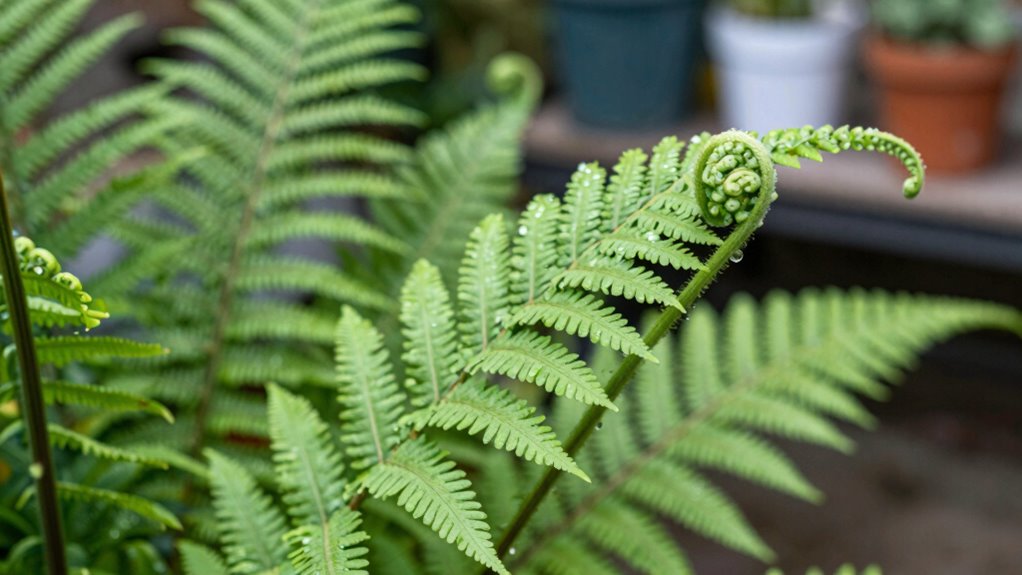
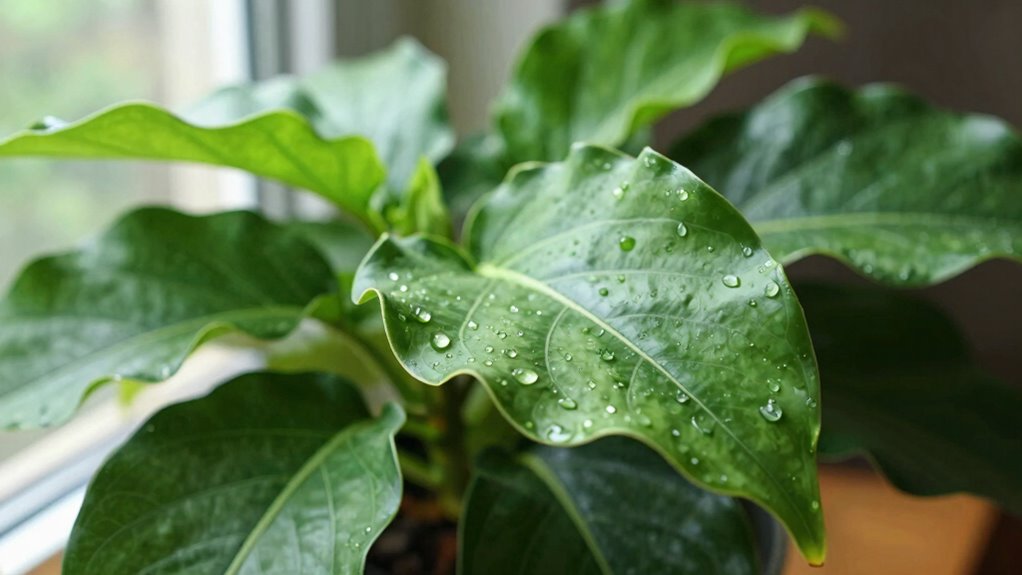
Taking the time to slow down can greatly improve your plant care routine. When you pause and observe your plants carefully, you gain a better understanding of their unique needs. Instead of rushing through watering or pruning, you become more attuned to subtle signals that indicate their health. This mindful approach allows you to catch problems early and adjust your care routine accordingly. One key aspect you’ll notice is how plant roots are responding to their environment. By paying close attention, you can see if roots are healthy and actively growing, which is essential for the plant’s overall vitality. When roots are developing properly, they expand outward, searching for nutrients and water. This root growth is a clear sign that your plant is thriving and that conditions are suitable for its development.
Water absorption is another critical element that becomes more apparent when you slow down. Instead of simply watering on a fixed schedule, you observe how well the soil retains moisture and how the plant responds to watering. If the soil feels dry just below the surface but remains moist at deeper levels, it indicates healthy water absorption. Conversely, if water quickly runs off or the soil stays soggy, you might need to adjust your watering technique. By taking your time, you can also assess whether the plant’s roots are properly absorbing water. Healthy roots actively draw moisture from the soil and distribute it throughout the plant. If you notice signs of water stress—such as wilting or yellowing leaves—you can investigate further and determine if poor water absorption is to blame. Additionally, slowing down enhances your ability to notice plant health indicators, enabling more precise and timely care adjustments. Recognizing these subtle cues can also help prevent overwatering or underwatering issues before they worsen. Developing a habit of mindful observation allows you to better understand how environmental factors, like humidity and soil type, influence your plant’s water needs. In turn, this awareness can help you create a more sustainable watering routine that benefits both your plants and the environment.
Furthermore, giving yourself the time to observe allows you to notice soil conditions that might affect overall plant health, such as compaction or pests hidden beneath the surface. Moving slowly also helps you recognize other subtle cues like leaf color, texture, or stem firmness, which are all linked to overall health and root activity. When you’re in a hurry, these signs often go unnoticed, leading to missed opportunities for early intervention. Conversely, by observing closely, you’re more likely to identify issues like root rot, pests, or nutrient deficiencies before they become severe. This patience and attentiveness foster a deeper connection with your plants, making your care routine more effective and satisfying. Ultimately, slowing down allows you to nurture your plants more thoughtfully, supporting their root growth and water absorption processes. As a result, your plants will grow stronger, healthier, and more resilient, rewarding your mindful care with vibrant, lush foliage.
As an affiliate, we earn on qualifying purchases.
Frequently Asked Questions
How Often Should I Check My Plants for Pests?
You should check your plants for pests weekly to catch problems early. Regular inspections help with pest prevention and keep your plants healthy. When you spot pests, consider natural remedies like neem oil or insecticidal soap as eco-friendly solutions. Slowing down and looking longer allows you to notice subtle signs of pests before they cause serious damage, making your plant care more effective and enjoyable.
What Signs Indicate My Plant Needs More Water or Nutrients?
Like a careful detective, you notice subtle clues in your plant’s behavior. If the soil moisture feels dry and your leaves look wilted or droopy, it likely needs more water. Yellowing leaves or slow growth can signal nutrient deficiency. By slowing down and observing closely, you catch these signs early, ensuring your plant gets the right balance of water and nutrients to thrive, just like tending to a cherished friend.
How Can I Tell if My Plant Is Overgrown or Undergrown?
You can tell if your plant is overgrown or undergrown by observing its growth patterns and root health. Overgrown plants often have leggy stems, crowded leaves, and roots that circle the pot’s edges, indicating root-bound conditions. Undergrown plants show slow growth, sparse foliage, and weak roots. Regularly check the roots and growth habits to adjust watering, pruning, or repotting, ensuring your plant stays healthy and balanced.
Are There Specific Times of Day Best for Plant Observation?
Think of your plant as a silent story waiting to be read. Early morning sunlight is ideal for observing your plant, revealing its true colors and health, while evening watering helps you see how it responds after a day’s growth. By choosing these times, you catch your plant’s natural rhythm, allowing you to notice subtle changes and provide the care it needs, deepening your connection and understanding.
How Does My Plant’s Environment Affect Its Growth?
Your plant’s environment directly impacts its growth by influencing plant humidity and soil aeration. Higher humidity helps prevent dehydration, while proper soil aeration ensures roots get enough oxygen. If the environment is too dry or soil is compacted, growth slows down and health declines. You can improve growth by adjusting humidity levels and loosening soil, making sure your plant’s environment supports the best conditions for healthy development.
Conclusion
When you slow down and truly observe your plants, you discover a deeper connection that allows you to care more thoughtfully. It’s like tuning into a gentle song, where each note reveals something new and beautiful. By taking your time, you nurture not just your plants’ health but your own patience and appreciation. So, relax and look longer — your plants will thank you with vibrant growth, and you’ll find joy in every quiet, mindful moment.