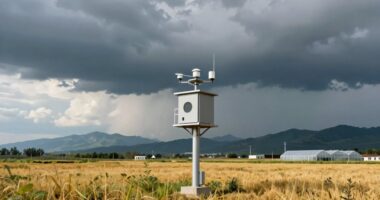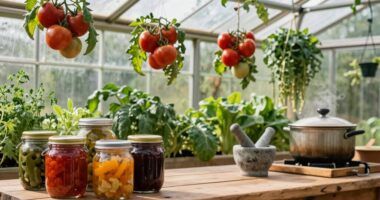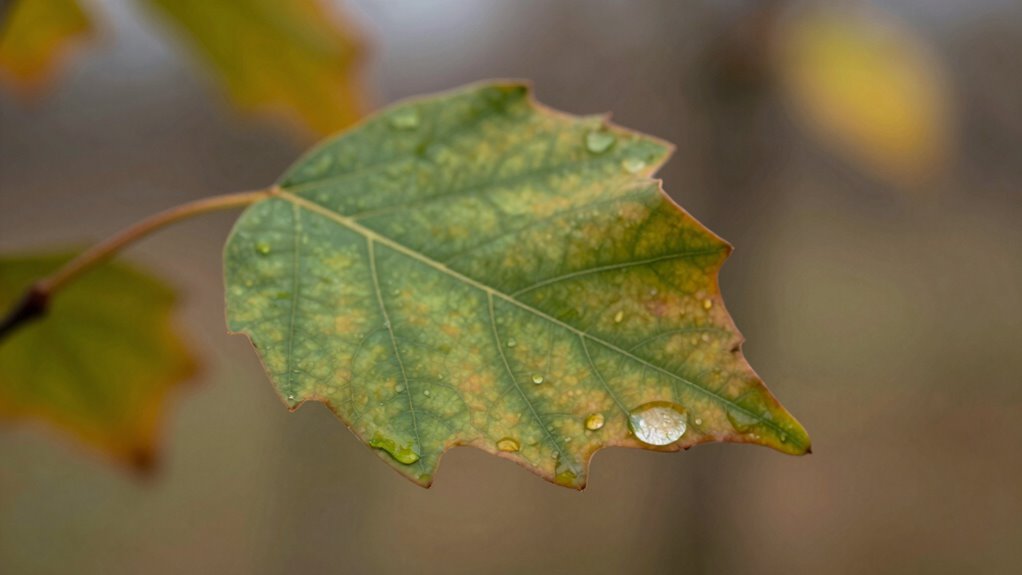

Growing even a little of your own food helps you notice how natural cycles influence plant growth and your environment. You start observing seasonal cues like weather changes, bird calls, and blooming plants, which deepen your connection to nature. You learn to respond to these signals instead of relying solely on calendars, making you more in tune with the land’s rhythms. Keep exploring this connection, and you’ll discover how it enriches your relationship with the seasons and land.
Listen free for 30 days with Audible
Thousands of audiobooks and originals — cancel anytime.
As an affiliate, we earn on qualifying purchases.
Key Takeaways
- Growing plants encourages observation of natural cues, fostering a deeper awareness of seasonal changes.
- It shifts focus from fixed calendars to environment-based timing, aligning activities with nature’s rhythms.
- Engaging with seasonal cycles cultivates patience and respect for land’s inherent timing and opportunities.
- Small-scale gardening enhances understanding of climate variability and ecosystem dynamics.
- Developing a cyclical relationship with nature deepens one’s connection and responsibility to the land’s sustainable rhythms.

Understanding the changing seasons is essential for successful gardening and farming. When you start to grow even a little, you become more aware of the natural cycles that influence your environment. These cycles aren’t just abstract concepts; they shape the timing of planting, watering, and harvesting. As you observe these patterns, your connection to the land deepens. You learn to anticipate the shifts in temperature, sunlight, and rainfall, which directly impact your garden’s health. This awareness transforms your relationship with the seasons from a calendar-based approach to one rooted in nature’s rhythms.
Engaging in seasonal gardening means you begin to notice subtle signs that signal upcoming changes. For example, you might see early blossoms or hear certain bird calls that hint at the arrival of spring. By tuning into these natural cues, you develop a more intuitive understanding of the environment around you. This isn’t just about planting at the right time; it’s about respecting and working harmoniously with those natural cycles. As a result, your garden flourishes because you’re aligning your efforts with the environment rather than fighting against it. This approach reduces frustration and increases success because you’re responding to nature’s timing, not just a fixed date on the calendar.
Growing even a small patch of vegetables or herbs helps you see how seasons influence growth rates and plant health. You’ll notice how some crops thrive in certain conditions while others struggle. This firsthand experience teaches you the importance of adapting your techniques to seasonal changes. For instance, you might extend your growing season with row covers or plan your planting schedule around the expected weather patterns. Over time, your understanding of natural cycles becomes more refined, guiding your decisions and making your gardening efforts more sustainable and rewarding. Recognizing biodiversity in your garden helps you create a resilient ecosystem that supports plant health through seasonal variations, and this awareness can lead to more sustainable practices over time. Developing an understanding of seasonal variations allows you to better predict how different plants will respond throughout the year. Additionally, paying attention to climatic factors enhances your ability to adapt and optimize your gardening practices effectively.
Furthermore, your relationship with the seasons evolves into a cycle of observation and response. You start to see yourself as part of a larger system, working alongside natural processes rather than against them. This perspective fosters patience and respect for the land’s inherent timings. The more you grow, the more you realize that each season offers unique opportunities and challenges. By embracing these natural cycles, you not only cultivate healthier plants but also develop a deeper appreciation for the intricate dance of the changing seasons. Incorporating seasonal awareness into your gardening routine helps you better understand how to optimize your efforts throughout the year. Your gardening becomes more than a hobby; it becomes a meaningful connection to the land’s enduring rhythms.
As an affiliate, we earn on qualifying purchases.
Frequently Asked Questions
How Quickly Can Small Growth Impact Seasonal Perceptions?
Small growth can quickly impact your seasonal perceptions within weeks or a few months. As you notice subtle changes, you’ll likely experience a boost in seasonal nostalgia, appreciating the shifting scenery more deeply. This process also helps you adapt to climate variations, making you more aware of how seasons influence your environment. Over time, these small changes deepen your connection to each season, fostering a greater appreciation and understanding of nature’s rhythms.
Does Growing Plants Indoors Influence Seasonal Awareness?
Growing plants indoors is like tending a tiny, eternal spring in your home. It definitely influences your seasonal awareness, as plant aesthetics bring a touch of nature’s rhythm inside. You become more attuned to indoor climate changes, adjusting humidity and light to keep your greenery thriving. This daily care makes you notice subtle shifts in seasons, fostering a deeper connection with nature’s cycles even when you’re enclosed indoors.
Are Certain Plants More Effective for Changing Seasonal Feelings?
Yes, certain plants are more effective for changing seasonal feelings. For example, flowering plants like daffodils and tulips can boost your mood during early spring, aligning with seasonal traditions. Indoor herbs and greenery also help you adapt to climate changes by creating a sense of continuity and comfort. These plants foster mindfulness of seasonal shifts, encouraging you to embrace each season’s unique beauty and fostering a stronger connection to nature’s cycles.
Can Growing Even a Tiny Plant Improve Mental Health Seasonally?
Growing even a tiny plant can boost your mental health seasonally by encouraging mindfulness practices and sensory engagement. As you care for your plant, you become more present, reducing stress and anxiety. Watching it grow and change with the seasons helps you connect to nature’s rhythms, fostering a sense of calm and stability. This simple activity offers a soothing, tangible way to improve your emotional well-being during seasonal shifts.
How Does Personal Growth Relate to Experiencing Seasonal Changes?
Did you know nearly 70% of people report improved mood from seasonal adaptation? Personal growth deepens your connection with seasonal changes by encouraging resilience and mindfulness. As you nurture small growth, you adapt more easily to seasonal shifts, embracing nature’s cycles as opportunities for personal transformation. This process helps you stay grounded, inspiring you to see each season as a chance to evolve and thrive, reinforcing your bond with nature’s rhythm.
Conclusion
So, as you nurture even a tiny plant or embrace small seasonal changes, you start to see how interconnected you are with the world around you. Don’t you wonder how those little acts of growth can deepen your connection to the seasons? Each small step reminds you that transformation isn’t about grand gestures but consistent, gentle shifts. Are you ready to embrace the seasons’ lessons and watch your relationship with nature flourish?
Flea & tick season Picks
flea and tick prevention
As an affiliate, we earn on qualifying purchases.