To naturally pair with greenhouse growing, you should learn fermentation and dehydration techniques. These methods help you extend your harvests, turning excess produce into nutritious, long-lasting foods like sauerkraut, pickles, dried herbs, and berries. They require minimal equipment and fit well into small spaces, making them perfect for growers. Mastering these skills allows you to enjoy fresh flavors year-round and reduce waste. Keep exploring to discover how these simple preservation techniques can boost your greenhouse harvests even further.
Listen free for 30 days with Audible
Thousands of audiobooks and originals — cancel anytime.
As an affiliate, we earn on qualifying purchases.
Key Takeaways
- Fermentation enhances probiotic intake and naturally preserves vegetables like cabbage and cucumbers from greenhouse harvests.
- Dehydration creates lightweight, long-lasting foods such as herbs, berries, and tomatoes for year-round use.
- Small-scale preservation methods suit limited greenhouse space, maximizing harvests without extensive equipment.
- Preserving seasonal produce maintains nutritional value and flavors beyond harvest time.
- Mastering preservation supports sustainability by reducing waste and increasing self-sufficiency.
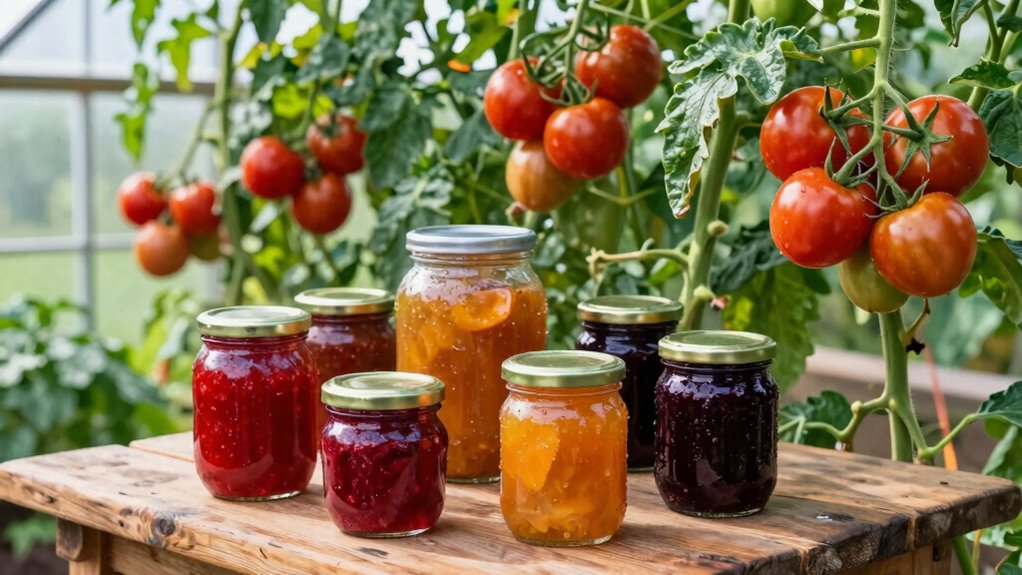
Have you ever wondered how to keep your food fresh for longer periods? When you grow your own produce in a greenhouse, you gain access to an abundance of fresh fruits and vegetables, but preserving that bounty is essential to prevent waste and enjoy your harvest year-round. Two effective food preservation skills that naturally complement greenhouse growing are fermentation techniques and dehydration methods. These approaches not only extend the shelf life of your produce but also enhance flavors and retain nutrients.
Fermentation techniques are ancient methods that transform vegetables, fruits, and even dairy into flavorful, probiotic-rich foods. When you ferment, you create an environment where beneficial bacteria thrive, naturally preserving your food without relying on artificial preservatives. For example, fermenting cabbage into sauerkraut or cucumbers into pickles allows you to store these items for months. This process is simple: you submerge your vegetables in a saltwater brine, which encourages fermentation and prevents spoilage. Not only does this method preserve your produce, but it also boosts digestion and gut health thanks to the probiotics. Combining fermentation with your greenhouse harvest means you can turn an abundance of greens or cucumbers into tasty, long-lasting foods that maintain their nutritional value.
Fermentation transforms produce into probiotic-rich, long-lasting foods that boost digestion and preserve nutrients naturally.
Dehydration methods are another excellent way to preserve your greenhouse-grown produce. Dehydrating removes moisture, which is a primary factor in microbial growth and spoilage. Using a dehydrator, oven, or even sun-drying, you can efficiently reduce the water content of fruits and herbs. For instance, drying tomatoes, berries, or herbs like basil and oregano allows you to enjoy their flavors even when they’re out of season. Dehydration is quick and straightforward, giving you control over the process and the final product’s texture. Once dried, your produce becomes lightweight, compact, and easy to store, making it ideal for long-term pantry supplies or for adding to soups, stews, and teas. Understanding food preservation techniques can help you optimize your greenhouse yield and reduce waste. Additionally, learning about biodiversity can inspire sustainable practices that support a healthy ecosystem, which benefits your garden and preservation efforts.
Both fermentation techniques and dehydration methods require minimal equipment and little space, making them perfect for greenhouse growers who want to maximize their harvest. These preservation skills enable you to enjoy the fruits of your labor beyond the growing season. Plus, they preserve the natural flavors and nutrients better than many commercial methods. By mastering these techniques, you can turn your greenhouse bounty into a diverse array of preserved foods, ensuring freshness, flavor, and nutritional value for months to come.
As an affiliate, we earn on qualifying purchases.
Frequently Asked Questions
How Can I Extend the Shelf Life of Greenhouse-Grown Produce?
You can extend your greenhouse-grown produce’s shelf life by using ultrasound freezing, which rapidly cools items to preserve freshness and nutrients. Additionally, vacuum sealing removes air to prevent spoilage and freezer burn. Combining these techniques, you’ll keep your produce fresher longer, reducing waste. Make sure to label and organize your preserved foods for easy access, ensuring your harvest stays delicious and nutritious well beyond the growing season.
What Are the Best Methods for Preserving Herbs From My Greenhouse?
Did you know herbs can retain over 90% of their flavor when dried or frozen? To preserve herbs from your greenhouse, try herb drying by hanging bunches upside down in a cool, dark place. Alternatively, freeze chopped herbs in ice cube trays with water or oil for easy use. Both methods lock in flavor and nutrients, making your herbs last longer and stay fresh for future culinary delights.
How Do I Prevent Spoilage During Preservation of Greenhouse Vegetables?
To prevent spoilage during preservation, you should use proper fermentation techniques like ensuring a clean environment and controlling salt levels to inhibit bacteria. Additionally, dehydration methods such as air drying or using a dehydrator help remove moisture, reducing mold and bacteria growth. Always store preserved vegetables in airtight containers, keep them in cool, dark places, and regularly check for signs of spoilage to maintain quality and safety.
Which Preservation Techniques Retain Most Nutrients in Greenhouse Crops?
Imagine each preservation method as a guardian of flavor—your goal is nutrient retention. Freezing tops the list, locking in vitamins and minerals with minimal loss. Vacuum sealing also preserves nutrients effectively by reducing oxidation. Canning with gentle heat retains most nutrients, but steaming or blanching first protects vitamin C. Dehydrating may cause some nutrient loss, yet it remains a convenient way to store your greenhouse harvest without sacrificing too much of its nutritional value.
Are There Safety Tips for Canning Greenhouse Fruits at Home?
Yes, there are crucial food safety tips for canning greenhouse fruits at home. Always use tested recipes to guarantee proper acidity and processing times, which are essential for preventing botulism. Follow canning precautions like sterilizing jars, tightening lids correctly, and avoiding overfilling. Maintain cleanliness throughout the process, and store canned goods in a cool, dark place. These steps help ensure safe, long-lasting preserves that retain flavor and nutrients.
Conclusion
By mastering food preservation skills, you extend the bounty of your greenhouse season and enjoy fresh flavors year-round. Canning, drying, and fermenting turn surplus into sustenance, making your efforts truly worthwhile. Remember, “A stitch in time saves nine”—taking the time now to preserve your harvest guarantees future nourishment and joy. Embrace these skills, and you’ll find that patience and preparation pay off in delicious, homegrown abundance.
NFL season / tailgating Picks
team gear
As an affiliate, we earn on qualifying purchases.