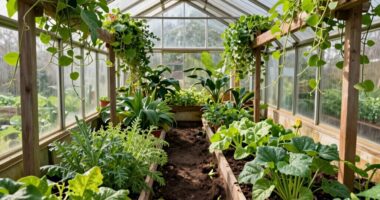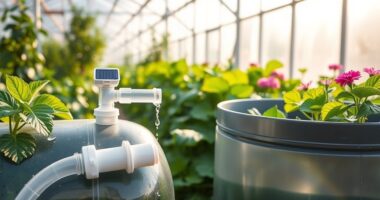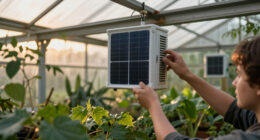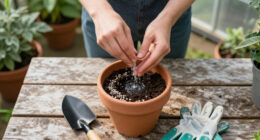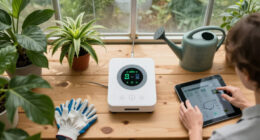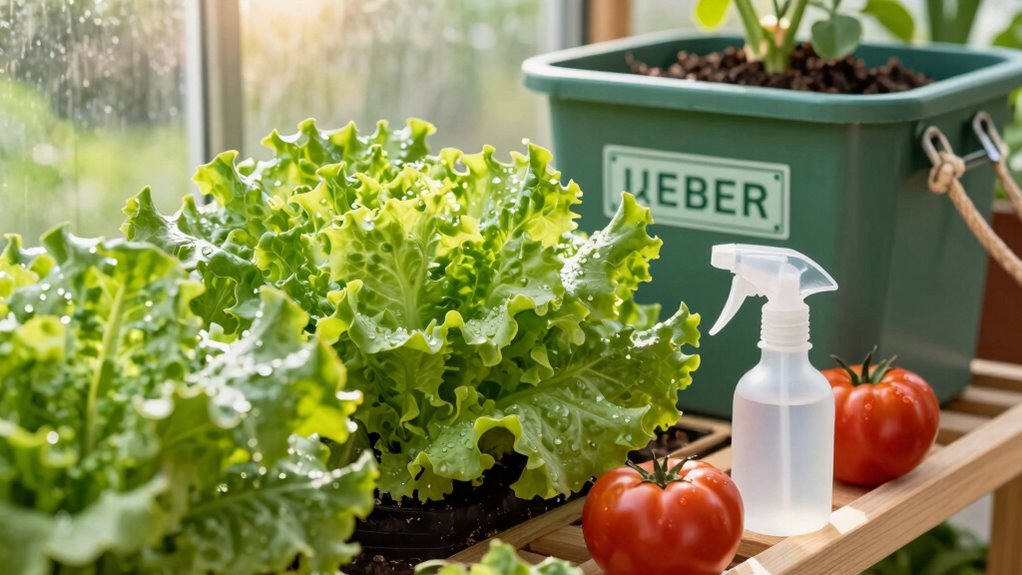

In your home greenhouse, many overlook vital food safety steps like proper sanitation, pest control, and water quality checks. Excessive pesticide use and poor storage can leave harmful residues, while contaminated water or soil pose risks to your plants and health. Regular cleaning, monitoring environmental conditions, and practicing safe handling protect your harvest. To guarantee your produce is truly safe, focus on these often-missed details—you’ll find the full approach is worth mastering.
Get ready for Prime Big Deal Days — try Prime free
Exclusive member deals on October 6–7, plus fast free delivery. Cancel anytime.
As an affiliate, we earn on qualifying purchases.
Key Takeaways
- Regularly test water sources to prevent contamination from pathogens and chemicals.
- Properly clean and disinfect tools, containers, and storage areas to avoid cross-contamination.
- Rotate crops and practice integrated pest management to minimize pest and disease buildup.
- Store harvested produce in clean, temperature-controlled containers with clear labeling and proper ventilation.
- Monitor humidity and temperature levels consistently, using smart sensors to prevent spoilage and microbial growth.
As an affiliate, we earn on qualifying purchases.
What Are the Main Food Safety Risks in Your Greenhouse?
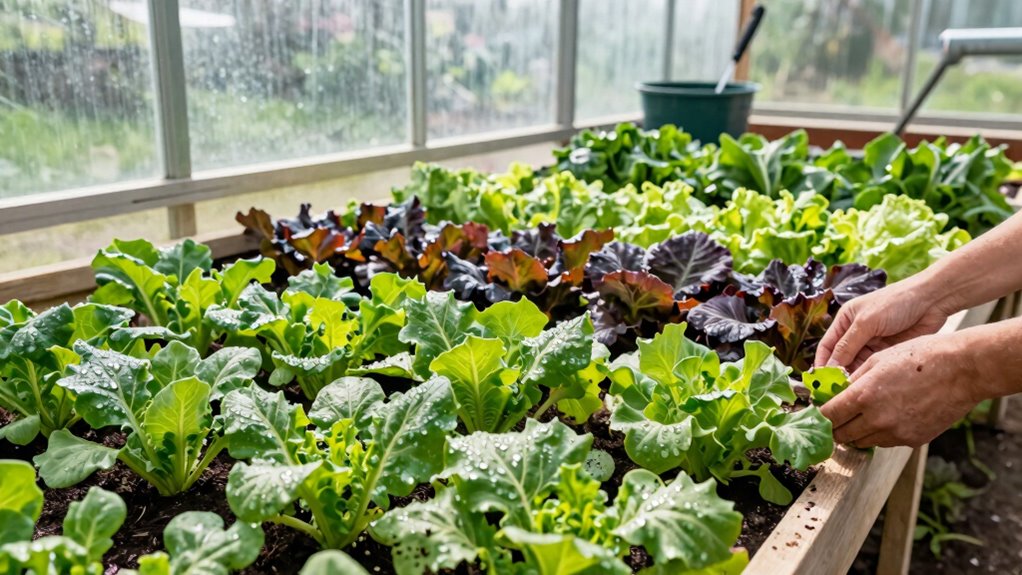
Understanding the main food safety risks in your greenhouse is crucial for producing healthy, safe food. One key concern is pesticide residues, which can linger on plants if not managed properly. Excessive or improper pesticide use can lead to residues that pose health risks to consumers. Implementing effective pest control methods, like integrated pest management, helps reduce reliance on chemicals. Another risk is poor crop rotation, which can encourage the buildup of pests and diseases, compromising crop safety and quality. Rotating crops prevents pests from becoming resistant and maintains soil health. Staying vigilant about pesticide residues and practicing good crop rotation are essential steps to minimize food safety risks in your greenhouse and ensure you’re growing safe, nutritious produce. Additionally, understanding pest management strategies can further help mitigate these risks and promote healthier crop production. Proper soil management also plays a significant role in preventing pathogen buildup and ensuring the safety of your crops. Regular soil testing and soil fertility practices can help identify and address potential issues early. Incorporating water quality monitoring can further reduce the risk of waterborne pathogens affecting your crops.
How Do You Keep Your Greenhouse Clean and Sanitary?
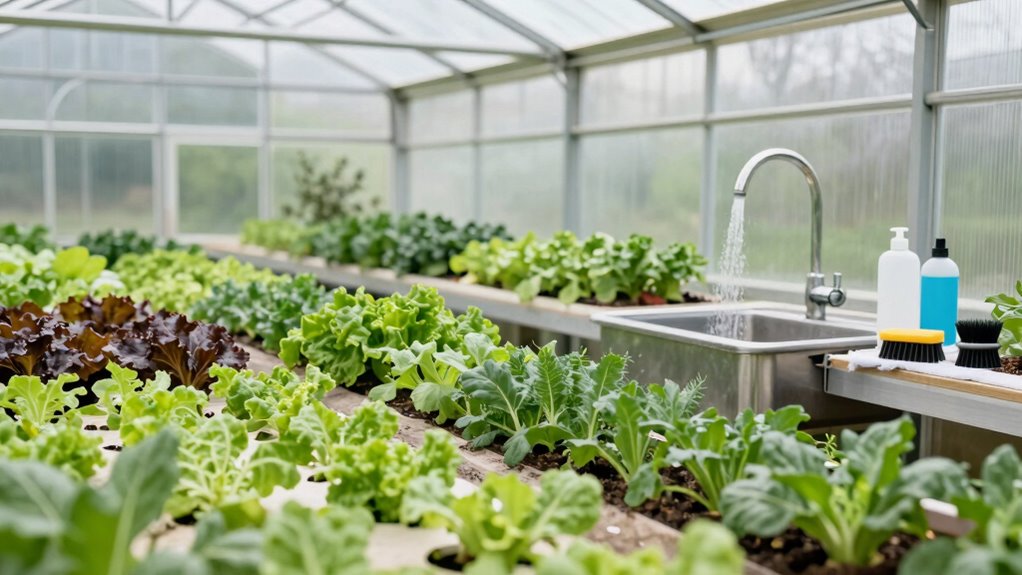
Keeping your greenhouse clean and sanitary is essential for preventing pests, diseases, and contamination. Establishing regular sanitation routines helps you stay ahead of potential problems. Develop consistent cleaning schedules for all surfaces, tools, and containers, and stick to them. Remove plant debris, dead leaves, and weeds promptly to reduce hiding spots for pests. Disinfect benches, pots, and tools with appropriate solutions to eliminate pathogens. Pay special attention to watering cans and trays, as they can harbor bacteria. Keep the floor free of dirt and fallen plant material. Regular sanitation routines not only protect your plants but also ensure your produce remains safe to consume. Incorporate air quality checks and proper ventilation to help reduce humidity and airborne contaminants that could compromise your plants’ health. Maintaining optimal soil conditions also plays a vital role in preventing disease and promoting healthy growth. Additionally, ensuring proper ventilation systems can significantly improve overall cleanliness and air circulation, reducing the risk of mold and other issues. In addition, considering the role of professional services can enhance your greenhouse’s sanitation and overall plant health.
How Can You Manage Pests and Contaminants Effectively?

To effectively manage pests and contaminants in your greenhouse, you need to stay vigilant and take proactive measures. Incorporate biological controls like beneficial insects or natural predators to target specific pests without chemicals. Regularly inspect plants for early signs of infestation, and remove affected foliage promptly. Using pest-resistant plants can also reduce the risk of pest problems from the start. Keep your greenhouse clean and well-maintained to prevent contaminants from spreading. Rotate crops and avoid monocultures, which attract pests. Quarantine new plants before introducing them to your greenhouse environment. Combining these strategies creates a balanced system that minimizes pests and contaminants naturally, ensuring your food remains safe and healthy. Staying proactive is key to effective pest management in your home greenhouse. Additionally, understanding pest-resistant plants can help you select varieties less prone to infestations, further reducing the need for intervention. Implementing integrated pest management approaches ensures a comprehensive strategy that combines multiple techniques for optimal results. Regular use of essential oils for pest control can also serve as a natural deterrent to common greenhouse pests. Being aware of large numerical units like crores can help you better interpret and manage your production or sales data effectively.
What Practices Ensure Safe Water and Soil in Your Greenhouse?
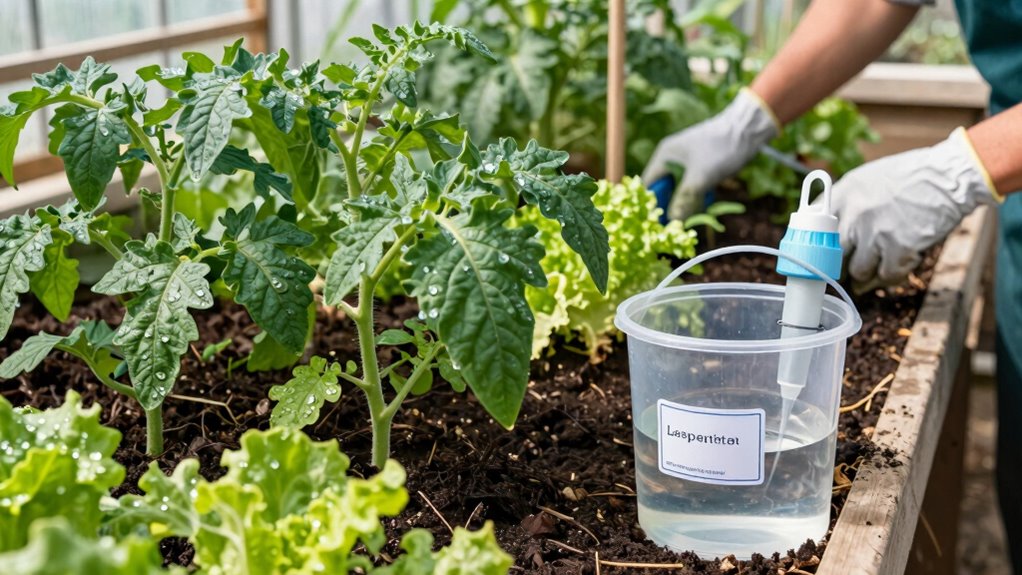
Maintaining safe water and soil in your greenhouse is essential for preventing contamination and ensuring healthy plant growth. Start by regularly performing water testing to check for harmful bacteria, chemicals, or nutrient imbalances. This proactive approach allows you to detect issues early and take corrective actions before they impact your crops. When needed, use soil amendments to improve soil health and reduce the risk of pathogens. Organic options like compost or biochar can enhance soil structure and microbial activity, promoting plant safety. Always use clean, tested water sources and avoid runoff from contaminated areas. Keep soil covered with mulch to prevent soil-borne diseases from spreading. Additionally, maintaining proper air purifier maintenance practices can improve overall greenhouse air quality, reducing airborne pathogens that may affect plants and workers. Proper water filtration implementation can further ensure contaminants are removed from your water supply, protecting your plants and food safety. Regularly updating your knowledge on sound design techniques can also help you implement better environmental controls within your greenhouse. Incorporating water quality monitoring techniques enables you to identify and address issues more effectively, creating a safer environment for your plants and reducing potential food safety hazards. Staying informed about regulatory standards compliance can help ensure your greenhouse practices meet safety guidelines and prevent legal issues.
How Should You Handle and Store Your Garden Produce for Safety?
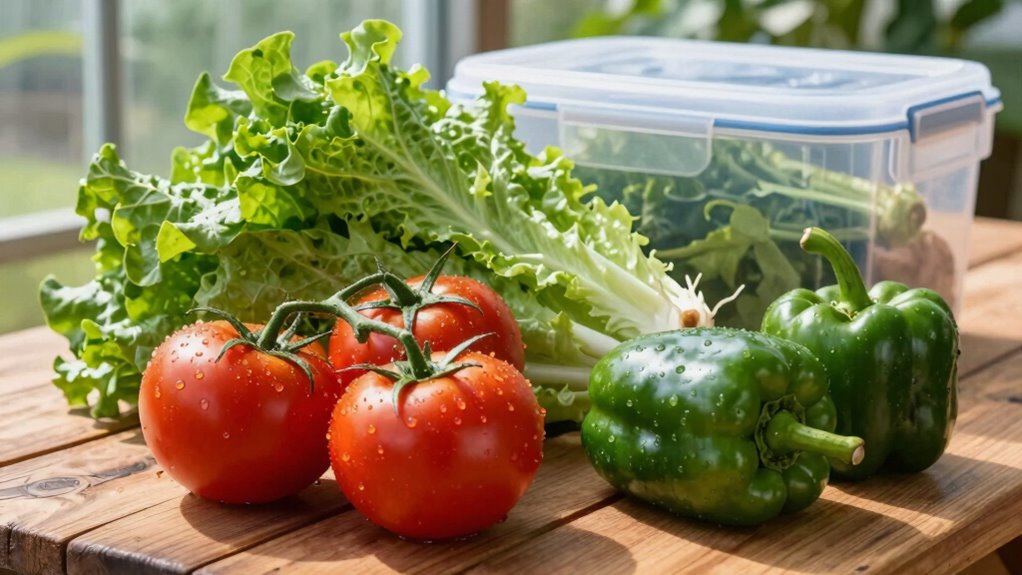
How can you guarantee your garden produce remains safe to eat after harvest? The key is proper harvest timing and careful post-harvest handling. Harvest fruits and vegetables at peak ripeness to reduce the risk of spoilage and contamination. Handle produce gently to prevent bruising, which can invite bacteria. Rinse your produce thoroughly with clean, cold water to remove dirt and potential pathogens, avoiding soap or chemicals. Store your harvest promptly in clean, breathable containers or perforated bags, keeping it in a cool, dry place or the refrigerator. Use separate storage areas for different types of produce to prevent cross-contamination. Incorporating proper storage techniques is essential to maintain food safety from your garden to your table. Proper handling and storage are essential to maintain food safety from your garden to your table. Additionally, consulting food safety guidelines can help ensure you follow best practices for home-grown produce. Remember that butter storage should also be considered if you plan to keep dairy products like butter from your garden or local sources, ensuring they are kept at the proper temperature and away from contaminants to prevent spoilage. Moreover, employing smart storage solutions can help monitor and maintain optimal conditions for your produce and dairy items.
Frequently Asked Questions
How Often Should I Test for Foodborne Pathogens in My Greenhouse?
You should perform greenhouse pathogen testing at least once a month to guarantee food safety monitoring is effective. Regular greenhouse pathogen testing helps catch contamination early and keeps your produce safe. If you notice any signs of disease or suspect contamination, test immediately. Consistent testing creates a proactive approach to food safety, reduces risks, and keeps your greenhouse environment healthy for plants and consumers alike.
What Are the Best Methods for Sterilizing Greenhouse Tools and Equipment?
You should use effective sterilization techniques like soaking tools in a bleach solution or using a commercial disinfectant. Make sure to scrub equipment thoroughly before sanitizing, paying attention to hard-to-reach areas. Afterward, rinse with water and let everything air dry. Regular equipment sanitization is key to preventing disease spread, so incorporate these sterilization techniques into your routine to keep your greenhouse plants healthy and safe.
How Can I Prevent Cross-Contamination Between Different Plant Batches?
To prevent cross-contamination, you must prioritize plant segregation and diligent sanitation practices. Imagine carefully separating each batch with clean barriers and sterilized tools, avoiding even tiniest soil or water transfer. Always wash hands, tools, and containers thoroughly between batches. Consistently applying these sanitation practices keeps pathogens at bay, ensuring each plant batch remains healthy and free from unintended pests or diseases. Your vigilance safeguards your entire greenhouse ecosystem.
Are There Specific Storage Containers Recommended for Homegrown Produce?
You should use reusable containers made from BPA-free plastics for storing your homegrown produce. These containers help keep your fruits and vegetables fresh while preventing chemical leaching. Look for ones with airtight seals to maintain quality and avoid contamination. Avoid using old or worn-out containers, and always wash them thoroughly before reuse. This guarantees your produce stays safe, fresh, and free from harmful substances, protecting your health and enhancing your gardening efforts.
What Are Signs of Spoilage or Contamination in Harvested Vegetables?
You’ll notice spoilage or contamination in your vegetables through visual cues like mold, sliminess, or discoloration. Odor indicators also help; if produce smells off, sour, or rotten, it’s a sign to discard it. Always inspect your harvested vegetables carefully before storing or eating. Trust your senses—visual cues and odors are your best tools to guarantee your produce remains fresh and safe to enjoy.
Conclusion
So, after all that, you’d think growing your own food is foolproof, right? Turns out, the biggest risks come from overlooked details, not pests or soil. Ironically, the simplest habits—like handwashing and proper storage—can make or break your safety. So, while you’re busy tending plants, don’t forget the tiny steps that guard your health. Because in your green paradise, the real danger might just be what you overlook. Happy, safe gardening!
NFL season / tailgating Picks
team gear
As an affiliate, we earn on qualifying purchases.