
Choosing the best soil heating cable for a greenhouse can significantly improve plant growth during colder months. The ideal cable offers reliable heat, easy control, and durability, but tradeoffs exist, such as length, wattage, and thermostat features. The 100 ft Soil Heating Cable for Garden and Seedling Growth stands out as the overall top pick for its balance of length and power. Meanwhile, the Adnee 118Ft Thermostatic Soil Heating Cable offers superior control for larger setups, and the 59Ft Soil Heating Cable with Thermostat provides a compact, budget-friendly option. Keep reading for a detailed breakdown of each product and what you need to know before buying.
Key Takeaways
- Longer cables like the 100 ft model are better for large greenhouses but may be more challenging to install neatly.
- Thermostat features greatly improve ease of use and energy efficiency, making models with built-in controls more desirable.
- Wattage affects heating capacity—higher wattage cables provide faster, more consistent warmth but may consume more power.
- Build quality and insulation are vital for durability, especially in outdoor or high-moisture environments.
- Price varies widely; the most expensive options typically offer better control and longer lifespan, but budget models can work for smaller setups.
| 100 ft Soil Heating Cable for Garden and Seedling Growth, 205W |  | Best Overall for Versatile Soil Heating | Power: 205 W | Voltage: 120 V | Length: 100 ft (15M) | VIEW LATEST PRICE | See Our Full Breakdown |
| 59Ft Soil Heating Cable with Thermostat for Gardening and Greenhouses |  | Best Value for Mid-Size Gardens and Greenhouses | Length: 59 ft | Temperature Control: Automatic thermostat at 131°F | Material: Rubber jacket with nickel alloy core | VIEW LATEST PRICE | See Our Full Breakdown |
| 98Ft Soil Heating Cable for Greenhouse, 200W Electric Carbon Fiber Soil Heat Cable with Thermostat | 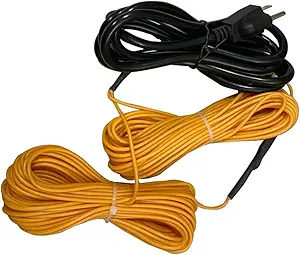 | Best for High-Efficiency and Compact Installations | Length: 98 ft (2 x 49 ft cables) | Power: 200 W | Voltage: 120 V | VIEW LATEST PRICE | See Our Full Breakdown |
| Adnee 59Ft Thermostatic Soil Heating Cable with Thermostat and Ground Stakes |  | Best for Budget-Conscious Gardeners and Beginners | Length: 59 feet | Temperature Control: Automatic, maintains 131°F | Material: High-quality rubber with nickel alloy wires | VIEW LATEST PRICE | See Our Full Breakdown |
| Adnee 118Ft Thermostatic Soil Heating Cable with Thermostat and Ground Stakes |  | Best Overall for Consistent Soil Heating in Greenhouses | Length: 118 ft (36 meters) | Temperature Control: Thermostatic, maintains 131°F | Material: High-quality rubber outer layer, nickel alloy heating wire | VIEW LATEST PRICE | See Our Full Breakdown |
| 118Ft Soil Heating Cable with Thermostat for Garden Beds and Greenhouses |  | Best for Versatile Garden and Greenhouse Heating | Length: 118 ft | Temperature Control: Automatic thermostat at 131°F | Material: Rubber jacket with nickel alloy heating core | VIEW LATEST PRICE | See Our Full Breakdown |
| 49 Ft Electric Soil Warming Cable for Greenhouse and Garden |  | Best for Compact Spaces and Indoor Gardening | Length: 49 ft | Temperature Control: Built-in thermostat at 131°F | Material: Nickel alloy, glass fiber braid, silicone rubber | VIEW LATEST PRICE | See Our Full Breakdown |
| 205W Soil Heating Cable with Thermostat, 50Ft Electric Soil Warming Cable for Greenhouse and Garden |  | Best Overall for Reliable Soil Heating in Greenhouses | Power: 200 W | Voltage: 120 V | Length: 50 ft (7.5 m) | VIEW LATEST PRICE | See Our Full Breakdown |
More Details on Our Top Picks
100 ft Soil Heating Cable for Garden and Seedling Growth, 205W
This 100-foot cable excels in promoting seed germination and growth in various outdoor settings. Its long length and weather-resistant design make it highly adaptable, especially for larger garden beds or greenhouses. Compared with the 59Ft Soil Heating Cable with Thermostat, this model offers greater coverage, but it requires more careful installation to prevent overlapping that could cause uneven heating. The built-in thermostat ensures safety and consistent temperature, though monitoring may be necessary to optimize results. Its durability and flexibility stand out for those needing an all-around reliable solution, but the longer cable length could be cumbersome for small or confined spaces.
Pros:- Extensive 100 ft length covers large areas efficiently
- Automatic thermostat for safe, consistent heating
- Weather-resistant and highly flexible for various layouts
- Durable materials suitable for outdoor use
Cons:- Installation requires careful planning to avoid overlapping
- Limited to soil heating only, not versatile for other applications
Best for: Gardeners with large plots or greenhouses needing extensive soil coverage
Not ideal for: Small garden beds or container gardeners who prefer simpler, shorter cables
- Power:205 W
- Voltage:120 V
- Length:100 ft (15M)
- Temperature Control:131°F / 55°C thermostat
- Material:Carbon fiber and copper nickel-chromium alloy wire
- Insulation:FEP insulation
Bottom line: This cable is best suited for those needing broad coverage and reliable outdoor soil heating, despite installation complexity.
59Ft Soil Heating Cable with Thermostat for Gardening and Greenhouses
This 59-foot cable offers a balanced length suitable for smaller to medium-sized gardening areas. It’s equipped with an automatic thermostat, making it easy to maintain consistent soil temperatures for seed starting or greenhouse use. Compared with the 98Ft Carbon Fiber Soil Heat Cable, it’s shorter, which might be a limitation for extensive beds but simplifies installation and reduces energy use. The included ground stakes facilitate quick setup, although some reviews suggest durability issues over time. It’s a solid choice for hobbyists who want reliable, straightforward soil heating without the bulk of longer cables.
Pros:- Effective in promoting seed germination and plant growth
- Automatic thermostat maintains consistent soil temperature
- Includes ground stakes for easy installation
- Flexible and durable materials
Cons:- Mixed reviews on long-term durability
- Limited length may require multiple cables for larger areas
Best for: Home gardeners and hobbyists managing medium-sized greenhouse or seedbed projects
Not ideal for: Large-scale commercial growers or those needing extensive coverage
- Length:59 ft
- Temperature Control:Automatic thermostat at 131°F
- Material:Rubber jacket with nickel alloy core
- Includes:20 ground stakes
- Application:Greenhouse, seed starting, cold frames
Bottom line: Ideal for small to medium gardens seeking dependable soil heating with straightforward setup, though durability concerns warrant consideration.
98Ft Soil Heating Cable for Greenhouse, 200W Electric Carbon Fiber Soil Heat Cable with Thermostat
This 98-foot carbon fiber cable delivers quick, even heating with high energy efficiency, making it suitable for greenhouse applications. Its flexible, weather-resistant design allows for easy shaping around plants and soil beds, outperforming shorter cables like the 49 Ft Electric Soil Warming Cable in coverage. The set thermostat at 131°F ensures consistent temperatures, although it’s important to note that it requires burial or surface placement with soil covering, which might limit placement options. Its energy efficiency and infrared rays promote healthy plant growth, but extended use could increase power consumption significantly.
Pros:- Efficient and rapid soil heating via infrared radiation
- Flexible and weather-resistant for outdoor use
- High energy conversion rate with 200W power
- Easy to shape and install in various configurations
Cons:- Requires burial or soil contact for optimal performance
- Potentially higher energy use if left on continuously
Best for: Greenhouse growers seeking efficient, space-saving soil heating solutions
Not ideal for: Gardeners who prefer plug-and-play or non-burial setups without surface cover
- Length:98 ft (2 x 49 ft cables)
- Power:200 W
- Voltage:120 V
- Temperature Control:Thermostat at 131°F
- Material:Carbon fiber
- Weather Resistance:Durable
Bottom line: Best for greenhouse operators prioritizing efficiency and flexible installation, with awareness of burial requirements.
Adnee 59Ft Thermostatic Soil Heating Cable with Thermostat and Ground Stakes
This 59-foot cable offers a straightforward approach to soil heating with thermostatic control, making it accessible for those new to gardening or on a budget. It’s similar in length and features to the 59Ft Soil Heating Cable with Thermostat, but reviews reveal moderate satisfaction, with some users citing tangle issues or inconsistent heating. The included ground stakes simplify installation, but the overall durability and performance may not match higher-end options. This pick makes the most sense for hobbyists who want a basic, affordable solution for cold-weather plant care, accepting some compromise on longevity.
Pros:- Thermostatic control maintains stable soil temperature
- Includes ground stakes for easy setup
- Durable rubber outer layer for safety
Cons:- Moderate user satisfaction and durability concerns
- Placement requires careful attention to avoid tangling
Best for: Beginner gardeners or those with small garden plots needing affordable heating
Not ideal for: Experienced growers or those with extensive garden beds requiring more durable equipment
- Length:59 feet
- Temperature Control:Automatic, maintains 131°F
- Material:High-quality rubber with nickel alloy wires
- Application:Greenhouse, cold frame, garden soil
Bottom line: A cost-effective choice for beginners or small-scale gardeners seeking reliable soil heating without high investment.
Adnee 118Ft Thermostatic Soil Heating Cable with Thermostat and Ground Stakes
This Adnee soil heating cable stands out for its thermostatic control, maintaining a steady 131°F, which makes it ideal for seed germination and early plant growth. Compared to the 118Ft Soil Heating Cable with Thermostat for Garden Beds and Greenhouses, it offers similar length and durability but emphasizes its high-quality rubber outer layer for enhanced flexibility and longevity. The main tradeoff is its installation complexity: cables must not overlap or cross, requiring careful handling. Its effectiveness in maintaining consistent soil temperature makes it a top choice for growers needing reliable warmth, but it’s less suited for those who want quick setup or minimal handling.
Pros:- Thermostatic control ensures consistent soil temperature
- Durable, flexible materials simplify installation
- Effective in promoting seed germination in cold conditions
Cons:- Requires careful handling to avoid damage during installation
- Cables must not cross or overlap, which can complicate setup
Best for: Greenhouse owners seeking precise, thermostatic control for seedbeds and cold frames
Not ideal for: Gardeners with limited technical experience or those who prefer quick, simple setups without close attention to installation details
- Length:118 ft (36 meters)
- Temperature Control:Thermostatic, maintains 131°F
- Material:High-quality rubber outer layer, nickel alloy heating wire
- Application:Greenhouses, cold frames, seedbeds
- Installation:Lay on soil surface or bury 3-4 inches deep, secure with ground stakes
Bottom line: This cable is best for growers who prioritize precise temperature control and are comfortable with careful installation.
118Ft Soil Heating Cable with Thermostat for Garden Beds and Greenhouses
This 118Ft Soil Heating Cable excels in versatility, with automatic thermostatic control at 131°F, making it suitable for a range of gardening setups. It compares favorably with the Adnee 118Ft model by including 20 ground stakes for easier installation, reducing setup time. However, both cables require careful placement to prevent crossing, a common challenge with long cables. Its automatic thermostat provides safe, even heating, but limits flexibility if you need different temperature settings. This cable is a solid choice for gardeners wanting a reliable, all-purpose heating solution, though it may be less ideal for those who need more customizable temperature control.
Pros:- Automatic thermostat provides safe, consistent heat
- Includes ground stakes for straightforward installation
- Durable and flexible for various setup needs
Cons:- Must be carefully installed to avoid crossing cables
- Limited to 131°F maximum temperature
Best for: Gardeners and greenhouse growers looking for a reliable, all-in-one heating solution with easy installation
Not ideal for: Users needing highly customizable temperature ranges or those with complex or space-constrained setups
- Length:118 ft
- Temperature Control:Automatic thermostat at 131°F
- Material:Rubber jacket with nickel alloy heating core
- Includes:20 ground stakes
- Application:Greenhouses, seedbeds, cold frames, garden beds
Bottom line: This cable suits growers who want a versatile, plug-and-play solution with reliable temperature control.
49 Ft Electric Soil Warming Cable for Greenhouse and Garden
The 49 Ft Electric Soil Warming Cable offers a shorter, more manageable length ideal for smaller beds or indoor setups. Its built-in thermostat automatically regulates heat at 131°F, similar to longer cables but with less coverage, making it perfect for targeted warmth in limited spaces. Compared with the longer cables like the 118Ft models, its compact size simplifies installation but restricts coverage area. The device’s waterproof, heat-resistant design enhances durability, but its limited length means it’s less suited for large or multiple planting beds. It provides reliable, controlled heating for small-scale or indoor gardening, though it may not meet the needs of larger greenhouses.
Pros:- Built-in thermostat ensures automatic, stable temperature
- Compact size simplifies setup in small spaces
- Waterproof and heat-resistant for durability
Cons:- Limited coverage area, unsuitable for large beds
- Starts and stops at the same temperature, limiting flexibility
Best for: Indoor gardeners or small greenhouse operators needing precise, localized soil heating
Not ideal for: Large-scale growers or those requiring extensive coverage across multiple beds
- Length:49 ft
- Temperature Control:Built-in thermostat at 131°F
- Material:Nickel alloy, glass fiber braid, silicone rubber
- Application:Soil, raised beds, indoor gardening
Bottom line: This cable works best for those with limited space seeking reliable, localized soil heating.
205W Soil Heating Cable with Thermostat, 50Ft Electric Soil Warming Cable for Greenhouse and Garden
This soil heating cable stands out for its combination of energy efficiency and durability, making it an excellent choice for growers who want consistent warmth without escalating energy bills. Compared with the 59Ft Soil Heating Cable with Thermostat, its longer length offers greater flexibility for larger beds, though it requires more careful installation to prevent overlapping. The built-in thermostat ensures safe, controlled heating, which is vital in maintaining optimal soil temperatures. Its weather-resistant construction makes it suitable for outdoor use in harsh conditions, but the cable’s limited application to soil and sand means it’s less versatile for other surfaces. Overall, this model is ideal for gardeners seeking reliable, easy-to-manage soil warming in cold regions or early spring planting.
Pros:- Energy-efficient with over 98% heating conversion for lower power bills
- Durable, weather-resistant construction suitable for outdoor use
- Built-in thermostat for safe, precise temperature control
- Long 50-foot length provides flexible coverage for large beds
Cons:- Requires careful installation to prevent overlapping and ensure effective heating
- Limited to soil and sand applications, reducing versatility for other surfaces
Best for: Growers in cold climates or early spring gardeners needing a dependable, easy-to-install soil warming solution.
Not ideal for: Homeowners who want a multi-purpose cable that can be used on walkways or in high-traffic areas, as this cable is best suited to soil applications only.
- Power:200 W
- Voltage:120 V
- Length:50 ft (7.5 m)
- Temperature Control:131°F / 55°C thermostat
- Material:Carbon fiber and copper nickel-chromium alloy wire
- Insulation:FEP insulation
- Safety Certifications:ETL-listed
Bottom line: This cable is best suited for gardeners needing a dependable, controlled soil heating solution in outdoor or greenhouse settings, especially in colder regions.

How We Picked
These products were evaluated based on performance, ease of installation, build quality, thermostat functionality, and value for money. I focused on cables that are suitable for greenhouse soil warming, considering length, wattage, and control features that impact usability and efficiency. Products were ranked by how well they balance these factors, prioritizing reliable heating, durability, and user control. The top picks stand out because they meet a range of needs—from budget-friendly options to premium solutions—making the list comprehensive and practical for different greenhouse setups.Factors to Consider When Choosing Best Soil Heating Cable For Greenhouse
When selecting the best soil heating cable for your greenhouse, several key factors should influence your choice. Not only do you need enough length to cover your planting beds, but you’ll also want to consider wattage for adequate heat, ease of installation, and control options like thermostats. Understanding these factors helps avoid common pitfalls, such as under-heating or overspending on features you don’t need. The right cable enhances plant health, saves energy, and provides peace of mind during cold seasons.Cable Length and Coverage
Measuring your greenhouse soil area carefully determines the length of cable needed. Longer cables provide more coverage for larger beds but can become cumbersome to install neatly. If you have a small or medium-sized greenhouse, a shorter cable might be easier to manage and more cost-effective. To avoid gaps in heating, choose a cable that slightly exceeds your total soil area, ensuring complete warmth without excessive overlap.
Wattage and Heating Power
The wattage rating indicates how much heat the cable can produce. Higher wattage cables heat up more quickly and maintain consistent warmth, which is essential for colder climates or sensitive plants. However, they also use more electricity, increasing operational costs. For most greenhouses, a balance between wattage and energy efficiency is key—opt for a model with enough power to warm your soil adequately without unnecessary excess that adds to your bills.
Thermostat and Control Features
Built-in thermostats allow precise temperature regulation, preventing overheating and optimizing energy use. Some models include digital displays and programmable settings, which are especially helpful for maintaining consistent soil temperatures. Cheaper cables without thermostats require external controls or manual adjustments, which can be inconvenient and less reliable. For larger or more sophisticated setups, investing in a cable with advanced control features can save energy and improve plant health.
Durability and Weather Resistance
Greenhouse cables face exposure to moisture, soil, and temperature fluctuations, making durability crucial. Look for models with good insulation and waterproof ratings. Cables with heavy-duty materials and protective coatings tend to last longer, especially if installed outdoors or in damp environments. Failing to consider build quality can result in premature failure or safety hazards, so investing in a well-made cable is wise for long-term use.
Price and Overall Value
Pricing varies based on length, wattage, and features. While premium cables offer enhanced control and durability, budget options can suffice for small, less demanding setups. The best value often lies in a cable that balances cost with essential features, such as sufficient length, a reliable thermostat, and good insulation. Avoid overly cheap models that may fail quickly or lack safety features, but also be wary of overspending on features you won’t use.
Frequently Asked Questions
Can I use a regular extension cord with my soil heating cable?
It is generally not recommended to connect a soil heating cable directly to a standard extension cord, as these cables are designed to be plugged into a dedicated power source. Using an extension cord may lead to voltage drops, overheating, or safety hazards. Instead, opt for cables with their own power supplies or use a heavy-duty, outdoor-rated extension cord if absolutely necessary, ensuring it matches the cable’s power requirements and safety ratings.
How do I install a soil heating cable in my greenhouse?
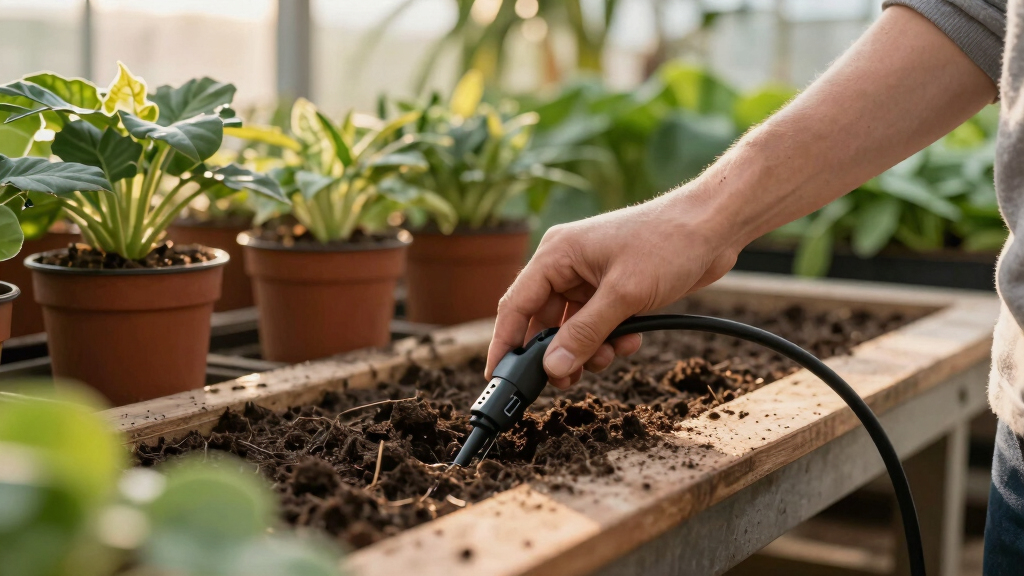
Installation typically involves laying the cable in a serpentine pattern across your soil beds, avoiding overlapping to prevent hot spots. Secure the cable with soil stakes or clips to keep it in place during planting. Make sure the thermostat sensor is correctly positioned within the soil for accurate temperature regulation. Follow the manufacturer’s instructions carefully to ensure safety and optimal performance, and avoid damaging the cable during installation.
Will a soil heating cable raise the soil temperature enough for my plants?
Most soil heating cables are designed to raise soil temperature by a few degrees, which is usually enough to extend the growing season or prevent frost damage. The actual temperature increase depends on the wattage, soil moisture, and ambient conditions. Using a cable with a thermostat helps maintain a consistent temperature, avoiding overheating or under-heating, both of which can adversely affect plant growth.
What safety precautions should I take when using a soil heating cable?
Always follow the manufacturer’s safety instructions, including proper grounding and waterproof connections. Install the cable away from water sources and ensure the power supply is protected by a ground fault circuit interrupter (GFCI). Regularly inspect the cable for damage or wear, and never operate a damaged cable. Proper installation and safety measures reduce the risk of electrical hazards and prolong the cable’s lifespan.
Is it worth paying more for a cable with a digital thermostat?
Investing in a digital thermostat generally offers better control, allowing you to set precise soil temperatures and program heating schedules. This can lead to energy savings, healthier plants, and less manual adjustment. While more expensive upfront, a digital thermostat often pays for itself through improved efficiency and convenience, especially in larger or more demanding greenhouse environments.