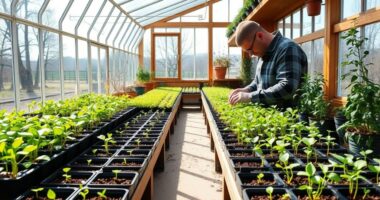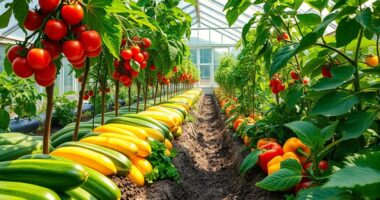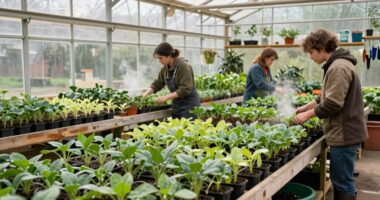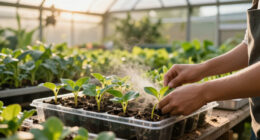
To build a seasonal flow that simplifies greenhouse gardening, plan a continuous planting and harvesting schedule, using crop rotation and succession strategies to keep things running smoothly year-round. Implement reliable watering systems like drip irrigation and automate them for consistency. Use integrated pest management and environmental controls to prevent infestations and pests. Manage your greenhouse efficiently by coordinating these practices, so your garden stays productive and healthy through all seasons. Keep going to discover how these steps come together for seamless greenhouse management.
Listen free for 30 days with Audible
Thousands of audiobooks and originals — cancel anytime.
As an affiliate, we earn on qualifying purchases.
Key Takeaways
- Develop a detailed planting and harvesting schedule to ensure continuous, year-round crop production.
- Implement crop rotation and succession planting to optimize space and reduce disease risk.
- Use automated environmental controls to maintain optimal temperature, humidity, and lighting throughout seasons.
- Integrate efficient watering and pest management systems for consistent crop health and reduced labor.
- Plan environmental and crop adjustments based on seasonal changes to extend growing seasons and simplify maintenance.
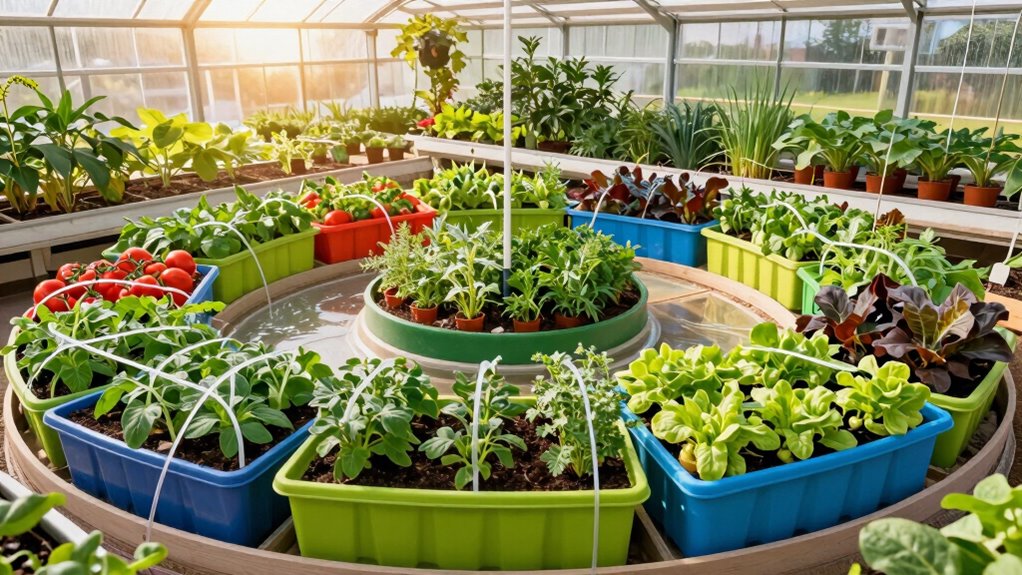
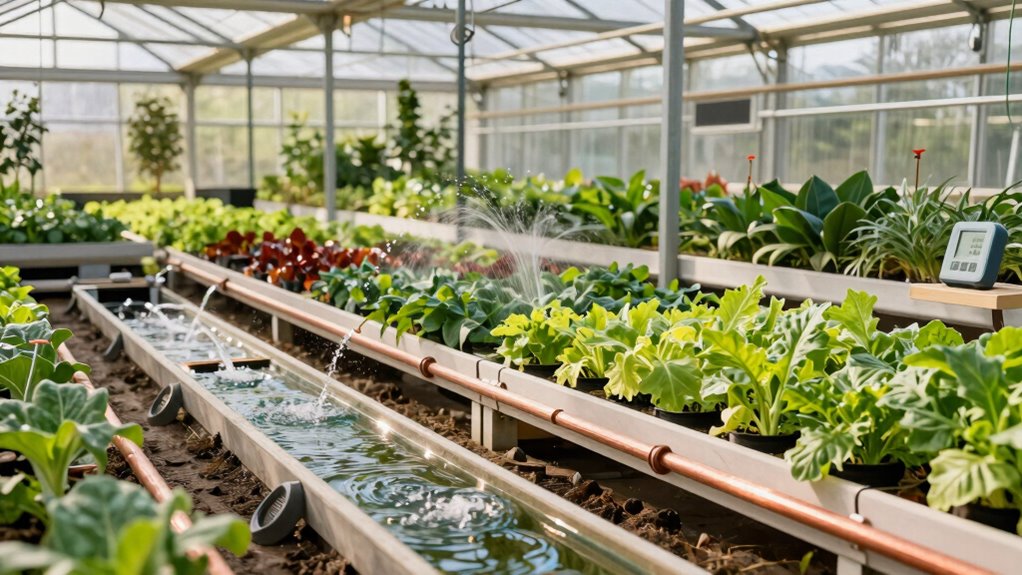
Building a seasonal flow in greenhouse gardening guarantees you can grow a variety of crops year-round, regardless of outside weather conditions. To achieve this, you need to plan your planting and harvesting schedules carefully, guaranteeing a continuous cycle of crop production. This approach minimizes downtime and maximizes your greenhouse’s productivity. One essential aspect of maintaining a steady seasonal flow is implementing effective watering systems, like drip irrigation. Drip systems deliver water directly to the roots, reducing waste and assuring plants receive consistent moisture. This not only promotes healthy growth but also helps prevent overwatering, which can lead to root rot or other issues. By automating your watering with drip irrigation, you reduce labor and confirm your plants get the right amount of water at the right time, no matter the season. Additionally, utilizing watering systems that are reliable and efficient can significantly improve your overall crop yield and health.
Alongside watering, pest management plays a critical role in maintaining a smooth seasonal flow. Pests can quickly derail your crop cycle, causing damage and delays in harvests. To keep pests at bay, you should adopt integrated pest management (IPM) strategies that combine biological controls, cultural practices, and targeted use of organic pesticides when necessary. Regular inspection of your plants helps you catch infestations early, preventing them from spreading and affecting your entire crop schedule. Creating a pest-resistant environment involves practicing good sanitation, removing weeds and debris, and using physical barriers like row covers or screens. These measures help you maintain healthy plants and avoid setbacks caused by pests, securing your seasonal cycle remains uninterrupted. Incorporating pest management techniques can further enhance your ability to adapt to changing conditions and optimize your planting schedule. Implementing environmental controls such as temperature and humidity regulation can additionally support pest prevention efforts by creating less favorable conditions for pests to thrive. Proper environmental controls also contribute to climate regulation, which is vital for extending growing seasons and stabilizing crop production.
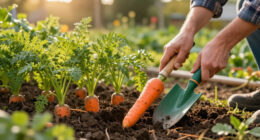
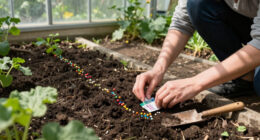
Another key to building an effective seasonal flow is crop rotation and succession planting. You want to plan your planting schedule so that as one crop is harvested, another is ready to take its place. This continuous planting cycle ensures your greenhouse remains productive throughout the year. Adjusting the timing of your crops based on growth rates and seasonal changes allows you to stay ahead of pests and diseases, which tend to thrive in specific conditions. Additionally, managing your environment’s temperature, humidity, and light levels helps you extend growing seasons and adapt to changing weather patterns outside. Utilizing crop management techniques can help you better coordinate your planting schedules and environmental controls for optimal results. Proper crop rotation also helps improve soil health and reduces the risk of soil-borne diseases, contributing to a more sustainable and productive greenhouse system.
Ultimately, creating a seasonal flow in your greenhouse isn’t just about planting and harvesting; it’s about managing every aspect of your system efficiently. Using drip irrigation ensures plants stay hydrated with minimal effort, while strategic pest management prevents infestations from disrupting your cycle. With careful planning, you’ll enjoy a steady stream of fresh produce, making your greenhouse gardening both easier and more rewarding all year long.
drip irrigation system for greenhouse
As an affiliate, we earn on qualifying purchases.
As an affiliate, we earn on qualifying purchases.
Frequently Asked Questions
How Do I Adapt the Seasonal Flow for Different Greenhouse Sizes?
You adapt the seasonal flow for different greenhouse sizes by adjusting crop rotation schedules and pest management strategies. In smaller greenhouses, rotate crops more frequently to prevent soil depletion and pests. Larger spaces may need a more detailed plan, including dividing the area into sections for targeted pest control and crop rotation. Always consider airflow, plant spacing, and accessibility, ensuring your seasonal flow keeps pests out and nutrients cycling efficiently.
What Are Common Mistakes to Avoid When Designing a Seasonal Flow?
Imagine you’re in a medieval kitchen, planning a feast—mistakes can spoil the whole event. To avoid this, don’t skip soil preparation, which guarantees healthy plants, and choose the right plant selection for each season. Overcrowding or ignoring seasonal cues leads to poor yields. Always plan your flow with crop rotation in mind, and test soil health regularly. These steps help prevent common pitfalls and create a successful greenhouse season.
How Often Should I Adjust the Flow Based on Weather Changes?
You should adjust your seasonal flow whenever there’s a significant weather change, like heavy rain or drought, to maintain ideal soil moisture. Regularly monitor rainwater harvesting levels and soil moisture sensors to determine when adjustments are needed. During rainy periods, reduce water flow to prevent overwatering, and increase it during dry spells. This proactive approach helps your greenhouse stay balanced, promoting healthier plants and more efficient water use.
Can a Seasonal Flow Be Integrated With Automated Watering Systems?
Yes, you can integrate a seasonal flow with automated watering systems like drip irrigation. By connecting soil moisture sensors, you guarantee the system adjusts watering based on current moisture levels, making it more efficient. This setup allows you to automate watering according to seasonal changes, reducing water waste and preventing over- or under-watering, ultimately making your greenhouse gardening more manageable and healthier for your plants.
What Are the Costs Associated With Implementing a Seasonal Flow?
The costs for implementing a seasonal flow vary based on your greenhouse size and complexity. You should start with a detailed cost estimation, including materials, labor, and automation integration. Budget planning is essential to cover these expenses without surprises. Investing in quality components might seem costly initially, but it guarantees durability and efficiency, ultimately saving you money and effort in the long run.
Conclusion
By creating a seasonal flow, you turn greenhouse gardening into a smoother, more predictable process. Imagine planting tomatoes in early spring, shifting seamlessly to herbs in summer, then rotating to leafy greens for fall—all guided by your schedule. Just like Sarah, who doubled her yield by planning her plant cycles around seasonal flows, you’ll find your gardening becomes more rewarding and less stressful. Embrace this method, and watch your greenhouse thrive year-round.
NFL season / tailgating Picks
team gear
As an affiliate, we earn on qualifying purchases.