
To heat less while protecting your plants in winter, assess their hardiness and frost tolerance first. Use microclimates, natural shelter, and insulation coverings like mulch and bubble wrap to reduce heat loss. Employ energy-efficient devices such as solar or geothermal systems, and set smart thermostats to avoid unnecessary warming. Keep an eye on signs of cold stress and adjust your approach based on weather and plant needs. Explore solid strategies to save energy without risking your garden’s health.

Get garden gear delivered free with Prime
- Fast, free delivery on millions of items
- Prime Video, Amazon Music and more included
- Member-only deals all year
Key Takeaways
- Identify plant hardiness zones and frost tolerance to determine appropriate protection levels and avoid unnecessary heating.
- Use natural microclimates, windbreaks, and strategic shading to reduce heat loss and protect plants passively.
- Insulate roots and soil with mulch, straw, or foam panels to retain warmth without extra energy input.
- Implement energy-efficient heating options like solar, geothermal, or targeted electric devices with smart controls.
- Monitor plant health and environmental conditions regularly, adjusting heating and covering strategies to prevent cold stress efficiently.
How Cold Can Your Plants Handle?
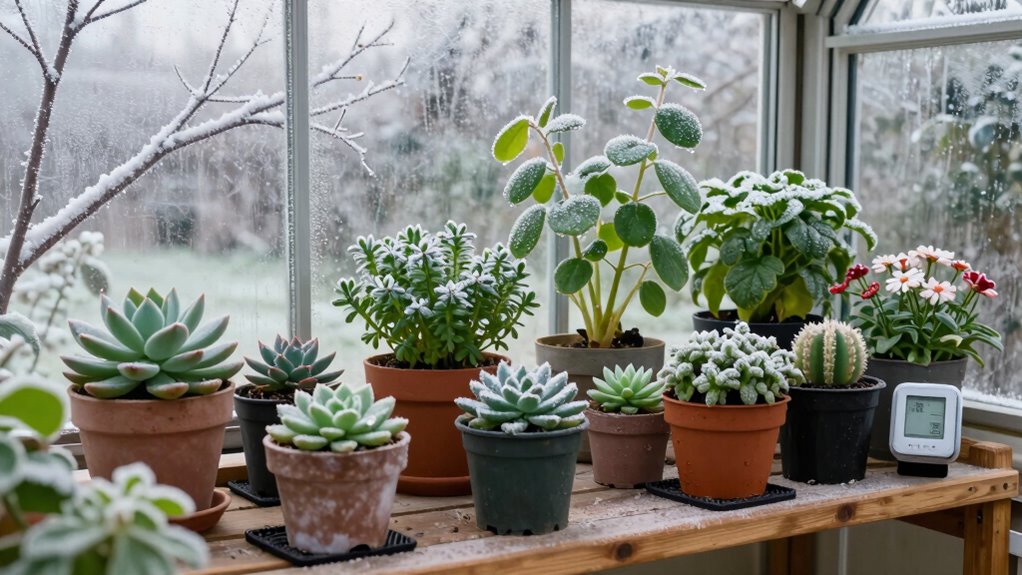
How cold your plants can withstand depends on their species and hardiness zone. Knowing your plant’s hardiness helps you gauge its frost tolerance and protect it accordingly. For example, some plants thrive in colder zones and tolerate frost down to -20°F, while others struggle below freezing. Check the USDA Plant Hardiness Zone Map to identify your zone and understand your plants’ limits. Frost tolerance varies widely; hardy plants can survive light frosts, but tender ones need protection or indoor moves when temperatures drop. Recognizing your plants’ specific hardiness and frost tolerance ensures you don’t over- or under-protect them during winter, helping you make smarter decisions about heating and sheltering to keep your garden healthy.
When Do Outside Temperatures Warrant Garden Heating?
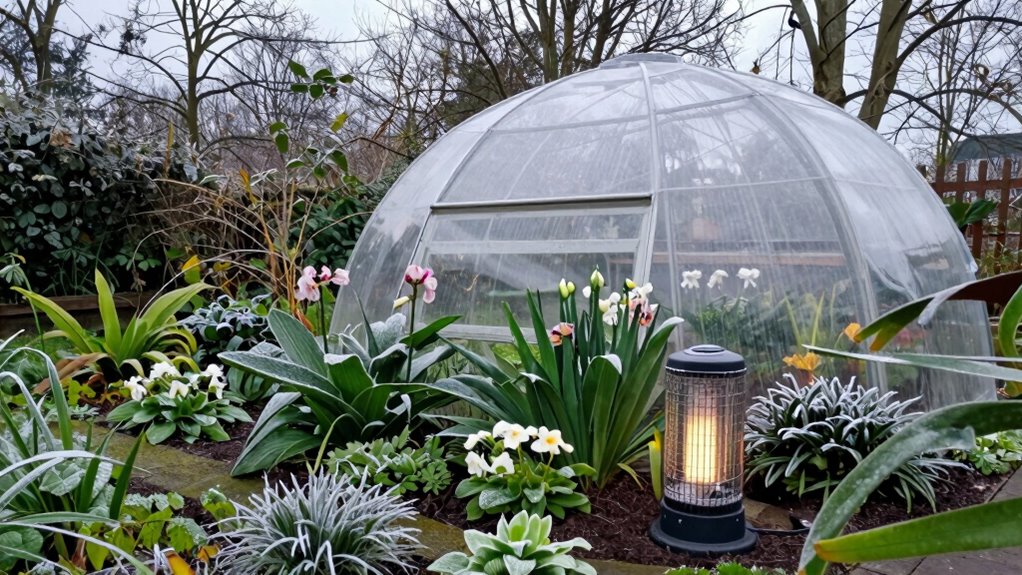
Knowing your plants’ frost tolerance helps you determine when outside temperatures get low enough to require additional garden heating. Understanding plant hardiness zones and frost dates guides your decision. When temperatures approach or dip below your area’s typical first and last frost dates, it’s time to contemplate heating options. If your plants are in zones with short, cold winters, extra warmth may be necessary sooner. Keep an eye on these factors:
Knowing your plant’s frost tolerance helps you decide when to add garden heat.
- Frost dates predicted by local weather services
- The specific plant hardiness zone of your garden
- Sudden cold snaps or unseasonably low temperatures
- Extended periods of frost forecasted over several nights
- European cloud servers can support systems that help monitor and analyze local weather data to make more informed heating decisions.
What’s the Best Insulation to Keep Your Garden Warm?

Choosing the right insulation for your garden depends on the material options available and how effectively they work when installed. You should also consider the cost and how durable each option is over time. Proper insulation not only conserves heat but also enhances overall energy efficiency, ensuring your garden stays warm with less effort. Let’s explore which insulation methods can keep your garden warm efficiently and reliably.
Insulation Material Options
Selecting the right insulation material is essential for keeping your garden warm during the colder months. The best options help maintain consistent soil temperature, supporting healthy plant growth and preserving soil moisture. Consider these effective materials:
- Straw or hay: Natural, breathable, and affordable, they insulate roots well.
- Bubble wrap: Lightweight and reflective, ideal for protecting sensitive plants.
- Mulch: Organic or inorganic, it retains heat and moisture, fostering ideal soil conditions.
- Foam boards: Rigid, durable, and highly insulating, they create a barrier against cold air influx.
Each option offers unique benefits, so choose based on your garden’s needs and the level of insulation required. Proper insulation ensures plants stay warm and soil remains moist, enhancing winter resilience. Additionally, understanding climate considerations can help you select the most effective insulation for your specific environment.
Installation Techniques Effectiveness
The effectiveness of insulation techniques depends largely on how well you install them, guaranteeing they create a continuous barrier against the cold. Proper installation prevents gaps where cold air can seep in, which is vital for maintaining warmth. When installing insulation, consider integrating drip irrigation systems to keep soil moist and healthy, reducing plant stress during winter. Additionally, effective pest control measures should be in place, as pests can weaken plant defenses and make them more vulnerable to cold damage. Secure insulation tightly around plant beds and cover vulnerable areas thoroughly. Avoid gaps and overlaps that could compromise insulation’s integrity. Well-installed insulation combined with strategic pest management helps sustain warmth, protects your plants, and ensures your winter gardening efforts are successful. Expertise spans various architectural needs to ensure your garden’s insulation is both effective and durable.
Cost and Durability
When it comes to keeping your garden warm during winter, investing in the right insulation can make a significant difference in both cost and longevity. Budget options like bubble wrap or straw mulch offer immediate savings but may wear out faster. For long-term durability, materials such as rigid foam panels or double-layered horticultural fleece provide better insulation and last multiple seasons. Consider these options:
- Bubble wrap for quick, affordable coverage
- Straw mulch for natural insulation
- Rigid foam panels for lasting protection
- Double-layered fleece for enhanced durability
Choosing the best insulation depends on balancing initial costs with how long it will remain effective. Prioritizing long-term durability ensures you won’t need frequent replacements, ultimately saving money and protecting your plants reliably through harsh winters. Additionally, understanding the thermal properties of different materials can help you select the most efficient insulators for your specific climate.
How Can Microclimates Protect Your Plants Naturally?
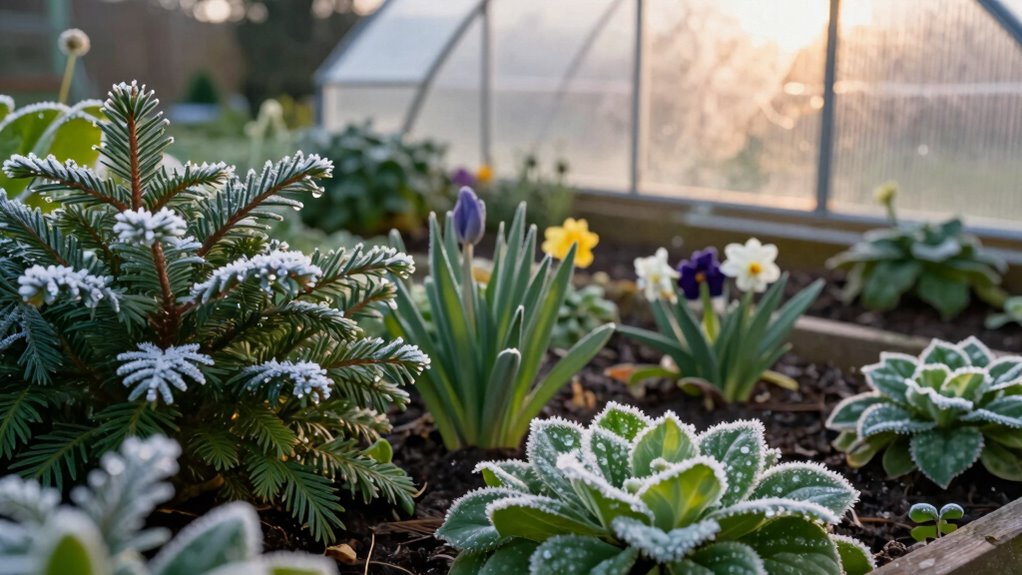
You can protect your plants naturally by creating microclimates around them. Using natural shelter walls, like fences or shrubs, provides insulation and blocks harsh winds. Additionally, harnessing sun and shade helps regulate temperature and keeps your plants cozy during cold weather. Incorporating seasonal events and promotions can also encourage community engagement in sustainable gardening practices.
Utilizing Natural Shelter Walls
Utilizing natural shelter walls offers an effective way to create microclimates that protect your plants from harsh winter conditions. By positioning your plants near natural windbreaks or frost barriers, you can considerably reduce wind chill and temperature fluctuations. These natural structures, like hedges, stone walls, or dense shrubs, serve as effective shields against cold drafts. They help retain heat and prevent frost from settling on vulnerable plants. To maximize their benefit, consider the following:
- Planting dense evergreen hedges as windbreaks
- Using existing stone walls to block cold air flows
- Arranging plants close to natural barriers for added warmth
- Incorporating large shrubs to serve as frost barriers
Employing proper plant placement techniques around natural shelter walls can further enhance their protective effects, making your garden more resilient during winter.
Harnessing Sun and Shade
Harnessing sun and shade is a natural way to create microclimates that protect your plants during winter. By using solar shading, you can reduce excessive heat loss and prevent frost damage. Planting taller shrubs or installing shade cloths casts shadows, which slow down cooling overnight. Shadow casting helps insulate vulnerable plants by trapping warm air close to their surfaces. Positioning your plants to maximize sun exposure during the day warms them naturally, while strategic shading during coldest hours shields them from harsh winds and frost. This balance of sun and shade creates a microclimate that minimizes energy use and keeps your plants healthier throughout winter. Additionally, selecting the right wicking materials can enhance moisture retention and help maintain consistent hydration during colder months. Take advantage of natural light patterns to optimize your outdoor space’s resilience against winter cold.
Which Coverings and Mulches Reduce Heat Loss?

Have you ever wondered which coverings and mulches can best reduce heat loss during winter? Using the right covering mulches can crucially improve heat retention around your plants. Thick, organic mulches like straw, wood chips, or shredded bark create an insulating layer that traps soil warmth. Inorganic options such as black plastic or landscape fabric also help reduce heat loss by blocking cold air and minimizing soil cooling. A few effective choices include:
- Straw or hay mulch for natural insulation
- Shredded bark or wood chips for durability
- Black plastic sheeting for moisture retention and warmth
- Landscape fabric to reduce cold air contact
Selecting appropriate coverings and mulches ensures your plants retain essential heat, protecting them from winter chill and helping you maintain a healthier garden. Additionally, understanding the heat retention properties of different mulches can guide you in making the best choice for your garden’s needs.
What Are Low-Heat Heating Options That Save Energy?
Choosing low-heat heating options can substantially reduce energy consumption while keeping your space warm. Renewable solutions like solar panels and geothermal heating are effective, eco-friendly choices. Solar panels convert sunlight into electricity, powering minimal heat sources efficiently. Geothermal systems tap into the earth’s constant temperature, providing steady warmth with low energy use. These options are ideal for maintaining essential warmth without high utility bills. To compare, consider the following:
| Heating Method | Energy Source | Benefits |
|---|---|---|
| Solar panels | Sunlight | Cost-effective, renewable |
| Geothermal heating | Earth’s heat | Reliable, low operating costs |
| Electric space heaters | Electricity (grid) | Portable, easy to control |
| Infrared panels | Radiant heat from energy source | Energy-efficient, targeted |
| Biomass stoves | Wood or pellets | Sustainable, low emissions |
Utilizing energy-efficient technologies in your heating system can further enhance savings and sustainability.
How to Use Smart Thermostats and Heating Devices Effectively?
Smart thermostats and heating devices can enhance your energy use and keep your home comfortable with minimal effort. To do this effectively, program your smart thermostat to lower temperatures during nighttime or when you’re away, and set it to warm up before you return. Use heating devices strategically, focusing on rooms where plants or people need warmth most. Consider the following tips:
- Schedule temperature adjustments based on daily routines
- Utilize adaptive learning features to refine settings over time
- Combine heating devices with zone controls for targeted warmth
- Regularly update firmware to ensure peak performance
How Should You Monitor and Adjust Your Winter Garden Heating?
You need to keep an eye on indoor temperatures to guarantee your winter garden stays comfortable. When it gets too cold or too warm, adjust your heating system accordingly. Regular monitoring helps you save energy and maintain a perfect environment for your plants.
Monitor Indoor Temperatures
Monitoring indoor temperatures effectively is essential to maintaining a comfortable winter garden environment. Consistent measurements help you prevent temperature swings that can stress plants. Use a reliable thermometer placed at plant height, avoiding drafts and direct sunlight. Keep an eye on indoor humidity, as it influences plant health and temperature perception. Proper plant placement can also help stabilize microclimates within your space. Consider these key points:
- Place thermometers near your plants for accurate readings
- Adjust plant placement to avoid cold drafts or heat sources
- Track indoor humidity levels alongside temperature
- Use a hygrometer to monitor indoor humidity accurately
Adjust Heating Accordingly
To keep your winter garden comfortable, adjusting your heating based on real-time temperature data is essential. Monitor indoor temperatures closely and respond accordingly to prevent unnecessary heat, which can disrupt plant dormancy. If temperatures rise, lower your heating to save energy and avoid overstimulating your plants. Conversely, if it gets too cold, increase warmth to protect your garden. Consistent monitoring helps you maintain stable conditions, reducing stress on your plants and ensuring they stay in dormancy or wake up gradually. Adjusting heating also influences watering schedules; warmer temperatures may require more frequent watering, while cooler conditions mean less. By fine-tuning your heat, you create an ideal environment that balances energy efficiency and plant health throughout winter.
What Are Signs Your Plants Are Cold-Stressed?
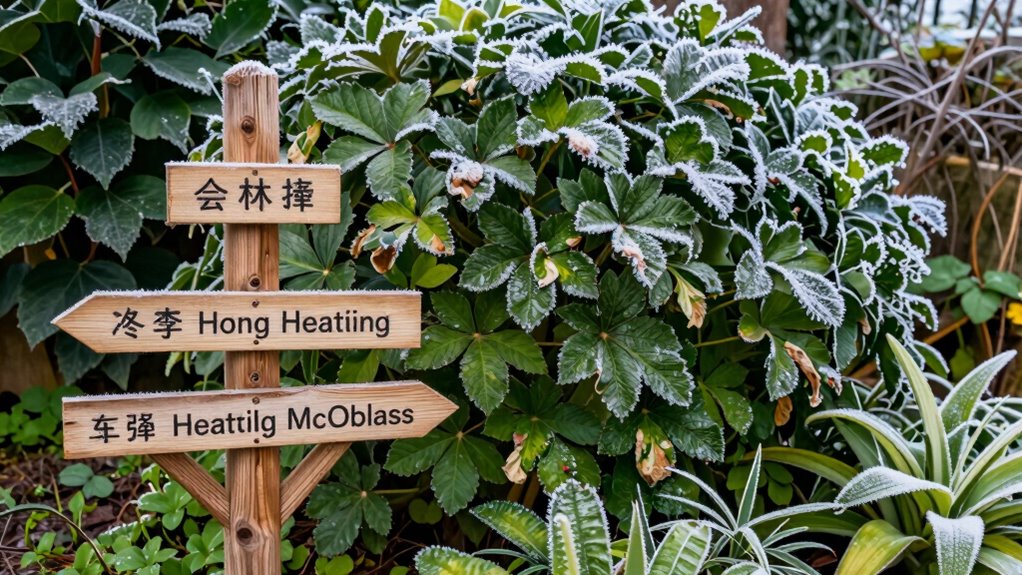
When plants are cold-stressed, their leaves often exhibit telltale signs that indicate they’re struggling to cope with low temperatures. You’ll notice changes that suggest their natural plant hardiness and frost tolerance are being tested. Watch for:
- Wilting or drooping leaves, indicating stress and dehydration
- Leaf discoloration, such as yellowing or browning edges
- Curling or crispiness, showing damage from cold exposure
- Stunted growth or dieback in new shoots
These signs can signal that your plants are not adequately adapted to the current winter conditions. Recognizing cold-stress early helps you adjust your winter gardening approach, ensuring you don’t push plants beyond their frost tolerance and compromise their health. Keep a close eye on your plants’ responses to avoid unnecessary damage.
How to Balance Plant Safety, Cost, and Conservation in Winter Gardening?
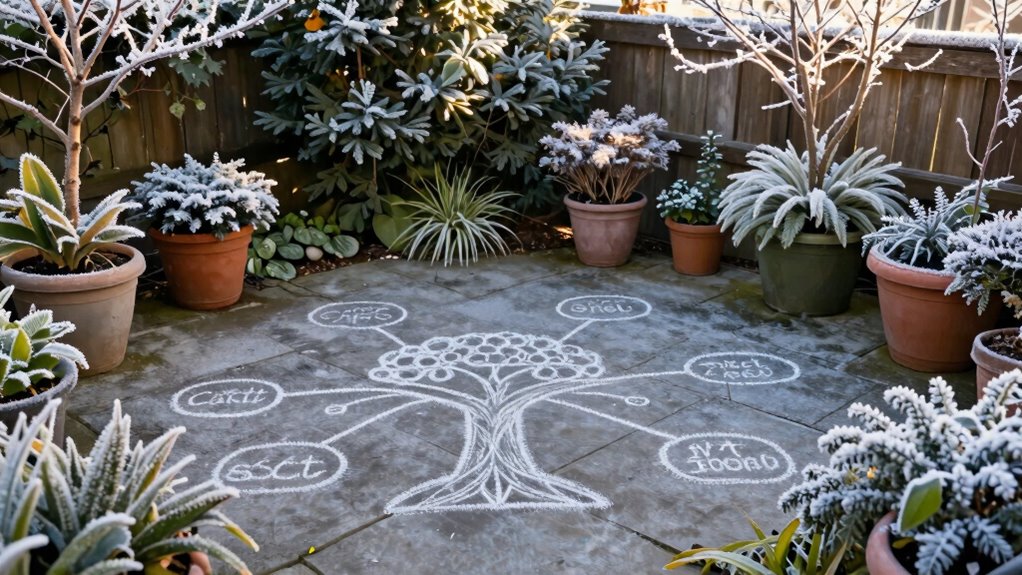
Balancing plant safety, cost, and conservation during winter gardening requires careful planning and thoughtful decision-making. First, consider your plants’ hardiness zones to avoid unnecessary heating or protective measures for plants that can tolerate colder temperatures. Use plant hardiness charts to guide your choices. To conserve water, water plants early in the day, reducing evaporation, and mulch around roots to retain moisture and insulate roots from cold. Implement energy-efficient methods like using passive heat sources, such as thermal mass or windbreaks, to keep plants safe without high heating costs. Keep a close eye on weather forecasts to adjust your strategies accordingly. By understanding plant hardiness and practicing water conservation, you can protect your garden effectively while saving money and resources.
Frequently Asked Questions
How Can I Identify if My Plants Are Too Cold?
You can tell if your plants are too cold by inspecting their plant tissue; if it feels limp or mushy, it’s a sign of cold stress. Look for frost damage, such as blackened or wilting leaves, which indicates temperatures have dropped too low. If you notice these signs, it’s best to provide extra insulation or move sensitive plants indoors to prevent further damage and protect their overall health.
Are There Natural Ways to Boost Plant Warmth Without Heaters?
Imagine wrapping your plants in a cozy blanket—natural methods do just that. You can boost warmth with compost insulation around root zones and apply mulching techniques to trap heat and retain moisture. These eco-friendly solutions act like an invisible shield, helping plants stay warm without heaters. By using compost and mulch, you create a microclimate that nurtures your plants through winter’s chill naturally and effectively.
What Are Eco-Friendly Alternatives to Traditional Garden Heating Methods?
You can use eco-friendly alternatives like compost insulation and solar heating to keep your garden warm. Compost insulation traps heat naturally around plant roots, providing insulation without energy use. Solar heating harnesses the sun’s energy through passive or active systems, warming your plants sustainably. These methods reduce reliance on traditional heaters, lower your carbon footprint, and create a healthier environment for your garden during winter months.
How Does Wind Impact Winter Plant Temperature Management?
Did you know that wind chill can lower your plants’ temperatures by up to 30°F? Wind substantially impacts winter plant temperature management by increasing heat loss through airflow. To protect your plants, manage airflow by creating windbreaks or using tarps, which reduce wind speed and minimize heat loss. This helps maintain stable temperatures, preventing frost damage and keeping your garden healthier despite cold, windy conditions.
Can Certain Plant Species Tolerate Colder Temperatures Without Heat?
Yes, some plant species can tolerate colder temperatures thanks to their high plant hardiness and frost tolerance. You should select varieties suited to your climate zone, focusing on those with proven frost resistance. These plants can survive lower temperatures without extra heating, saving energy while staying healthy. Keep in mind, understanding plant hardiness zones helps you choose the best frost-tolerant plants for your winter garden.
Conclusion
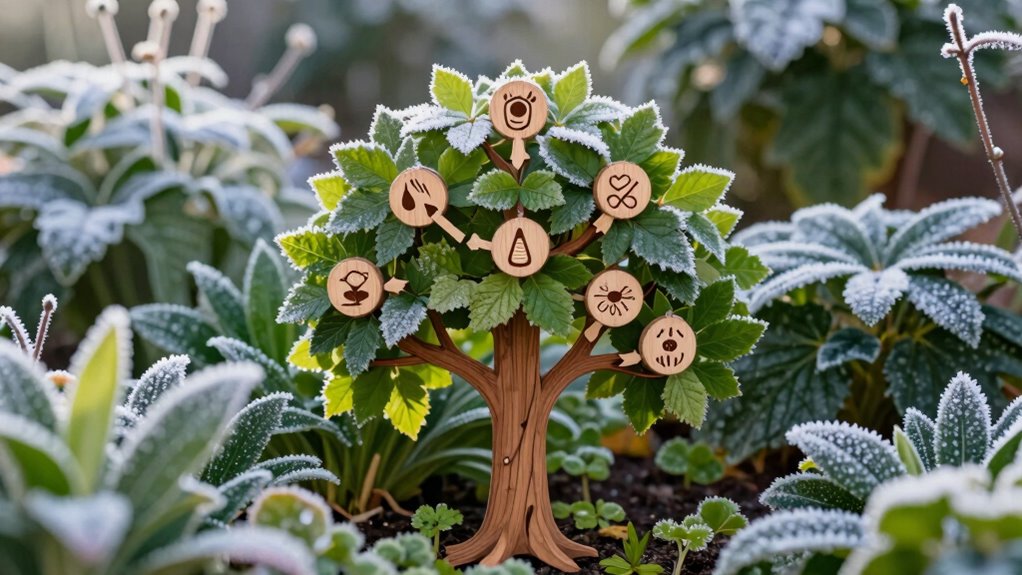
By following this winter heating decision tree, you become a gardener with a warm heart and a cool head. You’ll nurture your plants like a gentle guardian, blending science with intuition to create a cozy haven amidst the cold. Think of your garden as a delicate symphony—each decision tuning your plants to harmony. With smart choices, you’ll keep your garden thriving, proving that even in winter’s chill, warmth and life can bloom side by side.
Halloween Picks
halloween
As an affiliate, we earn on qualifying purchases.