
To overwinter tropical and tender crops in your greenhouse, you need to carefully manage temperature, humidity, and pests. Keep temperatures steady using heaters or heat mats, and insulate your space to prevent frost damage. Regularly inspect plants for pests and remove debris to reduce hiding spots. Guarantee proper airflow and monitor conditions closely to create a stable environment. Continue exploring these tips to protect your plants and ensure they thrive all winter long.

Get garden gear delivered free with Prime
- Fast, free delivery on millions of items
- Prime Video, Amazon Music and more included
- Member-only deals all year
Key Takeaways
- Maintain consistent, warm temperatures with heaters and insulation to protect tropical and tender crops from cold stress.
- Inspect plants thoroughly for pests and remove debris to prevent infestations during winter.
- Ensure proper ventilation and humidity control to reduce mold, pests, and fungal issues.
- Use biological controls and sticky traps to manage pests naturally without harming sensitive plants.
- Regularly monitor environmental conditions and act promptly to address any stress signs or pest problems.
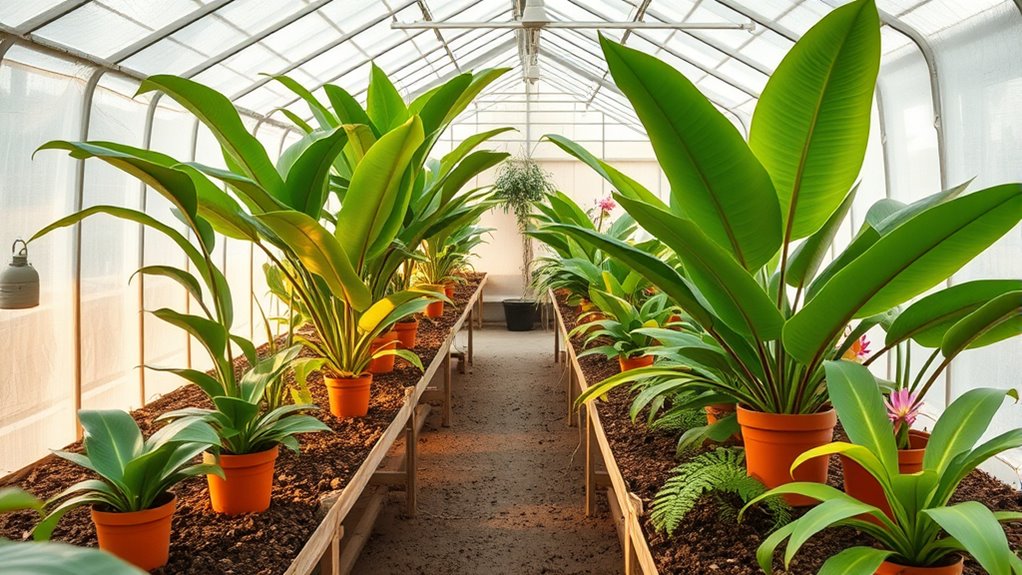
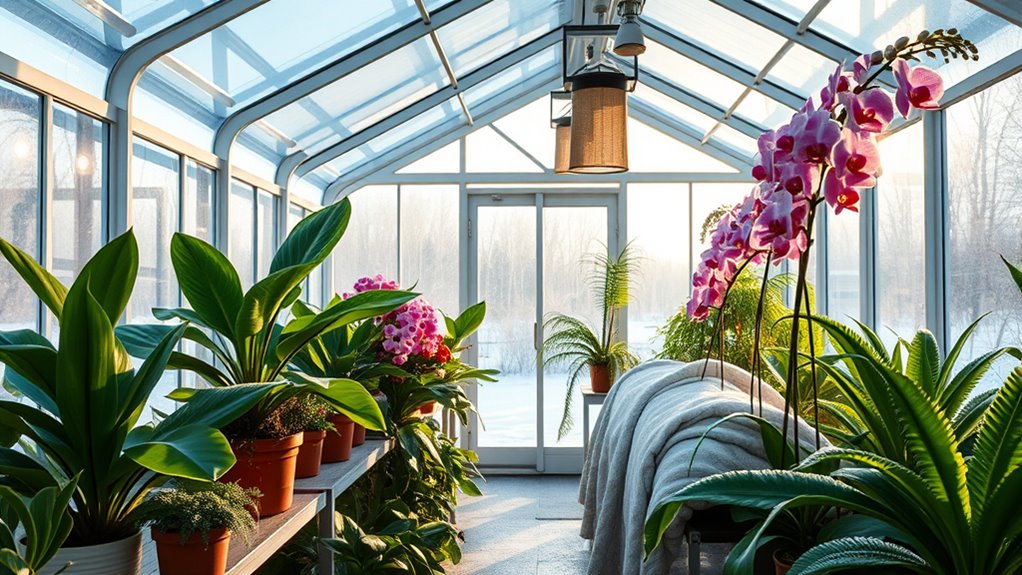
As winter approaches, it’s essential to prepare your greenhouse to protect your plants from the cold. Proper temperature management becomes a top priority to guarantee your tropicals and tender crops survive the chilly months. You’ll want to monitor the greenhouse environment closely, using a reliable thermometer to keep temperatures consistent. Keeping the temperature steady prevents stress on your plants and reduces the risk of frost damage. Installing a heater or heat mats can help maintain an ideal range, especially during the coldest nights. Insulating your greenhouse with bubble wrap or thermal curtains adds an extra layer of protection, helping retain heat and prevent sudden drops in temperature. These steps are vital to create a stable environment that mimics the warmth your plants need to thrive during winter.
Prepare your greenhouse for winter by maintaining consistent temperatures and insulating to protect tropical plants from the cold.
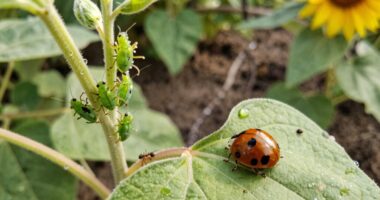
Beyond temperature control, pest prevention is another essential aspect of overwintering your plants successfully. Cooler weather often slows down pest activity, but it doesn’t eliminate the risk entirely. In fact, some pests seek shelter indoors or in warm spots within the greenhouse, where they can cause damage to your plants. As part of your winter prep, thoroughly inspect your plants for any signs of pests or disease before bringing them inside. Keep the greenhouse clean by removing fallen leaves, dead plant material, and debris that can harbor pests. Using sticky traps or biological controls can also help catch pests early, preventing infestations from taking hold during the colder months. Additionally, integrating pest management techniques can further reduce the likelihood of infestations and protect your plants throughout winter. Regularly rotating pest prevention strategies ensures a comprehensive approach to pest control. Incorporating beneficial insects such as predatory mites or ladybugs can be an effective biological control method to naturally reduce pest populations.
You should also pay attention to airflow, as stagnant air can promote the growth of mold and attract pests. Proper ventilation not only helps regulate humidity but also discourages pest populations from establishing themselves. When adjusting temperature management, be mindful of humidity levels too—high humidity can create a breeding ground for pests and diseases. Using a dehumidifier or adjusting vents can help keep humidity in check, creating a hostile environment for pests while protecting your plants. Maintaining proper airflow is crucial for preventing conditions that favor pests and fungal issues. Additionally, installing self watering plant pots can help maintain consistent moisture levels, reducing the need for frequent watering and minimizing humidity fluctuations that attract pests. Ensuring good air circulation can also help evenly distribute heat and moisture, further supporting plant health during winter.
Finally, remember that a proactive approach makes all the difference. Regularly check your plants for signs of stress, pests, or disease, and act quickly if you notice any issues. By combining effective temperature management with vigilant pest prevention, you give your tropicals and tender crops the best chance of surviving winter unscathed. With a little effort and attention to detail, you’ll guarantee your greenhouse remains a safe haven for your plants, ready to flourish again when spring arrives.
Frequently Asked Questions
How Do I Identify Which Plants Need Overwintering?
To identify which plants need overwintering, check their plant hardiness zone and compare it to your location. Plants in zones lower than your area typically require protection. Look for dormancy indicators, like leaf drop or slowed growth, signaling they’re preparing for winter. Tender tropicals and sensitive perennials often need overwintering, so monitor their responses to seasonal changes to determine if they require extra care during colder months.
What Are Common Pests During the Overwintering Process?
Imagine spotting tiny insects on your plants’ leaves—that’s pest identification in action. During overwintering, common pests like aphids, spider mites, and whiteflies can invade your greenhouse. To control them, use targeted pest control methods such as introducing beneficial insects, applying insecticidal soap, or removing affected areas. Regular inspection is key to catching pests early and keeping your plants healthy through the winter months.
Can I Overwinter Tropicals Outdoors Safely?
You can overwinter tropicals outdoors if you manage extreme temperatures carefully. Use mulch or windbreaks to protect against cold snaps, and monitor temperatures regularly. While outdoor overwintering is possible, indoor lighting requirements are often easier to control, providing consistent light and warmth. If you choose outdoor overwintering, make certain you’re prepared for sudden temperature drops and supplement with temporary heating or shade as needed.
How Often Should I Water Overwintered Plants?
You should water your overwintered plants based on their specific needs, but generally, watering frequency decreases during winter. Check the soil moisture regularly and water only when the top inch feels dry to make certain of proper plant hydration. Overwatering can lead to root rot, so it’s better to err on the side of less. Adjust your watering schedule as temperatures and humidity levels change to keep your plants healthy throughout winter.
What Are Signs of Cold Damage in Tender Crops?
You’ll notice cold damage in tender crops through frost injury, which often causes tissue death and blackened or shriveled leaves. Leaf discoloration, like yellowing or browning, also signals cold stress. If you see these signs, it’s a clear indicator that your plants have been exposed to damaging temperatures. Protect them promptly by moving them to a warmer spot or covering them to prevent further cold injury.
Conclusion
By now, you’ve learned how to shield your tropicals and tender crops through the winter months. Remember, with some planning and care, your greenhouse can become a veritable Garden of Eden even in the coldest months. Don’t forget to check on your plants regularly—think of it as your own personal greenhouse steward, just like the old-time botanists did. With patience and attention, your plants will thrive, proving that even in winter, nature’s beauty can flourish.
Halloween Picks
halloween
As an affiliate, we earn on qualifying purchases.