Your growing success depends on unseen setup choices like soil preparation, testing, and amendments. Properly evaluating your soil’s pH and nutrients, then adjusting as needed, creates a strong foundation. Rotating crops prevents pests and maintains fertility. Skipping these steps can cause poor plant health and lower yields. If you pay attention to these critical decisions, you’ll set yourself up for a thriving garden all year. Keep exploring to uncover more ways to boost your growth.
Open a free Amazon Business account
Business pricing, bulk buying and tax-exempt orders.
As an affiliate, we earn on qualifying purchases.
Key Takeaways
- Proper soil preparation influences plant health, root growth, and nutrient uptake throughout the entire growing season.
- Conducting soil testing ensures accurate amendments, optimizing pH and nutrient levels for consistent crop success.
- Implementing crop rotation prevents soil depletion and reduces pests and diseases year-round.
- Overlooking drainage and aeration can lead to root issues, affecting growth and yields long-term.
- Investing in initial setup steps promotes resilient, high-yielding crops with fewer problems across seasons.
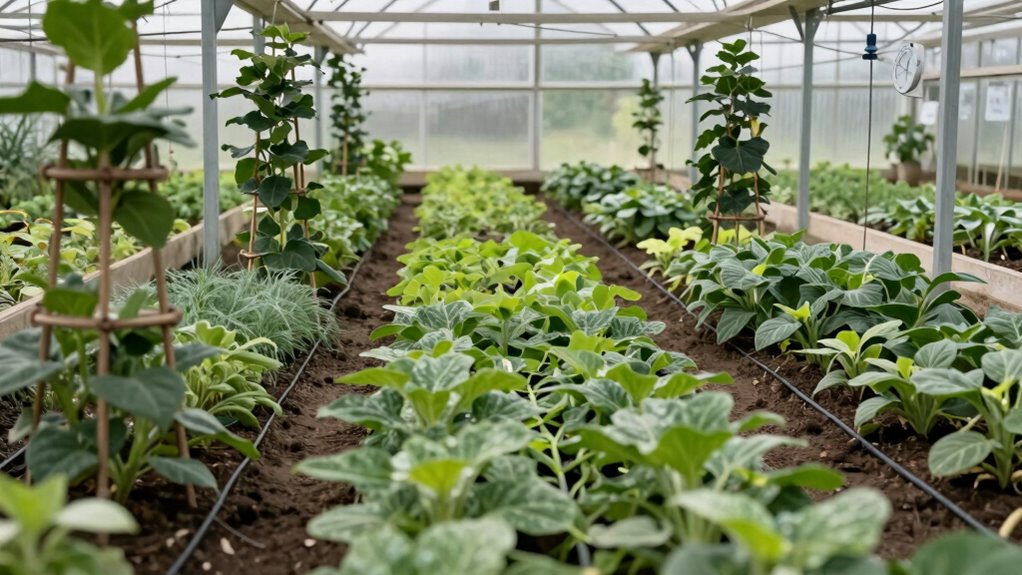
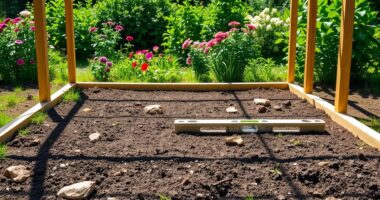
Many growers overlook the small setup decisions made at the beginning of the season, yet these choices can profoundly influence success all year long. One of the most critical early decisions involves soil preparation. Healthy, well-prepared soil acts as the foundation for a productive growing season. You need to assess your soil’s current condition—testing pH levels, nutrient content, and drainage—to determine what amendments are necessary. Proper soil preparation includes tilling, adding organic matter like compost, and ensuring proper aeration. This process directly impacts soil health, which is essential for strong root development, supporting healthy plant growth and higher yields. Skimping on this step can lead to poor plant performance, more pest problems, and even crop failure. It’s tempting to skip or rush soil prep, but doing so can cost you dearly later in the season.
Equally important is your approach to crop rotation. This practice involves changing the types of crops you plant in each bed or section from year to year. Crop rotation helps prevent soil exhaustion by reducing the buildup of pests and diseases specific to certain plants. For example, planting legumes after a heavy-feeding crop like tomatoes can naturally replenish nitrogen levels in the soil. If you neglect crop rotation, you risk depleting essential nutrients and increasing vulnerability to pests that target particular crops. Proper crop rotation also helps break pest and disease cycles, decreasing the need for chemical interventions. Planning your rotation schedule might seem like a small detail, but it has a compounding effect on soil health and pest management throughout the season. It keeps your beds productive and healthy, reducing the need for costly treatments or soil amendments later on.
These initial decisions—soil preparation and crop rotation—are often overlooked because they don’t produce immediate results. However, their influence accumulates over time, shaping the health of your soil and the resilience of your crops all year long. When you invest time in preparing your soil correctly and designing a thoughtful crop rotation plan, you set yourself up for a smoother, more successful growing season. You’ll notice fewer problems, healthier plants, and better yields, all stemming from these small but essential setup choices. Neglecting them might save time upfront, but it will cost you more in effort and frustration down the line. By paying close attention to these foundational steps, you ensure that your entire growing season is built on a solid, productive base.
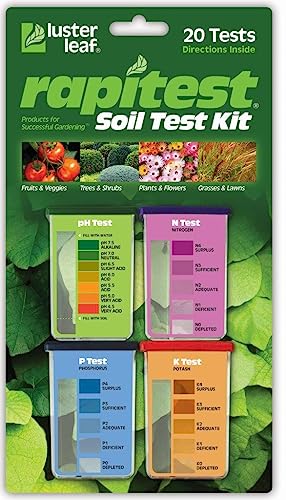
Rapitest Soil Test Kit for Gardens, Vegetables, Flowers and Lawns. USA designed and assembled soil tester completely, quickly and accurately measures/analyzes soil pH acidity and garden nutrients.
- Quick at-home soil pH and nutrient testing: Measures pH, Nitrogen, Phosphorous, Potash
- Includes 20 tests with all components: 5 tests each for pH, N, P, K
- Suitable for multiple garden spots: Test various areas in yard or garden
As an affiliate, we earn on qualifying purchases.
As an affiliate, we earn on qualifying purchases.
Frequently Asked Questions
How Do Setup Decisions Impact Long-Term Business Growth Strategies?
Your setup decisions directly influence your long-term growth strategies by addressing scaling challenges and removing innovation barriers. When you make thoughtful choices early on, you create a flexible foundation that adapts to expansion and change. This proactive approach ensures you can overcome obstacles, foster innovation, and sustain success. Ignoring these decisions may lead to bottlenecks, stifled growth, and missed opportunities, ultimately preventing your business’s ability to thrive over time.
What Are Common Overlooked Setup Errors That Hinder Success?
You might overlook resource allocation and team alignment, but these are essential for success. Misjudging resource needs can cause delays, while poor team alignment hampers collaboration and innovation. Don’t assume everything will fall into place later; addressing these setup errors early guarantees smoother growth. By proactively optimizing resource allocation and fostering team alignment, you set a strong foundation that keeps your business thriving throughout the year.
How Early Should Setup Planning Begin for Optimal Growth?
You should start setup planning at least six months before your growth initiatives begin. Early planning allows you to allocate resources effectively and guarantee your team collaborates seamlessly. By doing so, you identify potential bottlenecks, adjust resource allocation, and align team efforts. This proactive approach sets a strong foundation, reducing surprises and boosting your chances of sustained success throughout the year.
Which Setup Choices Most Influence Operational Efficiency?
Resource allocation and technology integration are your most influential setup choices. Imagine building a ship: if you allocate resources wisely and integrate the right technology, your vessel sails smoothly through storms. Poor choices here cause delays and inefficiencies. By prioritizing these aspects early, you streamline operations, reduce costs, and boost growth. When you focus on smart resource use and seamless tech integration, your business navigates challenges with confidence and agility.
How Can Setup Decisions Be Adapted for Changing Market Conditions?
You can adapt setup decisions for changing market conditions by prioritizing market flexibility and embracing adaptive planning. Stay alert to industry shifts and customer needs, then adjust your processes and resources accordingly. Implement flexible systems that allow quick modifications, and regularly review your strategies to stay aligned with current trends. This proactive approach helps you respond swiftly, minimizing disruptions and maintaining growth even when market dynamics evolve unexpectedly.
Conclusion
Remember, those tiny setup choices you make today aren’t just minor details—they’re the secret ingredients that can turn your entire growing season into a legendary success or a total disaster. One small misstep could mean the difference between thriving crops and a garden that’s barely hanging on. So, pay close attention now, because the choices you make in these vital moments will echo through every harvest, shaping your year’s success in ways you can’t even imagine.
College move-in / dorm season Picks
dorm essentials
As an affiliate, we earn on qualifying purchases.