
TL;DR

Get garden gear delivered free with Prime
- Fast, free delivery on millions of items
- Prime Video, Amazon Music and more included
- Member-only deals all year
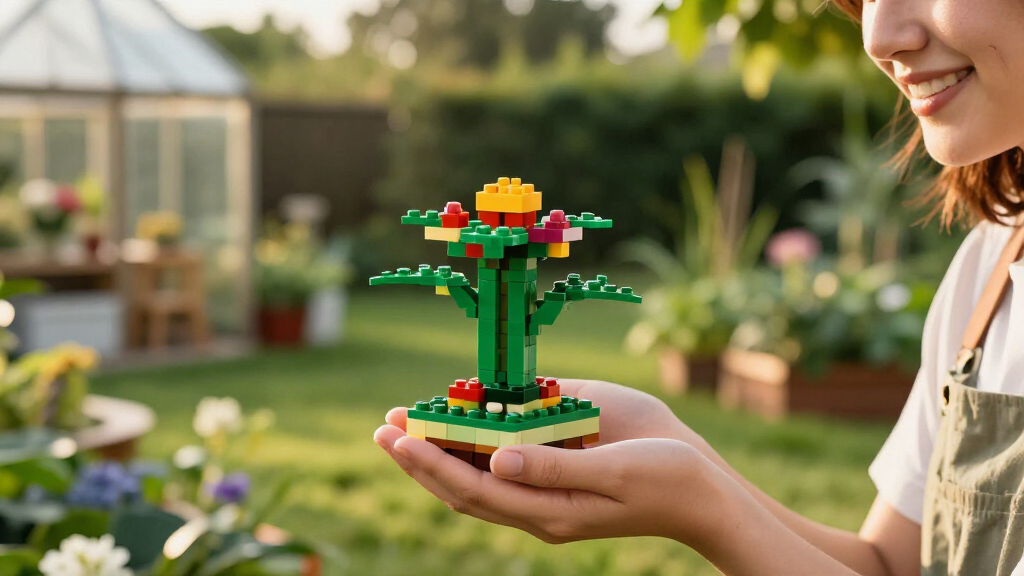
LEGO has launched a new series of brick-built houseplants, attracting widespread attention. Experts and consumers are debating whether these toy plants can match the appeal and benefits of real greenery. The development is part of a broader trend of integrating LEGO into home decor.
LEGO has unveiled a new collection of brick-built houseplants, aiming to blend the worlds of toy craftsmanship and home decor. The line, announced in March 2024, features miniature, realistic-looking plants made entirely from LEGO bricks, sparking immediate interest and debate about whether these artificial creations can truly substitute or complement real greenery in homes.
The new LEGO houseplants include various species such as succulents, ferns, and flowering plants, all designed with intricate detail to mimic their real counterparts. The sets are marketed both as decorative items and as creative building projects, appealing to both LEGO enthusiasts and consumers interested in home aesthetics. The company claims the models are durable, low-maintenance alternatives to live plants, which require watering and sunlight.
Initial reactions from online communities and social media influencers highlight a mix of curiosity and skepticism. Some praise the craftsmanship and the potential for long-lasting decor, while others question whether these toy plants can evoke the same sense of natural beauty or psychological benefits associated with real plants. Experts note that while the models are visually convincing, they lack the ecological and health benefits of living greenery.
Market analysts observe that the release aligns with a broader trend of integrating playful, customizable decor into modern living spaces. The company has not yet disclosed sales figures or detailed consumer feedback, and it remains to be seen how these products will perform in the competitive home decor market.
Potential Impact on Home Decor and Consumer Choices
The introduction of LEGO houseplants could influence consumer preferences for low-maintenance decor options, especially among urban dwellers and individuals with allergies or limited gardening space. If successful, these models might challenge the traditional market for artificial plants, which often prioritize realism over interactivity. Additionally, the line could expand LEGO’s role beyond toys into lifestyle and interior design spheres, blending playfulness with functionality.
However, the debate over whether brick-built plants can replace the aesthetic and psychological benefits of real greenery remains unresolved. For some, the tactile and living aspects of real plants are essential for mental well-being, which artificial models cannot replicate. The long-term market impact will depend on consumer acceptance and how well these models meet aesthetic and emotional needs.
As an affiliate, we earn on qualifying purchases.
Growing Interest in Non-Living Decor and LEGO’s Expansion
The trend toward non-living decor options has gained momentum in recent years, driven by urbanization, busy lifestyles, and a desire for sustainable, low-maintenance home accessories. Artificial plants, in particular, have seen increased popularity, with innovations aiming to improve realism and integration into interior design. LEGO’s entry into this space reflects a broader strategy to diversify its product portfolio and tap into lifestyle markets.
While LEGO has historically been associated with toys and collectibles, recent years have seen the company push into home decor collaborations and lifestyle products. The new houseplants are part of this expansion, aiming to combine creative building with everyday aesthetics. The timing coincides with rising consumer interest in personalized, interactive decor that offers both visual appeal and a sense of accomplishment.
It is important to note that the trend is still emerging, and the market for brick-built houseplants is untested at scale. Consumer preferences for realism, ecological benefits, and emotional connection to plants will shape the future of this niche.
Unclear Long-Term Market Acceptance and Ecological Impact
It is not yet clear how consumers will respond to the new LEGO houseplants over time. Questions remain about their durability, aesthetic appeal in diverse interior styles, and whether they can truly replace the emotional and ecological benefits of real plants. Market data is currently unavailable, and the product line is still in early distribution phases.
Additionally, the environmental impact of manufacturing and disposing of plastic LEGO models as decor items has not been addressed. The sustainability aspect remains an open question, especially among eco-conscious consumers.
Next Steps in Market Testing and Consumer Feedback
LEGO plans to monitor initial sales and gather consumer feedback in the coming months to assess the product’s reception. Retailers and online platforms will provide insights into consumer preferences and areas for potential improvement. The company may consider expanding the product line with additional plant varieties or incorporating new features to enhance realism and engagement.
Further development may focus on increasing the authenticity of the models, exploring sustainable materials, and enhancing interactive features to better meet consumer expectations and establish a stronger presence in the home decor market.
Key Questions
Can LEGO houseplants improve indoor air quality?
No, LEGO houseplants are purely decorative and do not have the biological functions of real plants, such as air purification.
Are LEGO houseplants suitable for outdoor use?
Currently, the products are designed for indoor decor. Exposure to weather elements could damage the bricks and reduce their aesthetic appeal.
How durable are brick-built houseplants?
They are made from standard LEGO bricks, which are durable but can be damaged if mishandled or subjected to excessive force.
Will LEGO release more plant varieties?
There has been no official announcement, but market interest could influence future product expansions.
Do brick-built plants require any maintenance?
No, unlike real plants, they do not need watering, sunlight, or pruning, making them low-maintenance decor options.
Source: rss
Fall yard work Picks
leaf blowers
As an affiliate, we earn on qualifying purchases.