TL;DR

Get garden gear delivered free with Prime
- Fast, free delivery on millions of items
- Prime Video, Amazon Music and more included
- Member-only deals all year
A Gardening Know How report uses the cactus garden visible from Mandy Moore’s former Pasadena home as inspiration for a landscape guide. Experts say gardeners can get a similar sculptural effect outside hot climates by choosing cold-tolerant varieties, providing good drainage and matching plants to the space.
Gardening Know How has published advice on creating a statement-cactus garden inspired by the plants visible through the floor-to-ceiling windows of Mandy Moore’s former Pasadena home. Landscape and property-management professionals cited in the report say gardeners do not need a hot-climate garden to pursue the look, but must choose species suited to local conditions and provide well-drained soil.
The report describes the large cacti outside Moore’s living room as a sculptural focal point visible from indoors. It identifies the plants as likely Euphorbia ammak, but does not confirm the species. That plant is generally suited to USDA Hardiness Zones 9b through 11b, according to the article, so it may not work in colder locations.
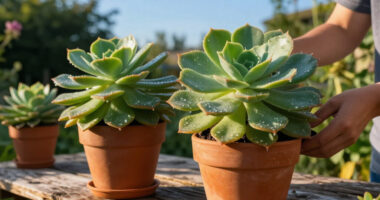
Marta Pawlik, co-founder and director of luxury property-management company Laik, recommends choosing plants according to both garden size and the effect a homeowner wants. In her advice, golden barrel cacti suit smaller gardens, prickly pears can add texture in mid-sized spaces, and blue columnar varieties can make a strong impression in larger landscapes. The article says some cold-hardy prickly pears, including Opuntia humifusa, can grow as far north as USDA Zone 4.
Landscape architect Noé Lerma of GreenMex names organ cacti, barrel cacti and Pachycereus among options for a pronounced visual effect. For a Moore-inspired vertical silhouette, the article points to Cereus peruvianus and blue myrtle cactus. It advises against crowding large specimens together, suggesting instead one statement cactus, a small number of companion plants and a textured ground cover such as crushed stone.
Choosing Cacti for Your Climate
The advice broadens the appeal of a garden style often associated with hot, dry regions. A cactus’s shape can provide structure throughout the year, rather than relying on a short flowering period, but the look is not a one-size-fits-all planting plan. Cold tolerance, drainage and mature size determine whether a plant is a practical choice for a particular yard.
That distinction matters for homeowners who might otherwise buy a dramatic specimen based on appearance alone. The article’s experts stress that a cactus can become visually overwhelming if it is too large for its setting or placed too close to other focal plants. Selecting a suitable variety and giving it room can help create the intended architectural effect without turning the garden into a crowded collection.
The report also frames cacti as relatively low-maintenance plants, but that should not be read as a guarantee that every cactus needs no care. Its cold-climate advice specifically points to proper drainage as a condition for hardy prickly pears to withstand winter. Local growing conditions and the individual species still matter.
cold hardy Opuntia humifusa prickly pear cactus live plant
As an affiliate, we earn on qualifying purchases.
As an affiliate, we earn on qualifying purchases.
The Pasadena Garden Inspiration
The source report says Moore’s former Pasadena house was put on the market and describes the cacti seen through its living-room windows. The garden’s impact, in the writer’s account, came from the plants’ scale and visibility from inside, making the outdoor planting function as a kind of living visual feature. The report offers the scene as inspiration, not as a verified landscape plan or a confirmed identification of each plant.
Its recommendations come from two people with different professional perspectives. Pawlik discusses plant choices based on her experience with statement cacti at premium properties, while Lerma offers landscape-design guidance on species, spacing and companion plants. Their suggestions include blue fescue, fountain grass and other plants, as well as crushed stone around the base to support drainage and reinforce a dry-garden style.
The article’s key distinction is between copying a specific plant and recreating its visual effect. Since the cactus outside Moore’s home is only described as likely to be Euphorbia ammak, gardeners in colder regions may need a different species with a similar upright form rather than attempting to grow the same plant.
“Cacti serve as great focal points because they fill up the space they occupy without any effort.”
— Marta Pawlik, co-founder and director of Laik, as quoted by Gardening Know How
Species and Site Conditions
The report does not confirm which cactus species grow at Moore’s former home; it says the plant is likely to be Euphorbia ammak. It also does not give a publication date, provide a full planting plan for particular regions, or establish that every variety named will thrive in every garden within a listed hardiness zone.
Gardeners still need to check the mature size, minimum temperature tolerance and drainage needs of the plant they select, alongside local site conditions. The source does not quantify maintenance requirements, and its description of a property operating with zero maintenance is Pawlik’s account rather than a general guarantee. The article also does not specify the degree of winter protection or exact soil conditions needed for each suggested species.
Match Plants to Local Winters
The practical next step for readers is to identify their garden’s hardiness zone and compare it with the needs of the particular cactus they are considering. For colder areas, the report points to hardy prickly pear as a possible option and recommends prioritizing drainage. Anyone drawn to Moore’s upright look can search for a cold-suitable species with a similar form instead of assuming the likely Pasadena plant will suit their climate.
Before buying, gardeners can also plan for the cactus’s eventual height and width, choose a site where it can serve as a focal point, and decide whether a limited amount of companion planting or stone ground cover suits the design. The report does not announce a new planting project or a follow-up development; its guidance is practical advice, and the outcome will depend on local weather, soil and species selection.
Key Questions
What cactus does the report say may be growing at Mandy Moore’s former home?
Gardening Know How says the plant is likely to be Euphorbia ammak, but it does not confirm the identification. The article lists that species as generally suited to USDA Zones 9b through 11b.
Can cacti grow in cold climates?
Some can. The report cites Opuntia humifusa, or eastern prickly pear, as a cold-hardy variety that can tolerate conditions down to USDA Zone 4. Suitability still depends on the plant and growing conditions, including drainage.
Which cacti are suggested for a vertical, architectural look?
The article points to Cereus peruvianus and blue myrtle cactus as columnar options with an upright shape. It advises checking whether a particular plant is suited to the garden’s climate before buying.
How should statement cacti be arranged?
The experts recommend giving large specimens space rather than placing several close together. The report suggests a simple layout of one focal cactus, one or two softer companions and a textured ground cover such as crushed stone.
Source: rss
Halloween Picks
halloween
As an affiliate, we earn on qualifying purchases.