
TL;DR

Get garden gear delivered free with Prime
- Fast, free delivery on millions of items
- Prime Video, Amazon Music and more included
- Member-only deals all year
Gardening interest in saving tomato seeds is rising as gardeners seek cost-effective ways to grow their own plants. Experts confirm that harvesting seeds in September is feasible, but proper technique is essential for success.
Gardening experts confirm that harvesting tomato seeds in September is an effective way for home gardeners to produce their own plants for free next season. This trend reflects growing interest in sustainable, cost-saving practices among gardeners, especially as seed prices and supply chain concerns rise.
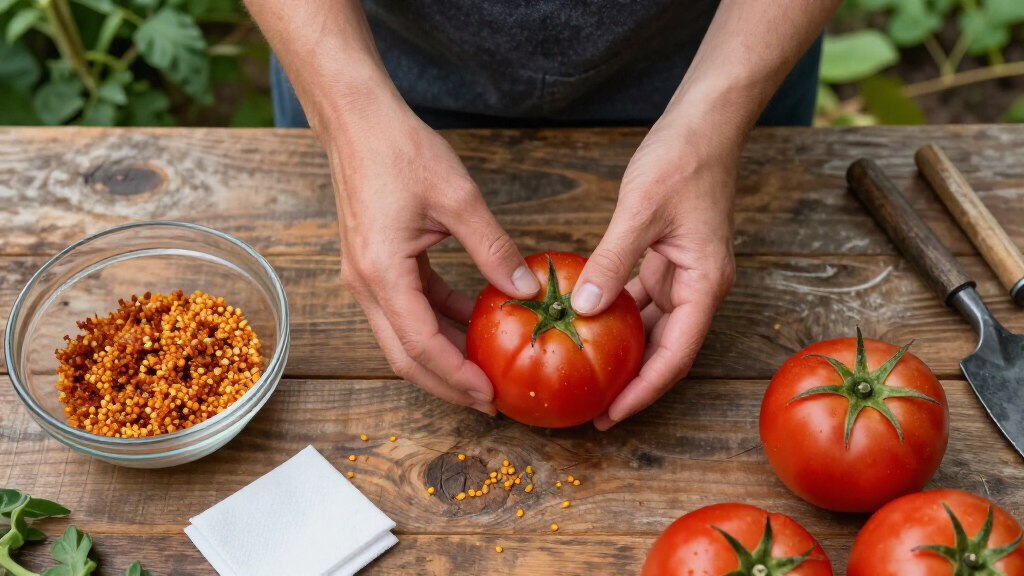
According to horticultural sources, tomatoes produce viable seeds that can be collected during the late summer months, typically in September, when fruit ripens fully on the vine. The process involves selecting mature, healthy tomatoes, extracting seeds, and properly drying them for storage. Experts emphasize that seeds from fully ripened, disease-free fruit tend to germinate better, ensuring successful replanting.
Seed harvesting requires minimal equipment: a knife or scissors to cut the fruit, a bowl for fermentation, and paper towels or screens for drying. These 7 Flower Seeds To Sow In Fall Are The Best Investment You’ll Make For Next Year’s Garden. The fermentation process, which lasts several days, helps remove the gel coating around the seeds, improving germination rates. Once dried, seeds can be stored in labeled paper envelopes or small containers in a cool, dry place until planting time.
While the technique is straightforward, experts warn that cross-pollination can affect seed purity if multiple tomato varieties are grown nearby. To maintain seed quality, isolating different varieties or hand-pollinating is recommended. Additionally, not all tomato varieties produce seeds that are true to the parent plant, especially hybrid types, which may not reliably produce identical offspring.
Why Saving Tomato Seeds in September Matters for Gardeners
Saving tomato seeds in September allows gardeners to grow new plants at minimal cost, reducing dependence on commercial seeds. It supports self-sufficiency and enables selection of desirable traits, such as flavor and disease resistance, for future crops.
This practice promotes sustainable gardening by reducing waste and fostering biodiversity. Seeds from local, heirloom varieties are often better adapted to regional conditions, leading to healthier plants and potentially higher yields. As interest in organic gardening increases, seed saving remains a valuable skill for gardeners seeking resilient and personalized plants.
Products Worth Considering

Husqvarna Power Axe 350i 18-Inch Cordless Chainsaw Kit

Husqvarna Automower 550 Commercial Robotic Lawn Mower

Solo Stove Ranger 2.0 15-Inch Smokeless Fire Pit with Stand
As an affiliate, we earn on qualifying purchases.
Seasonal Timing and the Growing Interest in Seed Saving
Interest in seed saving, especially for tomatoes, has increased recently due to concerns over seed supply and a desire for self-sufficiency. While traditional among experienced gardeners, recent trends show rising curiosity among beginners, especially during late summer when tomato fruits ripen.
Seed saving is especially relevant for heirloom and open-pollinated varieties, which reliably produce true seeds. The September window aligns with the natural ripening cycle of many tomato types, making it an optimal time for seed collection.
As this practice gains popularity, more guidance on techniques is emerging, highlighting the importance of proper harvesting, fermentation, and storage to ensure seed viability and quality.
Uncertainties About Seed Viability and Hybrid Varieties
Experts confirm that tomato seeds harvested in September can be viable for planting the following season. Proper technique and seed quality are critical for success. Seeds from hybrid varieties may not produce true-to-parent plants, and cross-pollination can affect seed purity. Storage conditions also influence seed longevity and viability.
Next Steps for Gardeners Interested in Saving Tomato Seeds
Gardeners should plan to harvest mature, healthy tomatoes in late summer. Proper fermentation and drying are essential to maximize seed viability. As interest grows, more detailed resources and tutorials are expected to become available, helping gardeners refine their seed-saving techniques. Ongoing research will clarify the performance of seeds from hybrid versus heirloom varieties, aiding future planting decisions.
Key Questions
When is the best time to harvest tomato seeds?
The best time to harvest tomato seeds is when the fruit is fully ripened, usually in September for many varieties, ensuring seeds are mature and viable.
Do hybrid tomato seeds grow true to the parent plant?
Generally, seeds from hybrid tomatoes do not produce plants identical to the parent, so gardeners should prefer open-pollinated or heirloom varieties for seed saving.
How should I store tomato seeds after harvesting?
Dry the seeds thoroughly on paper towels or screens, then store them in labeled paper envelopes or small containers in a cool, dry, dark place until planting.
Can cross-pollination affect seed quality?
Yes, if multiple tomato varieties are grown close together, cross-pollination can occur, potentially affecting the traits of the seeds. Isolating varieties helps maintain seed purity.
Are there risks or precautions when saving seeds?
Ensure the seeds come from healthy, disease-free fruit, and handle them with clean equipment. Proper drying and storage are essential to prevent mold and spoilage.
Source: rss