TL;DR

Get garden gear delivered free with Prime
- Fast, free delivery on millions of items
- Prime Video, Amazon Music and more included
- Member-only deals all year
An Ideal Home report recommends reusing Halloween pumpkins rather than putting them straight in the bin, with options including saving seeds, cooking suitable intact fruit, composting and burying pieces in a garden bed. It warns against leaving pumpkins in woodland for wildlife and says pumpkins exposed outdoors or used with candles should not be eaten.
Ideal Home has published seven ways to reuse Halloween pumpkins instead of discarding them, including saving seeds, using suitable pumpkins for food, composting and burying pieces in garden soil. The report also cautions readers not to leave pumpkins in woodland for wildlife, citing risks from mould, disease and decorations or candle residue.
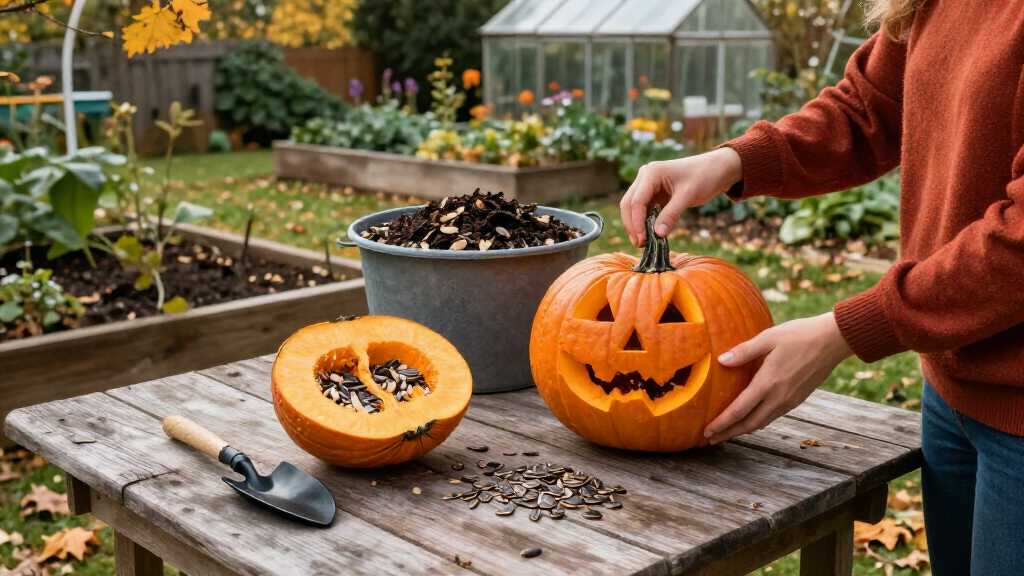
The suggestions range from using the pumpkin itself to making use of its seeds. Seeds can be separated from the flesh, washed and dried for storage and later planting, or roasted for food. Ideal Home’s report describes seasoning seeds with oil and spices and roasting them at 200C for about 10 to 15 minutes, turning them every five minutes. That temperature and timing are the source’s cooking instructions, not a substitute for checking that the pumpkin is safe to eat.
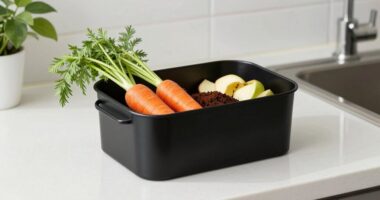
For pumpkins no longer fit for food, the report recommends cutting the flesh into smaller pieces before adding it to a compost heap. Rachel Cole, senior seed and plant buyer at DT Brown, says pumpkin is moist and nitrogen-rich, so adding too much at once can leave compost wet or compacted. She advises mixing it with dry, carbon-rich material such as fallen leaves and turning the heap occasionally.
Where there is no compost bin, the report says pieces can be buried in an empty garden bed, kept away from plant stems and given time to break down before planting. Other options include using a hollowed-out shell as a temporary bird feeder and choosing no-carve decorations in future so a pumpkin may remain in better condition for cooking. The source also says an intact pumpkin may be suitable to eat only if it is a food-safe variety, stored properly and shows no deterioration.
Reducing Waste Without Risking Wildlife
The advice offers households ways to get more use from seasonal pumpkins, whether by saving seeds for a later crop or returning unsuitable fruit to a compost heap or garden bed. These options can reduce the amount sent to household waste, but they depend on the pumpkin’s condition and how it was handled.
The warning about woodland disposal matters because leaving pumpkins outside for animals is sometimes treated as a harmless way to avoid waste. Cole and the report instead advise against it: pumpkins are not natural woodland food, may go mouldy, and could expose animals to disease or residues from candles and decorations. Reuse should not mean feeding discarded pumpkins to wildlife.
Products Worth Considering

EGO POWER+ 21 Cordless Electric Lawn Mower Kit, Self-Propelled

Husqvarna Power Axe 350i 18-Inch Cordless Chainsaw Kit

Husqvarna 120 Mark III Gas Chainsaw, 38-cc, 2-Cycle X-Torq Engine, 16 Inch Bar
As an affiliate, we earn on qualifying purchases.
What to Check Before Reusing One
Halloween pumpkins may have been carved, left outdoors or used as candle holders, and those differences affect what can safely be done with them. The report draws a distinction between an intact, properly stored pumpkin and one that has deteriorated or been left outside. It advises against eating pumpkins that held a candle or other light, even if the shell looks usable.
The article’s seven approaches are: save seeds for planting; roast seeds for a snack; compost the pumpkin; bury pieces in a prepared bed; use no-carve decorations next time; make a temporary bird feeder from a hollow shell; and cook pumpkin flesh when it remains safe to eat. The supplied source ends partway through its bird-feeder instructions, so it does not provide a complete set of details for that option.
“It’s easy to think of a pumpkin as something only useful for Halloween, but it’s actually a valuable organic material that people can put to good use.”
— Rachel Cole, senior seed and plant buyer at DT Brown
Food Safety Depends on Condition
The report does not identify specific pumpkin varieties that are suitable for eating or set out a detailed test for food safety beyond proper storage and the absence of deterioration. It says pumpkins left outside or used to hold a candle should not be eaten. Readers should not assume that a decorative pumpkin is edible simply because it appears intact.
The source material also gives only part of the bird-feeder instructions and does not describe how long a feeder can safely remain outdoors or how to clean it. Its recommendations are general reuse ideas, not a guarantee that every pumpkin or seed is suitable for every use.
Choose a Safe End-of-Season Use
Before reusing a pumpkin, check whether it has been carved, exposed to weather, used with a candle or begun to deteriorate. Use only a suitable, well-stored pumpkin with no signs of spoilage for cooking; direct unsuitable fruit to compost or burial instead. For composting, chop it into smaller pieces and mix it with drier material.
For future Halloweens, the report suggests considering no-carve decoration, which can help keep a pumpkin intact for longer. The supplied article offers practical options rather than a formal disposal policy, and it does not specify local composting rules; readers can check municipal guidance if they plan to use food-waste collection.
Key Questions
Can I eat a Halloween pumpkin after it has been used as a decoration?
Only if it is a food-safe variety, has been stored properly and shows no signs of deterioration. The report advises against eating pumpkins left outside or used to hold a candle or other light.
Is it safe to leave a pumpkin in the woods for animals?
No. The report advises against it because pumpkins can go mouldy, are not natural woodland food and may expose wildlife to disease or traces of candlewax and decorations.
How should I add pumpkin to a compost heap?
Cut it into smaller pieces and mix it with dry, carbon-rich material such as fallen leaves. Cole says too much moist pumpkin at once can leave a heap wet or compacted; turning the heap can help maintain airflow.
Can I save pumpkin seeds to plant next year?
The report says to separate seeds from the flesh, wash them, dry them thoroughly and store them in an envelope until spring. It does not guarantee that seeds from every decorative pumpkin will grow successfully.
Source: idealhome.co.uk