
TL;DR

Get garden gear delivered free — and shop member deals
- Fast, free delivery on millions of items
- Access to Prime Big Deal Days deals on October 6–7
- Prime Video, Amazon Music and more included
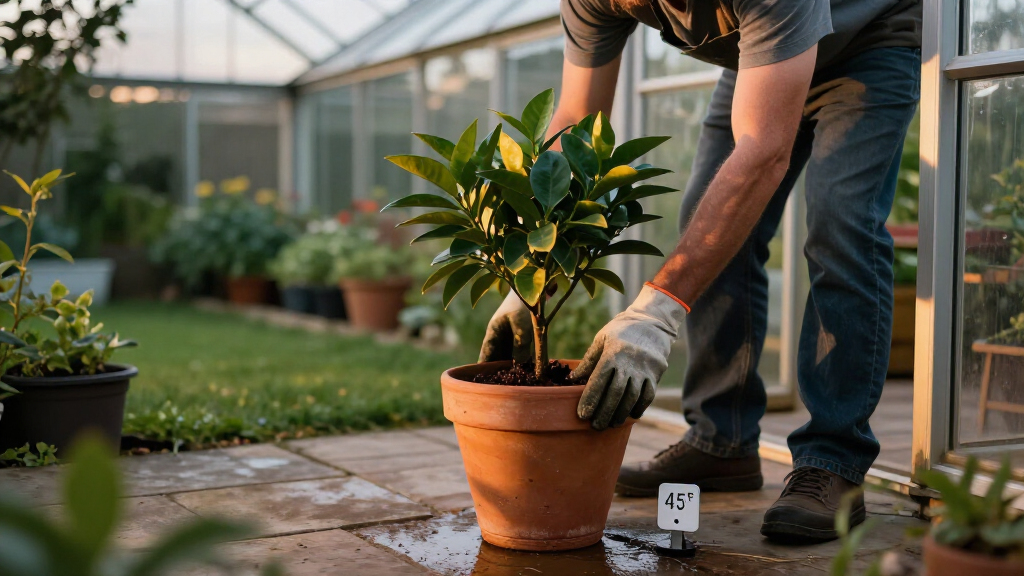
A Homes & Gardens gardening report recommends moving tender fruit trees in pots indoors when nighttime temperatures consistently fall to about 50°F (10°C). The timing varies by location, and the article says container roots are more exposed to cold than roots in the ground.
Move tender fruit trees in pots indoors when nighttime temperatures are consistently approaching 50°F (10°C), according to a Homes & Gardens gardening report. The guidance matters because container-grown trees and their roots have less insulation from cold than trees planted in the ground, leaving them more exposed as winter approaches.
The report recommends using nighttime forecasts to decide when to act, rather than relying only on a fixed calendar date or daytime temperatures. Garden designer Oliver Burgess advises moving the most tender varieties when night temperatures consistently drop to 50°F. The report identifies limes, guava, avocado and banana as examples.
The recommended timing is not the same everywhere. The report says the 45–50°F (7–10°C) range can serve as a warning marker, with the move-in period varying from late September to November according to local conditions. For gardeners in U.S. hardiness zones 7–9, it says this may happen in October. Those are seasonal guidelines, not a forecast for any particular location.
Some potted citrus trees may tolerate brief freezing temperatures, the report says, but repeated exposure can cause damage. Other tropical and subtropical fruit trees are described as less tolerant of freezes. Its advice is to move tender plants in before frost arrives, rather than waiting for a freeze to confirm that protection is needed.
Why Container Roots Need Protection
Pots expose roots to colder conditions than the ground does. A container and its limited amount of soil provide less insulation, so a tree that might cope with outdoor conditions when planted in the earth can be more vulnerable when grown in a pot. That difference makes the forecast especially relevant to gardeners with citrus and other tender varieties.
Moving plants before cold weather settles can help protect them from damage, while watching nighttime temperatures gives gardeners a practical signal they can apply locally. The 50°F marker is a cue to prepare, not a guarantee that every species or every tree will respond identically; the report urges particular care with tender tropical and subtropical plants.
For people who cannot bring every pot indoors, the report suggests grouping borderline-hardy plants against a wall or beneath eaves, where they may get some shelter, and covering pots with frost cloth or winter covers. Those measures are presented as outdoor protection options, not as a substitute for moving the most tender trees indoors where possible.
indoor plant grow lights for fruit trees
As an affiliate, we earn on qualifying purchases.
As an affiliate, we earn on qualifying purchases.
A Seasonal Move From Patio To Shelter
Potted fruit trees often spend warmer months outdoors, where they can receive sunshine and warmth. The report names lemons, limes, oranges, bananas, avocados, olives and peaches among the plants gardeners may grow in containers and bring in for winter protection. The species differ in their cold tolerance, so the general temperature guidance should be read alongside the needs of each plant.
The article draws on Burgess’s gardening experience and his work with container-grown citrus, pomegranate and olive trees. He describes moving citrus and other tender plants into an orangery at the start of October in U.S. hardiness zone 8, ahead of falling temperatures there. That account illustrates one garden’s schedule; it does not set an October deadline for all regions.
After moving plants, the report advises checking them for pests before bringing them indoors and treating them with insecticidal soap if needed. It also recommends removing dead or diseased foliage with clean, sharp pruners. Since growth slows in winter, it says to water less; for citrus, it advises monthly feeding with a citrus-specific fertilizer.
“Night temperatures are what matter, not daytime temps.”
— Oliver Burgess, garden designer
Local Frost Dates Still Vary
The report does not give a single calendar date that applies to all gardeners. It places the likely move indoors between late September and November, depending on location, and notes October for U.S. hardiness zones 7–9. Local nighttime forecasts remain necessary to judge when the temperatures approach the suggested range.
It also does not specify a different temperature threshold for every fruit species or describe how long each can withstand cold. Its guidance distinguishes brief freezing exposure for some citrus from repeated exposure that can cause damage, but individual plant condition and local weather are not detailed. The report offers a general precaution rather than a species-by-species cold tolerance chart.
Watch Forecasts As Nights Cool
Gardeners can check upcoming overnight lows as the season changes and arrange indoor space or a way to move heavy pots before temperatures consistently approach 50°F. A hand truck or wheeled plant caddy can help with large containers, according to the report. Before moving a tree inside, inspect it for pests and remove dead or diseased foliage.
Once plants are sheltered, the report recommends reducing watering as growth slows and feeding citrus monthly with citrus fertilizer. Gardeners keeping borderline-hardy pots outdoors can group them in a sheltered spot and cover the containers. The timing and protection needed will depend on the forecast and the trees being grown.
Key Questions
At what temperature should I move a potted fruit tree indoors?
The report recommends preparing to move tender trees indoors when nighttime temperatures consistently approach 50°F (10°C). It also gives 45–50°F (7–10°C) as a range to watch in local forecasts.
Should I use daytime or nighttime temperatures?
Use nighttime temperatures as the signal, according to garden designer Oliver Burgess. Daytime warmth alone may not reflect the cold the tree faces overnight.
When does that temperature usually arrive?
The timing varies by location. The report gives a broad seasonal range of late September to November and says October may be the period for gardeners in U.S. hardiness zones 7–9.
What if I cannot move every pot indoors?
The report suggests grouping borderline-hardy pots near a wall or under eaves and covering the pots with frost cloth or winter covers. It does not say these measures provide the same protection as moving tender trees indoors.
How should I care for the trees once they are inside?
Inspect for pests before bringing plants indoors and treat them with insecticidal soap if needed. The report also recommends removing dead or diseased foliage, watering less as growth slows and feeding citrus monthly with a citrus-specific fertilizer.
Source: rss
Halloween Picks
halloween
As an affiliate, we earn on qualifying purchases.