TL;DR

Get garden gear delivered free with Prime
- Fast, free delivery on millions of items
- Prime Video, Amazon Music and more included
- Member-only deals all year
A Homes & Gardens report outlines six fall garden jobs recommended by horticulture professionals: mulch beds, protect container plants, remove diseased material, prepare lawns, tend vegetable gardens and clean equipment. The advice is seasonal guidance, not a report of a new rule or study; local climate and plant needs affect what to do and when.
Homes & Gardens has published a six-task fall gardening checklist, with professionals advising gardeners to prepare beds, pots, plants and equipment before winter weather arrives. The recommendations focus on reducing risks such as soil erosion, frost damage and disease carrying over, although the timing and exact approach depend on local conditions and the plants involved.
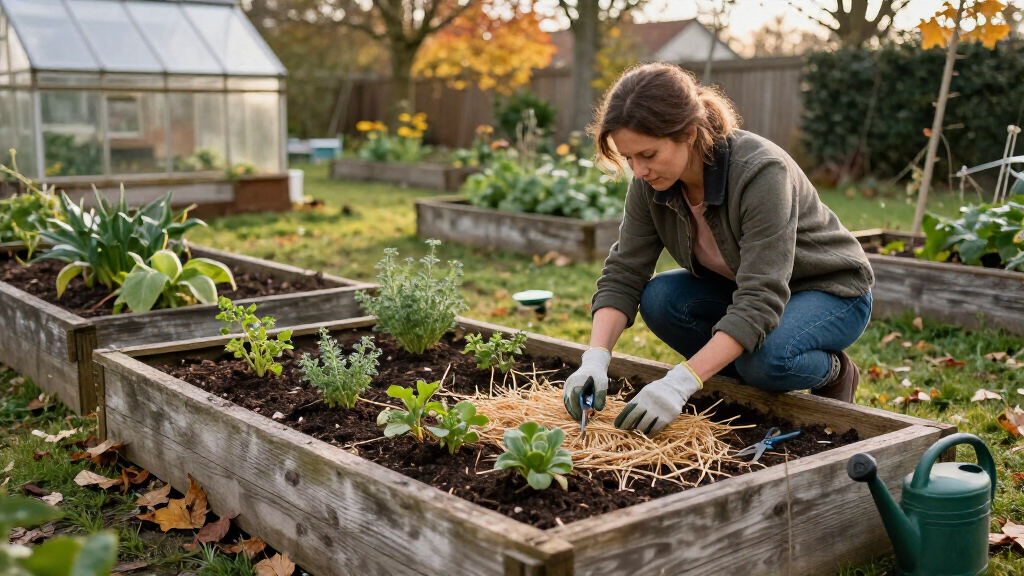
The report’s first recommendations are to cover bare soil with mulch and protect container plants from cold. Seattle Sustainable Landscapes owner David McCary says mulch can help regulate soil temperature and insulate roots. Gardenuity co-founder Donna Letier recommends applying 1 to 3 inches of mulch. Compost, leaf mold and collected fallen leaves are among the materials named in the report; green manure crops are offered as another way to cover soil.
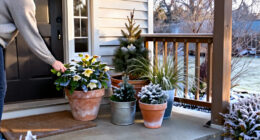
Container plants have less soil around their roots to buffer them from freezing temperatures, the report says. Digz Gardening’s Stacy Risenmay advises moving perennial pots close to a house, preferably by a south-facing wall, where they may receive more shelter. Gardeners should also check that drainage holes are clear and raise pots to help water escape. Frost-sensitive plants may need indoor or other suitable shelter before temperatures drop below their tolerance; Letier advises checking plants for pests before bringing them inside.
A further task is removing diseased leaves and stems, including material affected by powdery mildew, rose black spot or blight. The report says to bag and discard diseased material rather than compost it, citing the risk of disease surviving winter and affecting new growth. The article introduces six jobs overall, covering flower beds, lawns, vegetable gardens, containers and equipment; its recommendations are presented as professional advice rather than a tested, universal schedule.
How Fall Care Can Limit Winter Damage
Fall preparation can affect how well plants and garden soil fare through winter and how much work is needed in spring. Mulch protects exposed soil from weather and may add organic matter as it breaks down. Moving pots and sheltering vulnerable plants can reduce exposure to frost, while removing diseased material can limit sources of infection in the garden.
The advice also points to a balance gardeners must make: tidying up is not always the same as cutting everything back. The report notes that some gardeners leave many perennials standing because they can provide food and shelter for wildlife. Removing diseased growth, while making selective choices about healthy plants, allows gardeners to address plant health without treating a fully cleared garden as the only option.
These tasks matter most where winter conditions pose a real risk, but recommendations cannot be applied identically everywhere. A mild climate, a sheltered garden and a frost-prone site present different needs. The practical takeaway is to identify exposed soil, vulnerable containers and signs of disease, then act before local conditions make those jobs harder.
garden mulch for winter protection
As an affiliate, we earn on qualifying purchases.
As an affiliate, we earn on qualifying purchases.
The Six Jobs in the Fall Checklist
The Homes & Gardens report frames fall as a busy period for preparing a garden for colder months. Its checklist spans flower beds, vegetable plots, lawns, containers and garden equipment. The provided source details mulching, protecting pots and plants, and removing diseased material, while describing the full checklist as six pre-winter jobs.
For mulching, the article advises covering soil before it freezes and gives Letier’s suggested depth of 1 to 3 inches. For pots, it recommends grouping or moving containers into more sheltered positions, clearing drainage and bringing tender plants into appropriate shelter. On cutting back, it distinguishes between diseased material that should be removed and healthy perennial growth that some gardeners choose to leave for wildlife.
The report attributes advice to named gardening professionals, including McCary, Letier and Risenmay, as well as Lindsey Chastain, founder of The Waddle and Cluck, on disposing of diseased plants. The available source text ends during Chastain’s explanation and does not include the full descriptions of the remaining checklist items.
“Any pots that have perennial plants in them get placed up against my house during the winter (south-facing is best) since it is warmer close to the house.”
— Stacy Risenmay of Digz Gardening
Timing Depends on Local Conditions
The report does not provide a single calendar date for completing the work. Frost timing varies by location, and the advice itself says tender plants should be moved before temperatures fall below their tolerance. It is also not clear from the supplied article text which specific tasks make up all six checklist items: the source excerpt describes three and ends partway through the discussion of diseased material.
Mulch depth and the best winter shelter can also vary with soil, weather and plant type. The report offers professional recommendations, not evidence that every listed step is necessary in every garden. It does not specify a universal approach to pruning healthy perennials, noting instead that some gardeners leave them standing for wildlife.
Check Plants Before the First Frost
Gardeners can use the checklist as a prompt to inspect beds, containers and plants while conditions still allow work outdoors. The report’s immediate actions are to cover exposed soil, clear pot drainage, shelter vulnerable containers and remove diseased growth. Tender plants should be moved according to their individual cold tolerance, with pests checked before they enter indoor spaces.
The next step is to adapt those jobs to the garden and local forecast rather than follow a fixed date. The supplied source does not identify a later update or a formal deadline; it presents the advice as preparation to do before winter conditions arrive.
Key Questions
What are the fall garden tasks described in the report?
The supplied article text describes mulching beds, protecting container plants and removing diseased material. It says the full checklist has six jobs and covers lawns, vegetable gardens and equipment as well, but the provided excerpt does not detail all six.
How much mulch does the report recommend?
Gardenuity co-founder Donna Letier recommends 1 to 3 inches on top of the soil. The report names compost, leaf mold and fallen leaves as options, while noting that green manure crops can also cover bare soil.
Should all perennials be cut back before winter?
No single approach is given. The report says some gardeners leave many healthy perennials standing to provide food and shelter for birds and insects, while advising removal of diseased leaves and stems.
When should tender plants be moved indoors?
Letier advises moving frost-sensitive plants into suitable shelter before temperatures fall below their tolerance. Check plants for pests first, and choose shelter with conditions appropriate to whether the plant is dormant or actively growing.
Source: rss
Fall yard work Picks
leaf blowers
As an affiliate, we earn on qualifying purchases.