
TL;DR

Get garden gear delivered free with Prime
- Fast, free delivery on millions of items
- Prime Video, Amazon Music and more included
- Member-only deals all year
A gardening report citing horticulturalists advises against routine October pruning of six plant groups, including hydrangeas, spring-flowering shrubs and ornamental grasses. The reasons include protecting next year’s flower buds and avoiding cold damage; specific timing depends on the plant and the advice provided.
A gardening report from Ideal Home says gardeners should leave six plant groups unpruned in October, citing horticulturalists who warn that autumn cuts can remove next year’s flower buds or expose plants to winter damage. The advice covers hydrangeas, spring-flowering shrubs, lavender, ornamental grasses, some evergreen shrubs and late-flowering perennials.
Hydrangeas, particularly mophead and lacecap types, form next season’s flowers on existing stems, according to Pim Dickson, senior horticulturalist at Fothergill’s. He advises keeping the faded flowerheads through winter because they can help shield buds from frost, then pruning in mid-spring. The report says to remove old blooms and cut back to the first healthy pair of buds.
Forsythia and lilac are among the spring-flowering shrubs to leave alone in October: many set flower buds on growth from the previous season. Dickson recommends pruning these shrubs just after they flower in late spring or early summer. Dead or diseased stems can be removed when needed, the report says, while routine shaping should wait.
For lavender, Dickson cautions that a hard autumn cut can expose older stems that regenerate poorly, while new growth may be hurt by cold. Its main shaping cut is best done after flowering in late summer; October work should be limited to broken or diseased material. Deciduous ornamental grasses can keep their dry foliage and seedheads standing until late winter or early spring, preserving garden structure and potential wildlife shelter.
How October Pruning Can Affect Spring
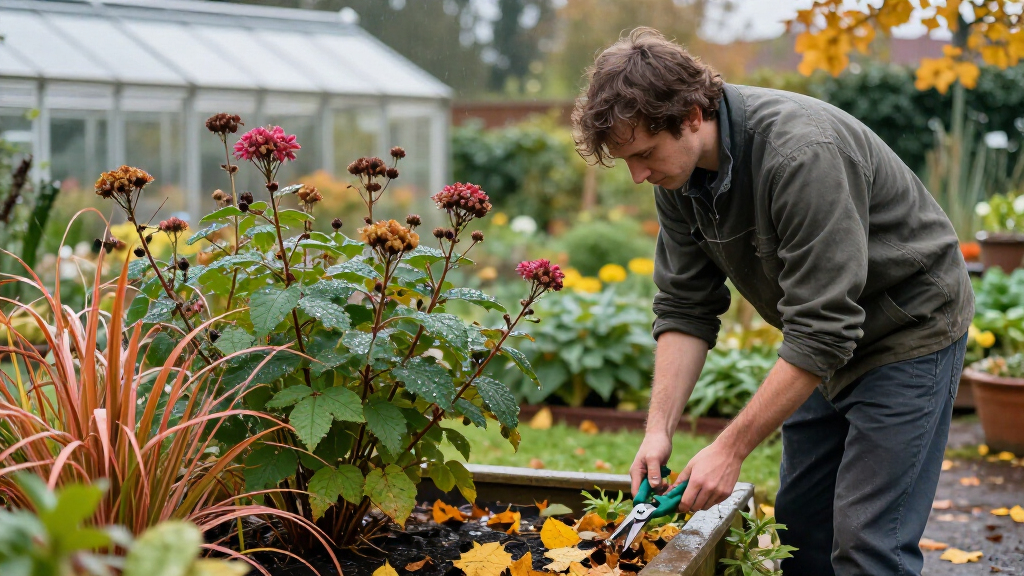
The advice matters because an October tidy-up can have consequences beyond appearance. For plants that flower on existing stems, cutting at the wrong time may remove buds that would otherwise open next year. For lavender, a substantial cut can leave less robust older growth exposed, while tender new growth faces cold weather.
Leaving some foliage and seedheads in place also has practical benefits. Dickson says ornamental grass growth can provide winter structure and shelter for wildlife, while hydrangea flowerheads can help protect buds. The guidance does not mean gardeners should ignore every problem: diseased material and damaged branches may still need attention, but the report distinguishes that work from general pruning.
hydrangea flower head protection covers
As an affiliate, we earn on qualifying purchases.
As an affiliate, we earn on qualifying purchases.
The Six Groups in the Report
The report also identifies some evergreen shrubs as plants not to prune in October. Charlotte McGrattan, hardy nursery stock buyer at Hillier Nurseries, names Viburnum tinus, Viburnum ‘Coppertop’, Choisya ‘Sundance’ and escallonia. Pruning these then may remove developing buds or reduce natural protection before winter, she says. For shaping, the report recommends waiting until mid-to-late spring, after frost risk has passed and before new growth begins.
The sixth group is late-flowering perennials. However, the supplied source text ends as it begins discussing this category and gives no plant examples or specific pruning instructions for it. The report’s overall message, attributed to Dickson, is to avoid treating every fading garden plant as something that needs cutting back: remove diseased or rotting material, but leave healthy growth where it serves a purpose.
“A tidy garden does not have to mean a completely bare one.”
— Pim Dickson, senior horticulturalist at Fothergill’s
Where the Advice Has Limits
The report presents general advice, but pruning needs vary by species and condition. Its guidance does not establish that every hydrangea, evergreen shrub or perennial responds in exactly the same way. The source specifically emphasizes mophead and lacecap hydrangeas and names particular evergreen shrubs, so readers should check advice for their plant variety when uncertain.
The supplied report text is incomplete in its section on late-flowering perennials, so it does not show which plants are included or the recommended timing for their pruning. It also does not provide research data or a comparison of outcomes; the recommendations are attributed horticultural advice, not quantified trial results.
When to Resume Pruning
For the plants covered in the report, the next step is generally to wait for the recommended seasonal window: prune spring-flowering shrubs after flowering in late spring or early summer; shape hydrangeas in mid-spring; and cut back deciduous ornamental grasses in late winter or early spring before new shoots appear. The report places shaping for the named evergreen shrubs in mid-to-late spring, once frost risk has passed.
In October, gardeners can still remove diseased foliage, rotting material and damaged branches, according to Dickson. For lavender, he advises limiting work to broken or diseased material. Gardeners should identify the plant and check its specific needs before making a substantial cut; the source gives no single timetable covering all varieties in each group.
Key Questions
Which plants does the report advise not pruning in October?
It names hydrangeas, spring-flowering shrubs, lavender, deciduous ornamental grasses, some evergreen shrubs and late-flowering perennials. The source text does not provide examples or detailed instructions for the final category.
Can I remove dead or diseased stems in October?
Yes. The report says diseased foliage, rotting material and damaged branches can be dealt with. For spring-flowering shrubs, it says dead or diseased stems can be cut back to the ground or to a healthy side branch when necessary.
When should hydrangeas be pruned?
The report recommends waiting until mid-spring for the mophead and lacecap types it discusses, then removing old blooms and cutting back to the first healthy pair of buds.
When should spring-flowering shrubs be pruned?
Prune them just after flowering in late spring or early summer, according to Dickson. Many form flower buds on the previous season’s growth, which an October trim could remove.
Source: rss
Fall yard work Picks
leaf blowers
As an affiliate, we earn on qualifying purchases.