
TL;DR
Grow Organic’s gardening guide recommends identifying cucumber pests before choosing a response, using measures such as row covers, hand removal and trap crops. It cautions that garlic sprays and other natural products are not guaranteed to control beetles, and that any pesticide must be used according to its label.
Grow Organic’s guide to cucumber pests recommends monitoring plants and identifying the insect before taking action, with barriers, hand removal and trap crops among the suggested approaches. The report says natural sprays, including garlic-based products, should not be treated as guaranteed fixes, giving home gardeners a prevention-focused alternative to spraying first.

Get garden gear delivered free with Prime
- Fast, free delivery on millions of items
- Prime Video, Amazon Music and more included
- Member-only deals all year
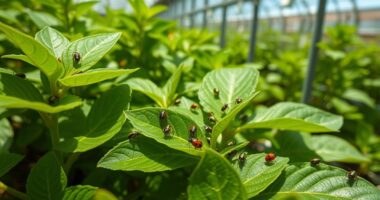
The guide identifies cucumber beetles and aphids as pests that may require attention, while warning that not every insect found on a cucumber plant is harmful. Chewed leaves can be a clue, but holes alone do not identify the cause. Gardeners are advised to inspect plants, including both sides of the leaves, before selecting a control.
For cucumber beetles, the report suggests placing floating row covers over seedlings before beetles arrive and securing the edges. Covers need to be checked for trapped beetles and removed when bee-pollinated cucumber varieties begin flowering. Other suggested steps include hand-picking beetles into soapy water and clearing weeds and old crop debris that can shelter pests.
A Blue Hubbard squash trap crop may draw beetles away from cucumbers, the guide says. It recommends planting the squash one to two weeks earlier and inspecting it often. Because adult beetles can fly into new planting areas, crop rotation alone may not prevent them from reaching cucumbers. The report also cautions that companion planting is not a guaranteed barrier.
Why Early Pest Identification Matters
Identifying the pest can help gardeners choose a response that fits the damage and avoid treating beneficial insects unnecessarily. The guide describes integrated pest management as a combination of checking plants, preventing damage and using treatments only when needed. That approach is relevant because cucumber pests can affect leaves, flowers, roots and fruit, while some beetles can transmit bacterial wilt to susceptible cucurbits.
Sprays also carry risks and limitations. Grow Organic says a product marketed as natural or organic is not automatically harmless to beneficial insects, and formulations can differ. Its advice is to check that a pesticide label covers the crop and intended use, follow application rates and harvest intervals, and observe pollinator precautions. Protective equipment should be used as specified on the product label.
Products Worth Considering

Traeger Trailhead Portable Wood Pellet Grill and Smoker with Cover and Inverter

Traeger Ranger Portable Wood Pellet Grill and Smoker with Cast Iron Griddle

Greenworks 40V 16-inch Push Lawn Mower with 4.0 Ah Battery and Charger
As an affiliate, we earn on qualifying purchases.
Beetles, Aphids and Plant Damage
The guide distinguishes several cucumber beetles. The striped cucumber beetle, Acalymma vittatum, has a yellow body with three black stripes; the eastern spotted cucumber beetle, Diabrotica undecimpunctata howardi, is yellow-green with black spots. Other species occur in different regions, so appearance and local conditions matter when identifying an insect.
Adult beetles may feed on leaves, stems, flowers and fruit. The report says some can spread bacterial wilt and squash mosaic virus; it distinguishes that virus from cucumber mosaic virus, which is commonly spread by aphids. Striped beetle larvae feed on roots and underground stems, potentially injuring young plants. Life cycles vary by species and climate, and some species behave differently across regions.
Grow Organic also discusses garlic repellents, citing Alabama Cooperative Extension’s description of strong odors interfering with cues insects use to find plants. The report says effects may not last in poor weather. A recipe shared by the University of Washington’s horticultural library concerns aphids, not a tested cucumber beetle treatment. The Royal Horticultural Society cautions that homemade mixtures containing soap or oils can scorch plants or harm other organisms.
““Holes alone cannot identify the pest.””
— Grow Organic
Limits of Natural Spray Advice
The supplied guide does not give a publication date or report field trials comparing the suggested methods. It does not establish how effective garlic products are against cucumber beetles, and says weather can shorten their effect. A homemade garlic mixture is likewise not established as a tested cucumber beetle treatment; a recipe for aphids does not prove efficacy on beetles or safety for cucumber leaves.
Results may vary with pest species, location, climate and product formulation. The guide does not provide a single treatment that works in every garden. It advises gardeners to consult the specific pesticide label and relevant guidance before use rather than assuming products with similar names or natural ingredients perform alike.
Check Plants Before Choosing Treatment
Gardeners can begin by inspecting leaves, flowers and stems, identifying likely pests, and checking plants regularly for changes. If beetles are present, the report’s suggested next steps include secured row covers on seedlings, hand removal, debris cleanup and an inspected trap crop. Covers should be removed when bee-pollinated varieties flower.
If a spray is being considered, check that the product is labeled for cucumbers and the intended pest, then follow its directions, including protective equipment, harvest intervals and pollinator precautions. The guide does not announce a new product or change in official policy; it offers practical advice, while the effectiveness of any chosen method remains dependent on the pest and conditions.
Key Questions
How can I tell what is eating my cucumber leaves?
Inspect the plant, including both sides of leaves, and look for insects as well as damage. Chewed holes alone are not enough to identify the pest.
Do row covers control cucumber beetles?
The guide recommends securing floating row covers over seedlings before beetles arrive and checking that none are trapped beneath them. Remove covers when bee-pollinated cucumber varieties begin flowering.
Does garlic spray get rid of cucumber beetles?
The report describes garlic products as repellents, not guaranteed controls. It says effects may fade in poor weather and does not establish homemade garlic spray as a proven cucumber beetle treatment.
Are natural or organic pesticides harmless to beneficial insects?
No. Grow Organic cautions that natural pesticides can affect beneficial insects. Check the product label for crop and pest coverage, application directions, harvest intervals and pollinator precautions.
Can a trap crop keep beetles away from cucumbers?
The guide suggests planting Blue Hubbard squash one to two weeks before cucumbers and inspecting it often. It presents this as one pest-management measure, not a guarantee that beetles will stay away.
Source: rss