
TL;DR

Get garden gear delivered free with Prime
- Fast, free delivery on millions of items
- Prime Video, Amazon Music and more included
- Member-only deals all year
Yellowjacket colonies are nearing the end of their annual cycle in late summer and fall, when workers spend more time searching for food. Experts quoted by Country Living recommend covering food and drinks, cleaning up spills, avoiding swatting, and seeking professional help for nests in risky locations.
As yellowjacket colonies near the end of their annual cycle, workers spend more time searching for food, increasing the chance of encounters around outdoor meals, ripe fruit and garbage, according to pest-control experts quoted by Country Living. Their advice: cover food and drinks, clean up sugary spills, and walk away calmly rather than swatting if wasps approach.
Bill Stodder, an associate certified entomologist with Neuse Termite and Pest Control, told Country Living that workers are focused on finding food as the season advances. Yellowjackets are attracted to sweet-smelling items, including soda, ripe fruit and trash. The report says scented personal-care products, such as fruity or floral perfumes and lotions, may also attract them.
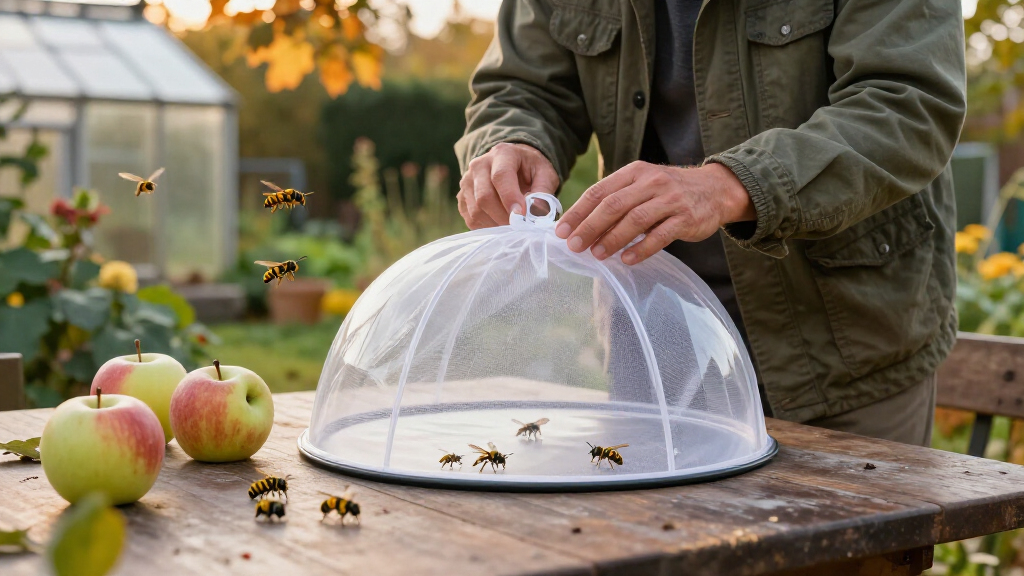
At outdoor gatherings, keep food and drinks covered when possible. Gordon Doran, CEO of Natran Green Pest Control, recommends pouring drinks into a clear cup rather than drinking from a can, where an insect could be difficult to see. Remove fallen fruit, wipe up spills, rinse sugary containers before recycling them, and keep garbage lids closed.
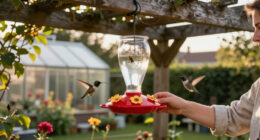
If yellowjackets approach, Doran advises moving away calmly. Swatting or running can provoke a defensive response, he said. The report also warns that hummingbird feeders can draw wasps because of their sugar water. Wiping the feeder clean may help; Doran suggests a saucer-style design with feeding ports on top. Moving a feeder may disrupt wasps’ visits, but can also confuse hummingbirds.
Reducing Sting Risks Outdoors
Food-seeking wasps can turn routine activities—eating outdoors, picking up fallen fruit or opening a drink—into opportunities for an accidental sting. A yellowjacket inside a beverage can may go unnoticed until someone takes a sip, which is why the experts recommend using a clear cup and checking food and drinks.
Knowing where colonies may nest also matters. The report says nests can be underground or in sheltered parts of buildings, including wall spaces, attics and areas beneath decks. Because disturbing a colony can expose people nearby to defensive wasps, suspected nests in high-traffic or hard-to-reach places call for caution and professional advice.
As an affiliate, we earn on qualifying purchases.
Colony Cycle and Nest Locations
Yellowjackets are social wasps that live in colonies. Stodder told Country Living that they become more defensive around their nests in late summer and fall. Their nests may be built underground in old animal burrows or in protected locations such as eaves, attics and spaces beneath decks. The report says some species’ nests can contain as many as 15,000 individuals; that figure depends on the species and is not a count for every nest.
The insects also have a role in local ecosystems. Stodder said yellowjackets eat pests such as flies and aphids and serve as prey for other wildlife. They can pollinate plants, though the report distinguishes their contribution from the greater pollination work associated with bees. Avoiding unnecessary contact does not require treating every yellowjacket as a pest that must be eliminated.
To reduce nesting opportunities, Stodder recommends checking sheltered areas around homes in spring, when queens may begin small nests, and sealing openings that could provide access to wall voids. Repeated flight in and out of one spot may indicate a nest, but the report does not provide a method for confirming its size or location without inspection.
“Workers spend more of their time looking for food. They are naturally attracted to sweet-smelling things such as soda cans, ripe fruit, and trash cans.”
— Bill Stodder, associate certified entomologist at Neuse Termite and Pest Control, quoted by Country Living
Nest Risks and Local Conditions
The report offers seasonal guidance, not local monitoring data. It does not establish how many yellowjacket encounters or stings occur in a given area, or how much risk changes from one year or region to another. The timing and size of colonies can vary by species and location.
Seeing wasps repeatedly enter and leave a gap may suggest a nest, but it does not by itself confirm the nest’s size or exact position. The report’s source text ends before giving full instructions on nest removal or professional treatment. Homeowners should not treat the article as a complete removal guide, particularly where a nest is inside a building or near regular activity.
Steps Before the Next Outdoor Meal
Before eating outdoors, cover food and drinks, check beverages before sipping, and clear away spills, fallen fruit and sugary waste. Keep hummingbird feeders clean and watch for repeated wasp activity around sheltered spots. In spring, inspect eaves, sheds, fences and other protected areas for early nest-building, as Stodder recommends.
If wasps repeatedly fly into and out of a location, or a suspected nest is near people or inside a structure, avoid disturbing it and contact a qualified pest-control professional for an assessment. The source does not specify a particular treatment or establish a timeline for when a colony will disappear; conditions vary by species and location.
Key Questions
Why might yellowjackets be more noticeable in fall?
According to entomologist Bill Stodder, colonies are nearing the end of their annual cycle and workers spend more time looking for food. Sweet items such as soda, ripe fruit and garbage can attract them.
What should I do if yellowjackets come near me?
Gordon Doran advises moving away calmly instead of swatting or running, which he says can trigger a defensive response.
How can I reduce yellowjackets around food and drinks?
Cover food and drinks, pour beverages into a clear cup, clean up spills, remove fallen fruit, rinse sugary containers and keep garbage lids closed.
Where might a yellowjacket nest be?
The report says nests may be underground, beneath decks, under eaves, in attics or inside wall spaces. Repeated flight into and out of one location may indicate a nest.
Should I remove a nest myself?
The report does not provide a complete nest-removal procedure. Avoid disturbing a suspected nest, especially near people or inside a structure, and contact a qualified pest-control professional for an assessment.
Source: rss
Fall Picks
fall essentials
As an affiliate, we earn on qualifying purchases.