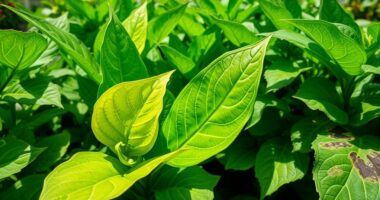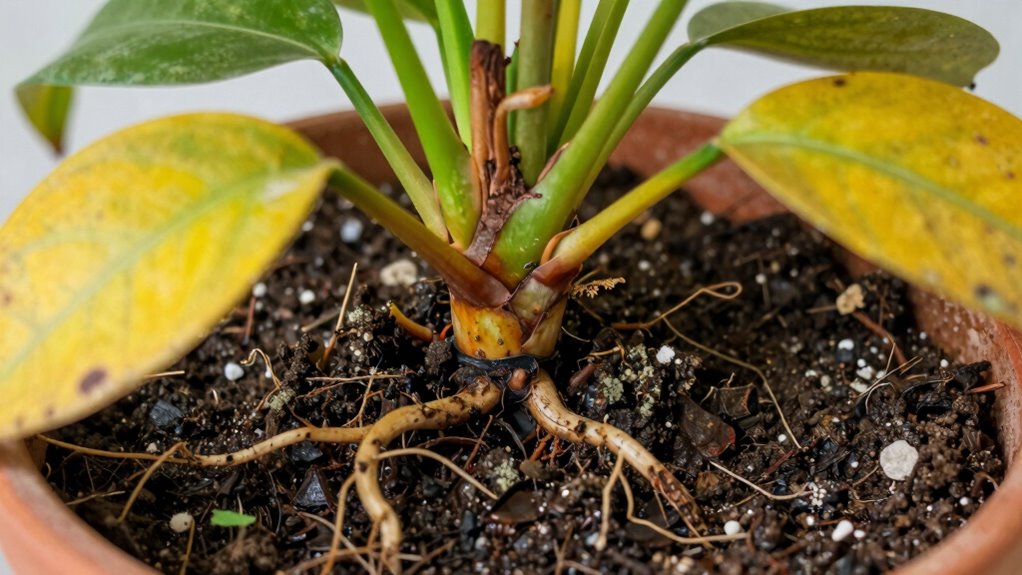

If you notice your plant’s leaves turning yellow or wilting despite proper watering, or if you smell a foul odor from the soil, these are early signs of root rot. You might also see roots that are dark, mushy, or break easily when examined. To prevent serious damage, quickly inspect the roots and improve drainage. Keep an eye out for these clues—more tips follow to help you catch root rot early and save your plant.

Get garden gear delivered free with Prime
- Fast, free delivery on millions of items
- Prime Video, Amazon Music and more included
- Member-only deals all year
Key Takeaways
- Watch for yellowing or wilting leaves despite proper watering, indicating possible root issues.
- Check for a foul smell from the soil, a sign of decay and microbial activity.
- Gently inspect roots for dark, mushy, or brittle tissue, which signals rot.
- Observe for mold or slime on roots and roots that break easily when touched.
- Ensure soil drains well and avoid overwatering to prevent creating conditions for root rot.
What Causes Root Rot in Plants?
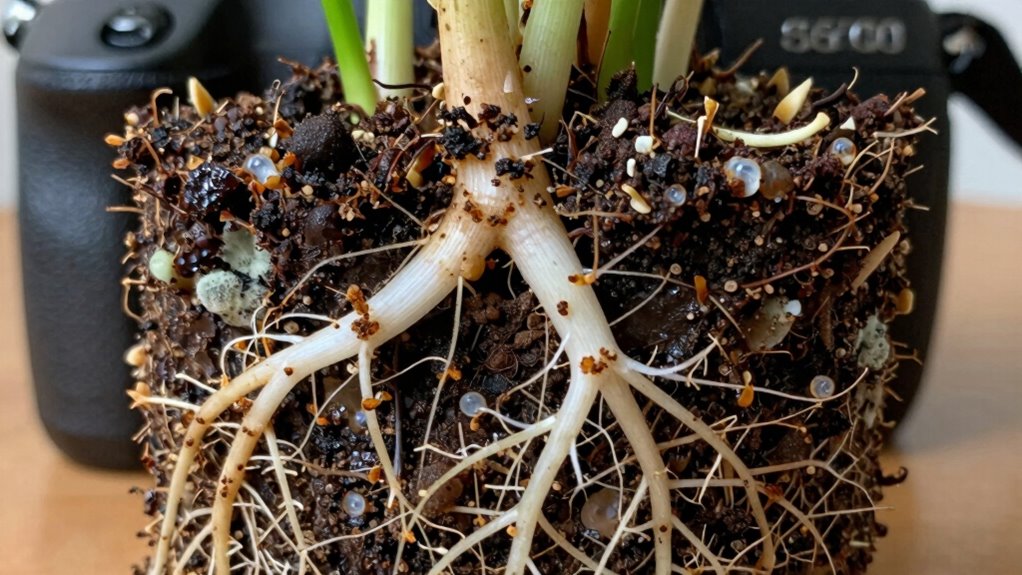
Root rot in plants is primarily caused by overwatering and poor drainage, which create an environment where fungi and bacteria thrive. When your soil doesn’t drain well, excess water pools around the roots, depriving them of oxygen. This stagnation encourages harmful microorganisms to grow, weakening the plant’s root system. Your watering habits play a vital role here; watering too frequently or excessively can saturate the soil and prevent proper aeration. To prevent root rot, guarantee your soil has good drainage properties and adjust your watering schedule based on the plant’s needs. Let the top inch of soil dry out before watering again. Maintaining proper soil drainage and mindful watering habits helps keep roots healthy and resistant to rot. Additionally, choosing the right type of soil with excellent drainage qualities is essential for preventing water accumulation around roots.
How Can You Tell If Your Plant Has Root Rot?
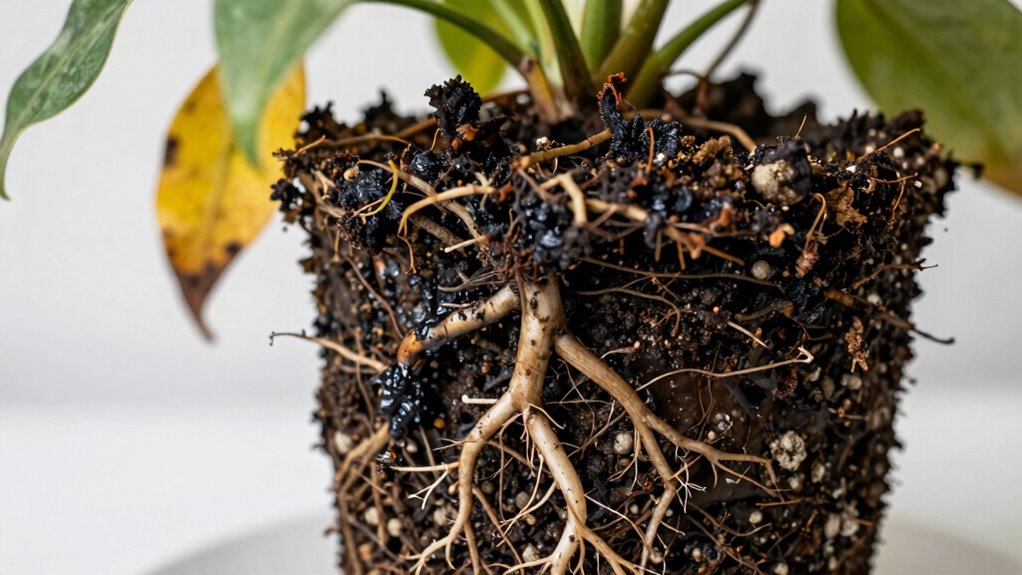
Wondering how to tell if your plant is suffering from root rot? Look for signs like yellowing leaves, wilting despite proper watering, and a foul smell from the soil. Poor soil drainage often leads to excess moisture, creating ideal conditions for root rot. Check your watering habits—overwatering or irregular watering can drown roots, encouraging decay. To assess, gently remove the plant and examine the roots: healthy ones are firm and white, while rotten roots are dark, mushy, and brittle. Use this table to help identify symptoms:
| Symptom | Cause | Indicator |
|---|---|---|
| Yellowing leaves | Overwatering / poor drainage | Roots are rotting or waterlogged |
| Wilting despite watering | Excess moisture | Roots appear dark and slimy |
| Foul smell from soil | Decayed roots | Mold or slime on roots |
| Brittle, dark roots | Root decay | Roots easily break apart |
Regularly inspecting soil drainage and watering habits helps catch root rot early. Proper soil management can prevent many of these issues from developing.
How Do You Inspect Plants for Root Rot?
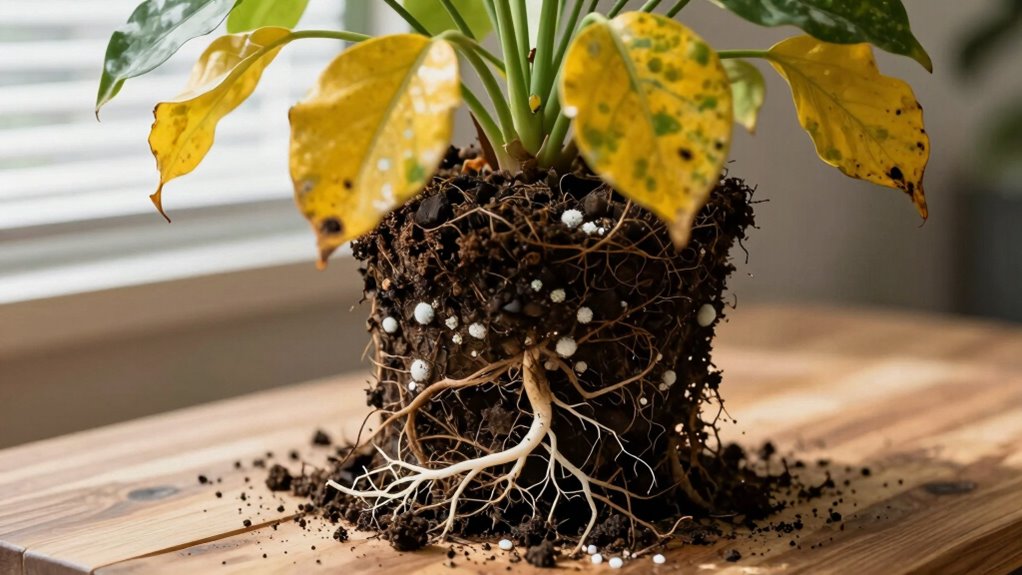
To effectively inspect your plants for root rot, start by gently removing the plant from its pot or soil to gain access to the roots. Carefully examine the root system for signs of damage or decay. Look for roots that are brown or black, mushy, or have a foul odor, which indicate rot. During root examination, consider the soil drainage—poor drainage can cause excess moisture, promoting rot. Additionally, understanding the science of plant health can help you recognize subtle early symptoms that might not be immediately obvious. Here are key steps to focus on: – Gently loosen the soil around the roots – Check for soft, slimy, or discolored roots – Smell for any foul odor – Assess soil drainage conditions Being thorough during root examination helps identify early root rot signs and guides necessary action.
What Immediate Steps Should You Take?
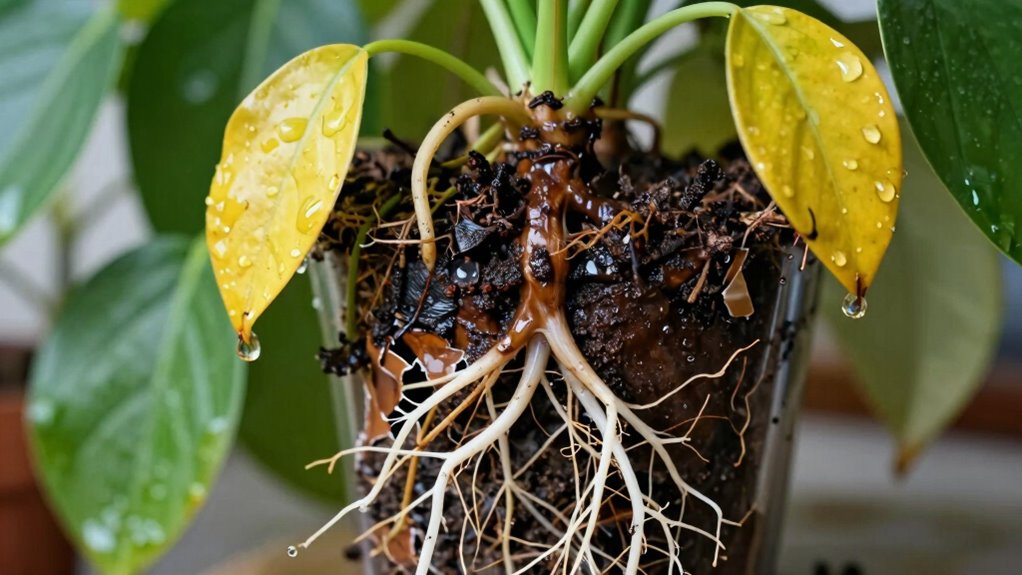
When you detect signs of root rot during your inspection, acting quickly can save your plant. First, remove the affected plant from its pot carefully. Check the soil drainage; if it’s waterlogged or remains soggy, improve drainage by repotting into a well-draining soil mix. Trim away all rotted roots with sterile scissors, ensuring you cut back to healthy tissue. Avoid overwatering in the future, as watering issues often contribute to root rot. Ensure the pot has drainage holes and don’t water until the top inch of soil feels dry. Proper soil drainage techniques are essential to prevent recurrence. By addressing soil drainage and watering issues immediately, you prevent the rot from spreading further and give your plant the best chance to recover.
How Can You Prevent Root Rot in the Future?
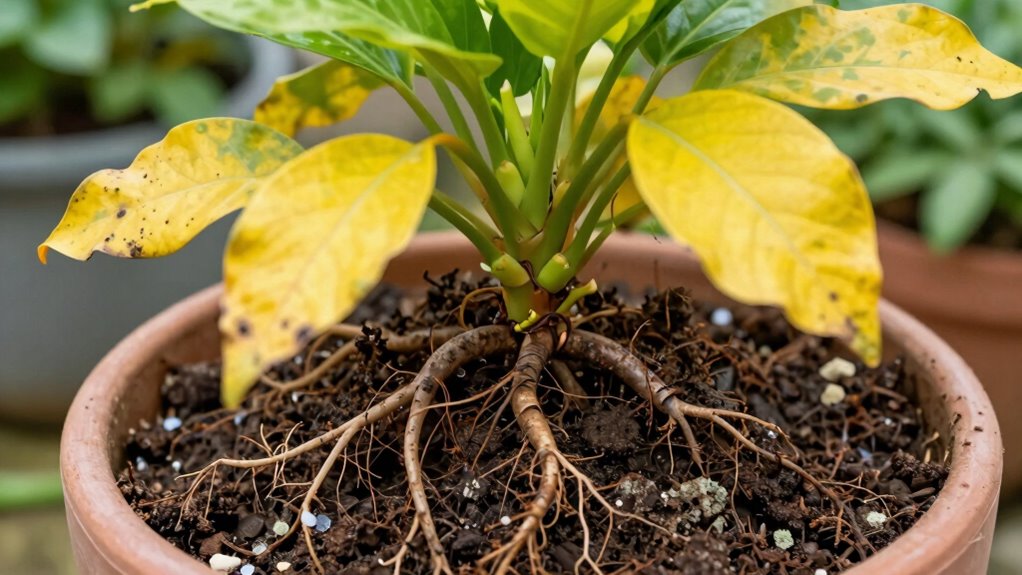
Preventing root rot starts with establishing proper watering habits. Overwatering creates saturated soil, leading to poor soil drainage and increased risk of root rot. To avoid this, water only when the top inch of soil feels dry and ensure excess water drains away quickly. Improving soil drainage is key—use well-draining soil mixes or add sand or organic matter to enhance flow. Additionally, adjust watering frequency based on plant type and environment. Regularly inspect your plants for signs of overwatering or poor drainage. Here are some tips to prevent root rot:
Proper watering habits and soil drainage are essential to prevent root rot and keep plants healthy.
- Use pots with drainage holes
- Avoid overwatering
- Improve soil drainage with amendments
- Water deeply but infrequently
- Consider soil aeration to promote healthy root systems
Consistent, mindful watering habits protect roots and keep your plants healthy.
Frequently Asked Questions
Can Root Rot Affect Indoor and Outdoor Plants Equally?
Yes, root rot can affect both indoor and outdoor plants equally. Excess soil moisture is a common cause, leading to poor root health regardless of location. Indoors, overwatering and poor drainage can cause issues, while outdoor plants face heavy rains and inadequate drainage. Regularly check soil moisture levels and guarantee proper drainage to prevent root rot. Healthy roots are crucial for plant vitality, whether indoors or outdoors.
Are There Specific Plant Species More Susceptible to Root Rot?
Did you know that some plant species are 50% more susceptible to root rot? Certain plants, like orchids and succulents, tend to have lower disease resistance, making them more vulnerable. Your choice of species plays a vital role in disease susceptibility; understanding which are most at risk helps you prevent root rot effectively. Pay close attention to species susceptibility, and adapt your care to strengthen their resilience.
How Long Does It Take for Root Rot to Kill a Plant?
Root rot can kill your plant in as little as a few weeks if you ignore soil contamination and overwatering. Excess moisture creates the perfect environment for fungi, rapidly damaging roots. You’ll notice wilting, yellowing leaves, and stunted growth. To prevent this, adjust your watering frequency, guarantee proper drainage, and remove contaminated soil promptly. Acting early helps save your plant from irreversible damage and keeps it healthy longer.
Is It Possible to Save a Severely Infected Plant?
Yes, you can save a severely infected plant with prompt plant rescue and effective infection management. Act quickly by trimming away infected roots, improving drainage, and applying appropriate fungicides. Your dedication to careful care and vigilant monitoring can turn things around. While some damage may be irreversible, many plants recover when you address root rot early and follow through with consistent treatment, giving your plant a fighting chance to thrive again.
Can Over-Fertilizing Cause Root Rot?
Yes, over-fertilizing can cause root rot by leading to fertilizer excess and nutrient imbalance. When you apply too much fertilizer, salts build up in the soil, drawing moisture away from roots and creating a stressful environment. This weakens the plant’s ability to absorb water and nutrients properly, increasing the risk of root rot. To prevent this, follow recommended fertilization rates and avoid overfeeding your plants.
Conclusion
By staying vigilant and catching the signs early, you can save your plants from the brink of disaster. Remember, an ounce of prevention is worth a pound of cure, so keep an eye out for warning signs and maintain proper care. Acting quickly can make all the difference, turning a potential heartbreak into a thriving, healthy plant. Don’t let root rot catch you off guard—stay proactive and give your plants the best shot at a long, happy life.
Fall Picks
fall essentials
As an affiliate, we earn on qualifying purchases.